“A forest bird never wants a cage.”
Henrik Ibsen, The Master Builder (1892), Hilda, Act III.
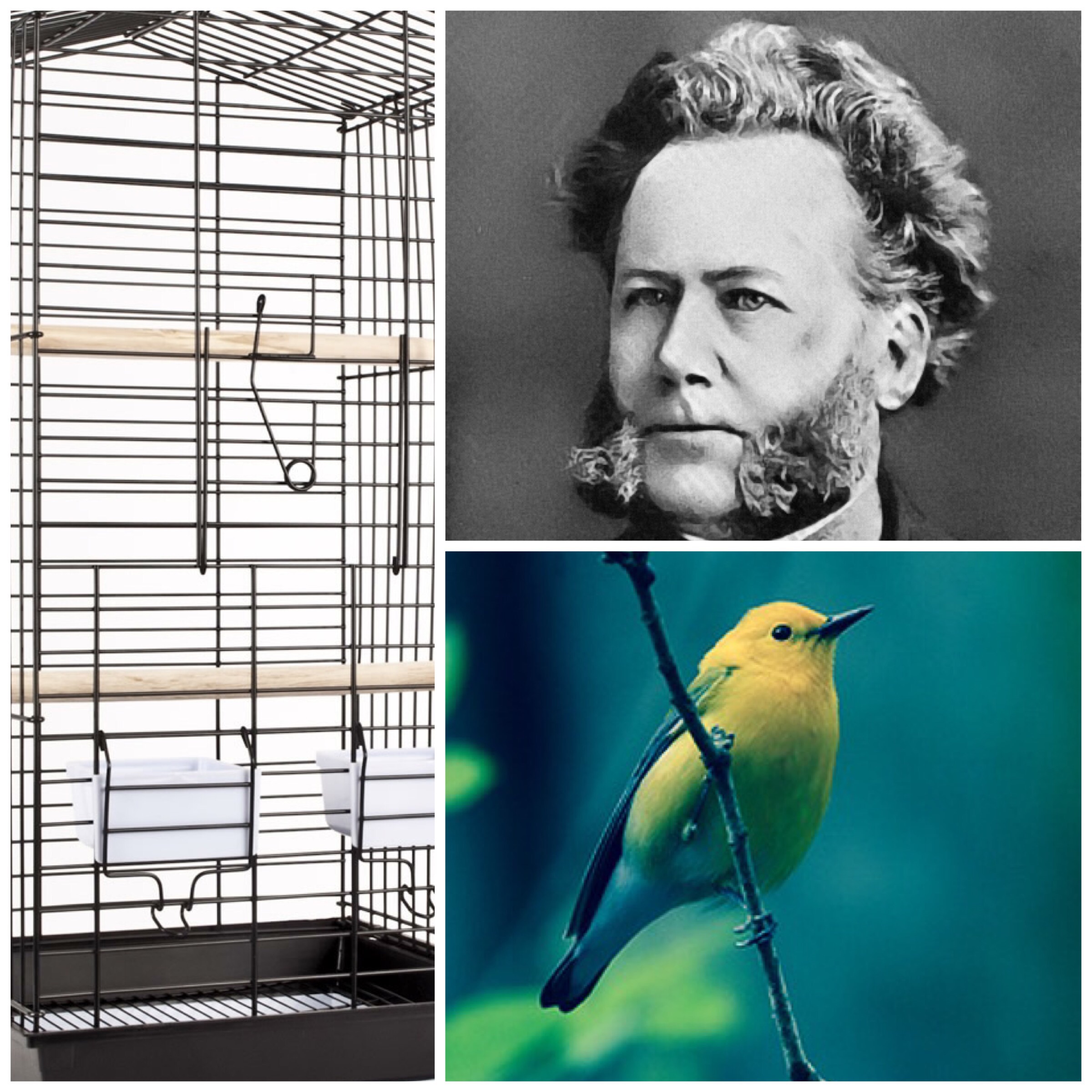
“A forest bird never wants a cage.”
Henrik Ibsen, The Master Builder (1892), Hilda, Act III.
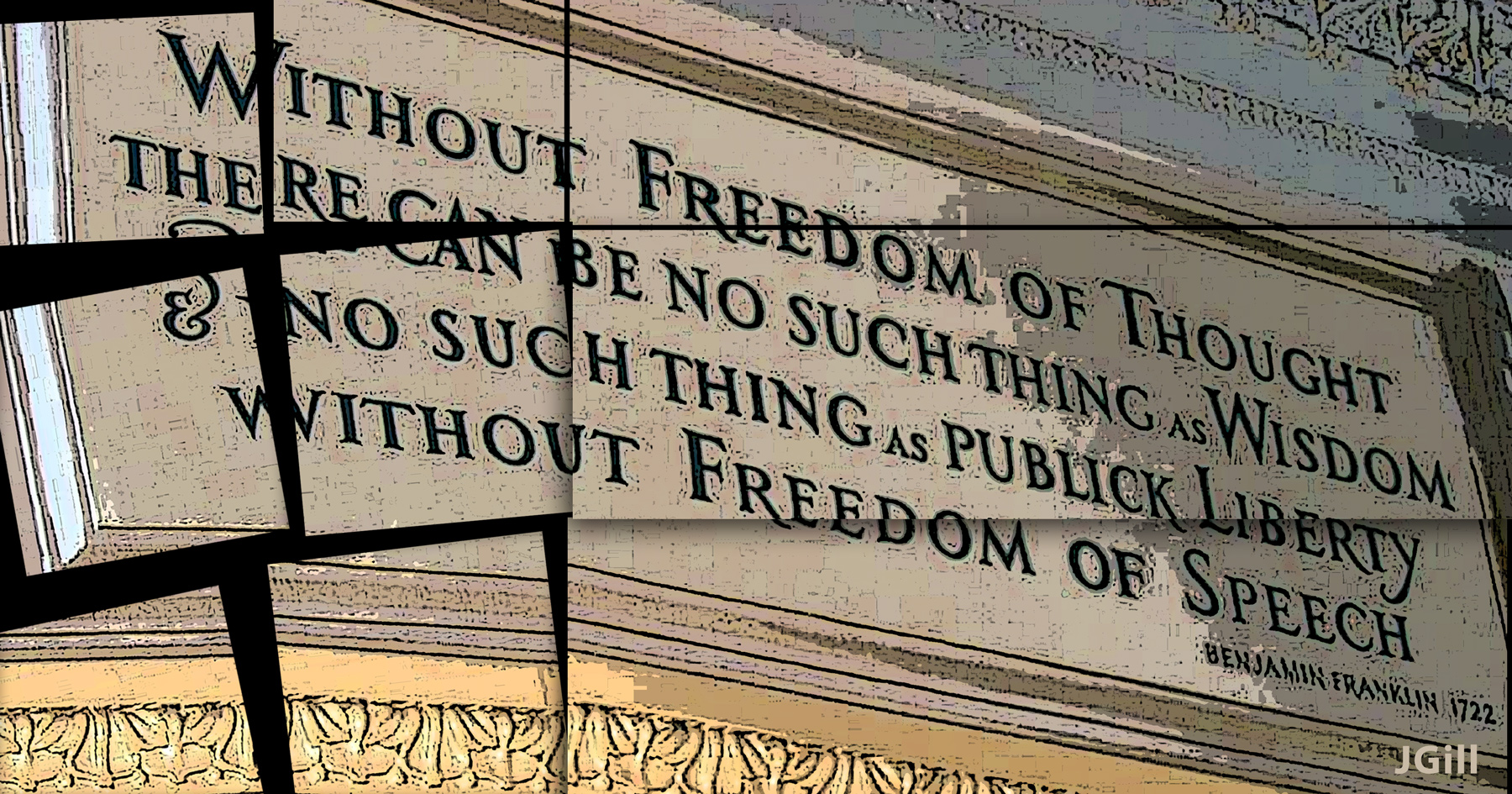
For two weeks, Reason magazine was stopped by court order from talking about two government actions.
It started with online comments.
Everyone who samples the Internet knows that although some un-moderated remarks are judicious and thoughtful, others are intemperate and un-thoughtful. Freedom of speech subsumes the latter just as much as the former — unless and until a published comment can be honestly construed as a genuine threat of violence, as opposed to mere venting.
Reason was first hit with a subpoena that “demanded the records of six people who left hyperbolic comments at the website about the federal judge who oversaw the controversial conviction of Silk Road founder Ross Ulbricht.”
The subpoena is itself debatable, the Supreme Court having recently noted that context is relevant to determining whether an online “threat” is a genuine one.
Not debatable? The gag order that soon followed, prohibiting discussion of both the subpoena and the gag order after Reason notified the affected commenters so that they would have a chance to defend their right to anonymity.
Reporting at the magazine’s “Hit and Run” blog, Reason editors Nick Gillespie and Matt Welch explain why the prior restraint represented by the order is unconstitutional and a bad idea.
For Reason, the situation was unprecedented; but similarly wrongful gag orders have become commonplace.
If we lose freedom of speech in this country, it won’t be all at once but bit by ugly bit.
This episode? One of the ugly bits.
This is Common Sense. I’m Paul Jacob.
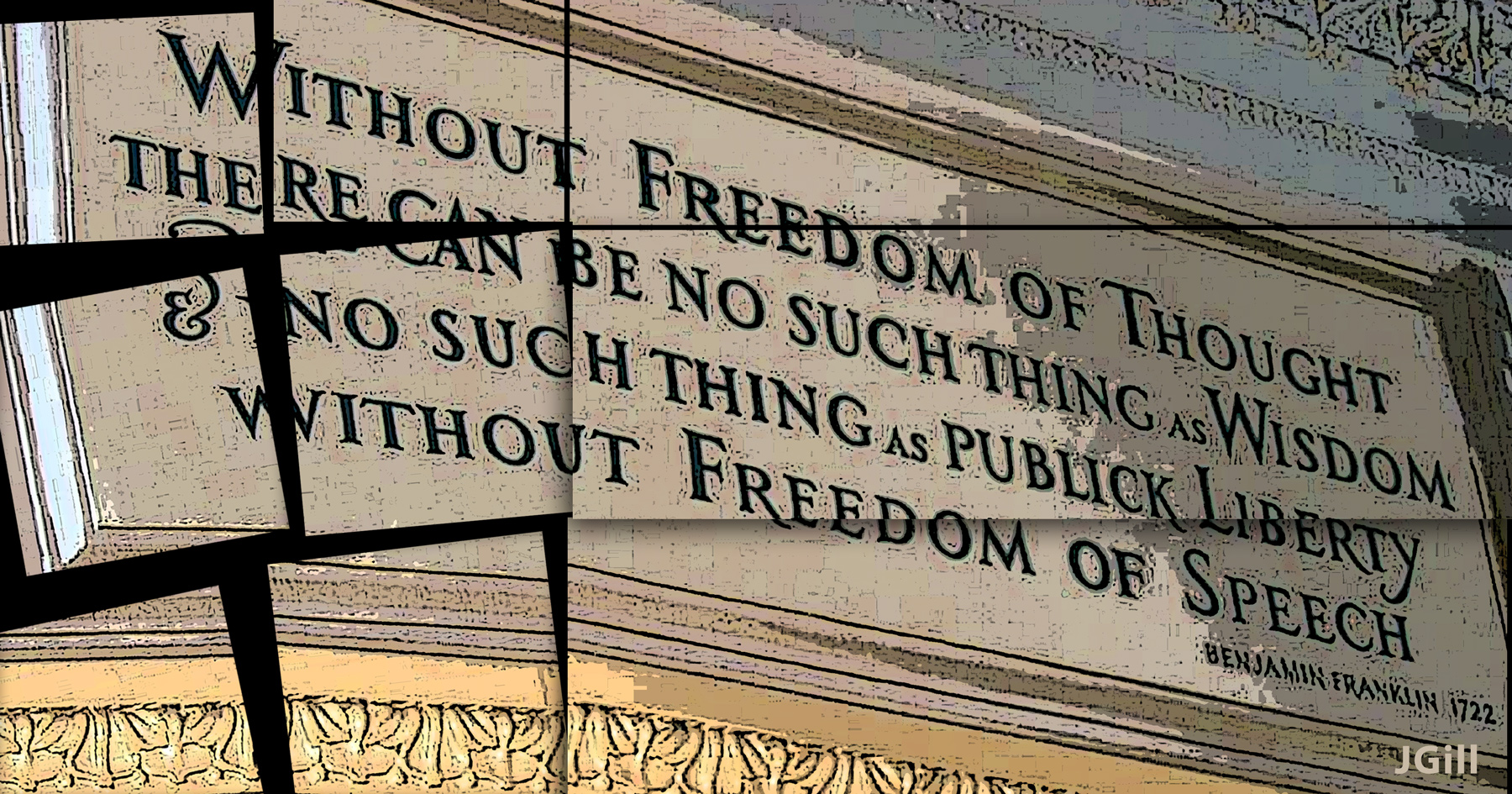
Is the majority morally supreme, or are there moral rights and moral laws, independent of both majority and minority, to which, if the world is to be restful and happy, majority and minority must alike bow?

This weekend, your Common Sense advocate catches up the good folks at Townhall.com with the latest clever initiative on the West Coast to give citizens what they need to restrain government growth. Click on over. Come back for the background reading:
“Private property and free trade stand on exactly the same footing, both being essential and indivisible parts of liberty, both depending upon rights, which no body of men, whether called governments or anything else, can justly take from the individual.”
Auberon Herbert, The Right and Wrong of Compulsion by the State (1885)
On June 21, 1915, the U.S. Supreme Court struck down an Oklahoma law denying the right to vote to some citizens. In Guinn v. United States, the Supreme Court found “grandfather clauses” in effect in several formerly slave states to be little more than sneaky ways of allowing illiterate white folks to vote while disallowing illiterate black folks.
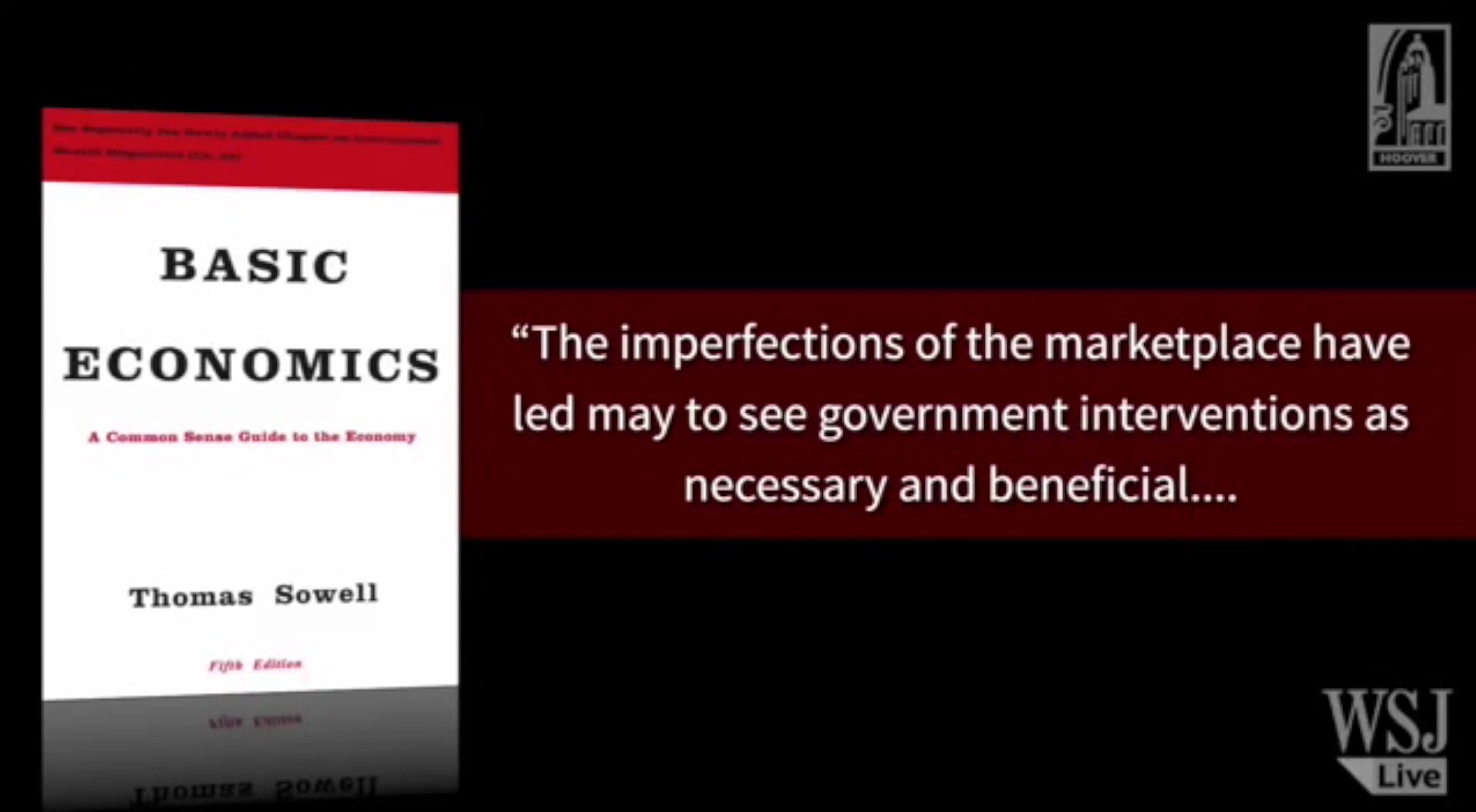
“We’re so much more rational in sports,” says Thomas Sowell, than in economic policy.
Here Sowell clarifies a major policy issue that flows from the “market failure” analysis that grew out of “perfect competition” models in modern economics. But without the math.
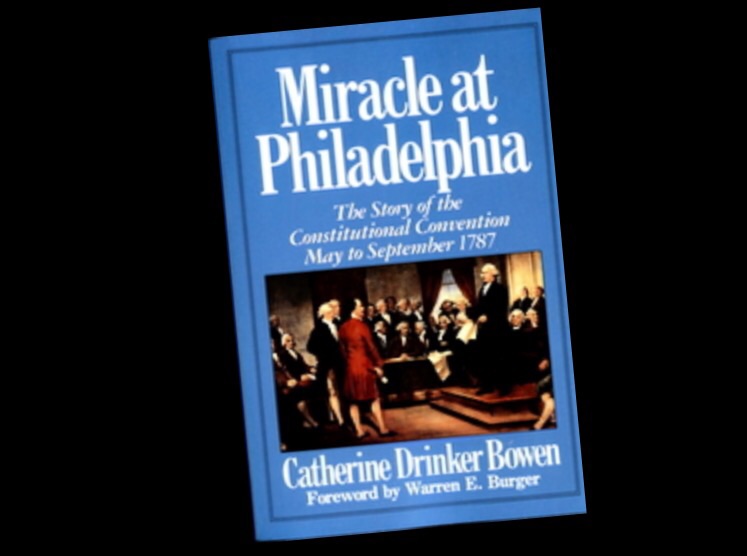
On this date in 1787, at the Constitutional Convention in Philadelphia, it was moved and debated to confine legislative powers to two distinct branches, and to strike the word “national” from the document.
The final wording eventually became “All legislative powers herein granted shall be vested in a Congress of the United States, which shall consist of a Senate and House of Representatives.” And the word “national” does not occur anywhere in the Constitution.
“The nature of man is indivisible; you cannot cut him across, and give one share of him to the state and leave the other for himself.”
Auberon Herbert, The Right and Wrong of Compulsion by the State (1885)

Real and effective “anti-establishment” ideas come from unexpected places. That is, they are unexpected if you read only the dominant media and its insider sources, or follow politics only during the quadrennial presidential farce.
Quite a few news junkies would be surprised at David Stockman’s critique of current Federal Reserve behavior and policy, for example. In “Why Ronald Reagan Is Rolling In His Grave: The Keynesian Putsch At The Fed,” he charges the central bank with having managed “an economic coup d’etat” by engaging in an ongoing wealth redistribution scam — shoveling wealth to the rich.
Stockman sees the confidence of Fed Chair Yellen’s macro-policy micromanagement agenda as a scary case of hubris, of self-appointed effrontery. “Yellen & Co believe they are in charge of virtually everything on the main street economy . . . based on nothing more than their own subjective and unexplained wisdom.”
Stockman is in high form, here. Yellen’s latest pronouncement, he says, is “unaltered Keynesian claptrap. It is the arrogant over-reach of a model-obsessed academic zealot who has no respect whatsoever for the real main street economy and for the historically proven truth that free markets are the best route to prosperity and higher living standards for the people. . . .”
Her policies, he claims, amount to “‘trickle down’ economics with malice of forethought.”
Does that sound Bernie Sanderish to you? It shouldn’t.
The case for limited government and against the Fed (and federal government management in general) are that it is modern unlimited government that serves the few at the expense of the many. Stockman is just restating very old wisdom.
Remind your Occupier friends of this. They are on the wrong team.
This is Common Sense. I’m Paul Jacob.