“Many a man can save himself if he admits he’s done wrong and takes his punishment.”
Henrik Ibsen, A Doll’s House (1879), Torvald Helmer, Act I
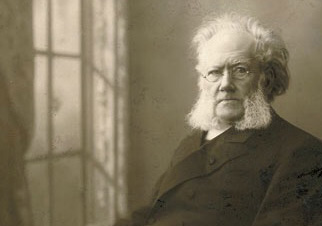
“Many a man can save himself if he admits he’s done wrong and takes his punishment.”
Henrik Ibsen, A Doll’s House (1879), Torvald Helmer, Act I
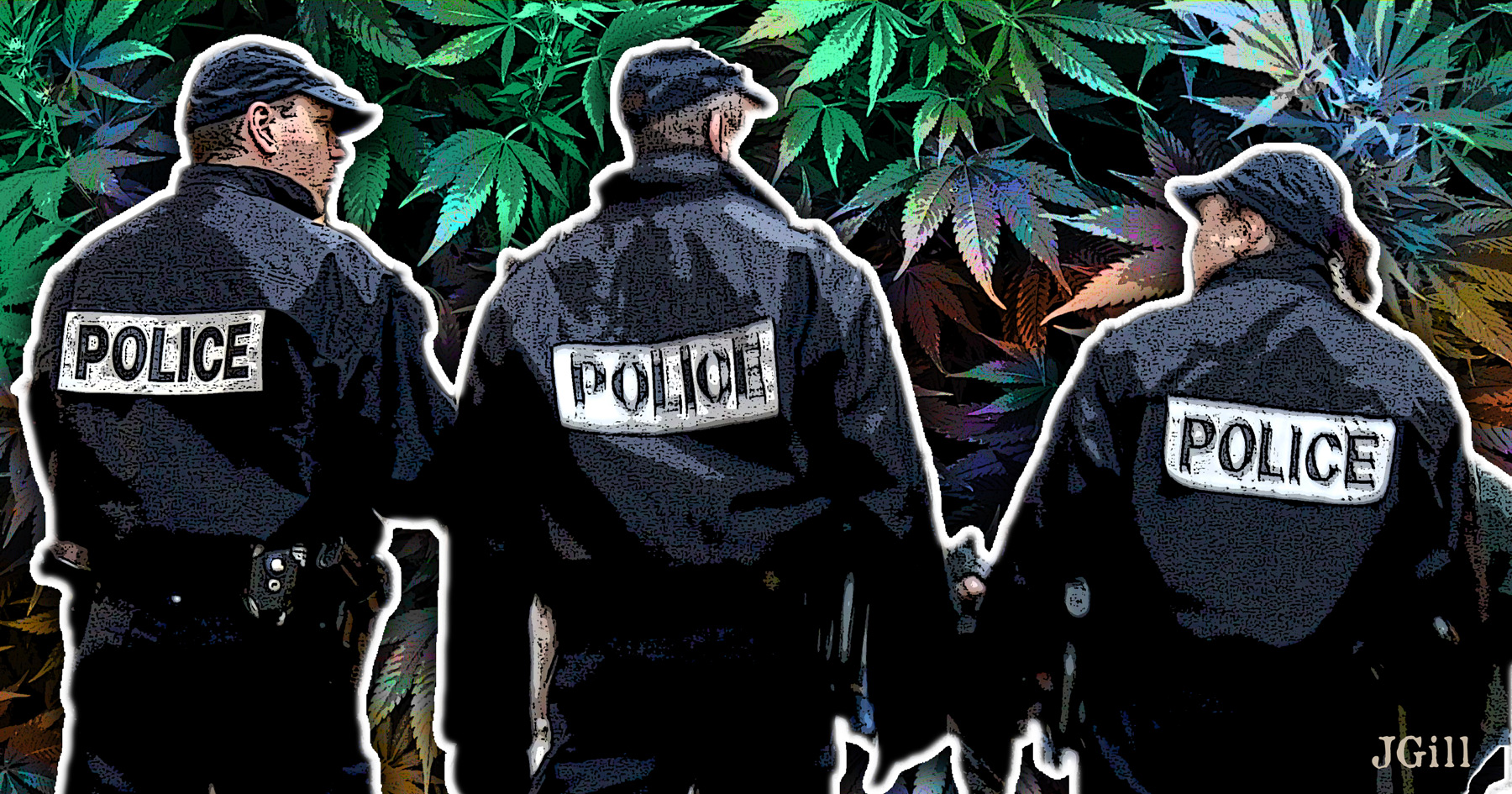
Policemen who perpetrate acts like those I am about to describe should be imprisoned.
That’s not an anti-police statement, it’s a pro-law-and-order one. Anybody who vandalizes the property of innocent people and pointlessly terrorizes them, whether flashing a badge as prelude or not, should be arrested, prosecuted, convicted and punished.
Santa Ana police raided a medical-marijuana dispensary, a legal business in California. Why? Solely because it lacked a license.
Techdirt.com, which has videos of the raid, suggests that although “having the proper paperwork in place is important” — and it sure seems to be if not-being-raided is also important to you — the shop was in line to get the license. The process had been bogged down by local politics.
Nevertheless, officers on site “treated this lack of proper paperwork like it was the Zeta Cartel operating under its nose. The video captured by the dispensary’s cameras shows heavily-armed cops — some wearing ski masks — smashing through two doors and yelling at the peaceably-assembled customers to lie on the floor.”
We then see the jolly officers sampling the shop’s foodstuffs, playing darts, and ripping cameras off the wall.
They missed a couple. (Hence Techdirt’s extensive video coverage.)
Motive? It seems apparent that they engaged in all this abusive authority-flaunting just because they could.
And there is no real doubt that they knew what they were doing was wrong, and they knew that we would know. That’s why they went for the cameras.
Just like any gang trying to get away with something.
This is Common Sense. I’m Paul Jacob.
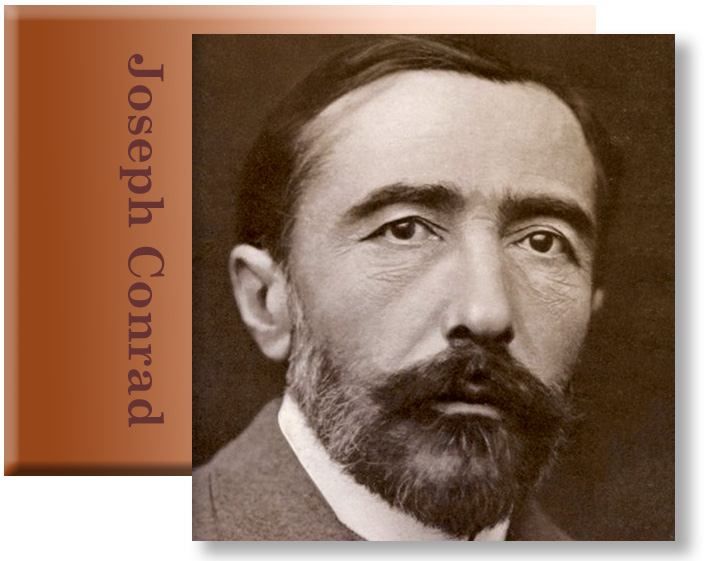
Egoism, which is the moving force of the world, and altruism, which is its morality, these two contradictory instincts, of which one is so plain and the other so mysterious, cannot serve us unless in the incomprehensible alliance of their irreconcilable antagonism.
Joseph Conrad, Letter to the Editor, The New York Times Saturday Book Review (1879), August 1901.
For once, The Washington Post headline actually reflected the commentary: “America is the worst polluter in the history of the world. We should let climate change refugees resettle here.”
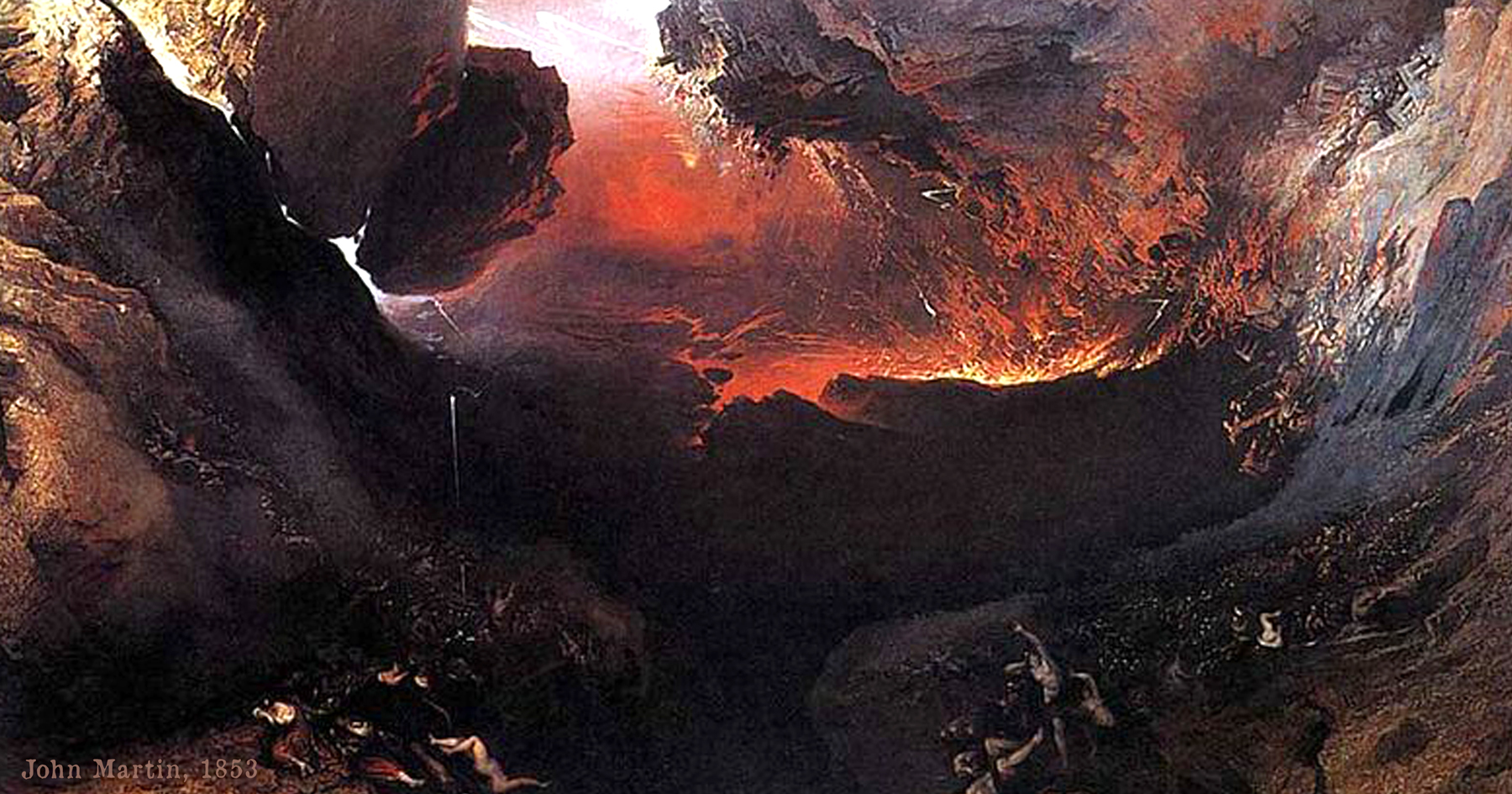
Michael B. Gerrard, associate faculty chair at Columbia University’s Earth Institute and director of the Sabin Center for Climate Change Law at Columbia Law School, presents a gloomy, doomy picture of earth 85 years from now.
“Toward the end of this century, if current trends are not reversed,” he writes, “large parts of Bangladesh, the Philippines, Indonesia, Pakistan, Egypt and Vietnam, among other countries, will be under water.”
And we need somebody to blame. Today.
Step forth, America!
“[I]ndustrialized countries ought,” Gerrard argues, “to take on a share of the displaced population equal to how much each nation has historically contributed to emissions of the greenhouse gases that are causing this crisis.”
The World Resources Institute places responsibility for 27 percent of world carbon dioxide emissions between 1850 and 2011 on us. Therefore, the U.S. must care for 27 percent of the world’s climate change refugees . . . eight decades from now.
It’s only “fair,” according to the dean, that “The countries that spewed (or allowed or encouraged their corporations to spew) these chemicals into the air, and especially the countries that grew rich while doing so, should take responsibility for the consequences…”
Especially?
Is Gerrard battling so-called “carbon pollution” or . . . wealth?
I have a simpler plan, one not based on collective “justice” — fantasies of what whole nations somehow “deserve.” People should be free to move where they think they will be better off.
Will that still be America?
This is Common Sense. I’m Paul Jacob.
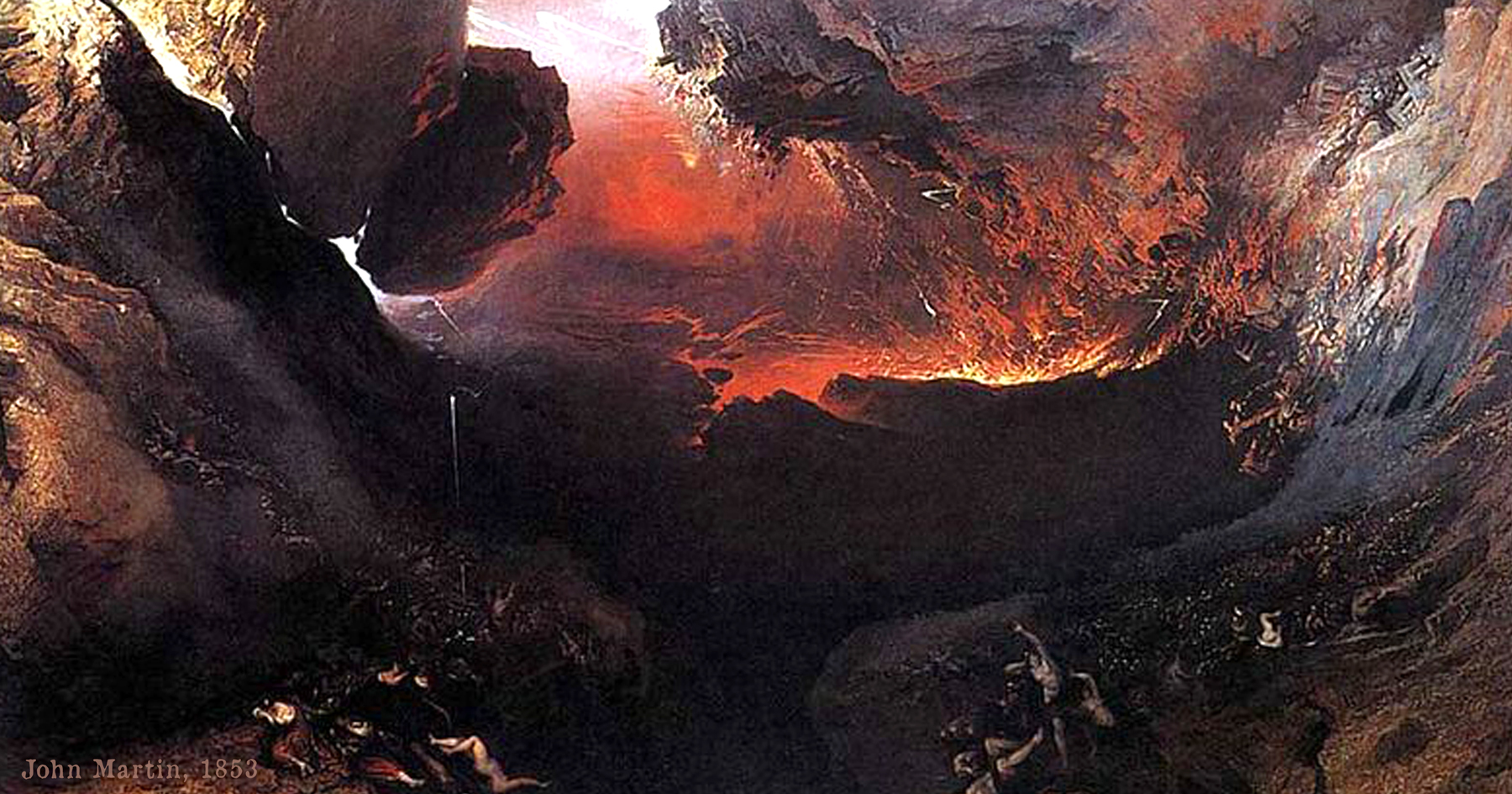
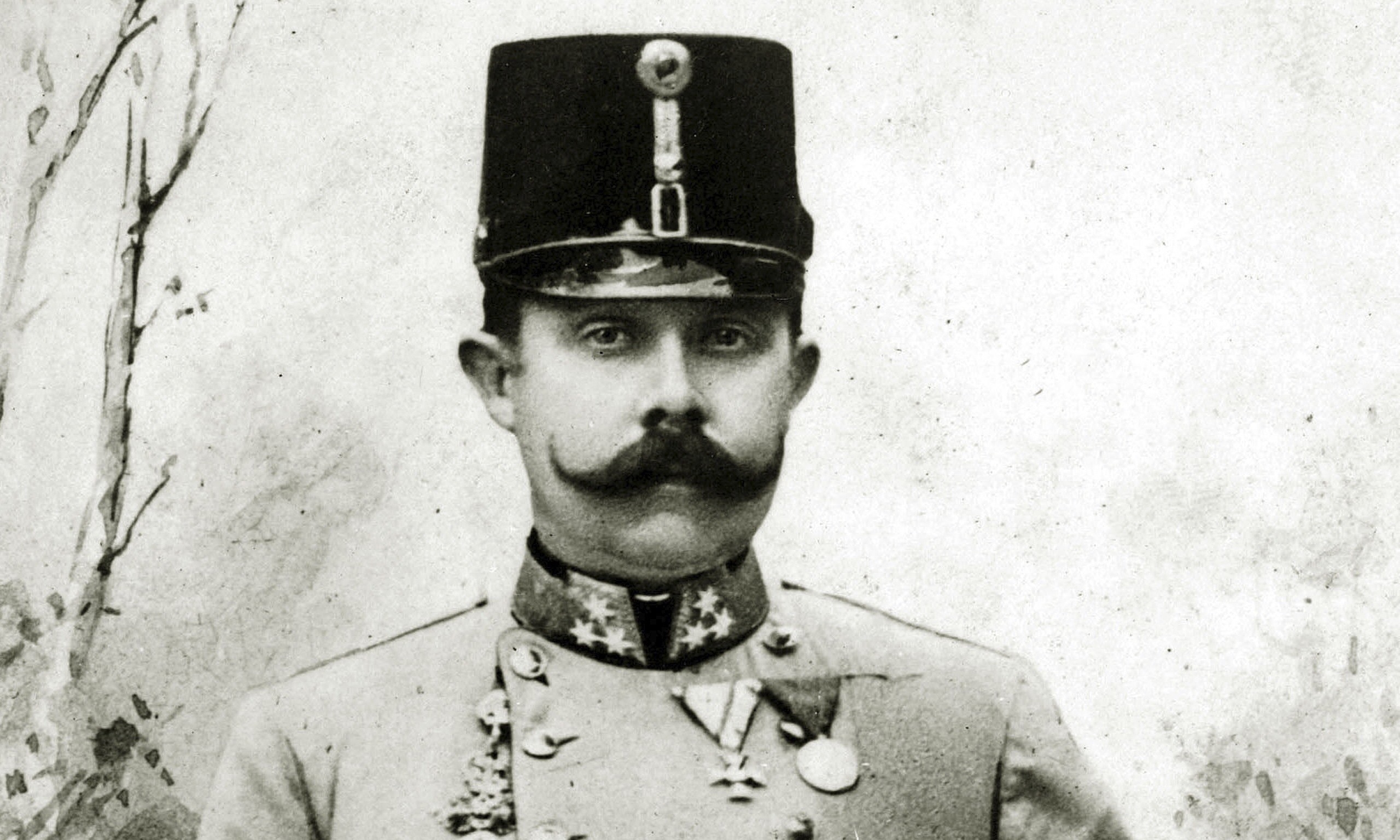
On June 29, 1914, the day after the shooting of the Archduke Ferdinand and his wife, Austrian interrogations confirmed that the Serbian government was behind the assassination. Serbia denied involvement.
Thus continued the series of events that led to “The Great War,” now known as “World War I.”
This year marks the centennial-plus-one of that most horrific and destructive of wars.
“You don’t get nothing for nothing in this life.”
Henrik Ibsen, A Doll’s House (1879), Dr. Rank, Act III
Last week, we reported on a filing of a citizens’ initiative in Ferguson, Missouri. Now, a fuller report, for the good folks at Townhall.com. Click on over, then come back here for more relevant reading.
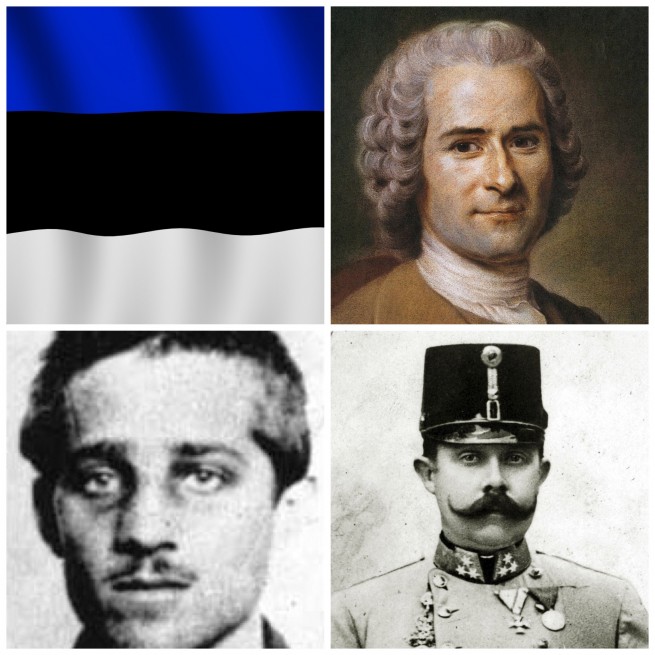
On June 28, 1992, the Constitution of Estonia was signed into law.
June 28 birthdays include that of Jean-Jacques Rousseau, philosopher, in 1712.
On this date in 1914, 19-year-old Gavril Princip assassinated Archduke Franz Ferdinand, heir to the Austrian throne, and the Archduke’s wife Sophie. The Archduke had earlier missed a bomb thrown at his car, which necessitated a change in the motorcade route, which the driver forgot, which is why the car paused at the precise intersection in which Princip fired his fatal shots.
The shooting began a series of events that led to “The Great War,” now known as “World War I.”
This year marks the centennial of that most horrific and destructive of wars.
“I believe that first and foremost I am an individual, just as you are.”
Henrik Ibsen, A Doll’s House (1879), Nora Helmer, Act III
“You don’t get nothing for nothing in this life.”
Henrik Ibsen, A Doll’s House (1879), Dr. Rank, Act III