Categories
Today

Congress Adjourns

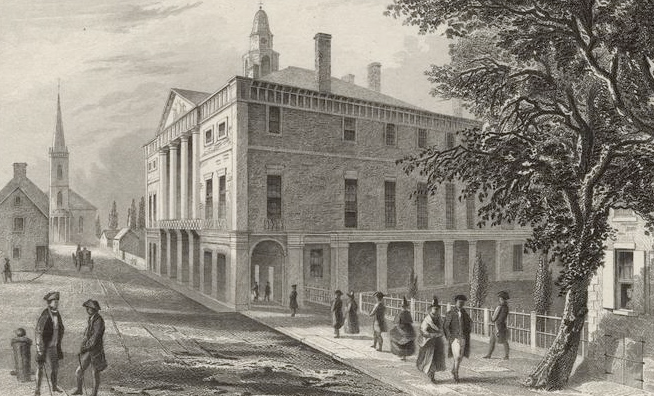
On September 29, 1789, the first Congress of the United States under the new Constitution adjourned.

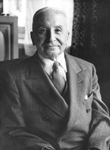
On the same date in 1881, economist Ludwig von Mises (pictured, at right) was born in Lemberg, Galicia, of the Austria-Hungary Empire (now Lviv, Ukraine).

Categories
meme

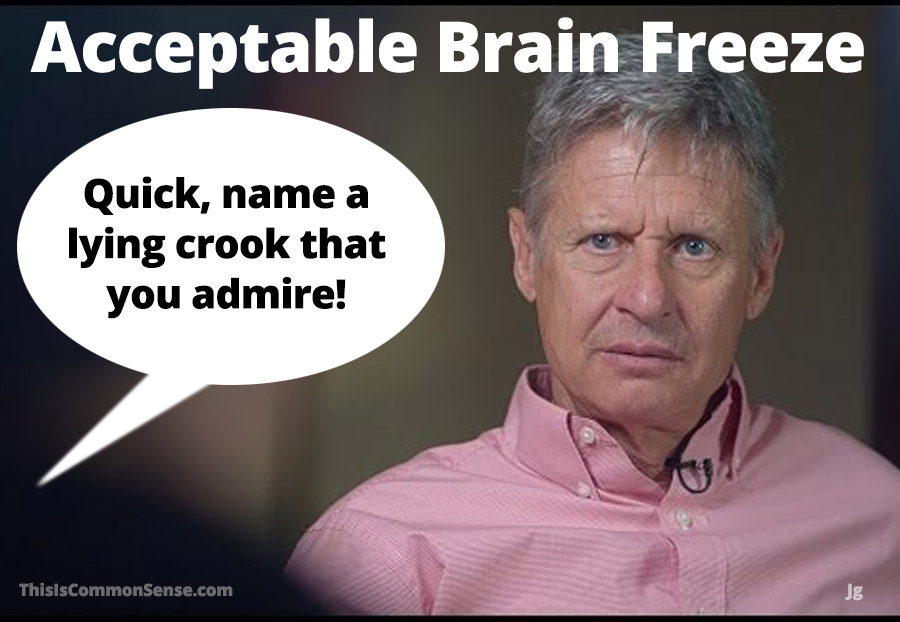
Acceptable Brain Freeze

Quick, name a lying crook that you admire!

Gary Johnson, brain freeze, lying crook, Aleppo, admire, meme, illustration


Categories
general freedom nannyism national politics & policies too much government

A Federalist Prescription

California has become the 32nd state to stand up for the dying.

Gov. Jerry Brown just signed the “right to try” law that the Goldwater Institute has been pushing. It allows diagnosed terminally ill patients with only a few months left to live to try “experimental” medications.

These are drugs that haven’t passed through all the Food and Drug Administration’s many hoops.

The rationale for the law is that the FDA’s decade-long, costly process is ostensibly designed to prevent “dangerous” drugs from being regularly prescribed and sold and used in the United States. To save lives, you see. But it is simply cruel to hold patients in the process of dying to the strict standards of the slow, bureaucratic federal bureaucracy. Cruel because purposeless.

The Goldwater Institute’s press release clarifies the law like this: “Right To Try is limited to patients with a terminal disease that have exhausted all approved treatment options and cannot enroll in a clinical trial. All medications available under the law must have successfully completed basic safety testing and be part of the FDA’s on-going approval process.”

Hardly radical. Indeed, it seems such a meek and mild move, to me. If you are dying, and your doctor is obliging, who is harmed?

Two things, though:

  1. Had Americans a right to self-medicate — like we did before the Progressive Era nanny state bureaucracies were set up — this issue would not even come up. These reforms are necessary because we are not Once upon a time, all Americans could choose any medication.
  2. This is yet another example of states effectively nullifying federal law.

More please.

This is Common Sense. I’m Paul Jacob.


Printable PDF

FDA, self medication, drugs, medicine, death, illustration


Categories
Thought

Robert A. Heinlein

How anybody expects a man to stay in business with every two-bit wowser in the country claiming a veto over what we can say and can’t say and what we can show and what we can’t show — it’s enough to make you throw up. The whole principle is wrong; it’s like demanding that grown men live on skim milk because the baby can’t eat steak.


Robert A. Heinlein, The Man Who Sold the Moon, (1950), p. 188

Categories
Today

SpaceX

On September 28, 2008, SpaceX launched the Falcon 1, the first private spacecraft to go into orbit around planet Earth.

Categories
Accountability ballot access First Amendment rights general freedom government transparency initiative, referendum, and recall media and media people moral hazard nannyism Regulating Protest too much government U.S. Constitution

Four Measures for Rogue Government

Rule of thumb: don’t enact today laws that, had they been obeyed by folks in the original 13 states of our union, would have prevented independence.

Voters in Missouri, South Dakota, and Washington have the “opportunity” to enact such laws this November.

In “Beware of Anti-Speech Ballot Measures,” Tracy Sharp and Darcy Olsen, presidents of the State Policy Center and the Goldwater Institute, respectively, offer a warning. Focusing on Measure 22, the South Dakota Government Accountability and Anti-Corruption Act, they show how dangerous notions like forcing “nonprofit organizations to report the names and addresses of their donors to the state government” can be.

Such disclosure would subject non-profits “to possible investigation by an unelected ethics board that is given the power to subpoena private documents and overrule decisions made by the state attorney general. . . .” Rogue, star-chamber government.

Fever dream?

No. Sharp and Olsen highlight a famous U.S. Supreme Court case that protected the NAACP from the state’s demand for the group’s funding sources. Both women also offer personal tales of how nasty the opposition (in government and out) can become when big issues are on the line.

I can personally attest.

These measures fly in the face of what really matters — encouraging robust public debate. Democracy doesn’t work when people dread participation. As our authors challenge, “[d]o we want America to be a country where government keeps public lists of law-abiding citizens because they dare to support causes they believe in?”

Especially when, without the secret (unreported!) activities of the Committees of Correspondence, the USA would not have become united states in the first place.

This is Common Sense. I’m Paul Jacob.


Printable PDF

speech, anti-speech, NAACP, Supreme Court, First Amendment, Free Speech,


Original (cc) photo by Michael Tracey on Flickr


Categories
Today

Congress on the Run

Lancaster, Pennsylvania, home to Lancaster James Buchanan, the nation’s 15th president, and to congressman and abolitionist Thaddeus Stevens, served, during the American Revolution, as the capital of the United States for one day, on September 27, 1777.

This occurred after the Continental Congress fled Philadelphia, which had been captured by the British. The revolutionary government then moved still farther away to York.

Categories
Accountability national politics & policies political challengers responsibility too much government U.S. Constitution

How to Corrupt Politicians Without Really Trying

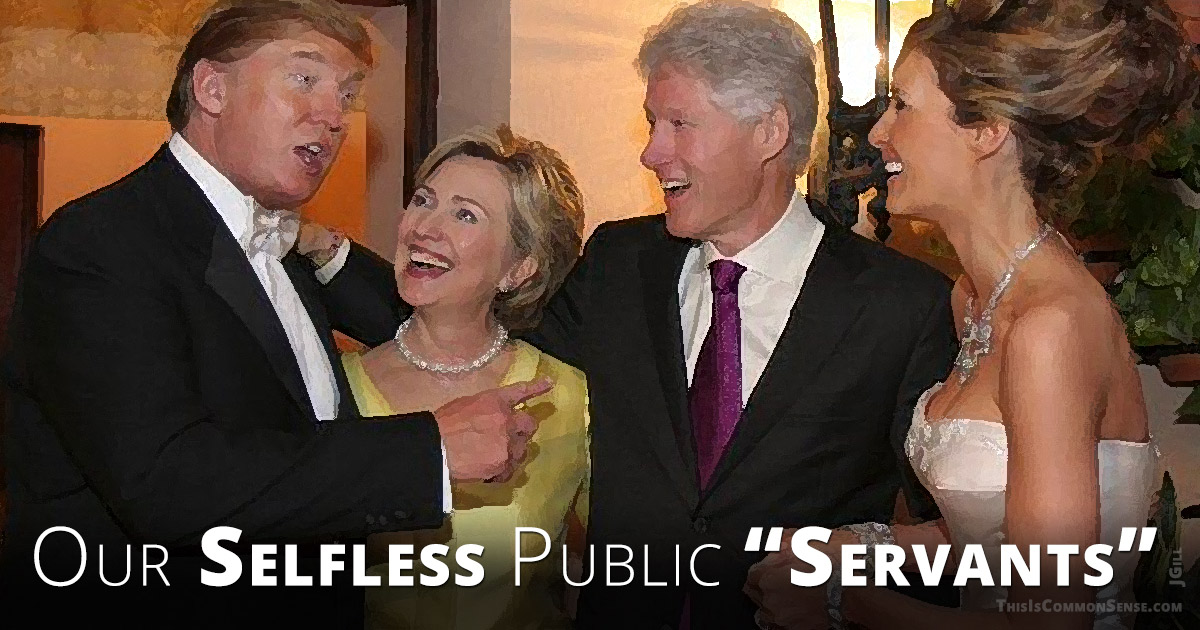
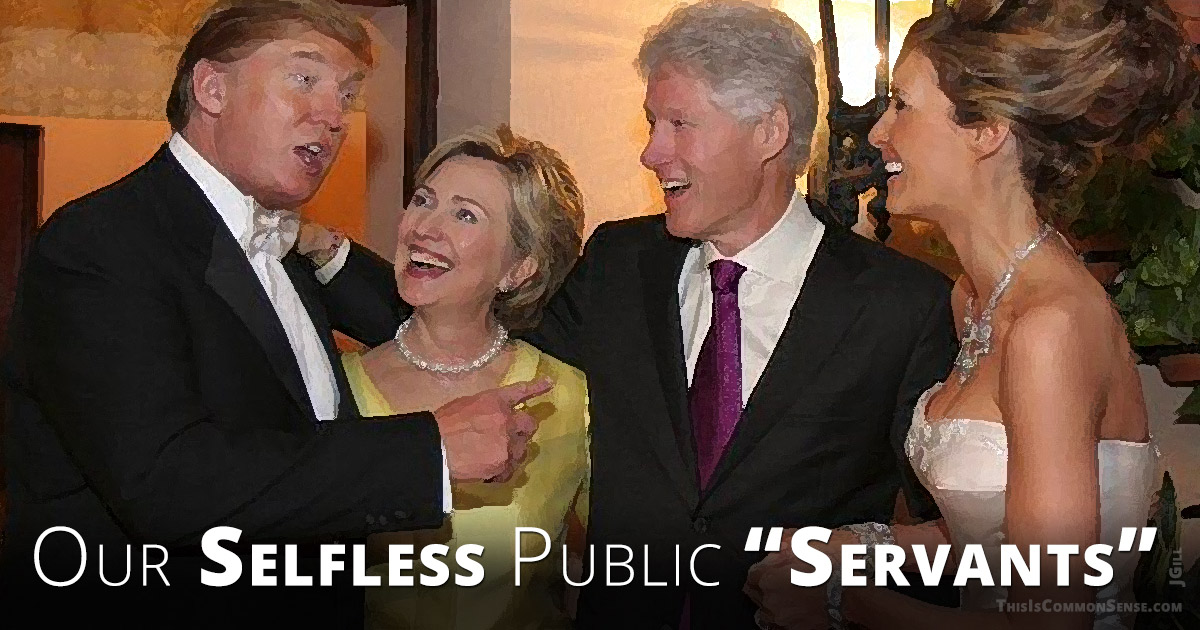
In a Townhall.com column last January, I argued that politicians weren’t “stupid,” as Mr. Trump had loudly proclaimed — to few objections.

The problem is worse: too many politicians lack honesty and integrity. They’re in the politics biz for their own lucrative ends.

Six weeks ago, I declared — again, to few objections — that “Politicians Must Suffer.” Despite the provocative, sizzling-with-Schadenfreude title, my point was simple: “lavish pay, pensions and other benefits for city councilmen, state legislators and congressmen constitute a serious problem.”

“It breeds,” I added, “bad behavior when politicians line their own pockets. . . .”

Well, I’m right.

At least, I’ve got some academic back-up from a new study by Mitchell Hoffman of the University of Toronto and Elizabeth Lyons of the University of California-San Diego, entitled, “A Time to Make Laws and a Time to Fundraise? On the Relation Between Salaries and Time Use for State Politicians.”

Sounds like a fascinating read, eh?

“Using data on time use and legislator salaries, we show that higher salary is associated with legislators spending more time on fundraising,” the study’s abstract reads. “In contrast, higher salary is also associated with less time spent on legislative activities and has no clear relation to time spent on constituent services.” [Emphasis added]

While their study jives with my experience, the Wall Street Journal reports that others were surprised. Authors Hoffman and Lyons explain: “When salaries are higher, politicians face a greater incentive to get re-elected (as the value of serving in office is greater). Thus, they will optimally respond by increasing the time spent on fundraising.”

Sounds like in addition to lower pay for politicians, we need term limits, too.

This is Common Sense. I’m Paul Jacob.


Printable PDF
politicians, public servants, service,


Categories
Thought

Clausewitz

All war presupposes human weakness and seeks to exploit it.


Carl von Clausewitz, On War (1832), Book V.

Categories
Today

Shays’ Constitution

On September 26, 1786, protestors shut down the court in Springfield, Massachusetts, beginning a military standoff and ushering in Shays’ Rebellion. This anti-tax revolt spurred a dramatic reaction on the part of the day’s politicians, including their attempts to reform the Articles of Confederation and to figure out better ways than high state taxes to pay off Revolutionary War debts. These efforts directly led to the adoption of a new Constitution.

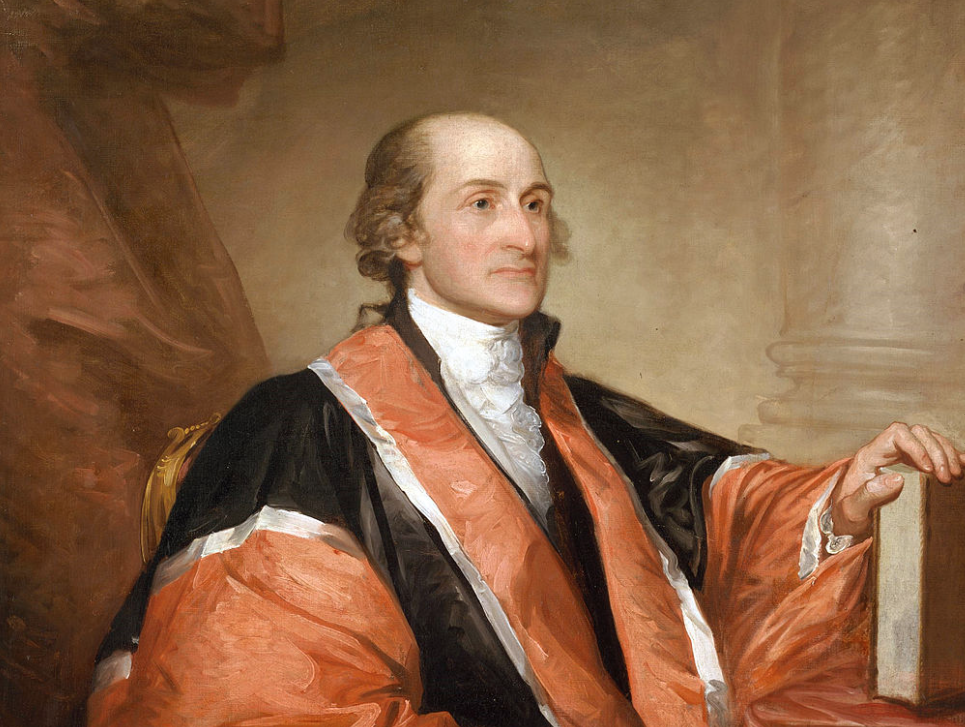
Three years later, to the day, Thomas Jefferson was appointed the first United States Secretary of State, John Jay (pictured) was appointed the first Chief Justice of the United States, Samuel Osgood was appointed the first United States Postmaster General, and Edmund Randolph was appointed the first United States Attorney General — all under the new Constitution.

In 1960 on this date, John F. Kennedy and Richard M. Nixon engaged in the first televised presidential campaign debates.