What would happen if we lacked a “working” government? Well, if it is just a lack of new legislation and a top banana, pretty well, maybe:
Categories
Video: Spain Without a Legislature
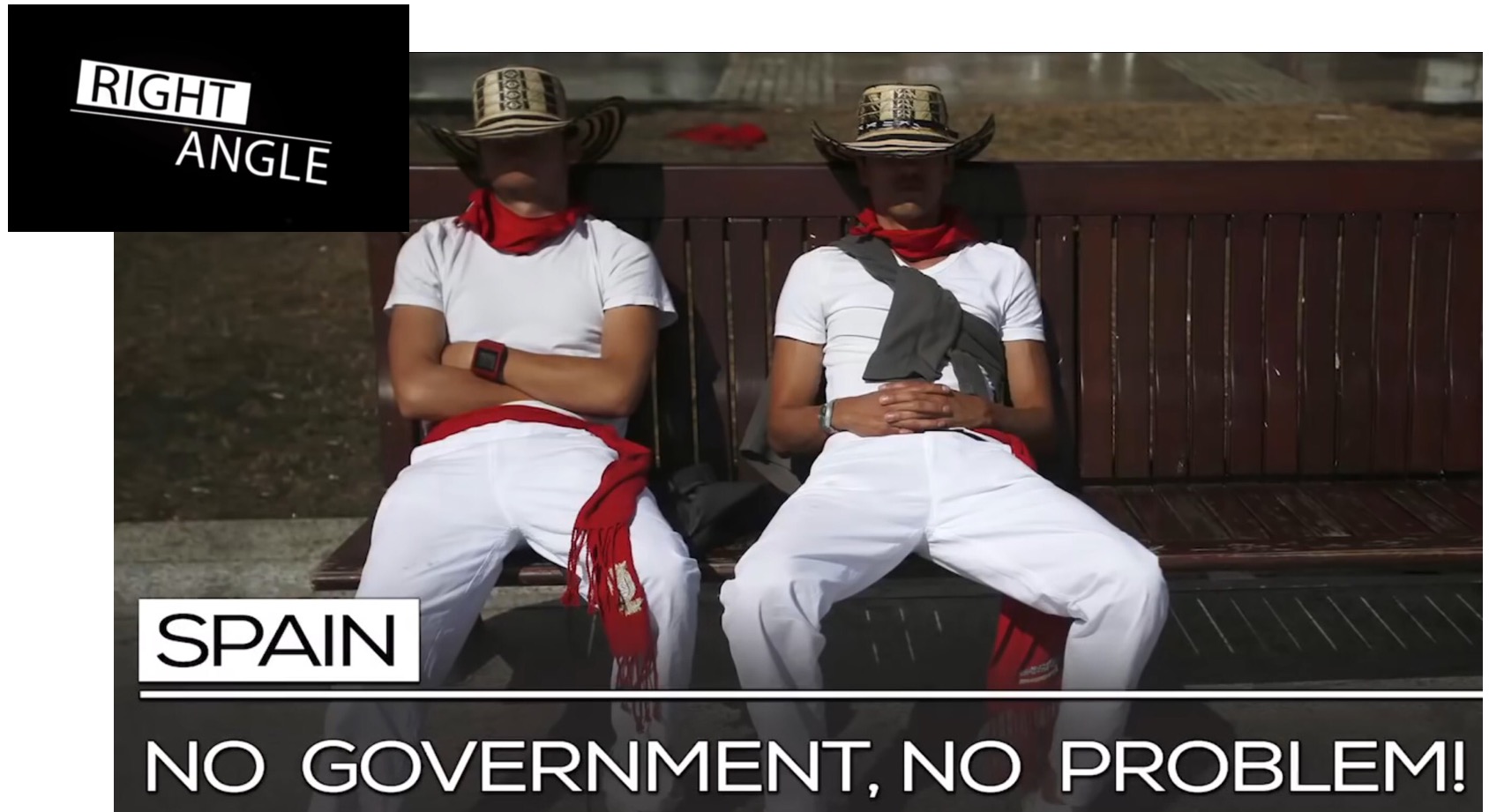
What would happen if we lacked a “working” government? Well, if it is just a lack of new legislation and a top banana, pretty well, maybe:
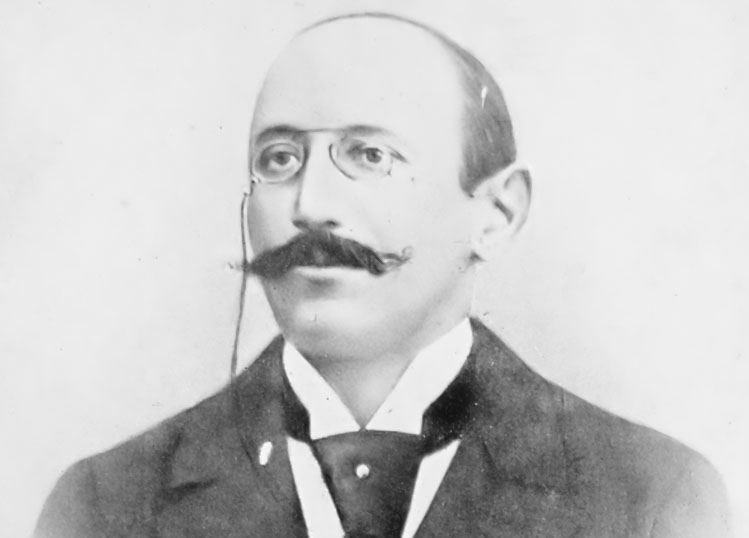
On October 15, 1894, Alfred Dreyfus (1859 – 1935) was arrested for spying: The Dreyfus Affair began.
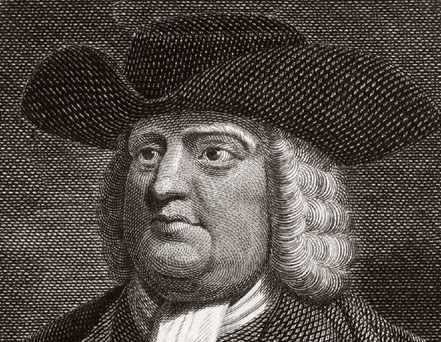
Right is right, even if everyone is against it, and wrong is wrong, even if everyone is for it.
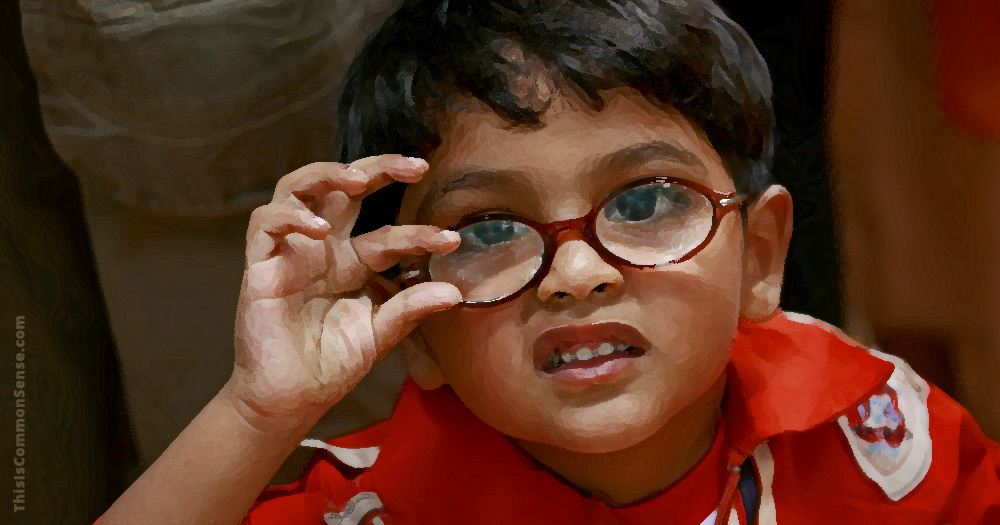
Just gave a fiver to a sixth grader . . . to help the public schools.
He was going door to door, which I’ve had occasion to do, and he was nice and well-spoken. Glad to give.
And it was only five bucks — that’s what I had in my pocket. It was like buying a Starbucks venti-something.
No big deal.
But something does bug me.
What is it?
The fact that the school system sends kids around to pull on our heart-strings but when our homeschooled kids could benefit by taking part in sports or band or debate or other extra-curricular activities through the public schools, without enrolling as a full-time student, they’re told to “go play in traffic.”*
So, why did I give that screwed-up system anything that wasn’t taken at gunpoint?
For starters, a young person stood before me, not the governor or the school superintendent. I don’t want to approach their level of cold-heartedness.
Next, there is something I really do want: Community. My desire, as a committed individualist, is to grow and strengthen and be part of the community of folks who live close to my family.
There’s no contradiction here.
I want civilization. And five dollars is an awfully cheap price for a smidgen of it. I want that kid to receive a good education. I want our community to succeed, including him and all the other kids.
Why call yourself an individualist or libertarian and not work for voluntary community? Free individuals form better, more sustainable communities than those built on state power or authoritarianism.
Hey, maybe I should go door to door.
This is Common Sense. I’m Paul Jacob.
* For two straight legislative sessions, Gov. Terry McAuliffe has vetoed legislation allowing homeschoolers to participate in sports, band, debate and other such activities. On a county by county basis, Virginia public schools are free to permit or to block homeschoolers from taking academic classes and joining after-school clubs — with roughly half of counties deciding to accommodate homeschoolers.
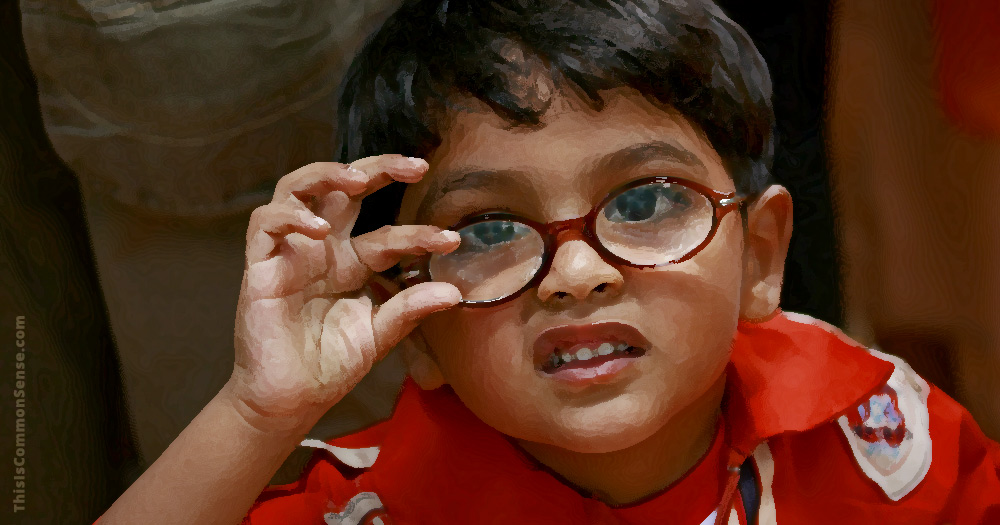
Original (cc) photo by Swaminathan on Flickr
On October 14, 1644, Willliam Penn was born (died 1718). An English real estate entrepreneur, philosopher, and founder of the Province of Pennsylvania (the English North American colony and future Commonwealth of Pennsylvania), he was an early champion of democracy and religious freedom, notable for his good relations and successful treaties with the Lenape Indians.
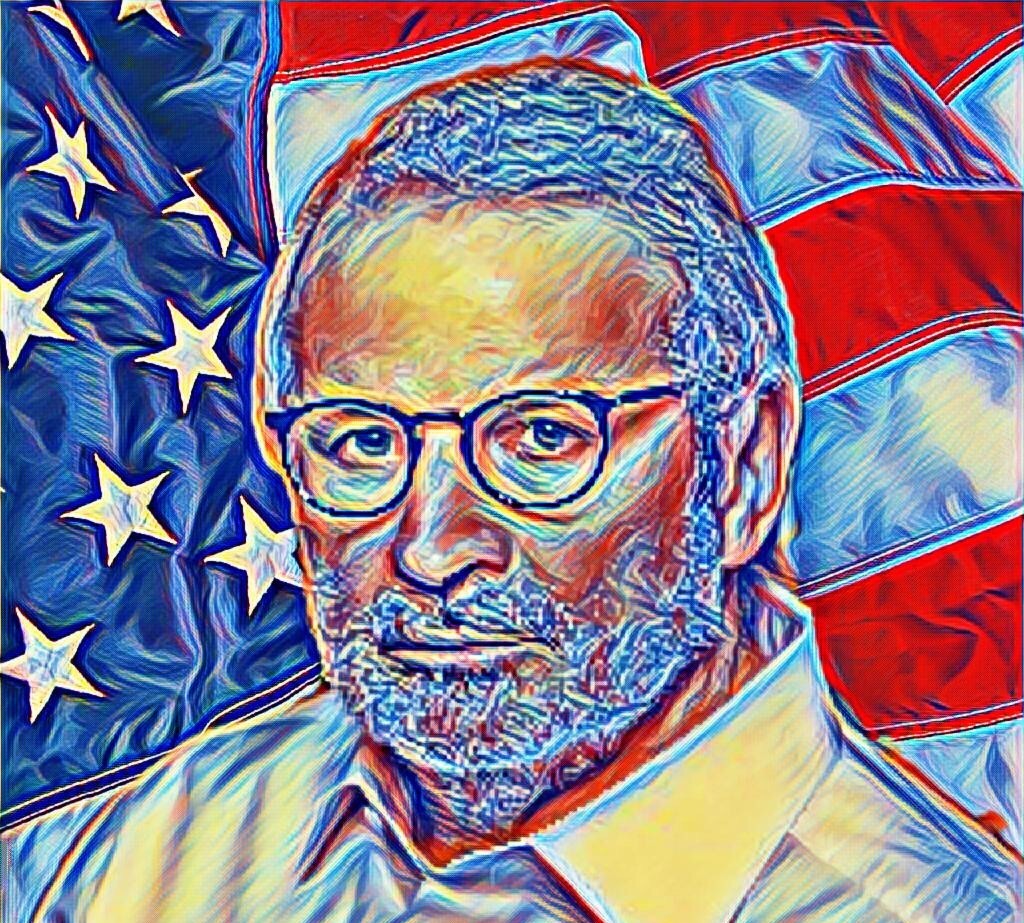
[T]he rise of Trump — and Bernie Sanders too — vastly transcends ordinary politics. In fact, it reaches deep into a ruined national economy that has morphed into rank casino capitalism under the misguided policies and faithless rule of the Washington and Wall Street elites.
David A. Stockman, Trumped! A Nation on the Brink…and How to Bring It Back (Baltimore: Md.: Laissez Faire Books, 2016).
Revolution! Must we?
Can’t we reform at a reasonable pace?
Well, whether we change slowly or quickly, change must occur. Today’s in-place policies are not stable.
But a better future itself must be stable. Or else it will not be better.
And a key to successful change is change in the hearts and minds of the people. The vast majority, East and West, need to shift mental gears and shift their ideological paradigms. (That is the term most famously used by Thomas Kuhn.)
Take yesterday’s story. I first heard about it from proponents of Oregon’s big business excise tax hike. They were saying that Oregon had the lowest business taxes in the union, and took that as a cue to raise taxes. I looked at it as a great political success, and one that had contributed mightily to Oregon’s remarkable economic resilience in these trying economic times.
The difference between the Higher Taxes reaction (which views low taxes as an opportunity only to raise them, and the consequences mainly as who gets the tax funds) and my reaction (which concentrates on the consequences of the expropriation, and looks to a longer period of time to gauge results) is a paradigm shift. To go from one to the other (preferably from the pro-tax to the low tax position) requires a shift in vision.
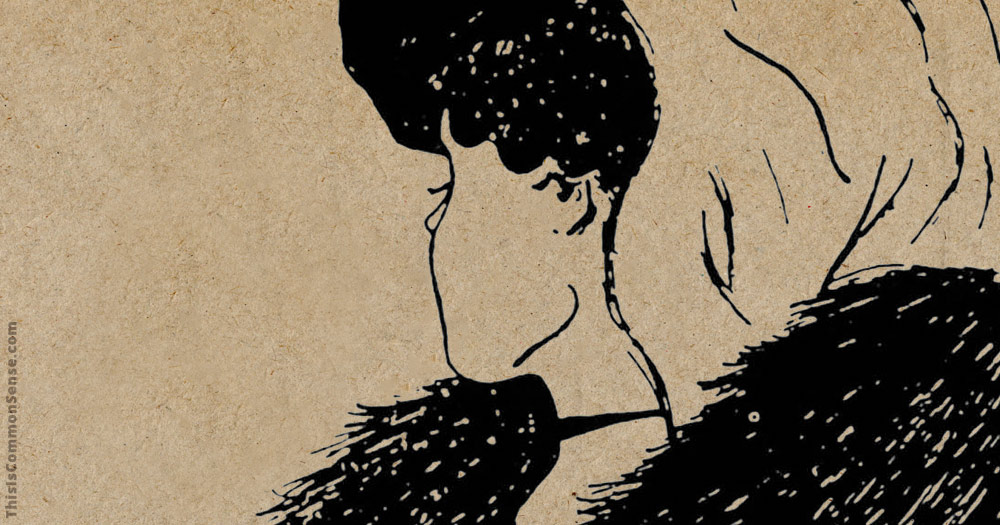
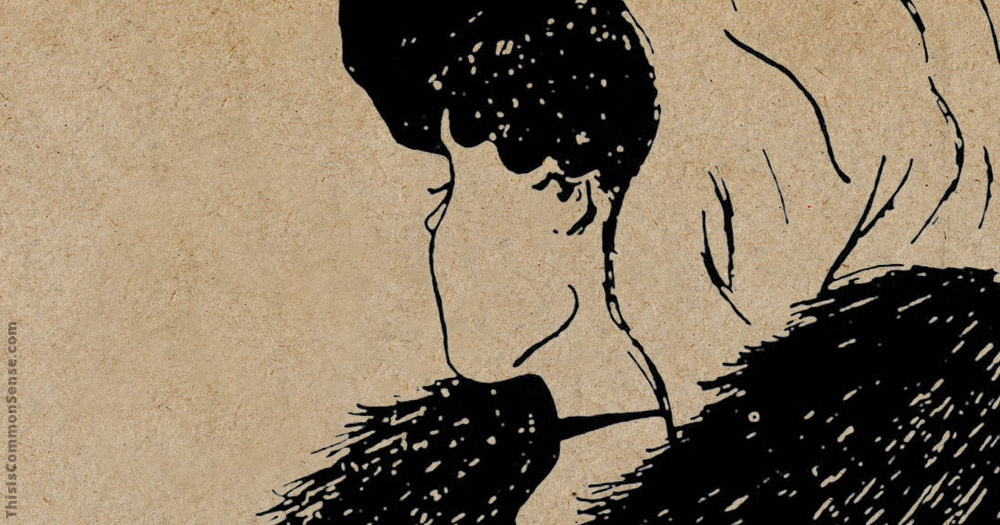
It is like what happens when you refocus on the Duck/Rabbit image, or the Maiden/Crone. Give a person some time. Be patient. And hint that a shift in perspective is warranted to see both.
And that we might gain something from a paradigm shift.
This is Common Sense. I’m Paul Jacob.

The tree of liberty must be refreshed from time to time with the blood of patriots and tyrants. It is it’s natural manure.
Thomas Jefferson, letter to William Stephens Smith, November 13, 1787.
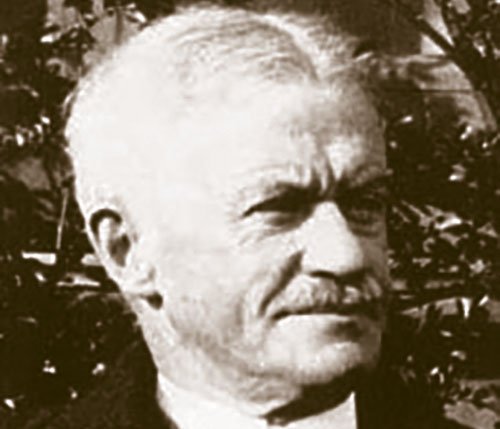
On October 13, 1870, American social critic and education theorist Albert Jay Nock was born. Nock was the author of a number of books, including Jefferson, the Man and Our Enemy, The State, but was probably most famous for his intellectual autobiography, Memoirs of a Superfluous Man, which was widely read and admired amongst conservatives in the 1950s and ’60s.
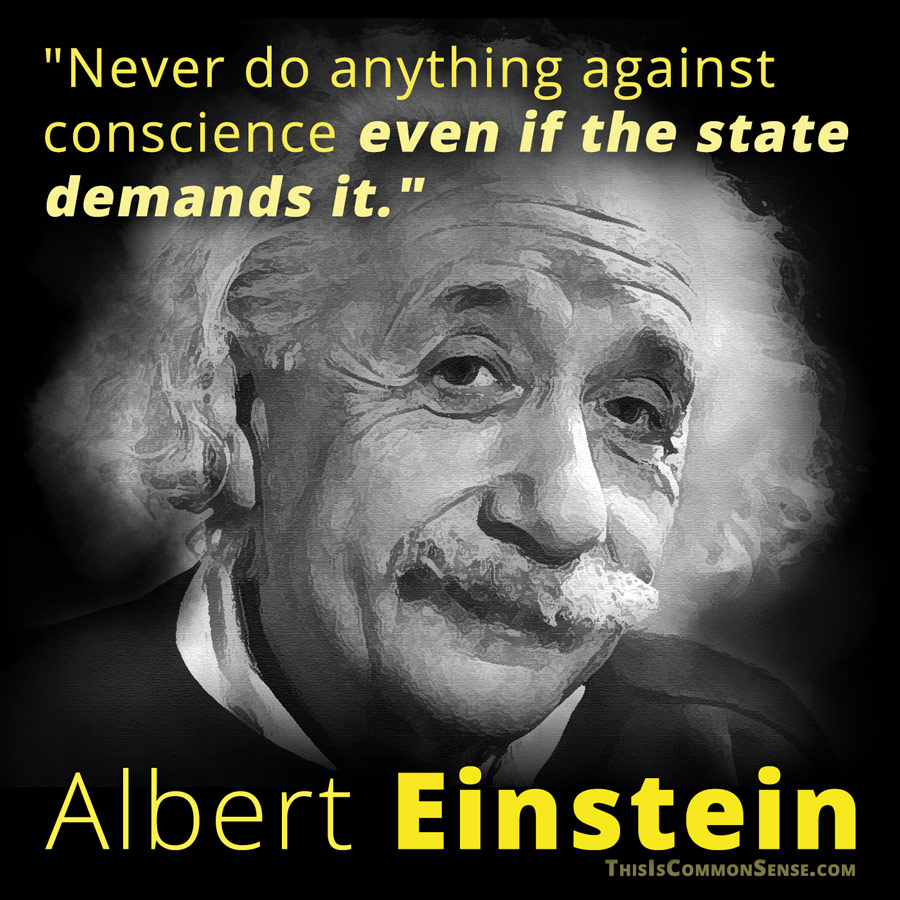
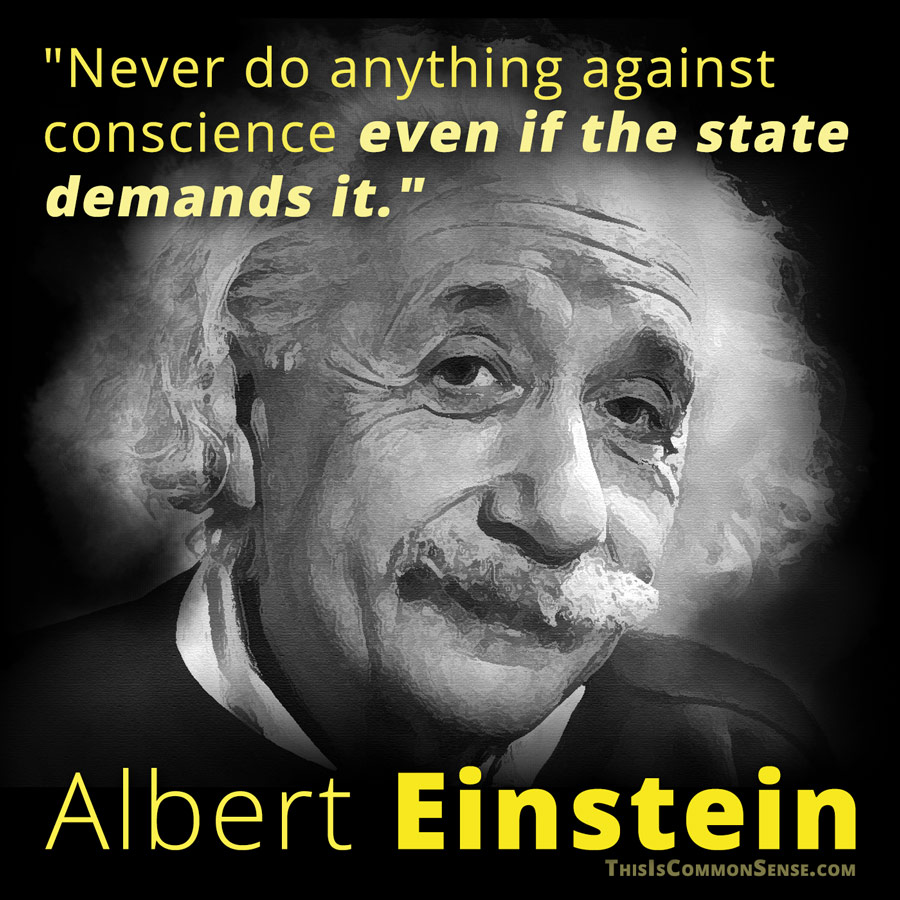
“Never do anything against conscience even if the state demands it.”
— Albert Einstein, as quoted by Virgil Henshaw in Albert Einstein: Philosopher Scientist (1949) edited by Paul A. Schilpp