Categories
Today

The New World

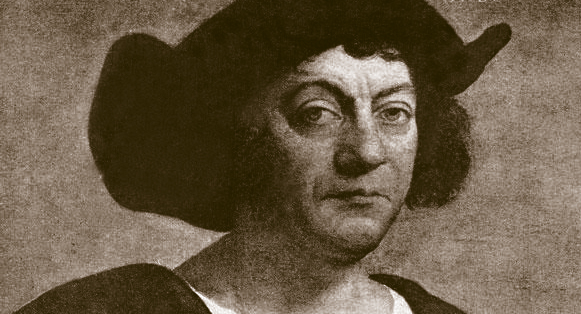
On October 12, 1492, Christopher Columbus landed in the Bahamas, thinking he had reached India.

Exactly two hundred years later, a letter from Massachusetts Governor William Phips ended the Salem Witch Trials.

On this date in 1892, the Pledge of Allegiance was first recited by students in many U.S. public schools, as part of a celebration marking the 400th anniversary of Columbus’s voyage.

The Pledge had been composed that year by Francis Bellamy, a Christian Socialist minister, and was first published in Youth’s Companion magazine, the issue dated September 8, 1892. The recital was accompanied with a salute to the flag known as the Bellamy salute. During World War II, the salute was replaced with a hand-over-heart gesture because the original form (described in detail by Bellamy) involved stretching the arm out towards the flag in a manner that resembled the later Nazi salute. The original form of the Pledge was somewhat less involved than later versions:

I pledge allegiance to my Flag and the republic for which it stands, one nation indivisible, with liberty and justice for all.

In October an editorial addition occurred, the word “to” prefixing “the republic.”
Categories
Thought

David Stockman

The United States is broke — fiscally, morally, intellectually — and the Fed has incited a global currency war (Japan just signed up, the Brazilians and Chinese are angry, and the German-dominated euro zone is crumbling) that will soon overwhelm it. When the latest bubble pops, there will be nothing to stop the collapse. If this sounds like advice to get out of the markets and hide out in cash, it is.


David Stockman, as quoted by Joe Weisenthal, “David Stockman Writes Huge Unhinged Screed About How America Is Doomed And How You Should Get Out Of The Market NOW,” Business Insider (March 13,2013).

Categories
Accountability Common Sense general freedom ideological culture initiative, referendum, and recall insider corruption media and media people moral hazard nannyism national politics & policies political challengers responsibility too much government U.S. Constitution

America After November

Yesterday, I bemoaned the disaster that is this year’s presidential race. But big whup. As the LifeLock commercial rightly asks, “Why monitor a problem if you don’t fix it?”

Hillary Clinton or Donald Trump will be the next president. That means we have our work cut out for us. And we can’t wait for the 2020 presidential race to fix the problem. We must immediately assert citizen power to create an effective check on government-gone-wild.

So, what to do?

First, let’s admit that fixing Washington isn’t easy. We must fight the Feds through national organizations, of course, but we actually gain greater leverage by working closer to home — at local and state levels.

We need to elect mayors, governors, legislators and councilmembers in 2017 and 2018, men and women who will fight for free markets and against cronyism. And stand up to the federal government.

And where we have the power of ballot initiatives and recall, let’s use it.

By Inauguration Day, we can be changing the conversation in most of the top 25 media markets. How? By petitioning the right issues onto the ballot. By April and May, voters in those cities and counties can directly enact those reforms. Next November, Ohio and Washington state voters can weigh in with ballot initiatives.

Sadly, tragically, it’s too late to stop campaign 2016’s tornado from doing damage. The next disaster of an administration is on its way. But we can create a competing agenda to the Hillary Clinton or the Donald Trump agenda.

A pro-liberty agenda. Starting now.

This is Common Sense. I’m Paul Jacob.


Printable PDF

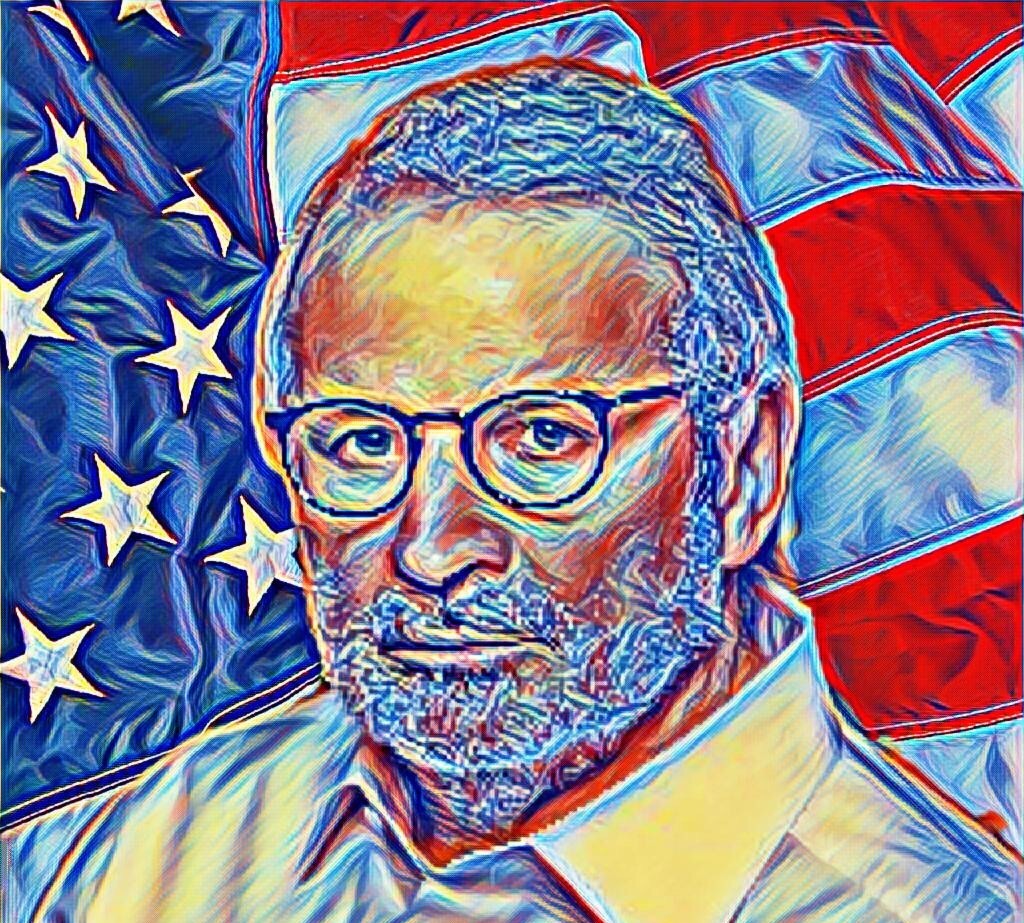
activism, politics, elections, initiatives, president, Trump, Clinton, meme, illustration


Original (cc) photo by Niklas Hellerstedt on Flickr

Categories
Thought

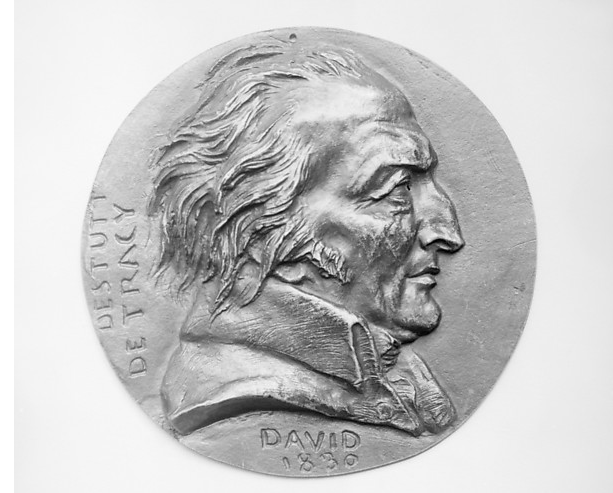
Destutt de Tracy

It is manifest that, to banish bad sentiments born of oppression and insolence, it is necessary that laws be equal for everyone, and even for everyplace.


Destutt de Tracy, as quoted by Mme. Victor de Tracy, Death Notice on Destutt de Tracy (translated by Iris Hartman, 1852)

Categories
Today

Remembering the Revolution

October 11, 1890, marks the founding of the Daughters of the American Revolution.

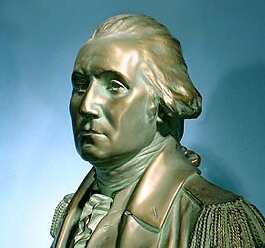
On the same date in 1976, President Gerald R. Ford approved a congressional joint resolution Public Law 94-479 to appoint, posthumously, George Washington to the grade of General of the Armies of the United States, as part of the bicentennial celebrations.

John J. Pershing is the only other American to attain this high title, and the only one to achieve it while alive.

Categories
general freedom insider corruption media and media people national politics & policies political challengers responsibility too much government

We Take the Bullet

“[I]f someone puts a gun to your head,” argues David Boaz of the Cato Institute, “and says you have to choose between Clinton and Trump, the correct answer is, take the bullet.”

Then, proving the axiom “it can always get worse,” came Friday’s twin revelations: the Washington Post broke the story of Donald Trump caught on a hot microphone bragging about groping women, and WikiLeaks released hacked emails with unflattering revelations about Hillary Clinton “principled” duplicity.

The Clinton camp huffs about the hack of campaign chairman John Podesta’s emails, but denies nothing.

In those speeches for which Wall Street firms paid her millions, Clinton’s progressivism evaporates. She suggests Goldman Sachs and other large financial firms should regulate themselves, because they “know the industry better than anybody.”

While publicly bashing the rich, she privately complains before her wealthy audience about the “bias against people who have led successful . . . lives.” Moreover, Hillary explains that it’s bad “if everybody is watching” public policy being made, adding: “[Y]ou need both a public and a private position.”

And to think some folks don’t trust her.

Mr. Trump likewise confirmed our worst fears. During a 2005 taping of a television soap, he boasted that “when you’re a star, they let you do it. You can do anything.”

And then gave a “rapey” example of what “anything” means.

This man deserves political power?

Forget which is worse. Note how much alike they are. Both seem to think they can say — even do — anything. Without consequences.

Without caring one whit about the rest of us.

This is Common Sense. I’m Paul Jacob.


Printable PDF

debate, Hillary, Donald Trump, the scream, bullet, illustration


Categories
Thought

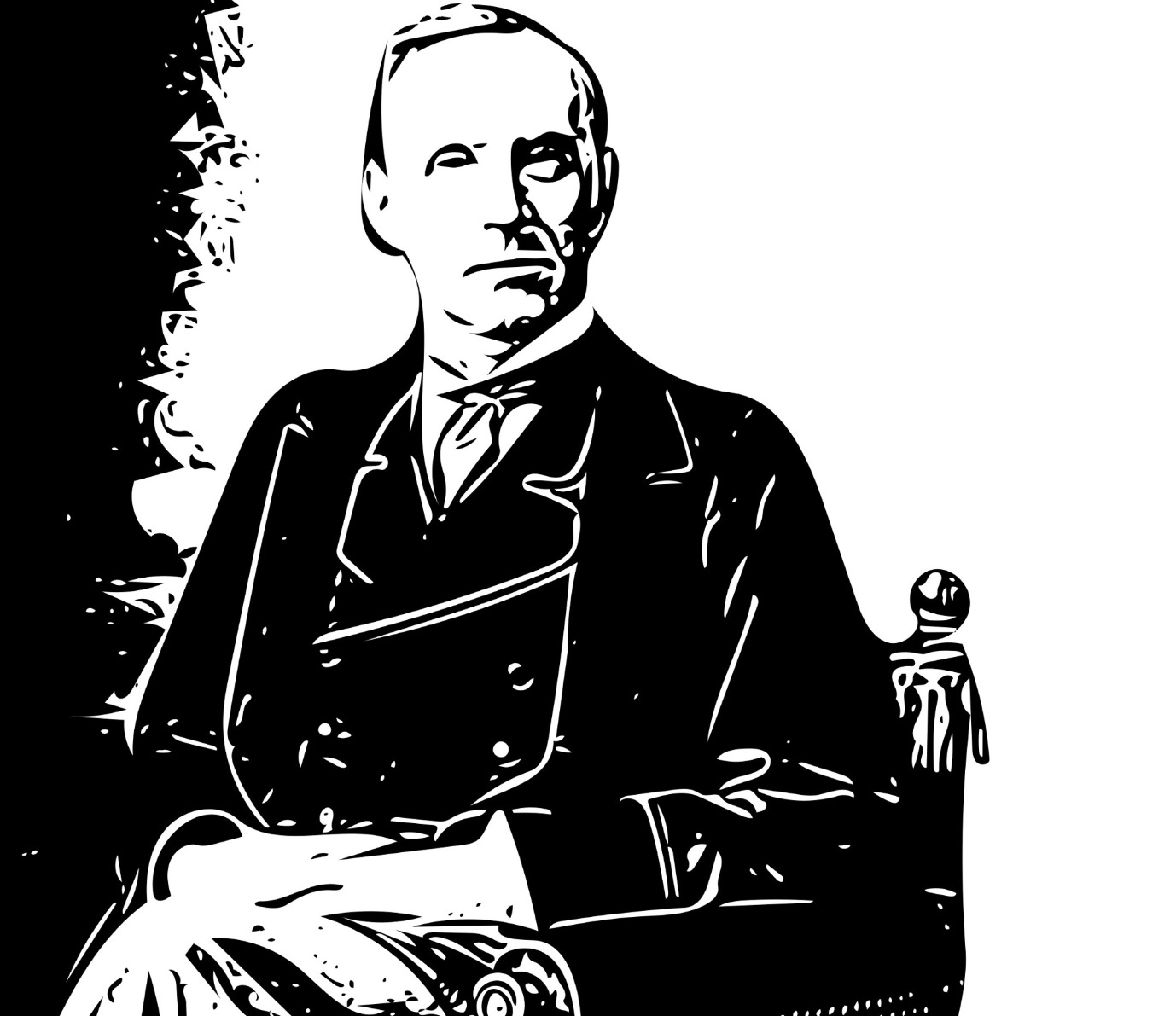
John Morley

Political liberty . . . has not only a meaning of abstention, but a meaning of participation. If in one sense it is a sheer negative, and a doctrine of rights, in another sense it is thoroughly positive, and a gospel of duties.

John Morley, Voltaire (London: Macmillan and Company, 1885; 1897), p. 80.

x

Categories
Today

Economists

On October 10, 1973, Austrian-born American economist, Ludwig von Mises (pictured above) died.

Two-hundred fifty-nine years earlier, the French law-maker and Jansenist Pierre le Pesant, sieur de Boisguilbert (pictured below right) died.

Both economists were known for their defenses of freer markets: le Pesant for pioneering the critique of mercantilism, arguing that a nation’s wealth consisted in what its people produce and trade; Mises for systematizing economic theory and advancing the critique of both socialism and latter-day mercantalism (what he called “interventionism”).

Categories
links

Townhall: Wisconsin’s Morning After

The big story last week was about the conclusion of the Wisconsin John Doe raids, the cheese state’s attempt at strong-arm partisan fascism. This weekend at Townhall, Paul summarizes the story for a national audience.

Click on over, then come back here for the links you need.

Categories
Thought

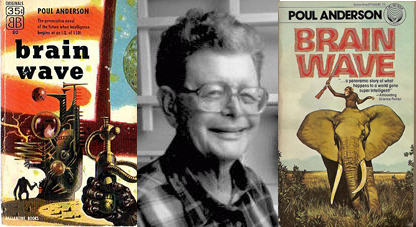
Poul Anderson

Too far a retreat from reality is insanity.

Poul Anderson, Brain Wave (1954), Chapter 10.