Categories
Today

Lysander Spooner

On January 19, 1808, Lysander Spooner was born.

Spooner’s achievements in American life, law, and political philosophy are among the most colorful of the 19th century. Studying law privately, he sued to practice without joining the bar, and won the suit. He set up a postal service that directly competed with the United States Postal Service, delivering mail at a fraction of the cost. He wrote The Unconstitutionality of Slavery, and convinced noted Garrisonian abolitionist Frederick Douglass of his argument. (The book became the centerpiece of intellectual ammunition for the Free Soil Party.) Later in life Spooner turned against constitutionalism itself, and penned some of the most radical political works of his day, including Vices Are Not Crimes and The Constitution of No Authority. Spooner also clearly articulated a “jury nullification” position in his classic treatise Trial by Jury.

He died in 1887.

Categories
Today

Montesquieu

On January 18, 1689, Charles-Louis de Secondat, Baron de La Brède et de Montesquieu, French satirist and philosopher, was born.

His treatise The Spirit of the Laws was a major influence upon America’s founding generation. He is famous for his articulation of the theory of separation of powers, which is implemented in many constitutions throughout the world. He did more than any other author to secure the place of the word despotism in the political lexicon.

In 1811, former U.S. President Thomas Jefferson translated and published Destutt de Tracy’s Commentary and Review of Montesquieu’s ‘Spirit of Laws,’ a very popular review of republican principles — which helps demonstrate how important these French writers were to the American form of government.

Montesquieu died on February 10, 1755.

Categories
Today

George Stigler

On the 17th of January, 1918, the first serious battles took place between the Red Guards and the White Guard in the Finnish Civil War.

On January 17, 1937, Chicago School economist George Stigler was born. Awarded a Nobel Memorial Prize for his work on regulatory capture, oligopoly, information theory, and the history of ideas, Stigler memorialized his own history in Memoirs of an Unregulated Economist.

Other January 17th birthdays include Benjamin Franklin (1706), David Lloyd George (1863), and Nevil Shute (1899).

Categories
Today

Religious Freedom

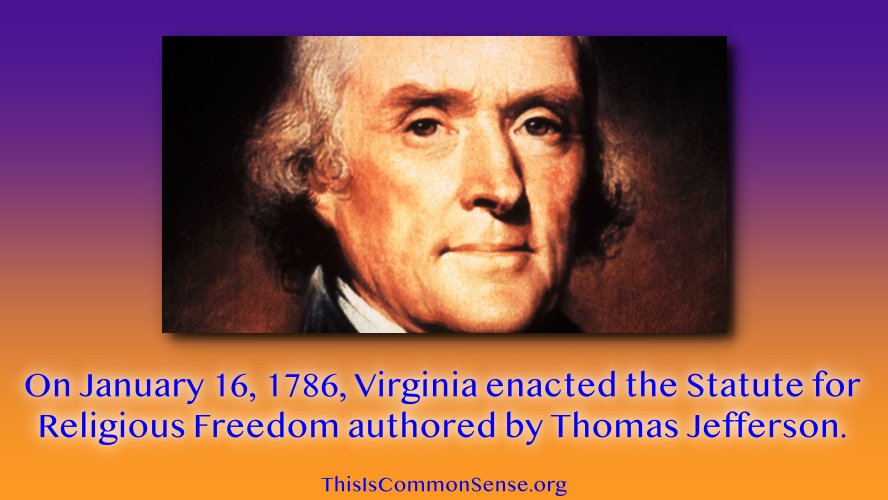
On January 16, 1786, Virginia enacted the Statute for Religious Freedom authored by Thomas Jefferson.

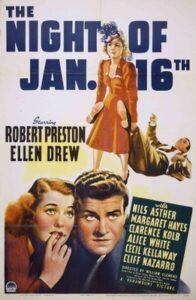
The day is also noted in the title of Ayn Rand’s hit play, Night of January 16th. First performed in 1934 as Woman on Trial, it continued on over the next few years under the title with which it is now famous, and (with the addition of the definite article before “Night”) under which it was filmed in 1941.

Categories
Today

Coins of a New State

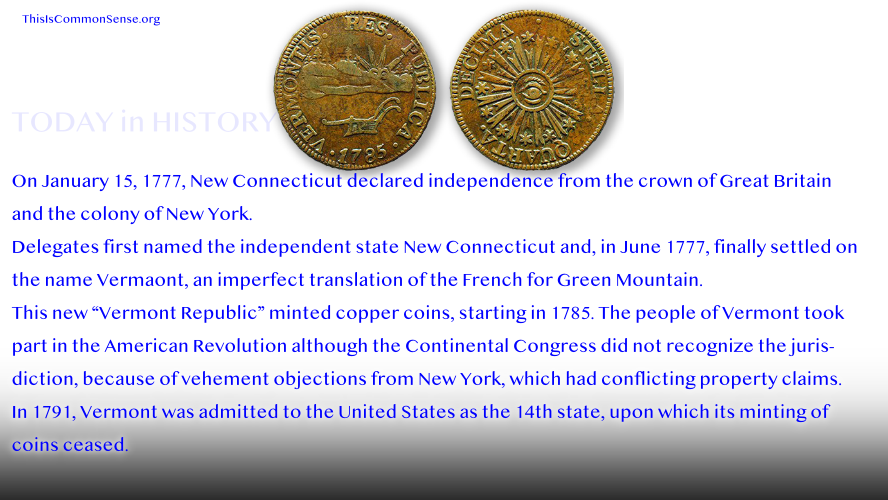
On January 15, 1777, New Connecticut declared independence from the crown of Great Britain and the colony of New York.

Delegates first named the independent state New Connecticut and, in June 1777, finally settled on the name Vermaont, an imperfect translation of the French for Green Mountain.

This new “Vermont Republic” minted copper coins, starting in 1785. The people of Vermont took part in the American Revolution although the Continental Congress did not recognize the jurisdiction, because of vehement objections from New York, which had conflicting property claims.

In 1791, Vermont was admitted to the United States as the 14th state, upon which its minting of coins ceased.

Categories
Today

Against Slavery

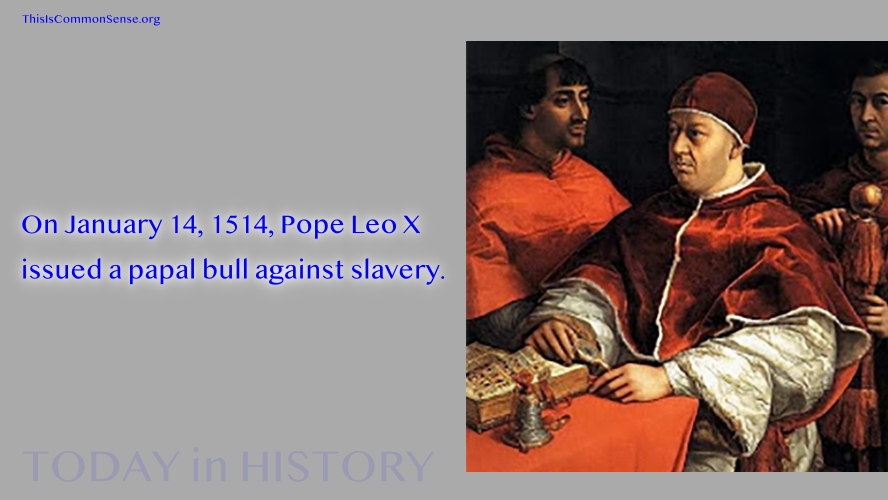
On January 14, 1514, Pope Leo X issued a papal bull against slavery.

On the same date in 1639, the first written constitution to create a government, the “Fundamental Orders,” was adopted in Connecticut.

Categories
Today

Nullification Crisis

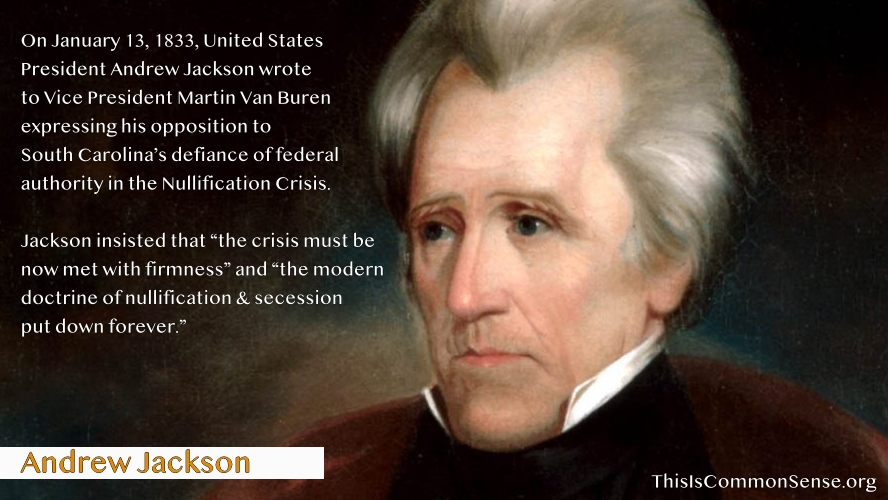
On January 13, 1833, United States President Andrew Jackson wrote to Vice President Martin Van Buren expressing his opposition to South Carolina’s defiance of federal authority in the Nullification Crisis. Jackson insisted that “the crisis must be now met with firmness” and “the modern doctrine of nullification & secession put down forever.”

South Carolina had blamed protectionist high tariffs for the severity of the economic slump of the time, and Andrew Jackson’s compromise Tariff of 1832 was still too much special-interest “protectionism” for South Carolina, which threatened to nullify the law as unconstitutional. Jackson, though he agreed that the tariffs were too high, was still a nationalist at heart, having no sympathy for dissidents in the southern states. (The tariffs were designed by northern politicians to encourage the growth of industry. The belief among most economists of that time was that such high “protective” tariffs favored certain businesses at the expense of the general consumer as well as businesses not under the “protection,” particularly farmers and agricultural producers.) After the crisis subsided, tariffs were further reduced from the 1832 level, much lower than of 1828’s “Tariff of Abominations,” which had been signed into law by President John Quincy Adams — and written mainly by Martin Van Buren as a way to precipitate the election of Jackson.

Since the somewhat ambiguous end to the Nullification Crisis, the doctrine of state prerogatives — “states’ rights” — has been asserted by opponents of the Fugitive Slave Act of 1850, proponents of California’s Specific Contract Act of 1863 (which nullified the Legal Tender Act of 1862), opponents of Federal acts prohibiting the sale and possession of marijuana in the first decade of the 21st century, and opponents of implementation of laws and regulations pertaining to firearms from the late 1900s up to 2013. State opposition to ObamaCare has also recently conjured up the issue.


On January 13, 1898, Émile Zola’s J’accuse exposed the Dreyfus affair.

Categories
Today

Corpsicle

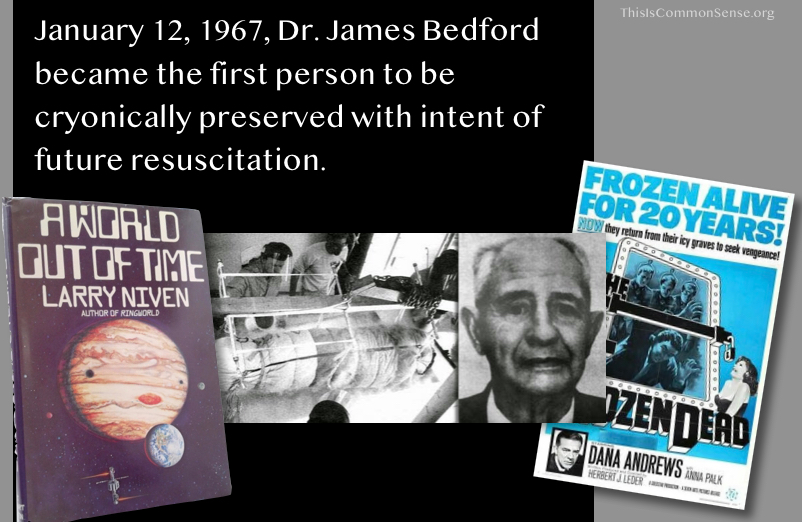
January 12, 1967, Dr. James Bedford became the first person to be cryonically preserved with intent of future resuscitation.

Cryogenic preservation for future revival of brain and somatic function has been a concept often used in science fiction, such as in the 1966 grade B horror film The Frozen Dead and the 1976 novel A World Out of Time — the latter in which author Larry Niven dubs the recipients of such treatment “corpsicles.”

Categories
Today

1/11

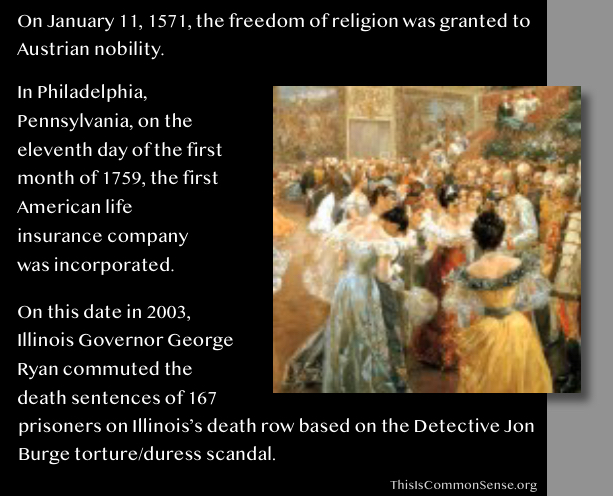
On January 11, 1571, the freedom of religion was granted to Austrian nobility.

Two years earlier, the first recorded lottery in England was held.

In Philadelphia, Pennsylvania, on the eleventh day of the first month of 1759, the first American life insurance company was incorporated.

On January 11, 1935, Amelia Earhart became the first person to fly solo from Hawaii to California.

On this date in 2003, Illinois Governor George Ryan commuted the death sentences of 167 prisoners on Illinois’s death row based on the Jon Burge torture/duress scandal.

Categories
Today

The First ‘Common Sense’

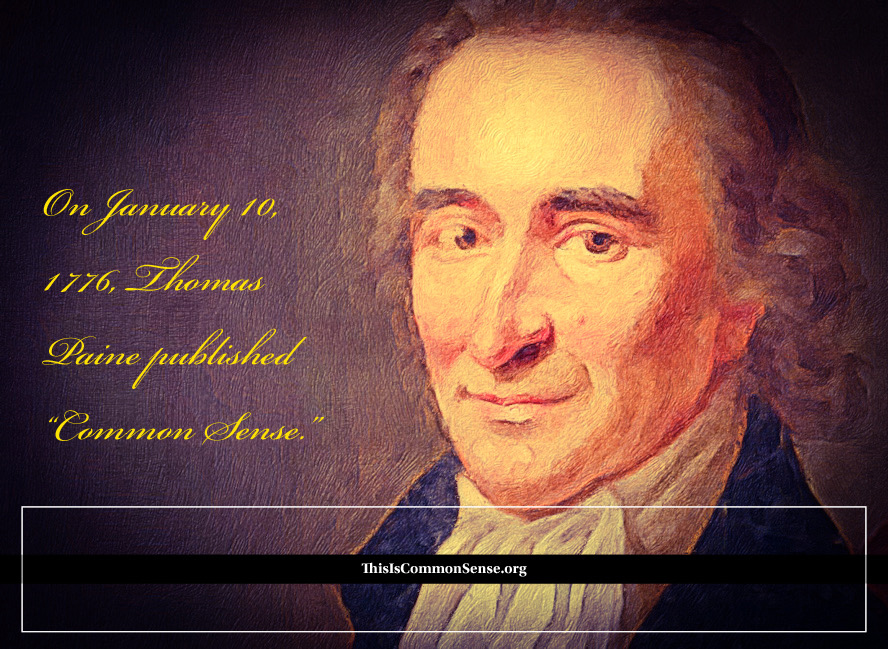
On January 10, 1776, Thomas Paine published Common Sense.

You can read this classic on this site’s library.