On August 21, 1791, a Vodou ceremony led by Dutty Boukman turned into a violent slave rebellion, thereby starting the Haitian Revolution.
Categories
Haitian Revolution
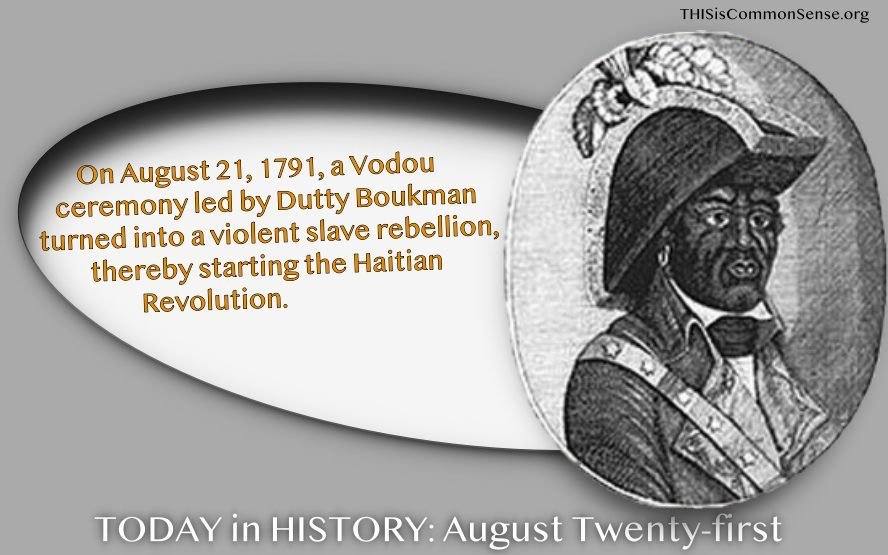
On August 21, 1791, a Vodou ceremony led by Dutty Boukman turned into a violent slave rebellion, thereby starting the Haitian Revolution.

On August 20, 1866, President Andrew Johnson formally declared the American Civil War over.
On August 19, 1919, Afghanistan gained full independence from Great Britain. Earlier, British attempts to maintain an imperial presence in this region elicited an infamous essay in protest by English sociologist and anti-imperialist Herbert Spencer (pictured), “Patriotism” (Facts and Comments, 1902).
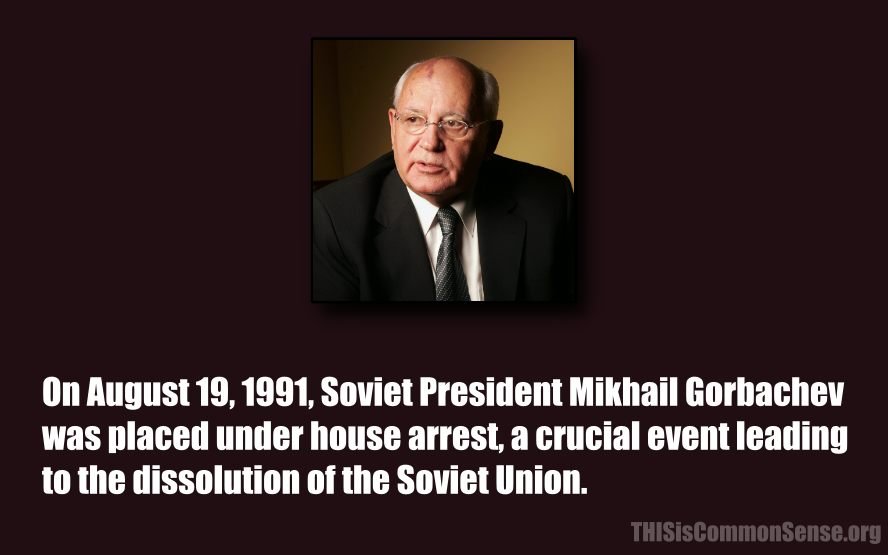
On this day in 1991, Soviet President Mikhail Gorbachev was placed under house arrest, a crucial event leading to the dissolution of the Soviet Union.
In 1999, a mass rally of Serbians demanded the resignation of Slobodon Milosevic.
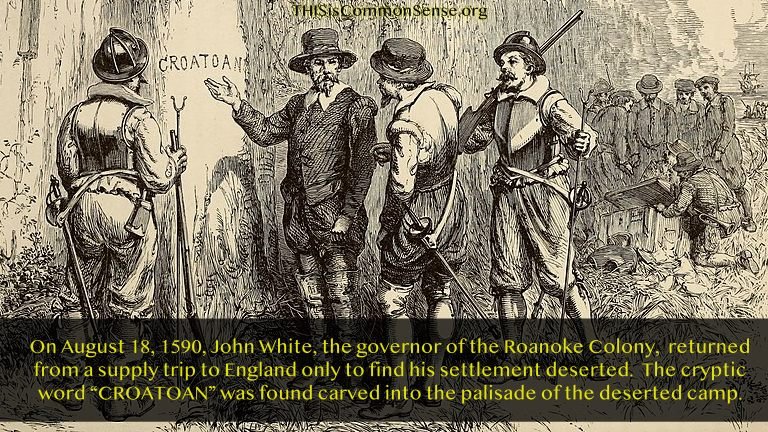
August 18, 1590, John White, the governor of the Roanoke Colony, returned from a supply trip to England only to find his settlement deserted. The cryptic word “CROATOAN” was found carved into the palisade of the deserted camp.
On August 18, 1920, the Nineteenth Amendment to the United States Constitution was ratified, guaranteeing women’s suffrage.
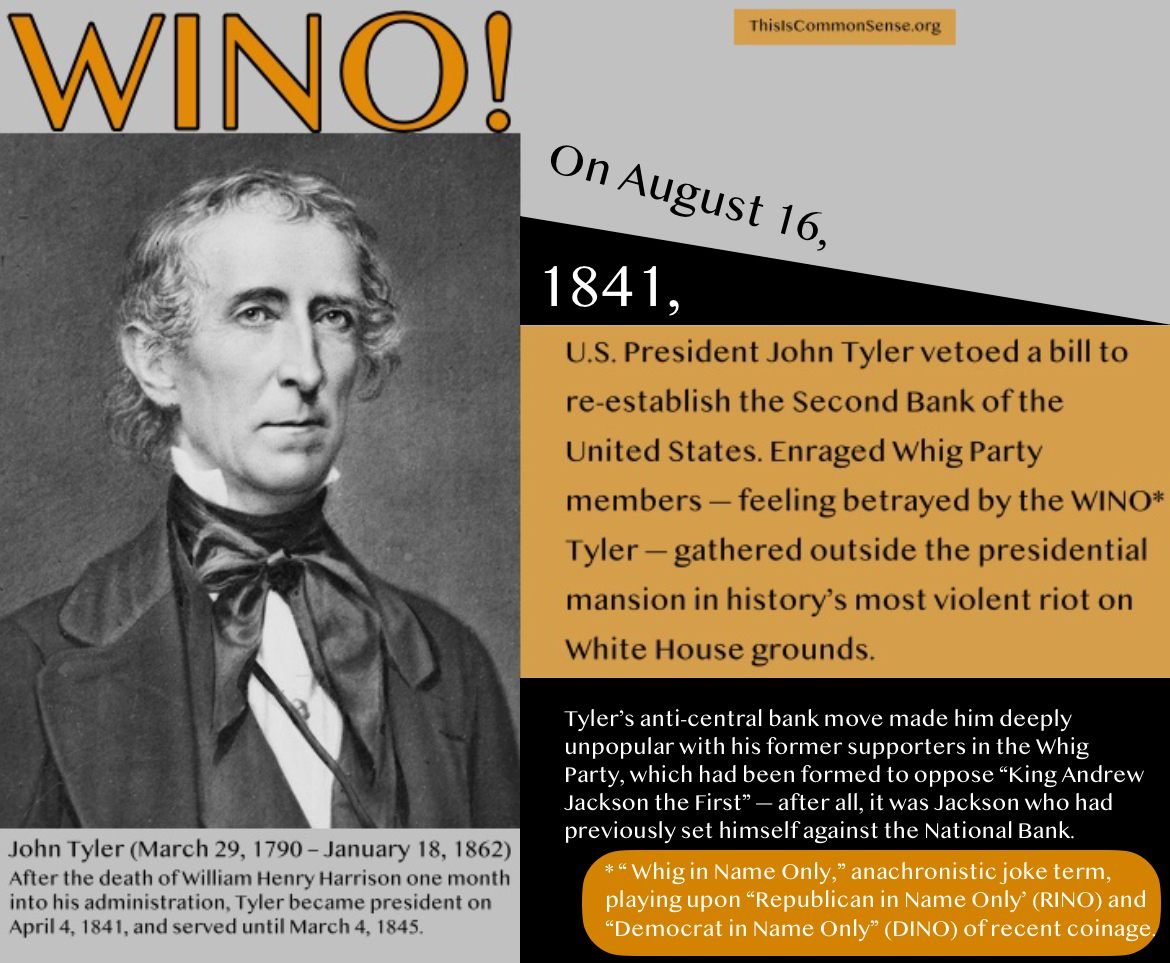
On August 16, 1841, U.S. President John Tyler vetoed a bill to re-establish the Second Bank of the United States. This made him deeply unpopular with his former supporters in the Whig Party — which was the party of “internal improvements” as well as an anti-Jacksonian party, and Andrew Jackson had previously set himself against central banking. It is apparent that Tyler did this because he had come to believe a central bank was unconstitutional.
We have a central bank, now, of course. It is called the Federal Reserve.
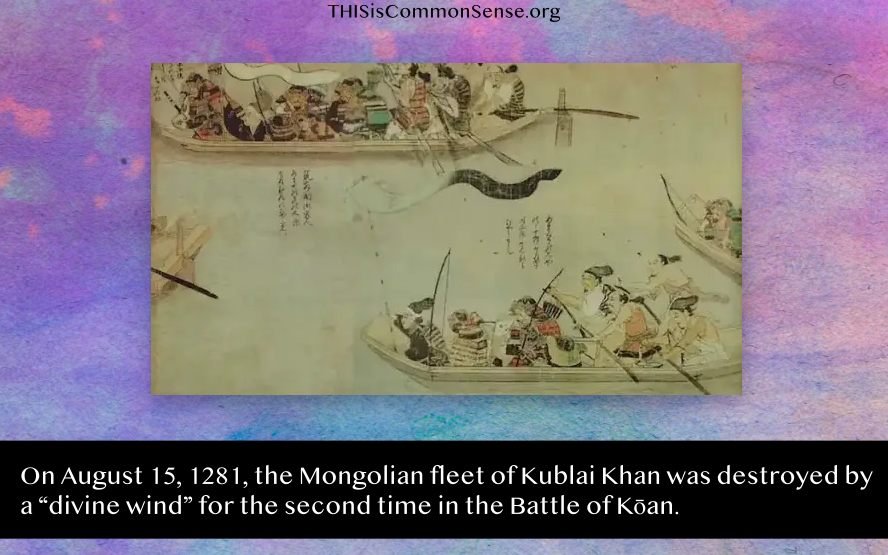
On August 15, 1281, the Mongolian fleet of Kublai Khan was destroyed by a “divine wind” for the second time in the Battle of Kōan.
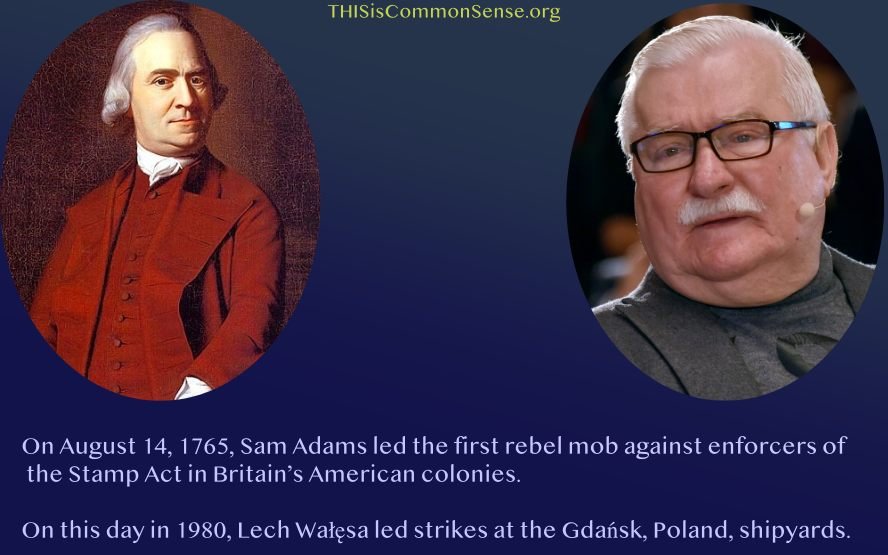
On August 14, 1765, Sam Adams led the first rebel mob against enforcers of the Stamp Act in Britain’s American colonies.
On this day in 1980, Lech Wałęsa led strikes at the Gdańsk, Poland, shipyards.

On August 13, 1831, Nat Turner witnessed a solar eclipse, which he interpreted as a sign from God. Eight days later he and 70 other slaves killed approximately 55 whites in Southampton County, Virginia.
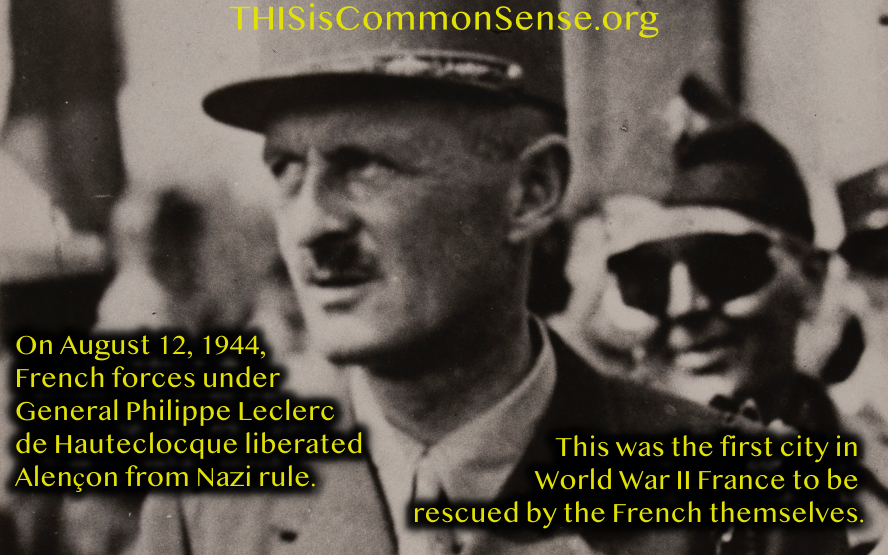
On August 12, 1944, French forces under General Philippe Leclerc de Hauteclocque liberated Alençon from Nazi rule — the first city in World War II France to be rescued by the French themselves.