On May 10, 1872, Victoria Woodhull became the first woman nominated for President of the United States.
In a landmark Supreme Court decision on May 10, 1893, the tomato was ruled a vegetable, not a fruit.

On May 10, 1872, Victoria Woodhull became the first woman nominated for President of the United States.
In a landmark Supreme Court decision on May 10, 1893, the tomato was ruled a vegetable, not a fruit.
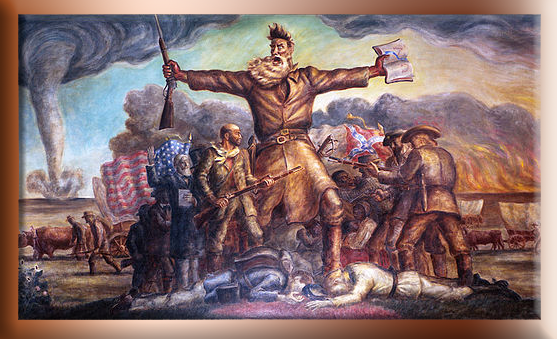
On May 9, 1800, abolitionist revolutionary (and, technically, terrorist) John Brown was born.
In 1883 on this date, Spanish philosopher José Ortega y Gasset was born.
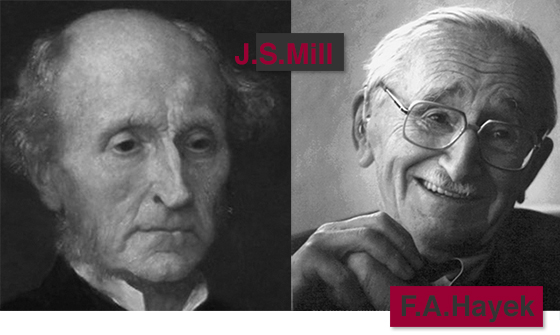
On May 8, 1899, Austrian-English economist and philosopher Friedrich August von Hayek was born. He signed the bulk of his books written in the English language as “F.A. Hayek,” and is best known for The Road to Serfdom, The Constitution of Liberty, The Fatal Conceit, and many essays, several of them which are widely cited, including “Individualism, True and False” and “The Use of Knowledge in Society.”
Years earlier, on the same date in 1873, English philosopher and economist John Stuart Mill died. Now best known for On Liberty and Utilitarianism, Mill’s letters to his wife were edited into book form by Hayek.
On May 8, 1946, two Estonian school girls (Aili Jõgi and Ageeda Paavel) blew up the Soviet memorial which stood in front of the Bronze Soldier in Tallinn.
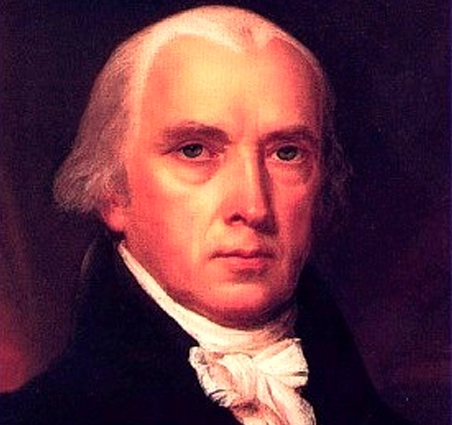
On May 7, 1992, the State of Michigan ratified a 203-year-old proposed amendment to the United States Constitution, thereby fulfilling the terms of amending the document, adding it as 27th Amendment. The amendment had been written by James Madison. He had presented it as part of the original twelve amendments that became the ten making up the Bill of Rights. It bars the U.S. Congress from giving itself a pay raise until after the next election, so that voters have a chance to decide whether those voting for the raise would remain in Congress to receive it.
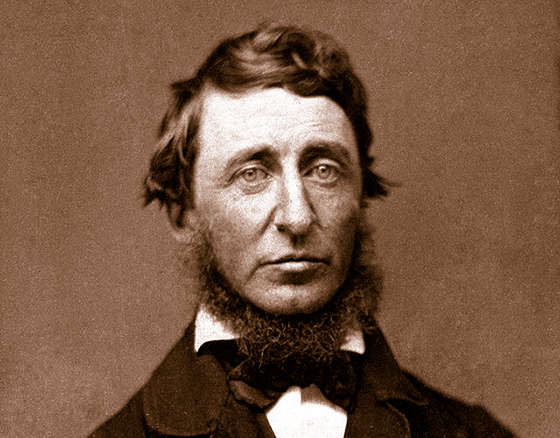
On May 6, 1862, American author, philosopher and abolitionist Henry David Thoreau died, after many years of tuberculosis.
Aware he was dying, Thoreau’s last words were “Now comes good sailing,” followed by two lone words, “moose” and “Indian.” Bronson Alcott planned the service and read selections from Thoreau’s works, and Ralph Waldo Emerson wrote the eulogy spoken at his funeral.
His remains, as well as those of members of his immediate family, were eventually moved to Sleepy Hollow Cemetery in Concord, Massachusetts.
His most famous works are Walden and An Essay on Civil Disobedience.

In 1862, troops led by Ignacio Zaragoza stopped a French invasion in the Battle of Puebla in Mexico — an event leading to the popular “Cinco de Mayo” celebration.
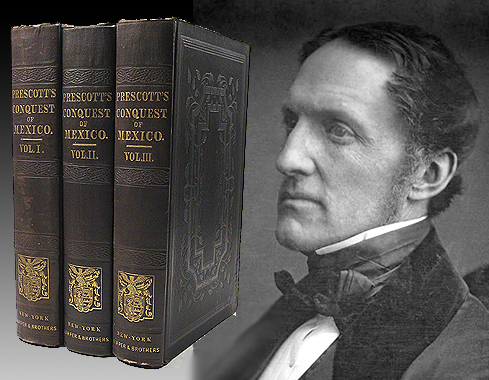
On May 4, 1796, American historian William H. Prescott was born. Prescott’s History of the Conquest of Mexico and his Conquest of Peru remain classic works of well-researched, “scientific history.” Prescott, Arizona, was named in his honor.
In 1791, the Constitution of May 3, the first modern constitution in Europe, was proclaimed by the Sejm of the Polish–Lithuanian Commonwealth.
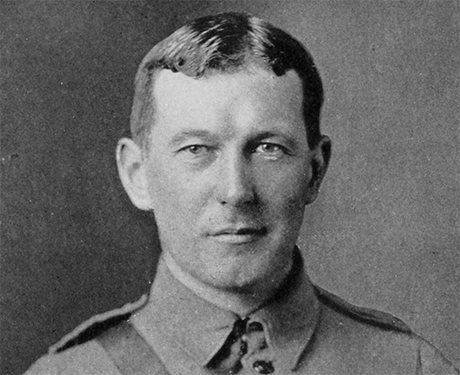
On May 3 in 1915, Lieutenant Colonel John McCrae composed the poem “In Flanders Fields.”
In Flanders fields the poppies blow
Between the crosses, row on row,
That mark our place; and in the sky
The larks, still bravely singing, fly
Scarce heard amid the guns below.We are the Dead. Short days ago
We lived, felt dawn, saw sunset glow,
Loved and were loved, and now we lie
In Flanders fields.Take up our quarrel with the foe:
To you from failing hands we throw
The torch; be yours to hold it high.
If ye break faith with us who die
We shall not sleep, though poppies grow
In Flanders fields.
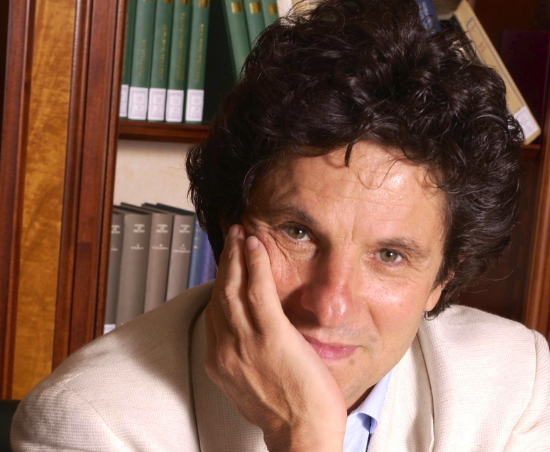
The tragedy of fascism and Nazism should have taught us that totalitarianism establishes itself through banal men, and the true antidote is a religion that prevents one from adoring men who pretend to be gods, for it teaches us to love instead the inner God of moral conscience, and to defend liberty with absolute devotion.
Maurizio Viroli, As If God Existed: Religion and Liberty in the History of Italy (Princeton University Press, 2012).
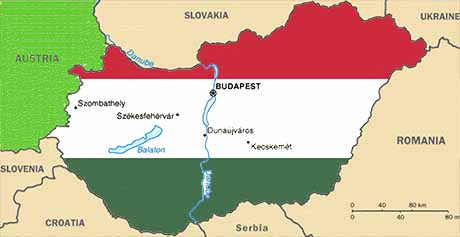
On May 2, 1989, Hungary began dismantling its border fence with Austria, allowing a number of East Germans to defect.