On June 14, 1777, U.S. Congress adopted the Stars and Stripes as the United States Flag.
Categories
Stars and Stripes
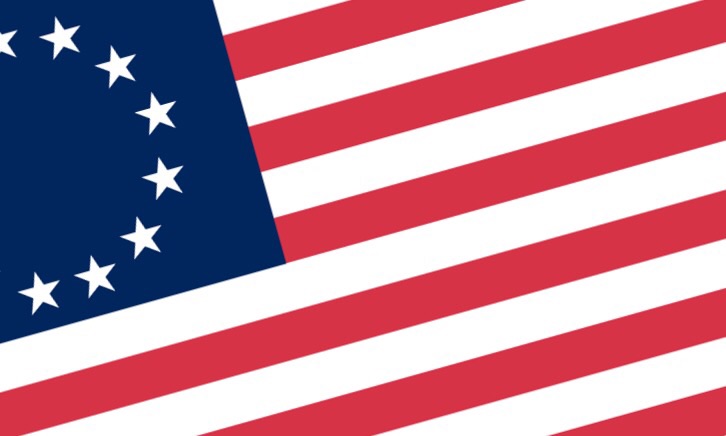
On June 14, 1777, U.S. Congress adopted the Stars and Stripes as the United States Flag.
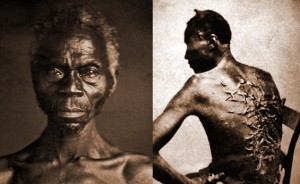
On June 13, 1774, Rhode Island became the first British colony in the Americas to prohibit the importation of slaves.
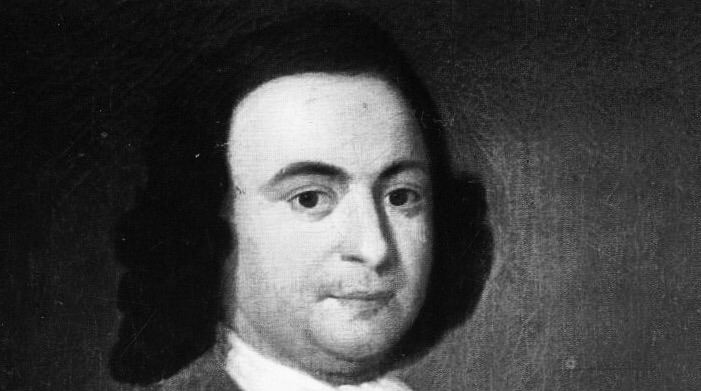
In 1776, on June 12, the Fifth Virginia Convention at Williamsburg, Virginia, unanimously adopted a Declaration of Rights, several weeks prior to the adoption of the state’s constitution. George Mason (pictured above), who drafted the document, stated clearly in the preamble that rights must be “the basis and foundation of Government.”
The first four planks run as follows:
I. That all men are by nature equally free and independent, and have certain inherent rights, of which, when they enter into a state of society, they cannot, by any compact, deprive or divest their posterity; namely, the enjoyment of life and liberty, with the means of acquiring and possessing property, and pursuing and obtaining happiness and safety.
II. That all power is vested in, and consequently derived from, the people; that magistrates are their trustees and servants, and at all times amenable to them.
III. That government is, or ought to be, instituted for the common benefit, protection, and security of the people, nation or community; of all the various modes and forms of government that is best, which is capable of producing the greatest degree of happiness and safety and is most effectually secured against the danger of maladministration; and that, whenever any government shall be found inadequate or contrary to these purposes, a majority of the community hath an indubitable, unalienable, and indefeasible right to reform, alter or abolish it, in such manner as shall be judged most conducive to the public weal.
IV. That no man, or set of men, are entitled to exclusive or separate emoluments or privileges from the community, but in consideration of public services; which, not being descendible, neither ought the offices of magistrate, legislator, or judge be hereditary.
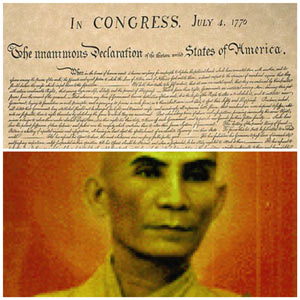
On June 11, 1776, the Continental Congress appointed John Adams, Benjamin Franklin, Thomas Jefferson, Robert R. Livingston, and Roger Sherman to draft a declaration of independence from Great Britain.
In 1963, Thich Quang Duc, a Buddhist monk, doused himself with gasoline and set himself aflame in a busy Saigon intersection as a protest against South Vietnam’s lack of religious freedom.
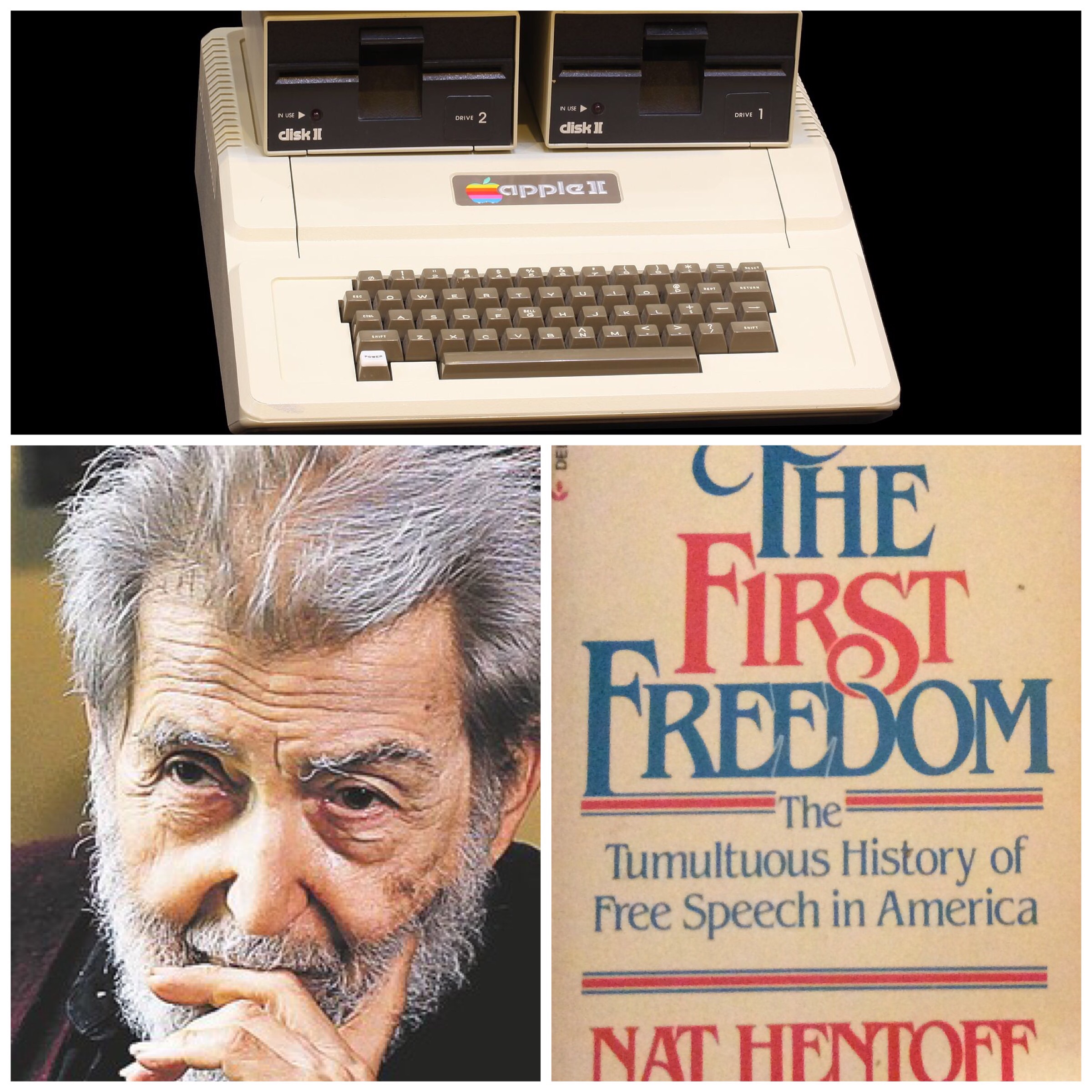
Born on this day: historian, jazz critic and civil libertarian Nathan Irving Hentoff (1925); children’s writer Maurice Sendak (1929); scientist and pioneer of “sociobiology,” E. O. Wilson (1929).
Hentoff wrote several works on the history and nature of free speech in America, including The First Freedom (1980). Sendak is most famous for Where the Wild Things Are (1963). Wilson’s many books include Consilience: The Unity of Knowledge (1998).
Apple shipped the first Apple II computer on June 10, 1977. It was typographically styled as the “Apple ][” and the series continued long after the specific II model was superseded by the Apple II Plus and was discontinued in 1981. The last II-series Apple in production, the IIe card for Macintoshes, was discontinued on October 15, 1993.
Sendak died in 2012, Hentoff in 2017, while Wilson died on December 26, 2021.
Roman Emperor Nero committed suicide on this day in June, 68 AD, ending Rome’s Julio-Claudian Dynasty, later written about with verve by Suetonius and Robert Graves. Assisting in his suicide was his secretary, Epaphroditus, whom Domitian had executed over 20 years later — for failure to prevent the suicide of the emperor.
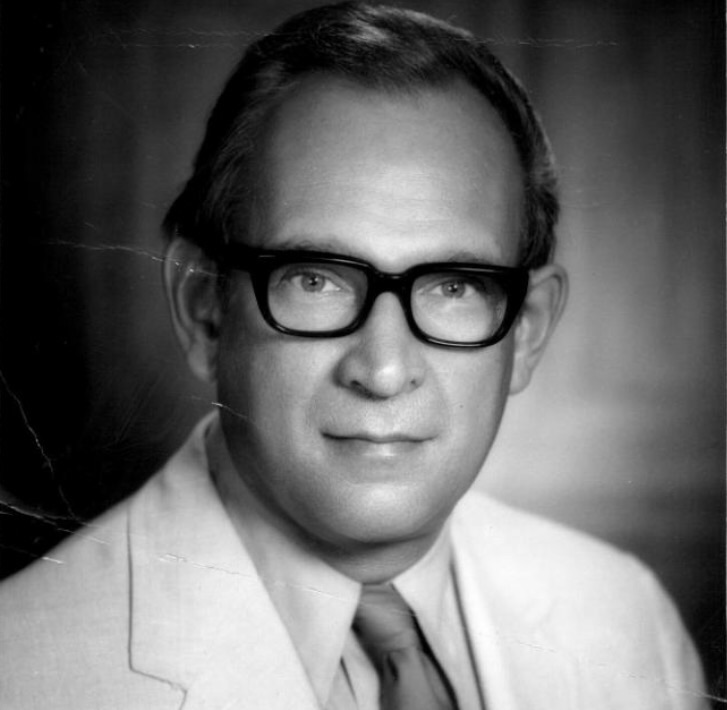
Also on June 9, James Oglethorpe received a charter from the British crown to start the Georgia colony (1732); William Jennings Bryan resigned his position as Secretary of State under Woodrow Wilson, disgusted over the handling of the sinking of the Lusitania (1915); philosopher John Hospers (pictured) — who would go on to run as a Libertarian candidate for the U.S. presidency in 1972 — was born in 1918.
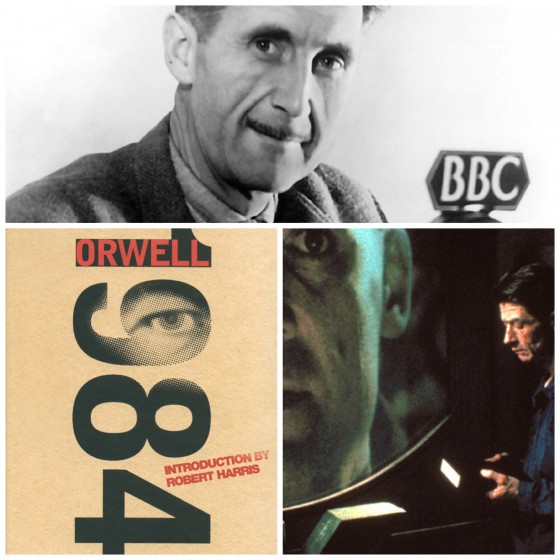
On June 8, 1949, George Orwell’s dystopian novel Nineteen Eighty-Four was published.
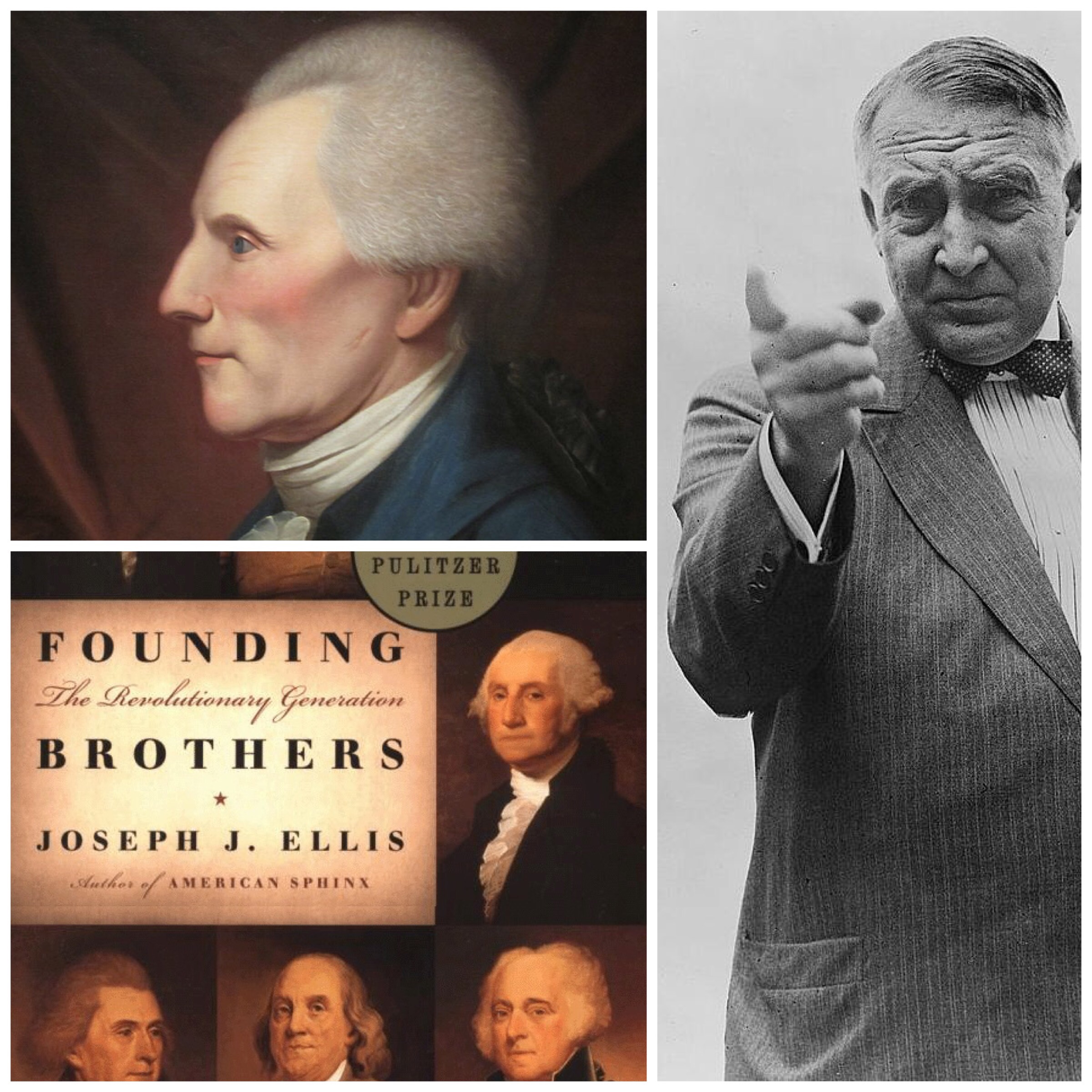
On June 7, 1776, Richard Henry Lee presented the “Lee Resolution” to the Continental Congress. The motion was seconded by John Adams, but was tabled for several weeks. The motion was finally passed on July 2, 1776.
During the 1916 Republican National Convention (June 7 – 10), Senator Warren G. Harding used the phrase “Founding Fathers” in his keynote address . . . and would go on using it in speeches thereafter. It caught on as a eulogistic way to refer to figures such as Thomas Jefferson and, yes, Richard Henry Lee, who orchestrated the American colonies’ break from England’s imperial monarchy.
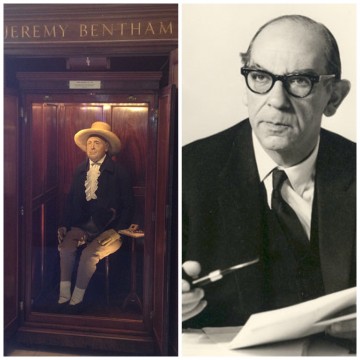
June 6 marks major life events of two eminent British philosophers, Jeremy Bentham’s death* (1832) and Isaiah Berlin’s birth (1909).
Bentham was known as a “philosophical radical” and a major influence on the British utilitarian tradition. He authored numerous books, including Defence of Usury (1787) and An Introduction to the Principles of Morals and Legislation (1789). Bentham started out advocating for laissez faire, became obsessed with his own specially designed prison design, the Panopticon, and argued for feminism and animal rights in public but kept his defense of homosexual rights private, to be published long after his death. His treatise on ethics, Deontology: Or, the Science of Morality, in Which the Harmony and Co-incidence of Duty and Self-Interest, Virtue and Felicity, Prudence and Benevolence, Are Explained and Exemplified, was published from his manuscripts two years after his death.
Berlin was best known for several dozen brilliant essays, including the famous, much-quoted “The Hedgehog and the Fox” (a study of Leo Tolstoy) and “Two Concepts of Liberty.”
* Pictured is his remains as housed in a special “closet” in the London Academy. Bentham specified this in his will, and he called this manner of posthumous presentation an “auto-icon.”
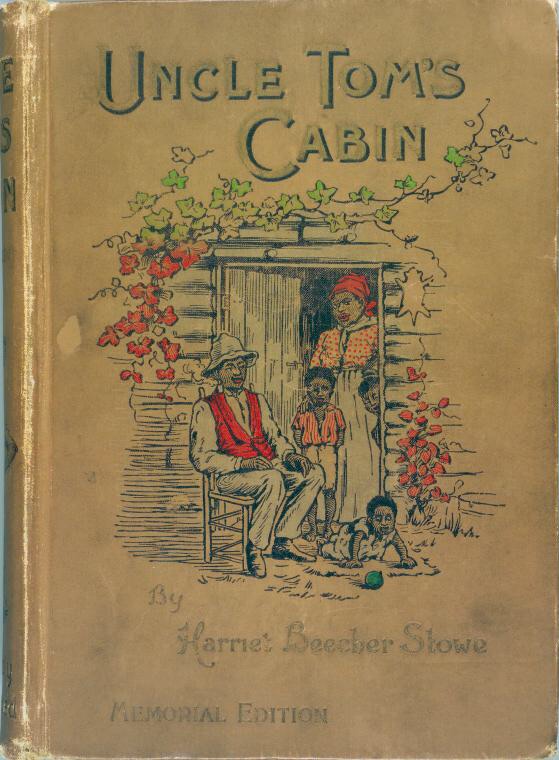
On June 5, 1851, Harriet Beecher Stowe’s anti-slavery serial, Uncle Tom’s Cabin, or Life Among the Lowly, started its ten-month run in the National Era abolitionist newspaper.