Cranks are a byproduct of free thought and a consequence of liberation from orthodoxies.
Michael Malice, The New Right: A Journey to the Fringe of American Politics (2019), p. 5.
Categories
Michael Malice

Cranks are a byproduct of free thought and a consequence of liberation from orthodoxies.
Michael Malice, The New Right: A Journey to the Fringe of American Politics (2019), p. 5.
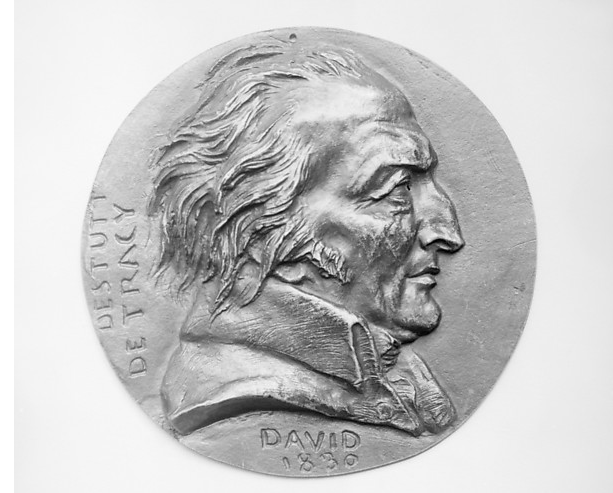
Society is purely and solely a continual series of exchanges. It is never anything else, in any epoch of its duration, from its commencement the most unformed, to its greatest perfection. And this is the greatest eulogy we can give to it, for exchange is an admirable transaction, in which the two contracting parties always both gain; consequently society is an uninterrupted succession of advantages, unceasingly renewed for all its members.

There is nothing which a prudent man must shun more carefully than living with a view to popularity and giving serious thought to the things esteemed by the multitude, instead of making sound reason his guide of life, so that, even if he must gainsay all men and fall into disrepute and incur danger for the sake of what is honourable, he will in no wise choose to swerve from what has been recognized as right.
St. Basil of Caesarea, On Greek Literature
There’s plenty of money in this country, it’s just in the wrong hands.
New York Mayor Bill di Blasio, presidential campaign ad.
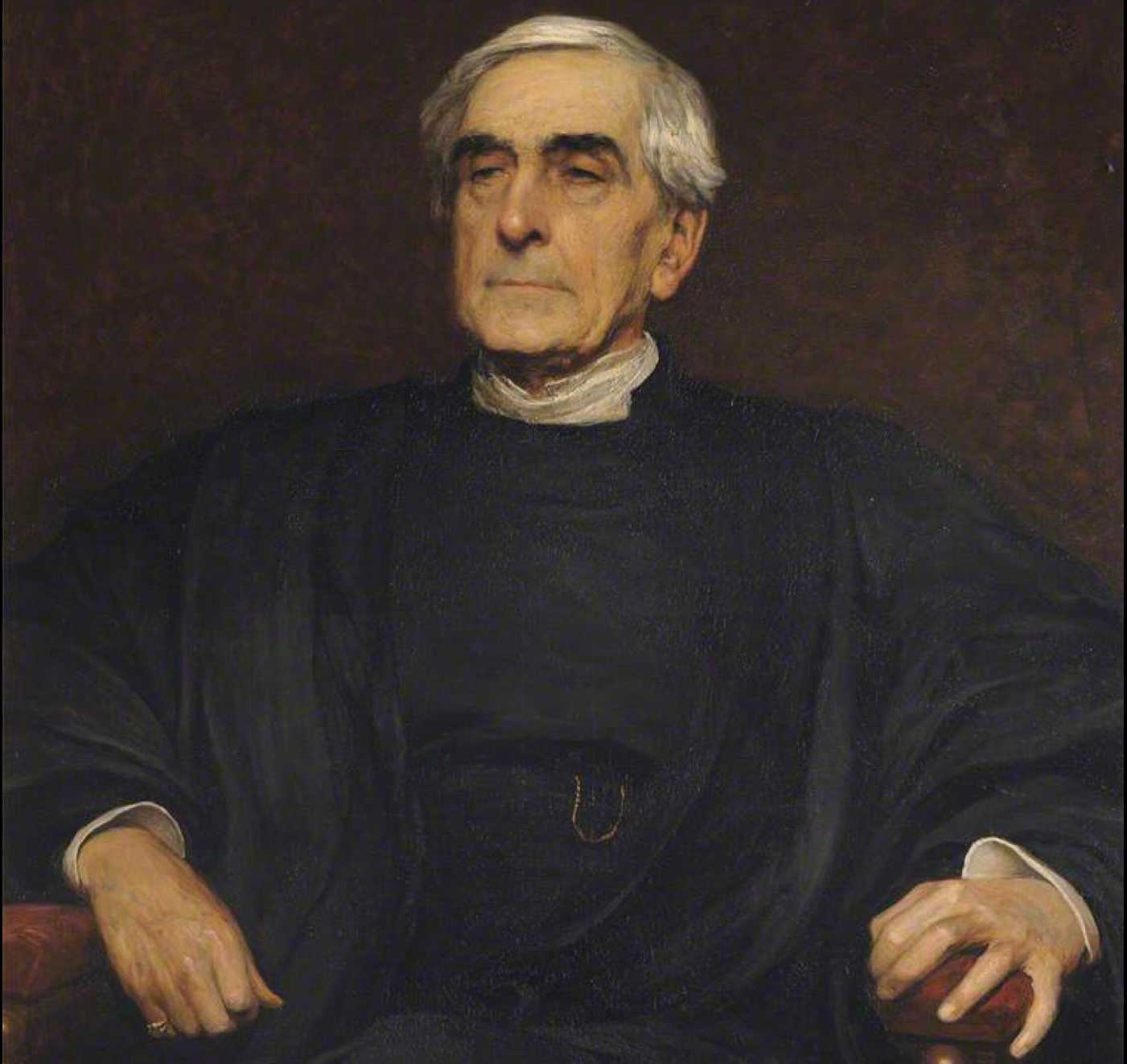
We are none of us infallible, not even the youngest of us.
William Hepworth Thompson (1819–1886), attributed in Collections and Recollections by George W. E. Russell (1898) and also in Trinity College An Historical Sketch by G.M. Trevelyan (1943).
There are philosophers who have given their minds to the phenomenon of disregard of laws and have sought out its causes. Much more surprising, however, is the opposite phenomenon of respect for laws and deference to authority. . . . It is as true today as it was ten thousand years ago that a Power from which the magic virtue has gone out, falls.
Bertrand de Jouvenel, On Power
One thing I hate about the New Deal is that it is killing what, to me, is the American pioneering spirit. I simply do not know what to tell my own boys, leaving school and confronting this new world whose ideal is Security and whose practice is dependence upon government instead of upon one’s self. . . . All the old character-values seem simply insane from a practical point of view; the self-reliant, the independent, the courageous man is penalized from every direction.
Rose Wilder Lane, Journal entry (April 15, 1937), as quoted in The Ghost in the Little House, ch. 14, by William V. Holtz (1993)
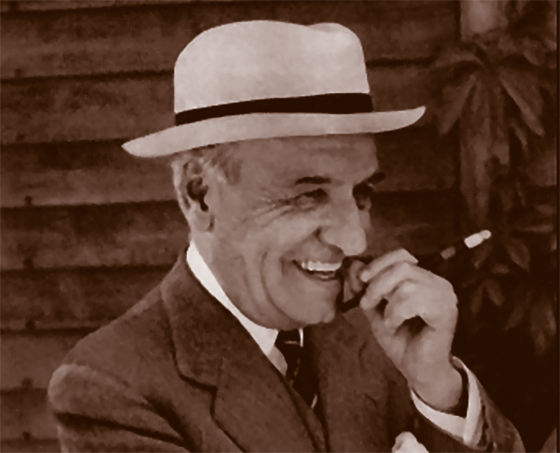
José Ortega y Gasset (May 9, 1883 – October 18, 1955), Man and Crisis (1962), p. 94.
Tell me to what you pay attention and I will tell you who you are.
People now have more information, and they are smarter, overall, as a consequence — even in those ways they choose to be dumb.
Thomas M. Disch, The Dreams Our Stuff Is Made Of: How Science Fiction Conquered the World (1998), p. 226.
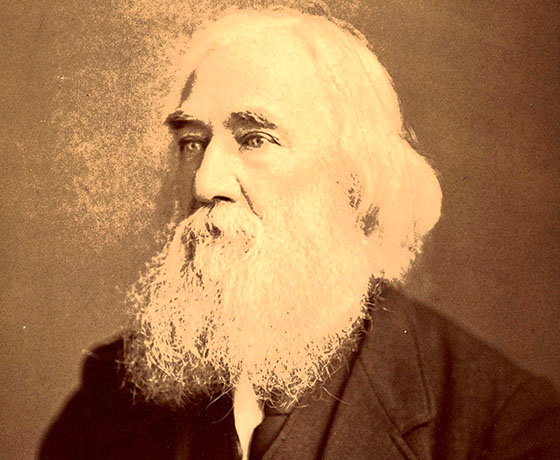
Unless this clear distinction between vices and crimes be made and recognized by the laws, there can be on earth no such thing as individual right, liberty, or property; no such things as the right of one man to the control of his own person and property, and the corresponding and co-equal rights of another man to the control of his own person and property.
Lysander Spooner, “Vices Are Not Crimes,” anonymously in Prohibition a Failure: Or, the True Solution of the Temperance Question (1875), by Dio Lewis.