Nothing increases the number of jobs so rapidly as labor-saving machinery, because it releases wants theretofore unknown, by permitting leisure.
Categories
Isabel Paterson
Nothing increases the number of jobs so rapidly as labor-saving machinery, because it releases wants theretofore unknown, by permitting leisure.
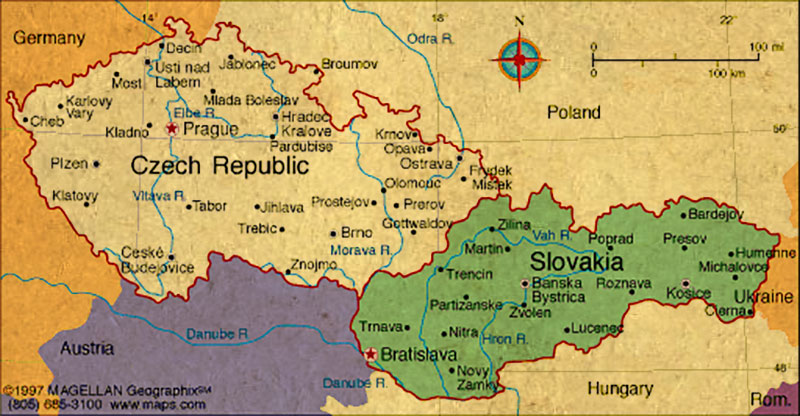
November 25, 1975, Suriname gained independence from the Netherlands.
On the same month and date 17 years later, the Federal Assembly of Czechoslovakia voted to split the country into the Czech Republic and Slovakia (officially disjoined as of January 1, 1993). This split has been called “The Velvet Divorce” (following, in style and method, “The Velvet Revolution”).
November 24th marks the birthdays of philosopher Baruch Spinoza (1632) and three influential Americans: ragtime composer Scott Joplin (1868), self-help writer Dale Carnegie (1888), and conservative editor, writer, and television personality William F. Buckley Jr. (1925).
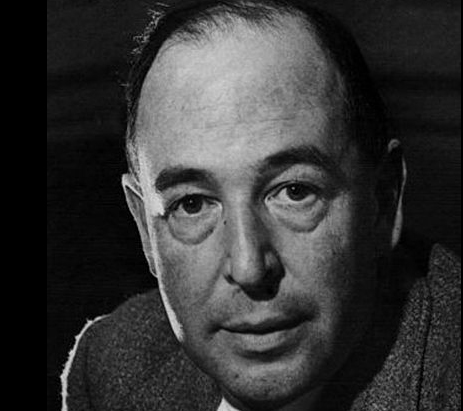
“The only people who object to escapism are jailers.”
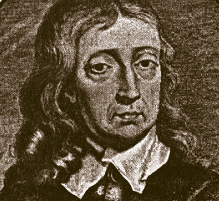
On November 23, 1644, British poet John Milton published Areopagitica, a pamphlet decrying censorship.
Peace is not an absence of war, it is a virtue, a state of mind, a disposition for benevolence, confidence, justice.
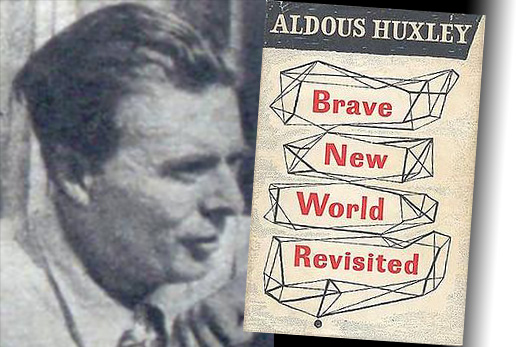
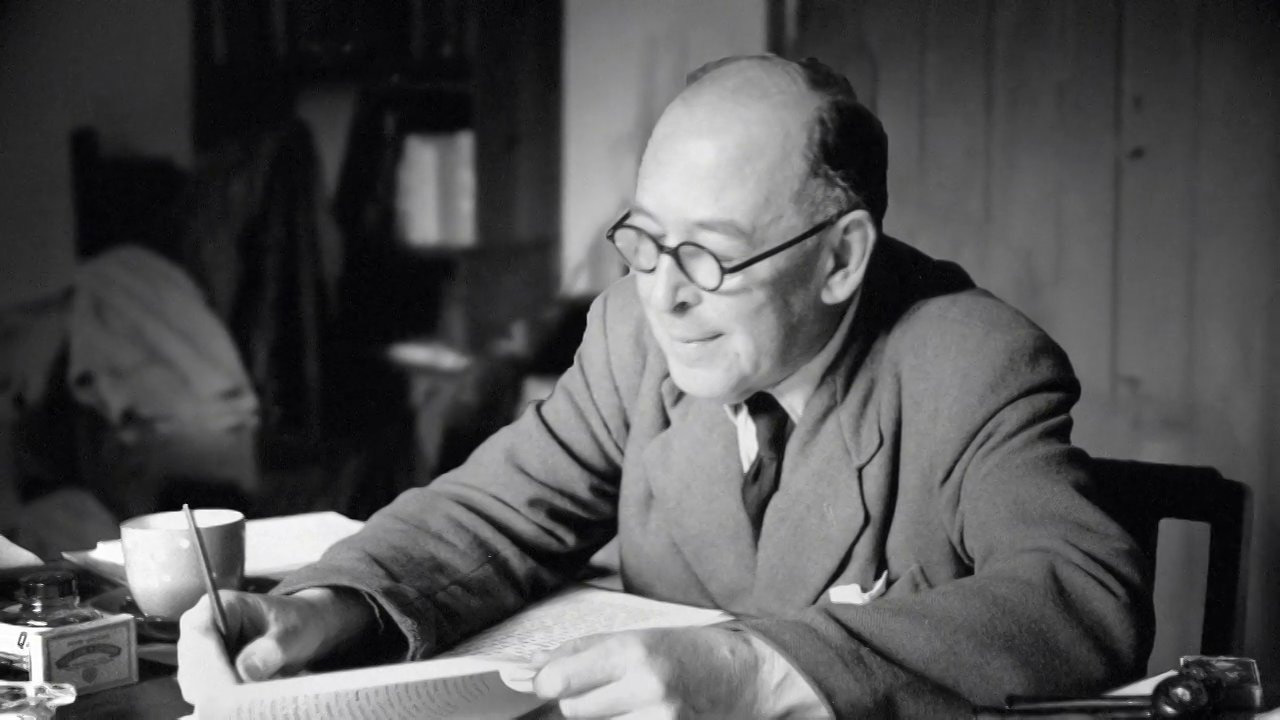
November 22 marks the death dates of a number of eminent writers, including that of English-American novelist and essayist Aldous Huxley and Irish-English novelist, theologian and medieval scholar C.S. Lewis, both of whom died in 1963, the same day as the assassination of American President John F. Kennedy. British novelist Anthony Burgess died exactly 30 years later.
The date also marks the birth of the great British novelist George Eliot (Mary Ann Evans), in 1819.
Recommended reading from these authors include:
Silas Marner (1861), a short and brilliant novel by George Eliot. Her most generally esteemed classic is the much longer Middlemarch (1872).
Earthly Powers (1980), a massive novel about life in the 20th century, by the ever-iconoclastic and hard-to-pin-down Anthony Burgess. His most famous novel is undoubtedly A Clockwork Orange (1963).
“The Humanitarian Theory of Punishment” (1949) and Till We Have Faces (1956), the former being C.S. Lewis’s thoughtful essay on the nature of modern tyranny, and the latter being what some regard his best fiction effort, a retelling of the Psyche myth. He is most famously known for The Screwtape Letters (1942) and The Chronicles of Narnia (1950-1956).
Brave New World (1931) and Brave New World Revisited (1958), the former is Aldous Huxley’s classic dystopian satire on technological tyranny, and the latter is the author’s survey of the issues raised by — and the degrees to which reality conforms to — his earlier fictional prophecy. The two books have been printed under one cover as well as separately.
We laugh at honor and are shocked to find traitors in our midst.
On November 21, 1620, Plymouth Colony settlers signed the Mayflower Compact.
On this day in 1922, Rebecca Latimer Felton of Georgia took the oath of office, becoming the first female United States Senator.
November 21st birthdays include:
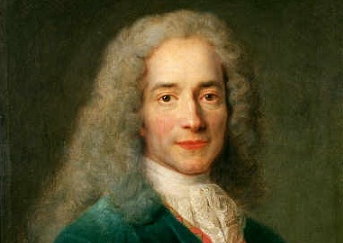
1694 – Voltaire, French philosopher (d. 1778) — portrait above
1729 – Josiah Bartlett, American signer of the Declaration of Independence (d. 1795)
1870 – Alexander Berkman, anarchist (d. 1936), who shot but did not kill industrialist Henry Clay Frick
A watchful eye must be kept on ourselves lest while we are building ideal monuments of Renown and Bliss here we neglect to have our names enrolled in the Annals of Heaven.