On August 11, 1972, the last of American ground combat troops exited South Vietnam.

On August 11, 1972, the last of American ground combat troops exited South Vietnam.
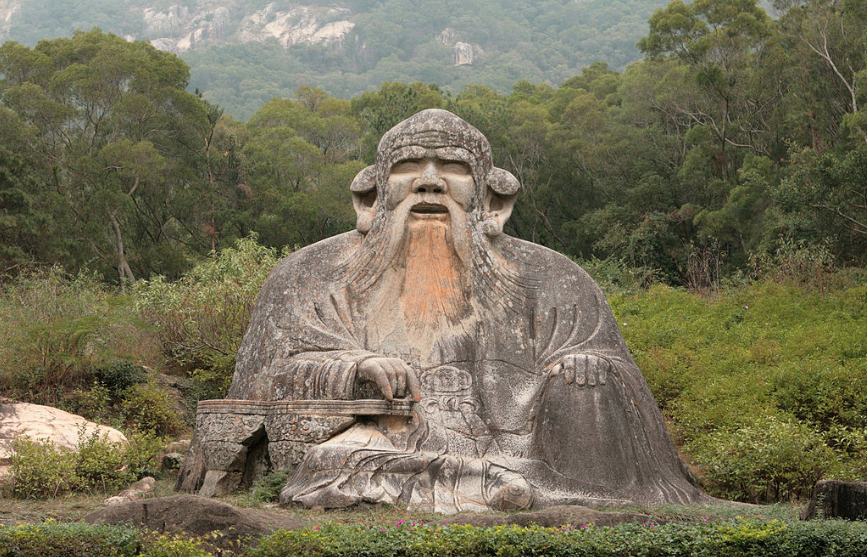
A leader is best when people barely know that he exists,
Lao Tzu, Tao Te Ching, chapter 17.
not so good when people obey and acclaim him,
worst when they despise him.
Fail to honor people,
They fail to honor you.
But of a good leader, who talks little,
when his work is done, his aims fulfilled,
they will all say,
‘We did this ourselves.’

Long I have criticized the Washington, DC, Metro — the transit authority in our nation’s imperial capital — most recently in March. But I am foursquare in support of the government body’s recent hazard warning: “Only take Metro if you have no other option.”
Good general principle.
But what’s the particular occasion? There will be “Major 24/7 Construction Activity” for 15 days in mid-August. The service is advising usage of buses and even freely-provided shuttle services to compensate for commuters stuck in the repairs.
Christian Britschgi, writing at Reason, actually dared ride one embattled line. He found what you might expect: a long history of lazy, perverse incompetence at Metro, bordering on corruption. When concrete started falling from the ceiling at one station in 2016, “an internal investigation . . . uncovered Metro safety inspectors at the station had taken to just cutting and pasting positive evaluations from prior year reports instead of actually checking for damage in some hard-to-reach areas of the station,” Britschgi explains
This is the kind of thing you expect to find in government. Why? Because we don’t allow government projects to go under, even after repeated and massive failures. Ignominy.
Should we be shocked, though? No. Spectacular non-success is close enough for government work. Markets work better because of important communication via profit and loss. Without that stick of loss, governments just take our taxes as their carrot.
Not a whole lot rides on actually serving riders.
This is Common Sense. I’m Paul Jacob.

An appeal is when you ask one court to show its contempt for another court.

On August 10, 1809, Ecuadorans attempted independence from Spain with the Declaration of Independence of Quito, but failed with the execution of all the conspirators a few days less than a year later.
Independence finally occurred in 1822.

Having the federal government centrally plan the economy is “a huge waste of everyone’s time and resources” states an amazingly common-sensical Washington Post editorial.
“In a well-functioning modern economy, businesses are generally free to buy and sell the things they need, absent a compelling public need for government intervention,” the editors further expound.
Hmmm, a capitol-town rag that regularly extols the virtues of big government regulation of everything now notices the importance of freedom.
Of avoiding, especially, a system where bureaucrats and other government bullies micromanage commerce.
“Were we directed from Washington when to sow and when to reap,” Thomas Jefferson wrote long ago, “we should all want for bread.”
And aluminum.
“Worse,” the Post argues, the system “also politicizes — and, indeed, corrupts — economic life. Companies that feel threatened by any particular tariff exclusion request have the right to present their objections to the Commerce Department, meaning that each decision represents a high-stakes competition for federal favor between at least two companies with every incentive to influence it through lobbying, campaign contributions, you name it.”
Correct. It seems we may have Donald Trump to thank for opening the Post’s eyes.
“[T]he way to get ahead in Mr. Trump’s economy,” those editors conclude, “is not making better products for the people, but making better connections in Washington.”
Tragically true.
But, sadly, true long before Mr. Trump entered the White House. No new powers have been given to Trump.
Let’s drain the stinking Washington swamp. Let’s end the corrupting influence of a regulatory state run amok. Let’s limit the power of the people wielding political power.
How?
Free the markets!
This is Common Sense. I’m Paul Jacob.

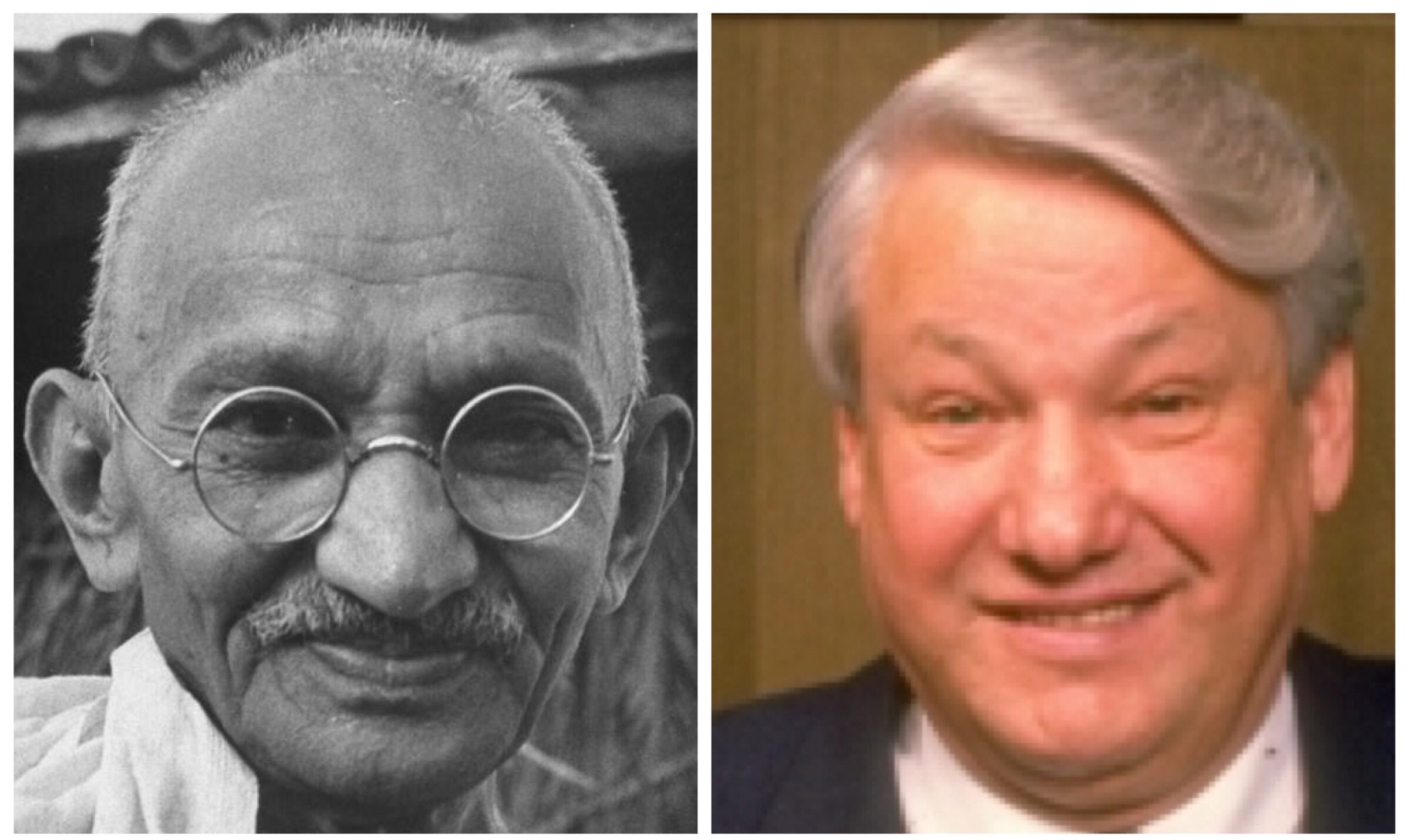
On August 9, 1942, British forces arrested Mahatma Gandhi in Bombay, spurring the Quit India Movement into nationwide action.
In 1999, Russian President Boris Yeltsin fired his Prime Minister, Sergei Stepashin, and his entire cabinet.

Yesterday’s big story? Several major social media platforms have de-platformed Alex Jones and his Infowars opinion (“information”?) show.
Most commenters about this happening hasten to signal to their audiences that they do not approve of Alex Jones. Is this really necessary? When we consider a mass de-platforming event, do we need to belabor the obvious?
I hazard that even most of Jones’s viewers and listeners agree with a small amount of what he says. Jones is more like Jon Stewart and Cenk Uygur, a performer whose rants entertain most of all. In his case, because he says things no one else will, Infowars makes for a bracing . . . alternative.
It should also go without saying that private platforms like Facebook, YouTube and Apple, who are the main players to kick Jones to the curb of the Information Super-Highway, have the right to include or exclude anyone they want. As Robby Soave at Reason put it, these “companies are under no obligation to provide a platform to Sandy Hook conspiracy theorizing, 9/11 trutherism, or any of the other insane ideas Jones has propagated.”
But Soave does worry about the goofy rationales provided for the exclusion.
As do I. And it is not just that the proffered reason, “hate speech,” is, as Soave explains, vague, unanchored to any offered specific offenses.
But it’s worse. This whole exclusionary move is not about hate speech. Everyone knows this.
It’s about suppressing ideas that are (a) popular and (b) despised by the dominant culture.
And these insiders seem at a loss to confront Jones’s farragoes with better ideas, failing to provide “counter info” in their war on Infowars.
They strike below the belt.
This is Common Sense. I’m Paul Jacob.


“To-day is the parent of to-morrow. The present casts its shadow far into the future. That is the law of life, individual and social. Revolution that divests itself of ethical values thereby lays the foundation of injustice, deceit, and oppression for the future society. The means used to prepare the future become its cornerstone.”
Emma Goldman, My Disillusionment in Russia 1925.
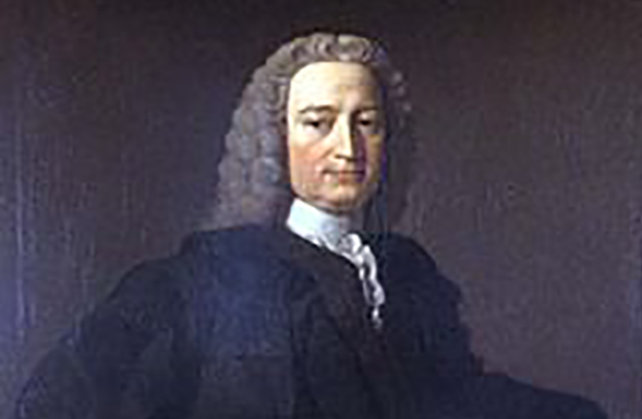
Francis Hutcheson, philosopher of the Scottish Enlightenment and a great influence on David Hume and Adam Smith, was born in Ireland on August 8, 1694. He died on his birthday in 1746.
Followers of Mahatma Gandhi launched the Quit India Movement against the British rule on August 8, 1942.
On the same day in 1974, President Richard M. Nixon resigned.