Categories
Today

Against Central Banking

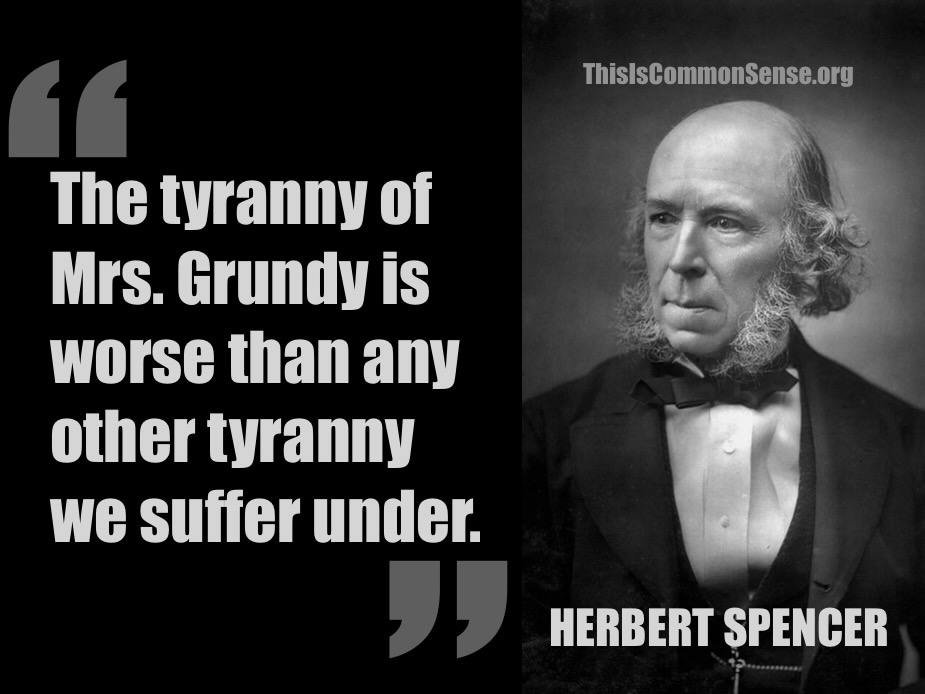
On August 16, 1841, U.S. President John Tyler vetoed a bill to re-establish the Second Bank of the United States. This made him deeply unpopular with his former supporters in the Whig Party — which was the party of “internal improvements” as well as an anti-Jacksonian party, and Andrew Jackson had previously set himself against central banking. It is apparent that Tyler did this because he had come to believe a central bank was unconstitutional.

We have a central bank, now, of course. It is called the Federal Reserve.

Categories
First Amendment rights free trade & free markets national politics & policies regulation

Banks Not the Only Debankers

A recent executive order that President Trump issued to stop regulators from abetting and even compelling the “debanking” of bank customers for their political views is clear and on-target.  

On-target as far as debanking by banks goes.

But Reclaim the Net notes a glaring omission. The order’s identifies financial institutions willing to blacklist customers for possessing the “wrong” political opinions or missions. (“Wrong” here means not too pro-criminal or pro-terrorist but too constitutionalist, too much in favor of individual rights of the First or Second Amendment variety.)

The problem is that the order says nothing about major payment processors like Visa and PayPal.

Now, perhaps a penumbra of the new regulatory marching orders would influence the policies of the credit-card companies, whose cards are after all typically issued in cooperation with banks. But this is highly uncertain.

And Reclaim the Net thinks that Visa and Mastercard, “the twin tollbooth operators of the global payments highway,” are, like PayPal and Stripe, untouched by Trump’s order. Yet all of these payment processors have in recent years been blacklisting individuals and organizations that the processors happen to disagree with.

The practice goes back at least to the Obama administration, which instructed regulators that it could regard something called “negative public opinion” as a legitimate risk factor. 

This doctrine “quickly turned into a permission slip for politically driven account closures.” 

The government shouldn’t be issuing such “permission slips” — or implicit instructions — to banks, payment processors, or anybody.

This is Common Sense. I’m Paul Jacob.


PDF for printing

Illustration created with Krea and Firefly

See all recent commentary
(simplified and organized)
See recent popular posts
Categories
Thought

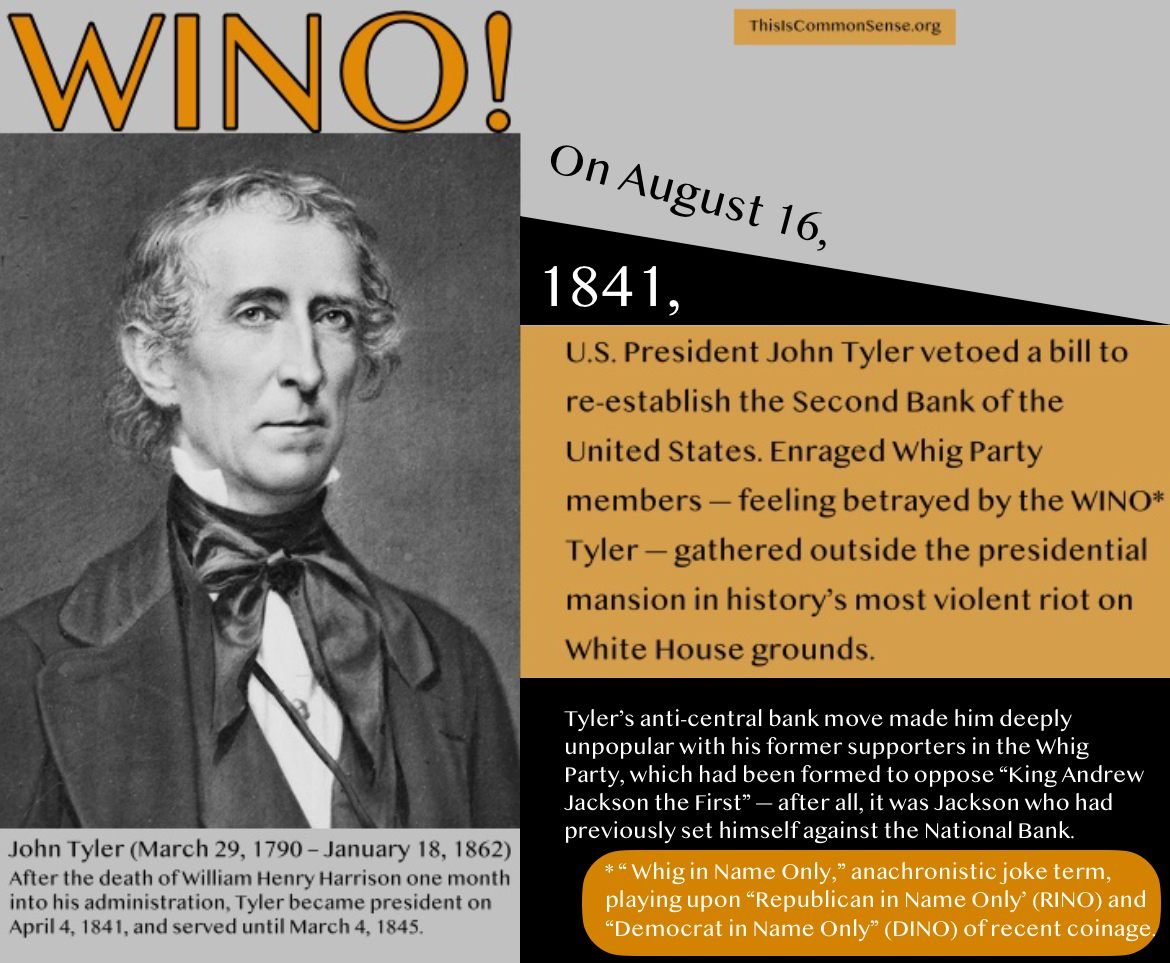
Herbert Spencer

Old forms of government finally grow so oppressive, that they must be thrown off even at the risk of reigns of terror.

Herbert Spencer, “On Manners and Fashion,” The Westminster Review (April 1854).
Categories
Today

A Divine Wind?

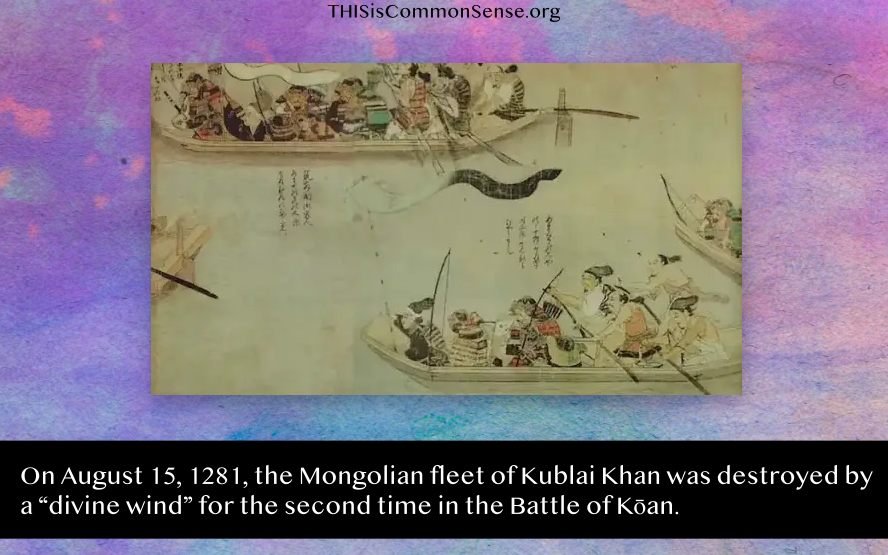
On August 15, 1281, the Mongolian fleet of Kublai Khan was destroyed by a “divine wind” for the second time in the Battle of Kōan.

Categories
First Amendment rights ideological culture international affairs

Art Caves to Power

The Chinese Embassy in Thailand has pressured the Bangkok Art and Culture Centre to censor an exhibit: to remove works dealing with China’s persecution of groups such as the Uyghurs and Tibetans. 

The exhibit’s curator notes an “irony”: the exhibit being censored is on the theme of censorship. Actually, it’s about more than that. Titled Constellation of Complicity: Visualising the Global Machinery of Authoritarian Solidarity, it’s an ambitious project, attempting “to reveal power in its entanglements, and to insist that art remains one of the last ungovernable territories of resistance.”

But the exhibit is held in the Kingdom of Thailand, not exactly known as a bastion of freedom and democracy. So it shocked no one when the gallery’s operators felt that they had no choice but to submit to China’s demand — in no small part because a financial sponsor and the Thailand’s Ministry of Foreign Affairs had both accepted the diktat.

What happened is no isolated example of bad behavior — by China or by unresisting victims. Increasingly, we live in a world where the Chinese Communist Party tells us what can be said, what can be shown, what can be done.

Several years ago, a Marriott worker in Nebraska was fired after he or a colleague “liked” a pro-Tibet tweet using the Mariott social media account. The CCP exploded. Marriott has hotels in China. Marriott groveled.

Marco Rubio, then a U.S. Senator, said at the time that every week it seemed that another major company was shamelessly apologizing to the PRC for “some sort of ‘misstep’ related to Tibet . . . and other sensitive issues.”

It’s not just “art” that must learn to resist the governance of China  . . . before it’s too late.

This is Common Sense. I’m Paul Jacob.


PDF for printing

Illustration created with Krea and Firefly

See all recent commentary
(simplified and organized)
See recent popular posts

Categories
Thought

George Santayana

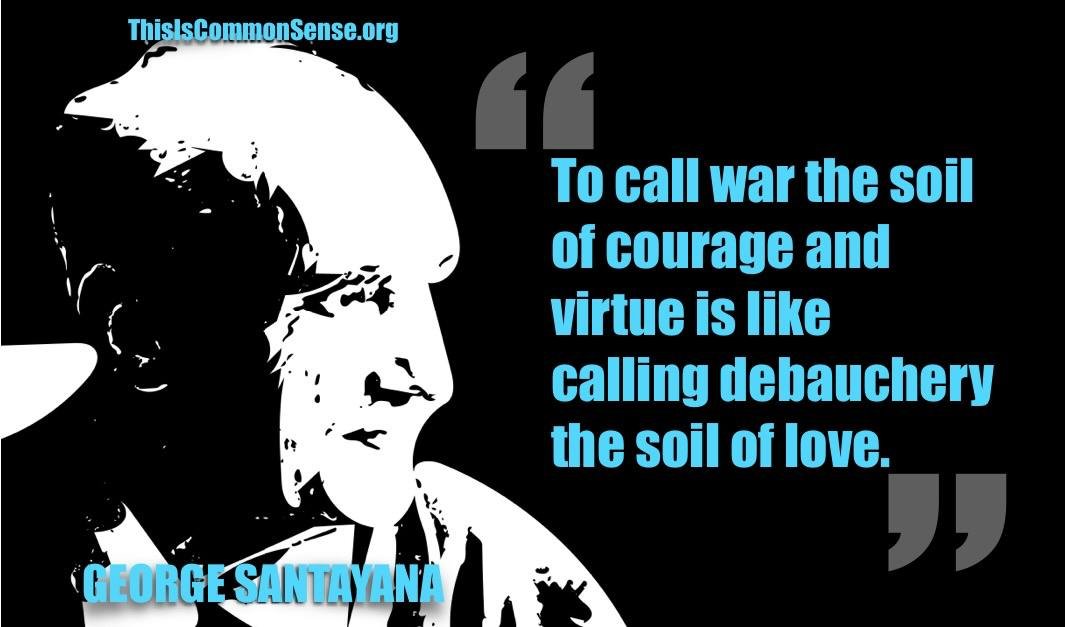
To call war the soil of courage and virtue is like calling debauchery the soil of love.

George Santayana, The Life of Reason: Reason in Society, Vol. 2 (1906), Ch. III: “Industry, Government.”
Categories
Today

They Led

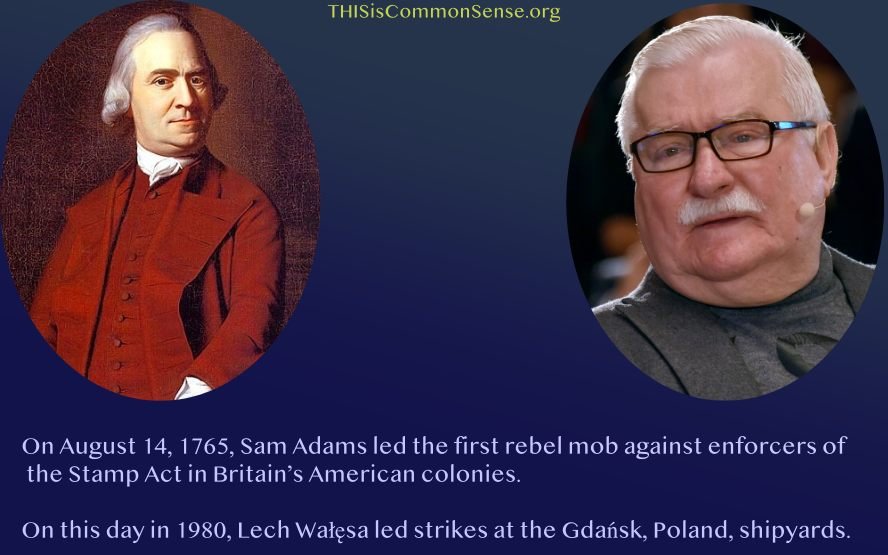
On August 14, 1765, Sam Adams led the first rebel mob against enforcers of the Stamp Act in Britain’s American colonies.

On this day in 1980, Lech Wałęsa led strikes at the Gdańsk, Poland, shipyards.

Categories
insider corruption subsidy too much government

Ax Tax-Funded Tax-Grubbing

Some people in pursuing their business or charitable projects rely only on the voluntary support of customers or patrons. Other people rely on government funding, perhaps by default because it’s “always been that way.”

Still others not only feel entitled to government funding but are quite importunate about it, going so far as to use taxpayer dollars to pay for lobbying the government for even more taxpayer dollars. 

My theory? If taxpayers weren’t so routinely robbed to fund lobbyists, fewer dollars in general would be siphoned from taxpayers’ pockets to the demanders’ pockets.

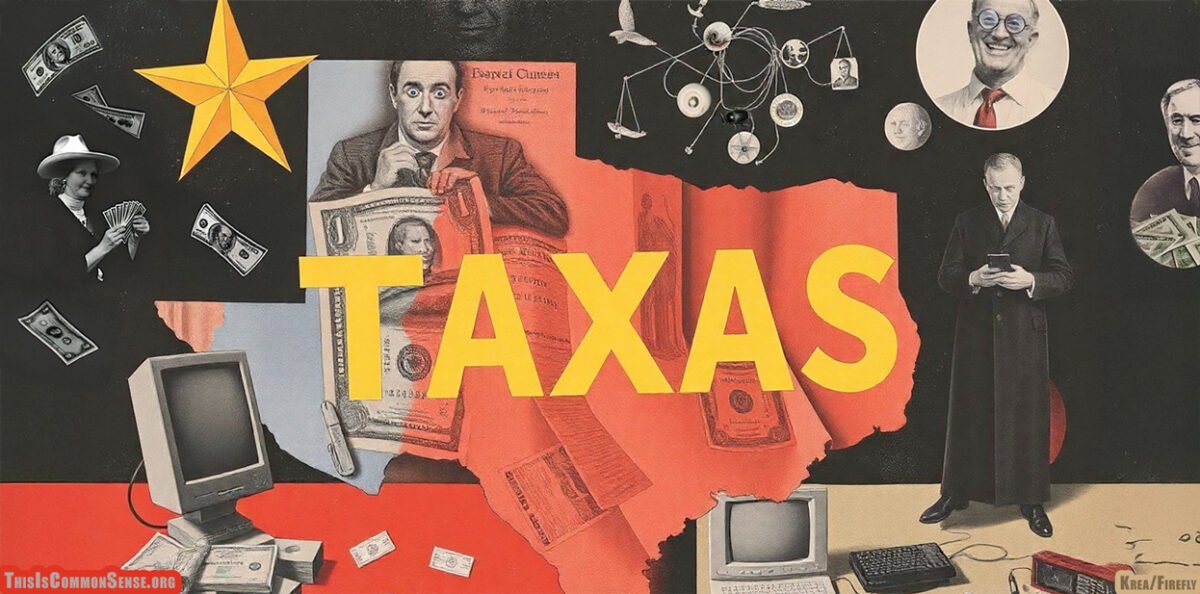
Lone Star state officials are making some progress toward ending taxpayer-funded tax-grubbing. The state attorney general, Ken Paxton, has reached an agreement with several Texas school districts guilty of taxpayer-funded campaigning against a school choice bill. They have agreed to institute safeguards to prevent themselves from doing it anymore. We’ll see.

Texas Governor Greg Abbott “has also had enough,” writes John Fund. Abbott is promoting a bill being considered in the legislature that would prevent cities, counties, and school districts from using tax dollars to hire lobbyists. Officials and teachers would still be able to talk to their representatives themselves.

“Texans are being taxed twice,” State Senator Paul Bettencourt, a supporter of the bill, explains, “once to fund local services and again to fund political lobbying they may not support.”

Yes, that’s the costly and corrupting problem all right. One that Texas is hardly alone in suffering but perhaps a ‘lone star’ in fighting.

This is Common Sense. I’m Paul Jacob.


PDF for printing

Illustration created with Krea and Firefly

See all recent commentary
(simplified and organized)
See recent popular posts
Categories
Thought

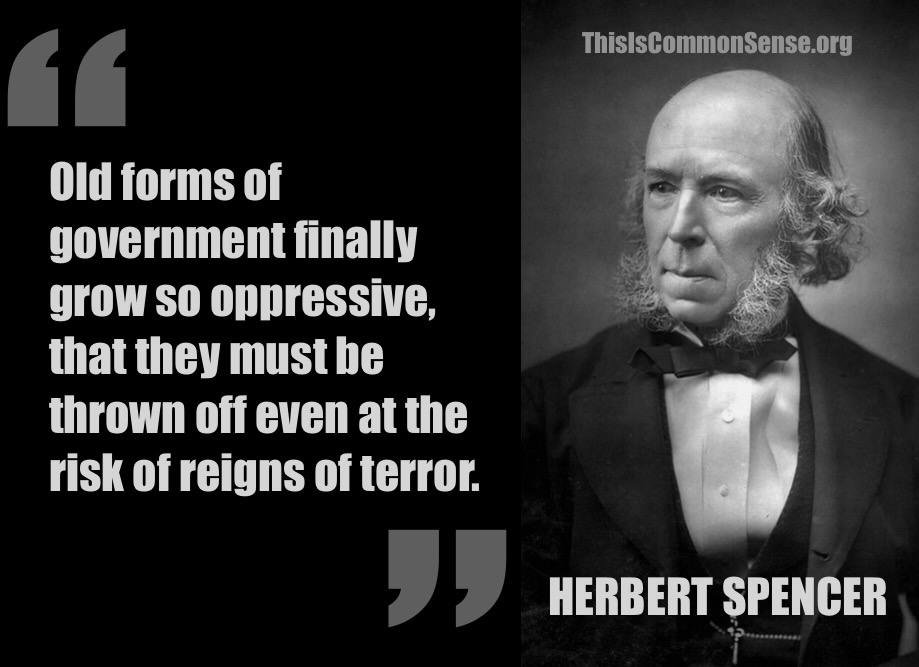
Herbert Spencer

The tyranny of Mrs. Grundy is worse than any other tyranny we suffer under.

Herbert Spencer, “On Manners and Fashion,” The Westminster Review (April 1854).
Categories
Today

Eclipse 1831

On August 13, 1831, Nat Turner witnessed a solar eclipse, which he interpreted as a sign from God. Eight days later he and 70 other slaves killed approximately 55 whites in Southampton County, Virginia.