Categories
Today

F-Word Defined

The Manifesto of Fascist Intellectuals was first published in Il Mondo, then by most Italian newspapers on April 21, 1925 — the national, anniversary-day celebration of the Founding of Rome (ca.  April 21, 753 BC).

Nowadays, all sorts of people call their political opponents “fascist,” often on the shakiest of rationales. It might be a good idea to look up this original document, for a good idea what politics’ “f-word” originally meant. Here is an excerpt:

Fascism was . . . a political and moral movement at its origins. It understood and championed politics as a training ground for self-denial and self-sacrifice in the name of an idea, one which would provide the individual with his reason for being, his freedom, and all his rights. The idea in question is that of the fatherland. It is an ideal that is a continuous and inexhaustible process of historical actualization. It represents a distinct and singular embodiment of a civilization’s traditions which, far from withering as a dead memory of the past, assumes the form of a personality focussed on the end towards which it strives. The fatherland is, thus, a mission.

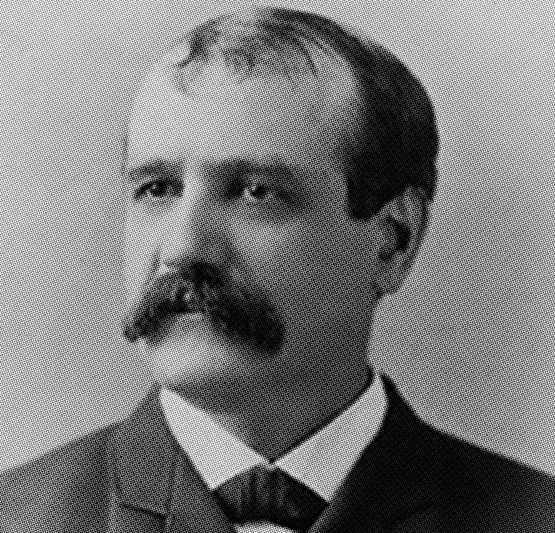
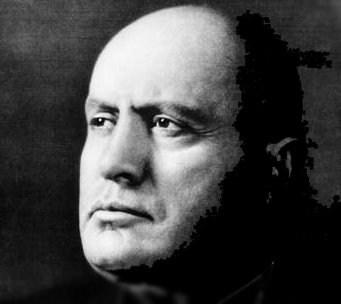
The manifesto was written by Giovanni Gentile, in support of the regime of Benito Mussolini (pictured above).

Categories
by Paul Jacob video

Save the Young

A week ago or so, Paul Jacob participated in an online seminar regarding the draft:

Freedom Hub Working Group – Paul Jacob – Liberty Initiative from MyAHE on Vimeo.

Categories
Today

New Amsterdam

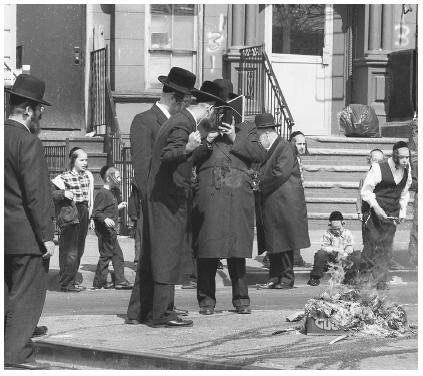
On April 20, 1657, freedom of religion was granted to the Jews of New Amsterdam (which was later renamed New York City).

Categories
Thought

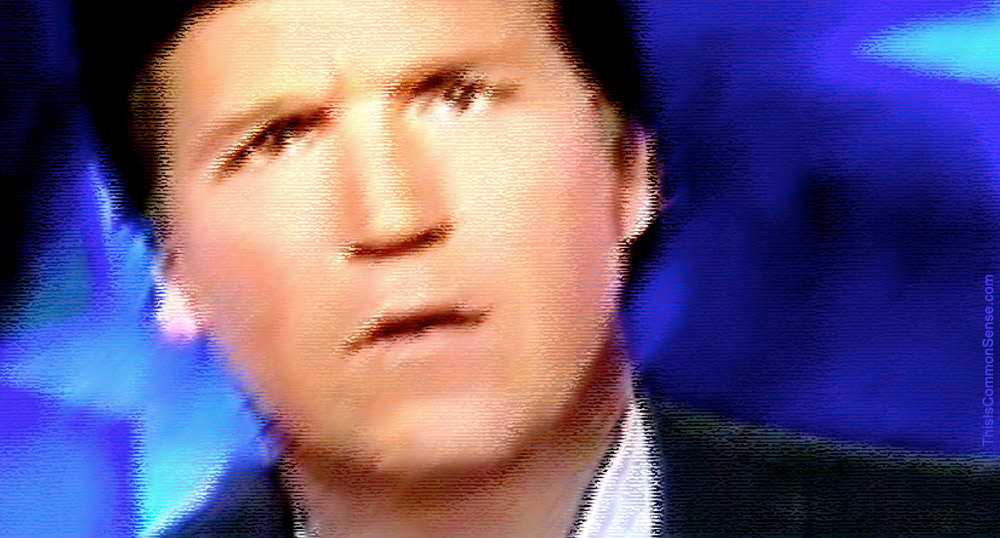
Tucker Carlson

In decadent societies the guilty aren’t punished; only the unpopular are punished.

Tucker Carlson, Tucker Carlson Tonight, Fox News (April 18, 2019).
Categories
First Amendment rights general freedom local leaders

Deep Show-Me State

Worried about the Deep State undermining democracy in Washington? What about the Deep State in Missouri?

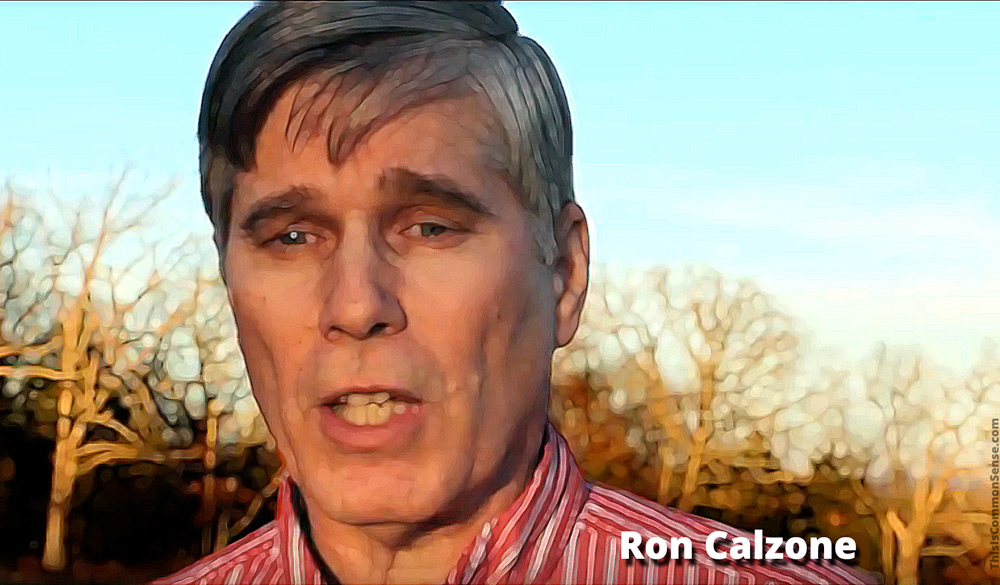
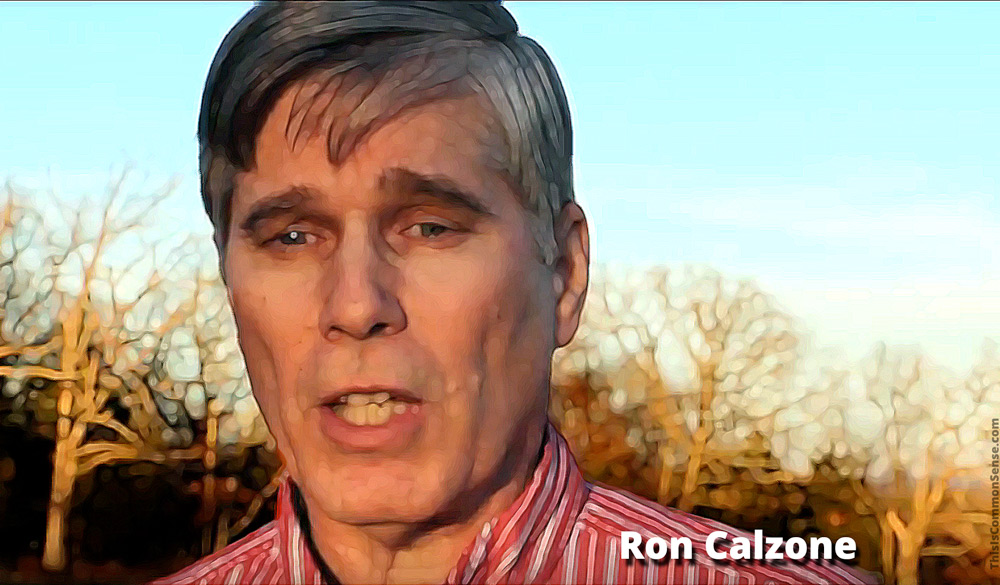
Today, Ron Calzone will sit in a St. Louis courtroom with his wife, Anne, intently listening to arguments in his case, Calzone v. Missouri Ethics Commission, before the entire Eighth Circuit Court of Appeals. 

In what sort of evil corruption has Mr. Calzone been engaged? 

Good citizenship. 

Talk about an open-and-shut case! For zero pay, Calzone and others — organized through Missouri First — track legislation and communicate their viewpoints to their state representatives, urging legislators to follow a constitutional, limited government philosophy. The group gives no gifts to legislators, only their opinions, and spends no money. Doesn’t even have a bank account.

This is the sort of wholesome citizen participation envisioned in civics textbooks. But politicians see engaged citizens, like Ron, as pests, infesting their capitols. 

In 2014, angered by the grassroots input Calzone had generated, two state legislators convinced the Missouri Society of Governmental Consultants (the state’s “lobbyist guild”) to file an ethics complaint against Ron, demanding he register as a lobbyist. At the measly cost of $10 a year.

Calzone can afford the Hamilton, but refused, on principle, to pay it or to register as a lobbyist. Thankfully, great lawyers at the Freedom Center of Missouri and the Institute for Free Speech have come to his defense.

Laws regulating lobbyists have been enacted to check the influence of rich, powerful special interests. Or so the powerful interests tell us.

Instead, politicians and bureaucrats are twisting the law, trying to block grassroots citizens.

It is time to deep six Deep States.

This is Common Sense. I’m Paul Jacob.


PDF for printing

Ron Calzone, Missouri, free speech, lobbying, 1st Amendment,

See all recent commentary
(simplified and organized)
See recent popular posts


Categories
Thought

Francis Amasa Walker

Protectionism is nothing if not socialistic. It proposes, in the public interest, to modify the natural course of trade and production, and to do this by depriving the citizen of his privilege of buying in the cheapest market. Yet the protectionist is not to be called, therefore, a Socialist, since the Socialist would not only have the state determine what shall be produced, but he would have the state itself undertake the production.

Francis Amasa Walker (Davis R. Dewey, ed.), Discussions of Economics and Statistics, Volume II (1899), p. 260.

Categories
Today

The Revolution Begins

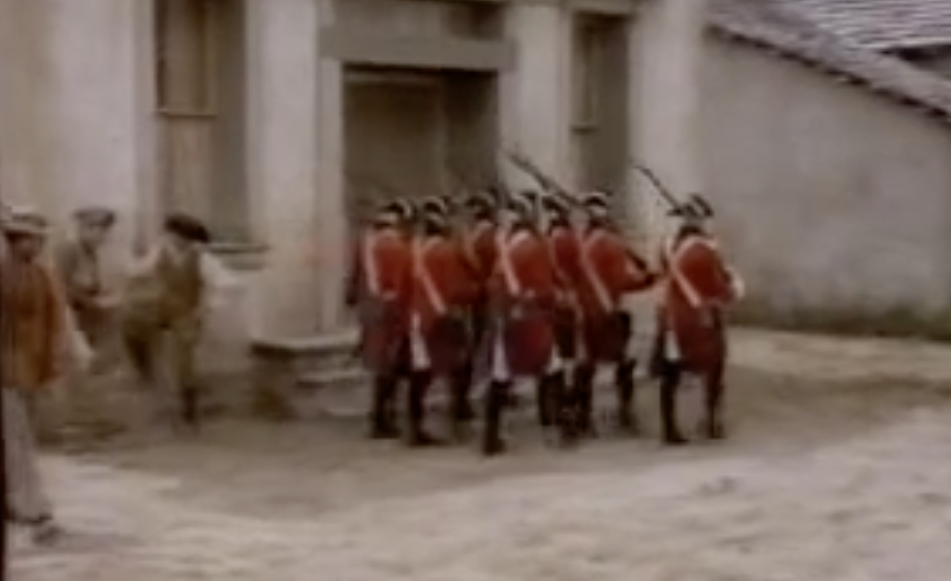
On April 19, 1775, the American Revolution began when the “shot heard around the world” was fired between the 700 British troops on a mission to capture Patriot leaders Sam Adams and John Hancock and to seize a Patriot arsenal and the 77 armed minutemen under Captain John Parker waiting for them on the Lexington town green. The Battle of Lexington ended with eight Americans killed and ten wounded, along with one wounded British soldier.

In Concord, a couple of hours later, British troops were encircled by hundreds of armed Patriots. The British commander ordered his men to return to Boston without directly engaging the Americans, but on the 16-mile journey they were constantly attacked by Patriot marksmen firing at them Indian-style from behind trees, rocks, and stone walls. By the time the British reached the safety of Boston, nearly 300 soldiers had been killed, wounded, or were missing in action. The Patriots suffered fewer than 100 casualties. (See Liberty’s Kids for a video on these events, or the video featured on this page.)

On April 19, 1782, John Adams secured the Dutch Republic’s recognition of the United States as an independent government.

Categories
media and media people

The Real Scandal Continues

The Mueller Report goes public today, and though some hope to find within it a splinter of kindling upon which to light the bier for President Trump, odds are high for a fizzle, a wet firecracker on a Fifth of July morning. 

Still, the whole Russiagate issue has not lacked for entertainment value. 

As comedy.

Little wonder that some of the best commentary on the left has included the incredulous coverage of the brouhaha by a professional comic.

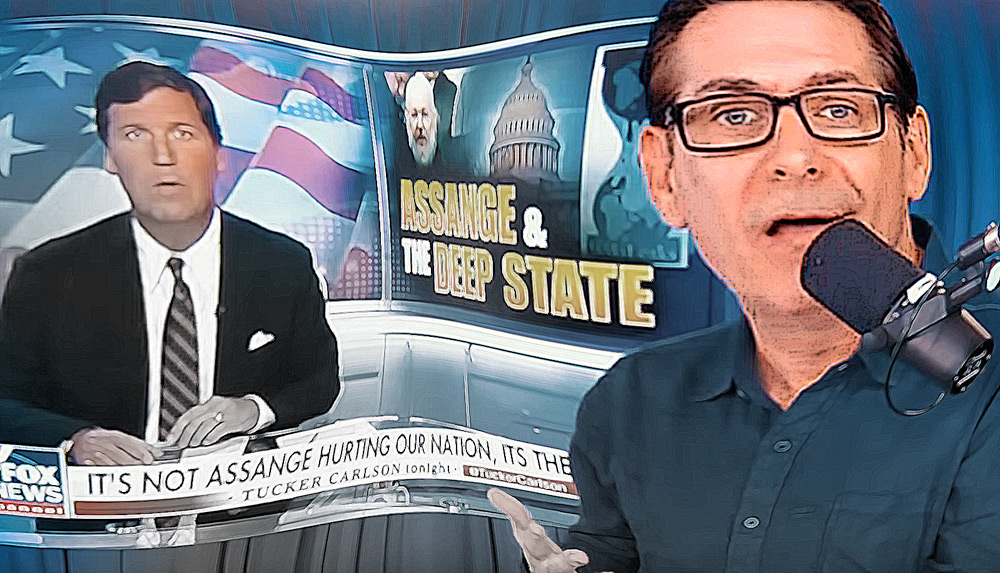
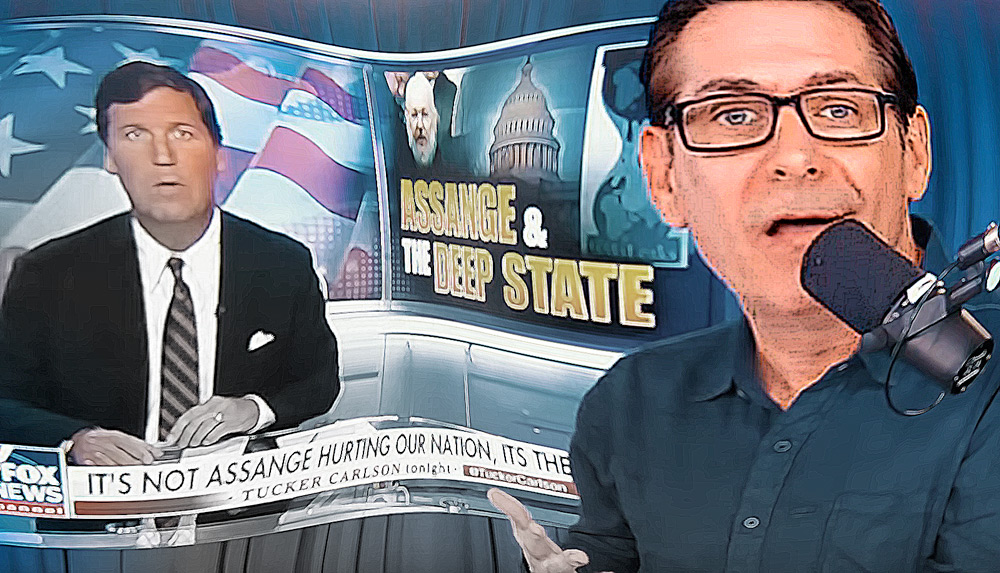
Jimmy Dore, late of The Young Turks, has from the beginning been a skeptic of the modern conspiracy theory about Trump’s alleged Russian Collusion. Now he gloats. Earlier this week, on his podcast The Jimmy Dore Show, he came out swinging, insisting that the Hillary Clinton campaign actually did what the Donald Trump campaign was accused of doing. But, he laments, “accountability is not coming” — no journalist will be fired, nor the worst fake news stories even be retracted.

Mr. Dore also points to Tucker Carlson as a surprising purveyor of the truth about Julian Assange — that the Wikileaks guy, recently nabbed from the Ecuadorian embassy in London, is not guilty of the crimes he is accused of. But Assange has humiliated nearly everyone in the political class. Dore wonders why Carlson can get this story right, but the major talking heads at CNN and MSNBC — all to the left — cannot.

Yes, why? 

Why is journalism now so lockstep in line with the corporatist Deep State and its major political operators?

I probably disagree with Dore on the answer. He thinks the Deep State’s main goal is to keep progressives out of power.

But the question is at least worth asking.

This is Common Sense. I’m Paul Jacob.


PDF for printing

Jimmy Dore, Tucker Carlson, Russia, julian assange,

See all recent commentary
(simplified and organized)
See recent popular posts


Categories
Today

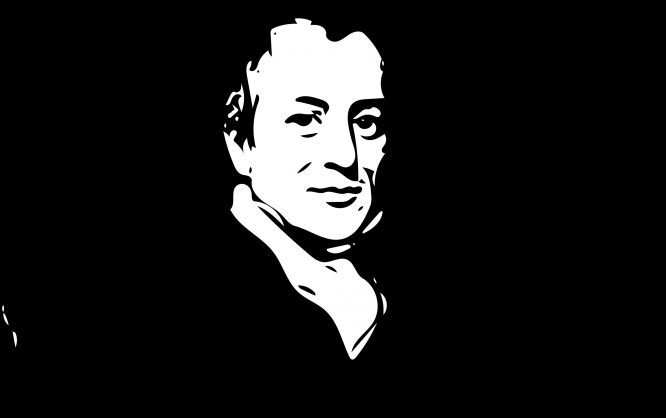
David Ricardo

April 18 marks the 1772 birthday of David Ricardo, English political economist and one of the most influential thinkers in economic theory. An advocate for free trade and the abolition of slavery, Ricardo’s most famous work is his Principles of Political Economy and Taxation (1817).

Categories
Thought

Herbert Spencer

It is said that when railways were first opened in Spain, peasants standing on the tracks were not unfrequently run over; and that the blame fell on the engine-drivers for not stopping: rural experiences having yielded no conception of the momentum of a large mass moving at a high velocity.

The incident is recalled to me on contemplating the ideas of the so-called “practical” politician, into whose mind there enters no thought of such a thing as political momentum, still less of a political momentum which, instead of diminishing or remaining constant, increases. The theory on which he daily proceeds is that the change caused by his measure will stop where he intends it to stop. He contemplates intently the things his act will achieve, but thinks little of the remoter issues of the movement his act sets up, and still less its collateral issues.

Herbert Spencer, The Man versus the State (1884).