Author: Redactor
Categories
Slavery Ends
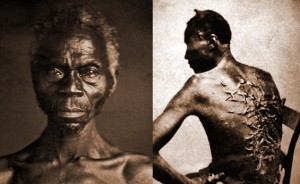
On August 1, 1834, Great Britain’s Slavery Abolition Act of 1833 took force, freeing slaves throughout the British empire.
Technically, it freed slaves under the age of six. On the August 1 date in 1838 and 1840, the rest of the empire’s slaves were freed, practically speaking.
August 1 births include Francis Scott Key (1779), composer of the poem “Defence of the Fort M’Henry,” which became known as “The Star-Spangled Banner”; American authors Richard Henry Dana, Jr. (1815) and Herman Melville (1819); and Thomas E. Woods, Jr. (1972), historian and popularizer of Austrian economics, podcaster of the Tom Woods Show.
Categories
John Taylor of Caroline
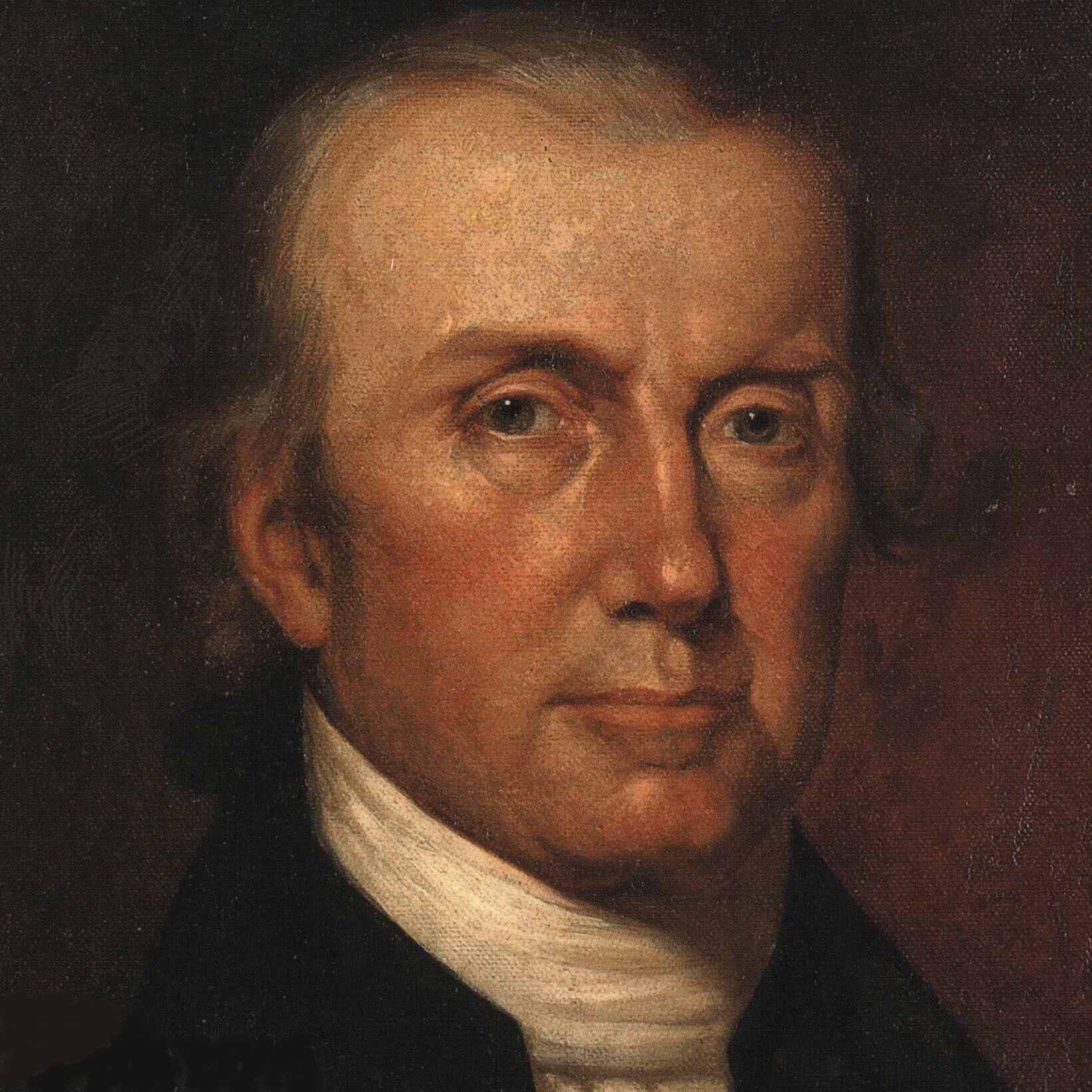
Adherence to men, is often disloyalty to principles.
Tarring free-market capitalism and limited government with the brush of slavery is old hat. What is new is that prominent journals and major media figures now shamelessly slop that brush around.
Indeed, the argument is so often made that addressing it from several angles, as I have — twice in the last few outings of Common Sense — is important. Today I make an additional point.
The fact that human beings were treated as property, to be sold and mortgaged and disposed of at will, does not make slavery “free market.” If we legalized and institutionalized the market in stolen goods, that might make those markets legally above board — but not morally.
It is this moral argument against stolen goods that undergirds the case against slavery.
Always has.
For slavery is stealing the rightful property of the people enslaved — their property in their own bodies.
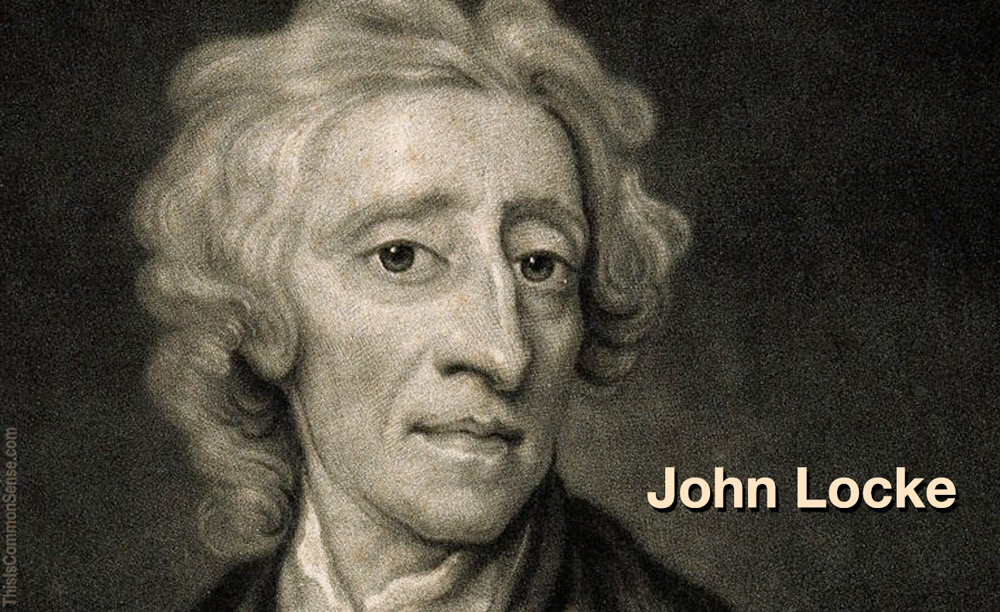
Richard Overton called this “self-propriety” in 1646, and at about the same time John Locke, following Hugo Grotius, wrote of every man having “a property in his own Person.” This is the old liberal way to think about personal freedom when you are dealing with property: self-ownership.
“Free market capitalism” rests on it just as slavery abridges it.
Unfortunately, there has been a successful campaign to muddy up this logic and its history. Teacher Lawrence Ludlow recently informed readers of American Thinker about the results of this indoctrination: today’s students have “somehow ‘learned’” that “slavery was isolated to the United States instead of practiced worldwide for ages” and that “Westerners were the most enthusiastic practitioners of slavery instead of being among the first to abandon it.”
Freedom is not slavery and the truth shall set us free.
This is Common Sense. I’m Paul Jacob.
See all recent commentary
(simplified and organized)
See recent popular posts
Categories
John Locke
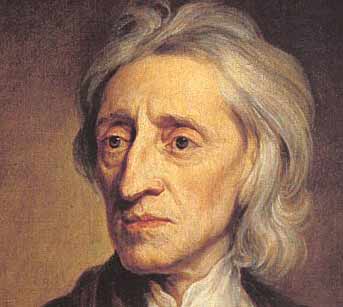
As usurpation is the exercise of power which another has a right to, so tyranny is the exercise of power beyond right, which nobody can have a right to. . . .
John Locke, Second Treatise of Government (1689), Ch. XVIII, sec. 199.
Categories
Lenin Shot
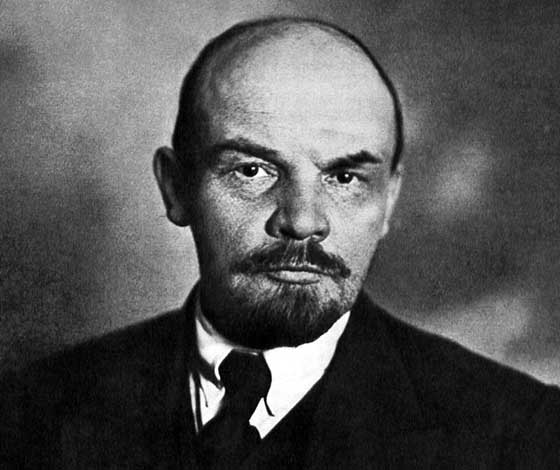
On August 30, 1918, Fanny Yefimovna Kaplan shot and seriously injured Bolshevik leader Vladimir Lenin. Though certainly justifiable on some primary level — evil killers with power probably deserve to be killed in turn — this assassination attempt, like most such, had disastrous consequences, prompting the mass arrests and executions known as the Red Terror.
August 30, 1999, saw East Timor’s referendum vote for independence from Indonesia succeed.
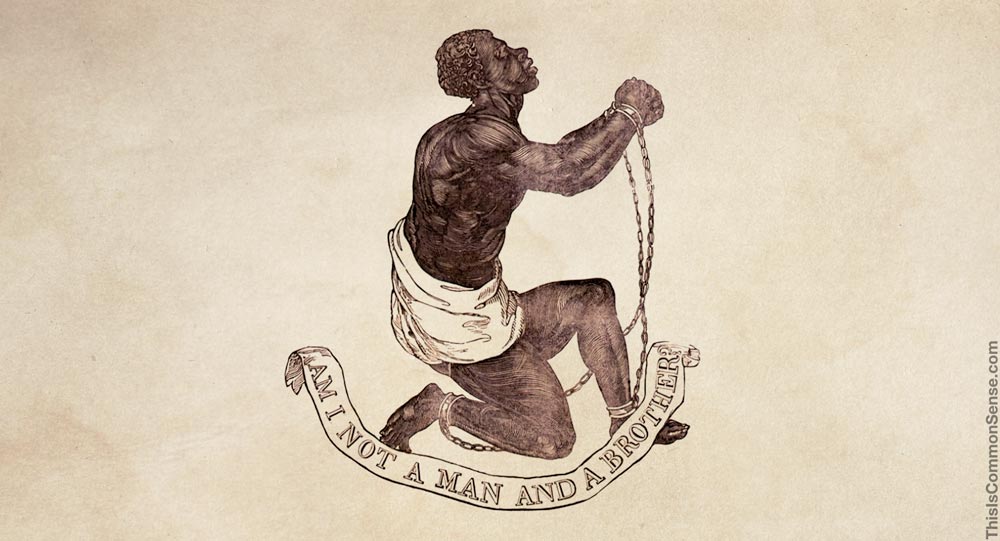
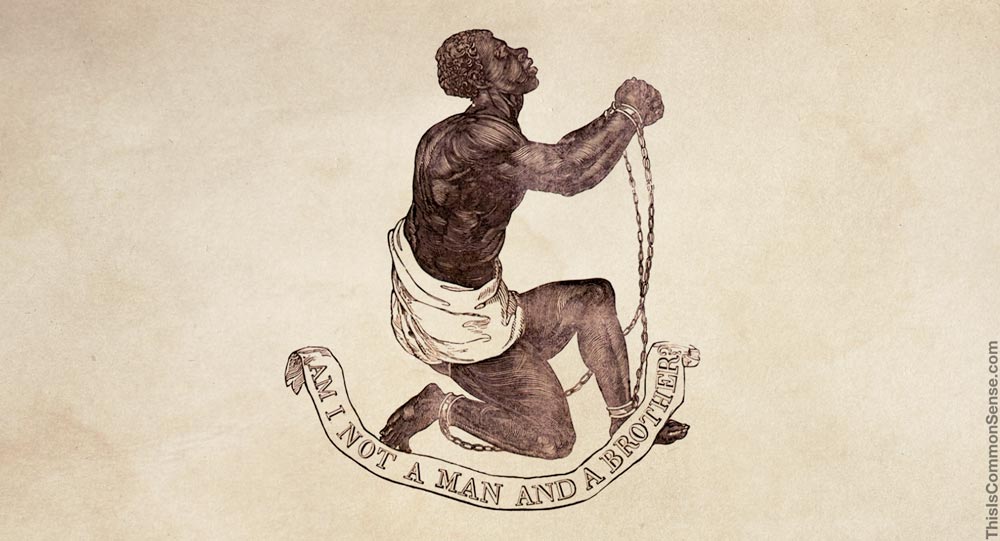
When socialists and woke scolds talk about slavery, you can almost hear the chains and smell the leather of the slaver’s whip — and not always in a good way.
Project 1619 is the New York Times effort to acknowledge 400 years of Africans in America. Thankfully, the project’s page is more coherent and forthright than Matthew Desmond’s New York Times Magazine farrago of August 14, “In order to understand the brutality of American capitalism, you have to start on the plantation.”
Indeed, that piece (like others in the series) is such a tangle that there is no hope to unravel it in this limited space. Just note that Desmond does his darnedest to help the enemies of liberty tie slavery into the idea of free markets, private property, and free association.*
Project 1619, on the other hand, accepts the complexity of slavery in America without being idiotically tendentious. It recognizes that the captured Africans brought to Virginia shores in August 1619 were treated as indentured servants. Unfortunately, unlike the Englishmen arriving under indentured servitude, the first Africans in Virginia lacked explicit contracts. So negotiating their way out was . . . problematic. Still, one African, arriving two years later, was soon freed and became a landowner. And it was he who was awarded another African as a slave for life, in civil court in 1655, marking the real start of chattel slavery in America.
Which is to say, slavery in America was not exclusively a matter of race.**
Why is this important? Because slavery is wrong not because racism is wrong (as wrong as that is), but because people have a right to freedom.
Could it be that socialists emphasize racism regarding slavery because they fear that focusing on freedom might scuttle their socialism?
This is Common Sense. I’m Paul Jacob.
* See my discussion of slavery yesterday.
** This becomes clear once you read Mark Twain’s Pudd’nhead Wilson, or learn how Thomas Jefferson’s wife was related to Sally Hemings
See all recent commentary
(simplified and organized)
See recent popular posts
Categories
Locke and Shays
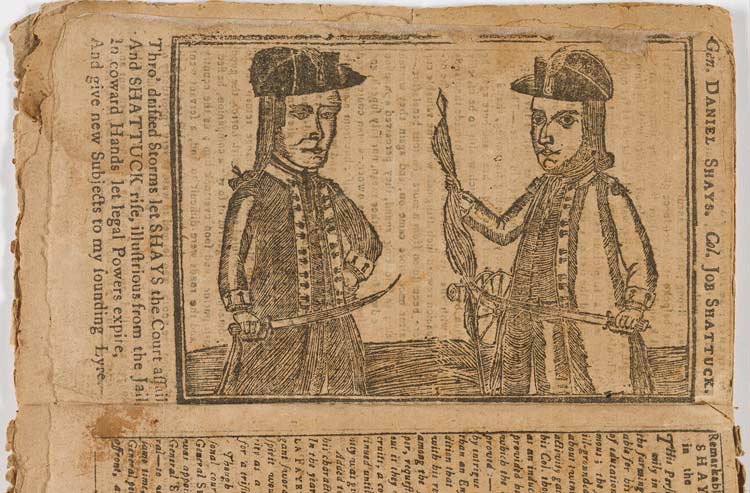
August 29 marks the 1632 birthday of British philosopher John Locke, author of Two Treatises of Government, and one of the strongest intellectual influences on America’s 18th century secessionist movement and subsequent constitutional thinking. Locke died on October 28, 1704.
On August 29, 1786, Shays’ Rebellion began. The rebellion was an armed uprising of Massachusetts farmers reacting very negatively against the high debt and tax burdens enacted to pay off the Revolutionary War. This rebellion scared American leaders into revising the Articles of Confederation, a process that led not to a mere few changes, but to the writing of a whole new Constitution.
Categories
John Taylor of Caroline
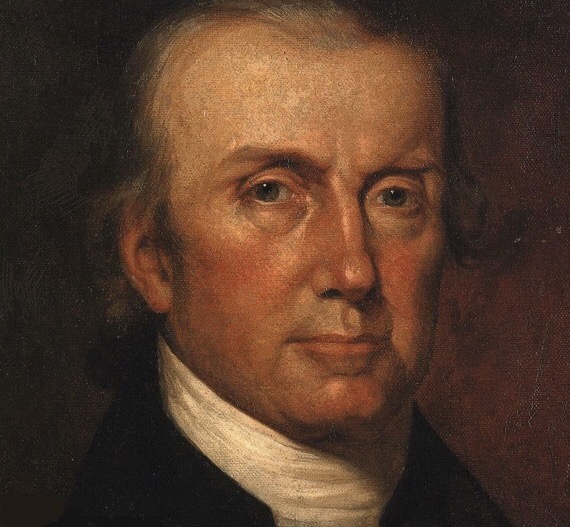
National defense is the usual pretext for the policy of fleecing the people.
Categories
Slaves All?
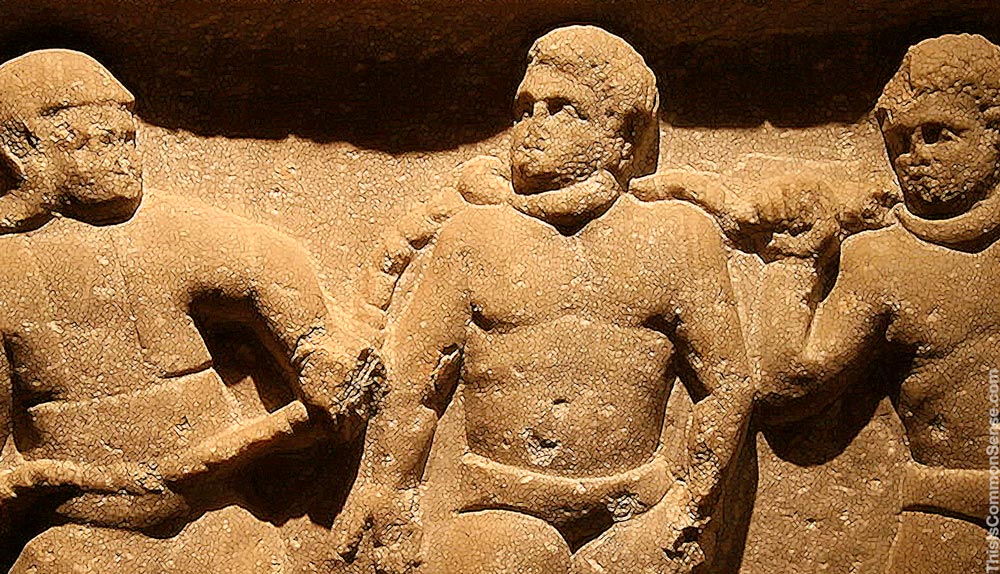
A bizarre argument is gaining popularity: the United States of America not merely allowed slavery in its first hundred years, it depended upon it, grew rich by it . . . and, “therefore,” not only the federal government but also its constitutional principles and even capitalism are all tainted . . . and . . . “therefore” . . . we must have socialism!
Why long-dead chattel slavery requires political slavery now is hard to figure.
And no, you should not need to read George Fitzhugh’s Cannibals All! or Sociology for the South to see that socialism is slavery.*
But these days it is more common to link slavery with . . . freedom (this is hard even to type) in the form of free markets.
Leftists who make this linkage are helped by some popular historians who argue that since the antebellum South (1) grew faster, economically, than the North, (2) slavery was profitable for slaveholders, and (3) slaves became more productive in picking cotton, the “peculiar institution” was key to American success. Vincent Geloso, a visiting assistant professor of economics at Bates College, writing for the American Institute for Economic Research, ably shows that not one of these three theses hold up to scrutiny.
Most importantly, though, Geloso demonstrates that the slavery system was like all other interventionist systems, with some people (slavers) benefiting at the expense of others (slaves, of course, but also free people . . . through a variety of subsidies).
Geloso uses the term “deadweight loss” to make his case that slavery made America poorer.
He is certainly not wrong. But once you understand why freedom and prosperity are linked, not much economic jargon is necessary.
This is Common Sense. I’m Paul Jacob.
* This pro-slavery southerner did argue against the very idea of liberty and free labor on the grounds that freedom is bad and socialism is good. Indeed, “Fitzhugh disliked ‘political economy’ (as economics was then called), which he saw as ‘the science of free society,’” economist Pierre Lemeiux explains, “as opposed to socialism, which is ‘the science of slavery.’” That forthright appraisal is about all that’s good in Fitzhugh.
See all recent commentary
(simplified and organized)
See recent popular posts