Odoacer, a German “barbarian,” ousted Romulus Augustus, the last emperor of the Western Roman Empire, thus ending that empire on September 4, 476 A.D.
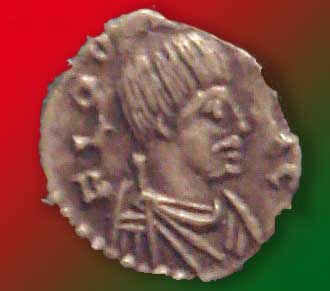
Odoacer, a German “barbarian,” ousted Romulus Augustus, the last emperor of the Western Roman Empire, thus ending that empire on September 4, 476 A.D.
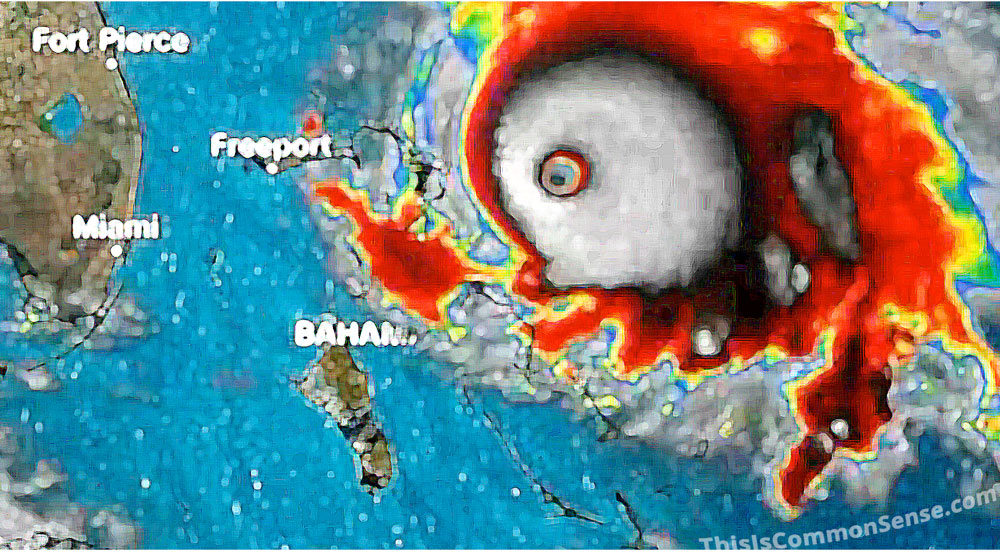
While Hurricane Dorian lumbered towards America, Axios unleashed a rumor: President Trump had wondered about “nuking” hurricanes in their early stages.
Sounds goofy, I know. Many used the rumor to question Trump’s intelligence, prudence, and sanity, but fretting about a mere rumor at length might give us reason to question our intelligence, prudence and sanity.
Before the hurricane hit the Bahamas, Reason magazine made the logical point about how useful “price gouging” would be for dealing with a disaster like Dorian. Then came the hit, which, ABC reports, was quite devastating: “Hurricane Dorian kills at least 5 in the Bahamas; US coastline braces for impact.”
While others prepare for the worst, we on the sidelines merely wonder, could Dorian be a sign of global warming?
It is hard not to think that thought.
But Tony Heller of RealClimateScience.com cautions us against leaping to this cause for that effect. “Coolest January-August On Record In The US,” Heller headlines his piece providing graphs showing how amazingly un-warm it has been in our half-a-hemisphere so far this year.
There is no honest way to associate this storm with “global warming” or even climate change.
As real climate scientists know. Still, linking bad weather to the much-pushed Big Story Of Our Time is almost . . . irresistible.
Part of this is apophenia: our brains find patterns even where they do not exist.
Yet I sometimes wonder whether this weather-climate mistake isn’t being programed into us by insiders with an agenda.
But that might be mere apophenia, too.
This is Common Sense. I’m Paul Jacob.
See all recent commentary
(simplified and organized)
See recent popular posts
There is more than one way to burn a book. And the world is full of people running about with lit matches.
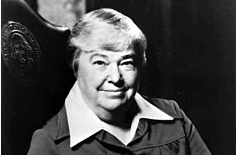
On September 3, 1914, Dixy Lee Ray was born. Her stint as governor of the State of Washington was a controversial one, as she economized in startling ways, and proved largely unsympathetic to environmentalist politics. Indeed, she later wrote Trashing the Planet, which took on trendy “solutions” to environmental problems, based in no small part on her own experience and perspective as a scientist. She was an early critic of the developing “global warming” pseudo-“consensus.”
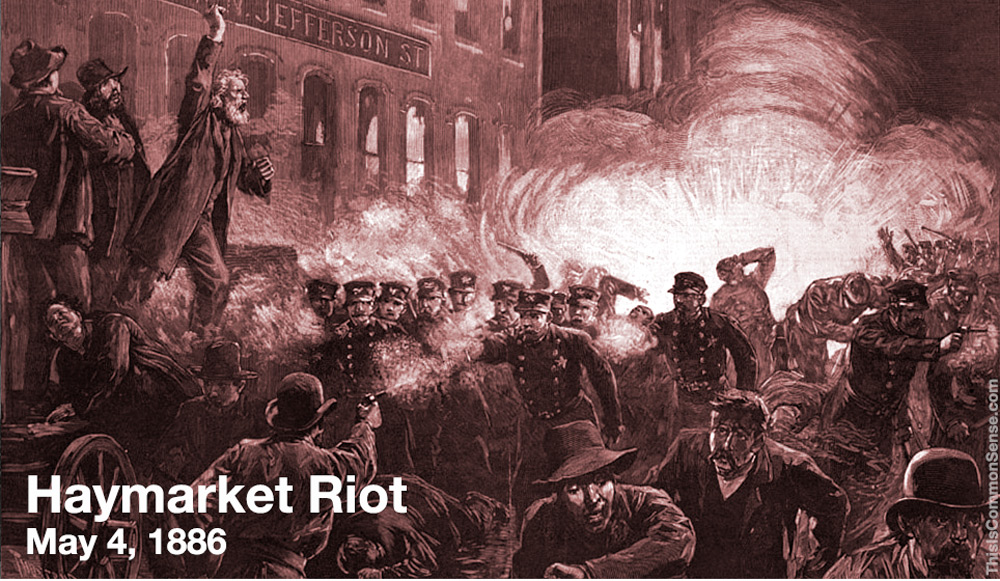
Most of us celebrate Labor Day by not working. Labor and celebration being distinct, this is not really as funny as it may sound.
The celebration became federal law in the late 19th century, a time beset by “labor unrest” and “agitation.” At least two major violent incidents at that time can help us understand the origins of our Labor Day, and reduce the current collective blood pressure.
The date of the first was May 4, 1886, a labor demonstration at Haymarket Square in Chicago that went very bad. This Haymarket Affair is one of those handful of stories in our high school history books we tend to remember, involving bombs, deaths, anarchists, hasty prosecution, hangings, pardons, and much more. People still argue about who is to blame. What we don’t argue with is the aftermath: the Second International of communist and socialist parties chose, in 1889, the ancient celebratory day of May 1 to commemorate the Haymarket riot as “International Workers’ Day.”
It has come to be known as “Labor Day” in some countries.
But other, less radical labor activists had already pushed a Labor Day for their cities and states before Haymarket, and they had chosen early September as the proper time for a celebration of “the working man.” A majority of states had enacted early September labor holidays by 1894.
In June of 1894, Congress passed legislation making the first Monday of September “Labor’s Holiday.”
President Grover Cleveland signed the bill into law mere days after the Pullman Strike ended — with a not quite universal judgment that he had mishandled it. Cleveland’s intervention in the strike led to a higher body count and more property damage than the Haymarket riot. That being said, it does not appear to have moved President Cleveland as much as you might think — he did not spearhead the Labor Holiday legislation, and his signature is not as important as it may seem, since congressional support was high enough to override any veto.
Associated then with activism to increase the economic and legal power of unions, to this day the official Labor Day in September serves as an alternative to the more radical celebrations in May. But both seem antiquated, now. Our alleged “radicals” today have shifted their focus from labor remuneration and working conditions to providing to workers and non-workers alike free stuff.
And union participation in America, which waxed up until about the time I was born, has waned since. Only the government worker segment is heavily unionized today.
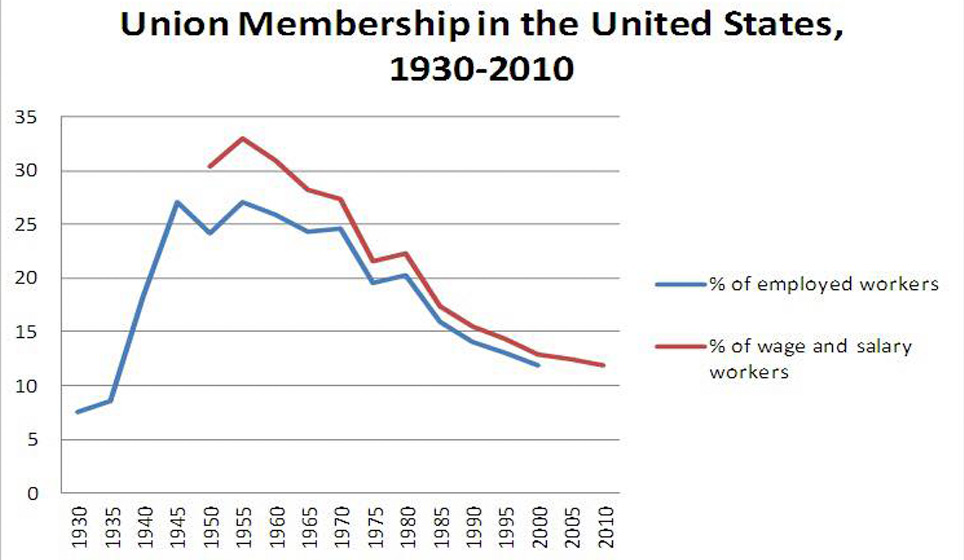
Nowadays, Labor Day has about the same symbolic and political significance as Arbor Day.
The most important lesson may be this: we talk about how divided the country is, politically and culturally. But the level of foment is not nearly as violent as it was when Labor Day became a national holiday.
This is Common Sense. I’m Paul Jacob
See all recent commentary
(simplified and organized)
See recent popular posts
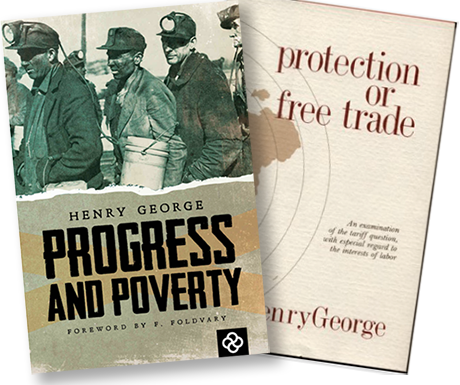
September 2 marks the 1839 birth of American economist and reformer Henry George. George is most famous for his 1879 treatise, Progress and Poverty, but made many other contributions, including advocacy of the secret ballot and his able economic policy polemic Protection or Free Trade (1886).
Your rights are protected by the inability of the Government to do things. That is what the Founders thought.
Ben Shapiro, The Ben Shapiro Show, Episode 849, “Tearing Down Our Institutions.”
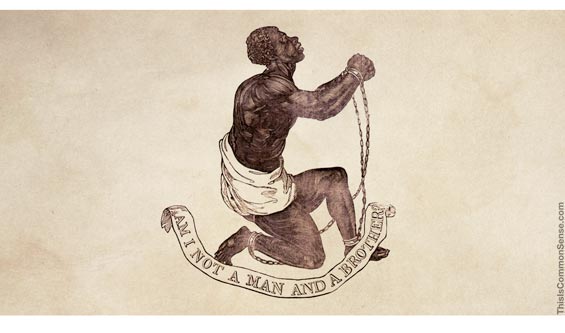
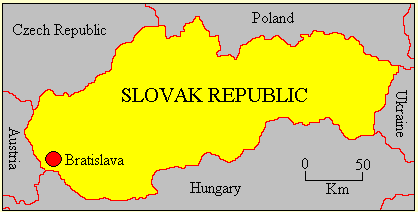
Slovakia celebrates a Constitution Day on September 1, for the Constitution passed by the Slovak National Council on September 1, 1992.
The Slovaks place their rights provision early in their document, like most American states, and not as amendments, as in the Constitution of the United States of America.
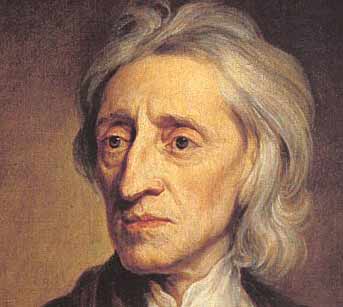
Men being, as has been said, by nature, all free, equal and independent, no one can be put out of this estate, and subjected to the political power of another, without his own consent.
John Locke, Second Treatise of Government (1689), Ch. VIII, sec. 95.