On December 23, 1783, George Washington resigned as commander-in-chief of the Continental Army, at the Maryland State House in Annapolis, Maryland.
Categories
A Resignation
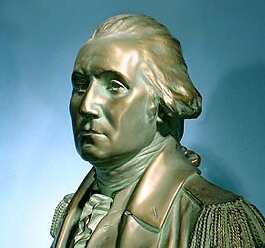
On December 23, 1783, George Washington resigned as commander-in-chief of the Continental Army, at the Maryland State House in Annapolis, Maryland.

This week on the podcast, Paul recaps last week’s big stories, adding requisite humor and wisdom.
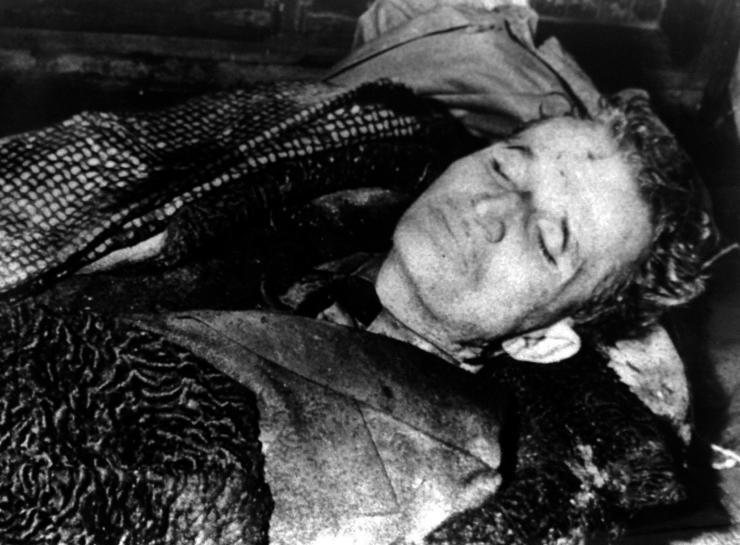
On December 22, 1989, Communist President of Romania Nicolae Ceaușescu was overthrown by Ion Iliescu after days of bloody confrontations. The deposed dictator and his wife fled Bucharest with a helicopter as protesters erupted in cheers.
The couple was quickly caught and, on Christmas day, tried by a military tribunal and executed by firing squad.
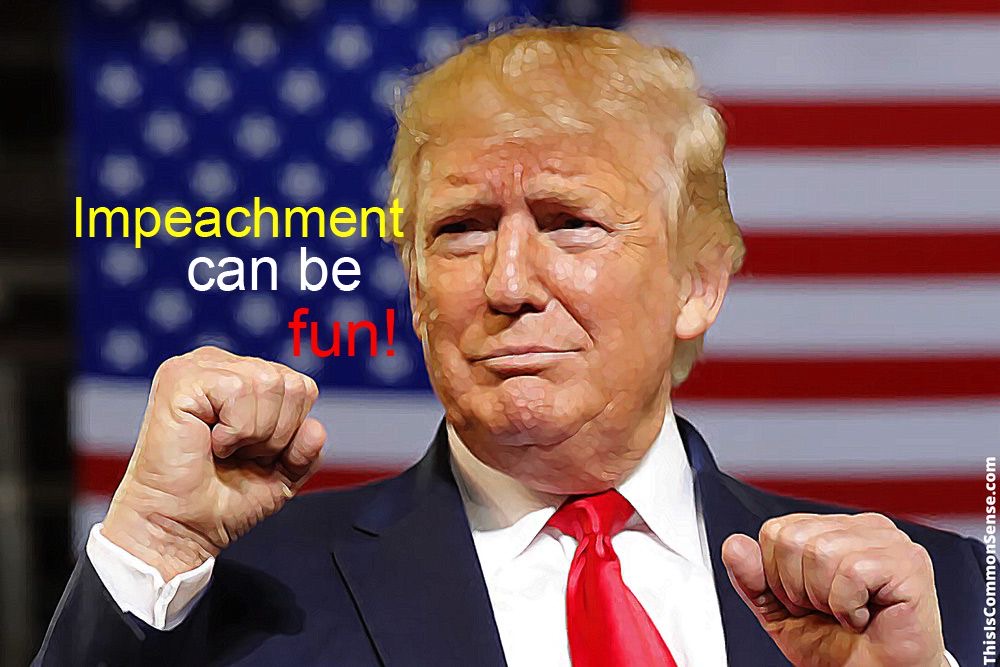
Paul defends the politicians? (Not exactly.) A “damning indictment”:
On December 21, 1620, William Bradford and the Mayflower Pilgrims landed on what is now known as Plymouth Rock in Plymouth, Massachusetts.
American settlers in Nacogdoches, Mexican Texas, declared their independence on December 21, 1826, starting the Fredonian Rebellion.
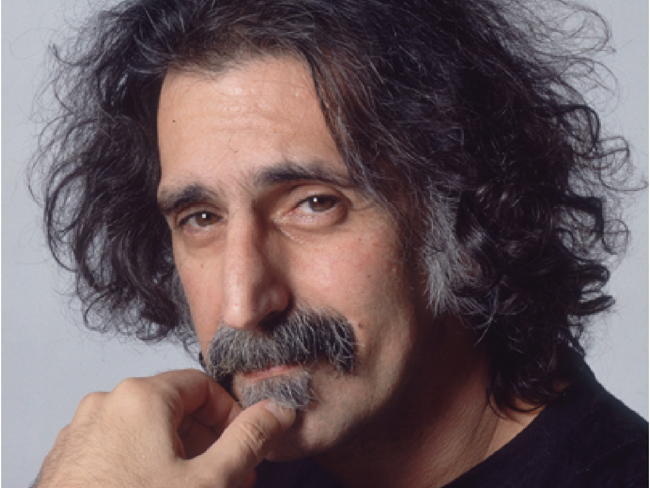
Avant-garde rock ’n’ roll guitarist, band leader, and composer Frank Zappa was born on this date in 1940. In 1985, Zappa testified before the United States Senate Commerce, Technology, and Transportation committee, attacking the Parents Music Resource Center or PMRC, a music organization co-founded by Tipper Gore, wife of then-senator Al Gore. Zappa was a passionate advocate for freedom of speech, self-education, political participation and the abolition of censorship. Describing his political views, Frank Zappa categorized himself as a “practical conservative,” or “independent.” He died in 1993.

“If I’m President, Betsy DeVos’s whole notion [of school choice], from charter schools to this, are gone.”
That’s what Joe Biden, presidential candidate, had to say this December at an education forum.
Charter schools are K-12 schools that are publicly funded but managed semi-independently— not by the standard educational bureaucracy. Biden’s repudiation represents a break with the Obama administration, which had voiced support for charter schools.
One reason for Obama’s support may have been that so many Democratic voters, like other voters, want an alternative to standard public schools.
According to a survey conducted by Beck Research, 56 percent of Democrats “favor the concept of school choice,” with “school choice” understood to mean giving parents “the right to use tax dollars designated for their child’s education to send their child to the public or private school which best serves their needs.”
Once upon a time, Biden supported greater educational opportunity — explicitly, not just tacitly as a member of the Obama administration. But now he slams charter schools for taking money from public schools. (But in a different way from how public schools take money from taxpayers.) More and more, this man’s “moderation” seems indistinguishable from opposition to any even halting expansion of our freedom.
Andrew Cuff of the Commonwealth Foundation suggests that a Democratic presidential candidate who advocates school choice will gain an edge over his competitors — given the popularity of school choice among Democratic voters.
How about it, Joe? Flip-flop again.
But this time in favor of freedom.
And better education.
This is Common Sense. I’m Paul Jacob.

See all recent commentary
(simplified and organized)
See recent popular posts
On December 20, 1740, Arthur Lee — Revolutionary Era diplomat, spy, and Virginia delegate to the Continental Congress — was born. He practiced law in London from 1770 to 1776, where he wrote polemics against slavery and in defense of the American colonies’ resistance to the Townshend acts and other tyrannical British policies.
He was brother to Richard Henry Lee and Francis Lightfoot Lee.
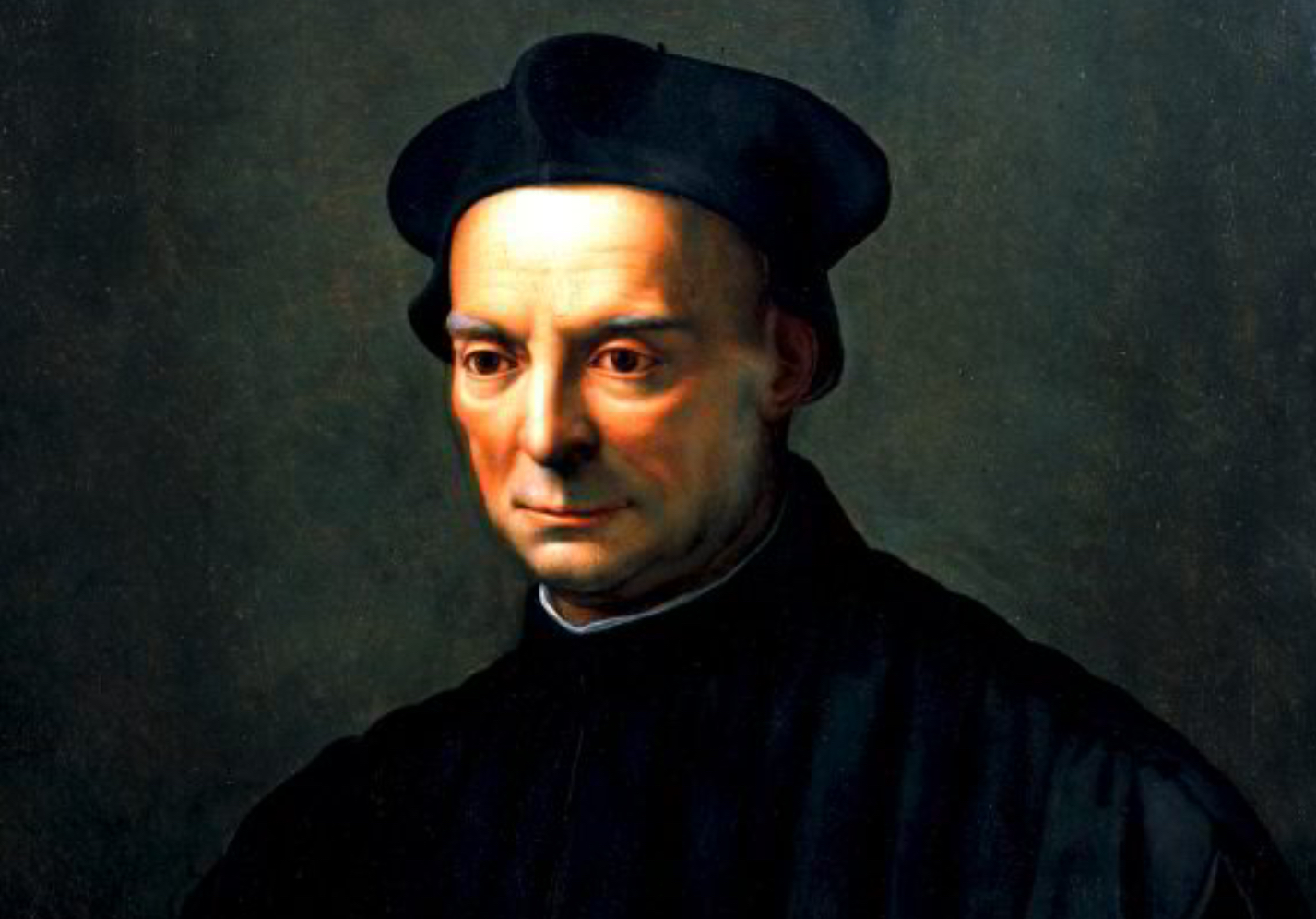
He who desires or wants to reform the State [government] of a City, and wishes that it may be accepted and capable of maintaining itself to everyone’s satisfaction, it is necessary for him at least to retain the shadow of ancient forms, so that it does not appear to the people that the institutions have been changed, even though in fact the new institutions should be entirely different from the past ones: for the general mass of men are satisfied with appearances, as if it exists, and many times are moved by the things which appear to be rather than by the things that are.
Niccolò Machiavelli, Discourses on Livy, XXV
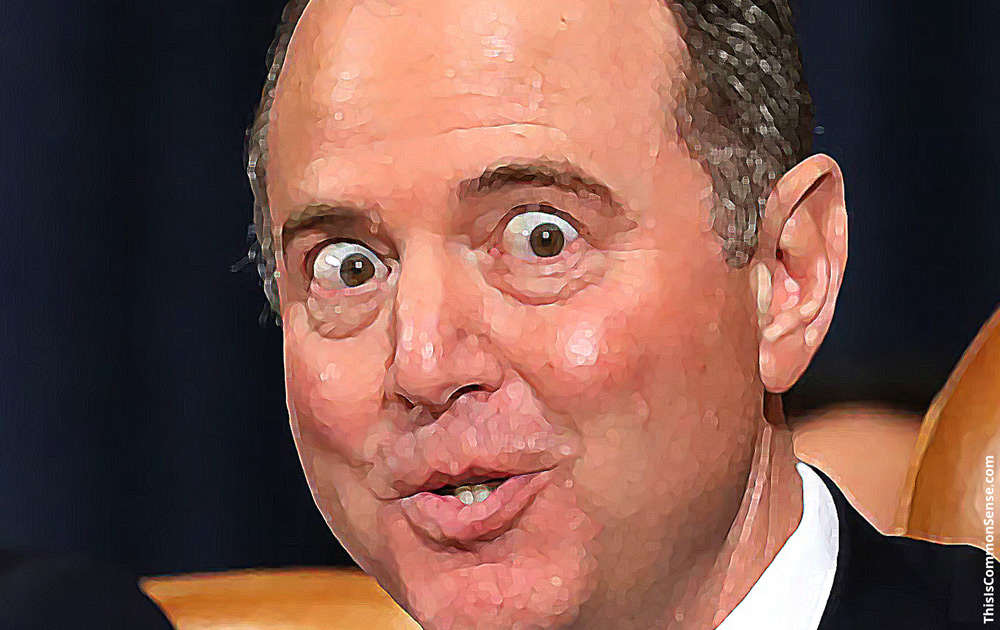
“The difference between this and parody?” asked Loserthink author Scott Adams, referring to Adam Schiff’s latest rationale for impeaching the president. His answer: no difference.
“It’s completely merged.”
House Intelligence Committee Chairman Adam Schiff (D-Cal.), repeating a theme he had been pushing all week on talk shows, had tweeted to explain why the Democrats “had to move forward with articles of impeachment:
The threat persists.
The plot goes on.
And Trump’s efforts to cheat in the next election will never stop.
The President — and his lawyer — continue to make the case for his own removal.
Scott Adams found it impossible not to see this as an appeal to ‘pre-crime’ to distract us from the paucity of evidence the two impeachment committees had collated.
After yesterday’s deed had been done, Schiff castigated Republicans for failing to vote for the “historic” impeachment. “They have made their choice and I believe they will rue the day that they did.”
Adams thinks it will be Schiff to rue Impeachment Day, 2020. By genius or luck, President Trump has egged Democrats to do the one thing that will help him most: play Bad Boy and survive impeachment, making Democrats look ridiculous in the process.
He knows it: “It doesn’t really feel like we’re being impeached,” Mr. Trump said as the impeachment votes were tallied in the House, using the Majestic Plural.
Only if the Senate convicts Trump will this scenario not help the president.
“We” for Trump refers (obviously) to himself and the people . . . who voted for him.
But he had made a more telling remark earlier: “I’m the only politician in history that have [sic] kept more promises than I made.”
Impossible? Sure.
But funny.
The president’s Yogi Berra-ism was deliberately hyperbolic.
The Democrats’ form of comedy seems . . . less advertent.
This is Common Sense. I’m Paul Jacob.
See all recent commentary
(simplified and organized)
See recent popular posts
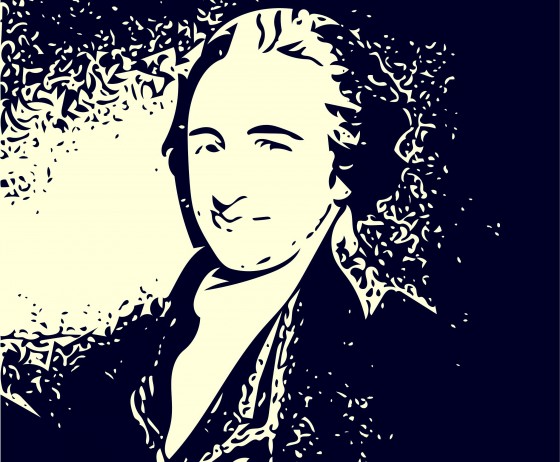
On December 19, 1776, Tom Paine published one of a series of pamphlets in the Pennsylvania Journal titled The American Crisis. Exactly one year later, George Washington’s Continental Army went into winter quarters at Valley Forge, Pennsylvania.
On December 19, 1828, Vice President of the United States John C. Calhoun penned the South Carolina Exposition and Protest, protesting the Tariff of 1828, a key moment in what became known as the Nullification Crisis.