Tucker’s out (sorta?) and Paul’s in (definitely!):
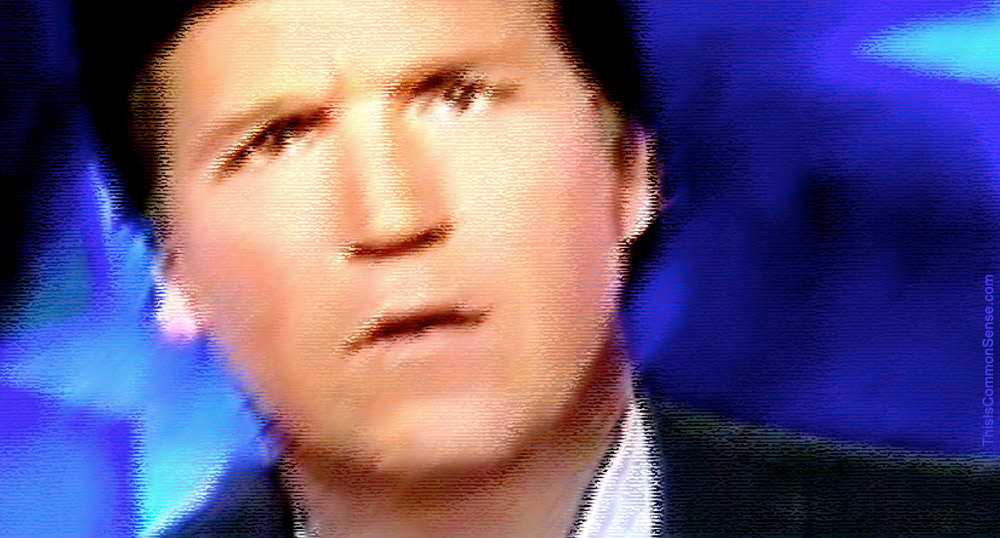
Tucker’s out (sorta?) and Paul’s in (definitely!):
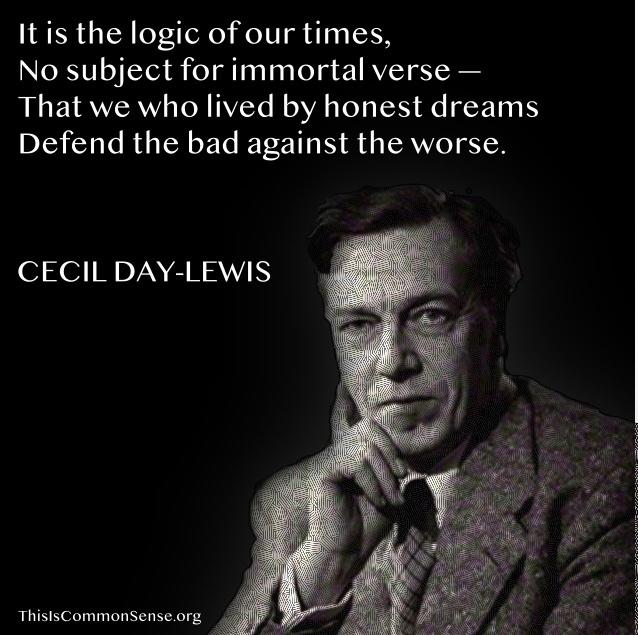
It is the logic of our times,
Cecil Day-Lewis, Where are the War Poets? (1943).
No subject for immortal verse —
That we who lived by honest dreams
Defend the bad against the worse.

On April 29, 1945, U.S. troops of the Seventh Army liberated the Dachau concentration camp.

The Fox News commentator and host of his own show was fired, so abruptly that his people didn’t know it until they showed up for work Monday morning.
Carlson was Fox’s first-string, pulling in not only more viewers than anyone else on Fox, but anyone else on cable television. Since his ouster, viewership of Fox’s line-up — and most significantly the Tucker Carlson Tonight time slot — plummeted.
Fox News owner Rupert Murdoch made the decision. This sort of self-sabotage is breathtaking to behold. It’s the second time in recent years that Fox News has ousted its most lucrative talent.
You may remember that Bill O’Reilly, whom Tucker replaced, was let go because of the many sexual misconduct lawsuits Fox had been forced to pay out. It was not immediately clear why Tucker Carlson got the boot.
Initial theories focused on the Dominion lawsuit, but that seemed implausible to those who followed the story closely. Most viewers believed the firing was ideological in nature. Murdoch is very establishment-oriented, and Tucker Carlson has increasingly become anti-establishment. And on his semi-penultimate show, he lectured about the dominance of Big Pharma advertising on cable TV, and
This.
Is.
Just.
Not.
Done.
As the week wore on, a more intriguing theory emerged: Rupert Murdoch did not like Tucker’s Heritage Foundation speech over the weekend, in which the Fox anchor entreated his audience to pray for the future of America. Murdoch is said to hate that sort of thing, especially since he jilted a former future Mrs. Murdoch (that is, a fiancée) for her over-religiosity.
I cannot imagine anyone praying for Fox News.
Not, it seems, even Rupert Murdoch.
This is Common Sense. I’m Paul Jacob.
Illustration created with PicFinder.ai and DALL-E2
See all recent commentary
(simplified and organized)
See recent popular posts
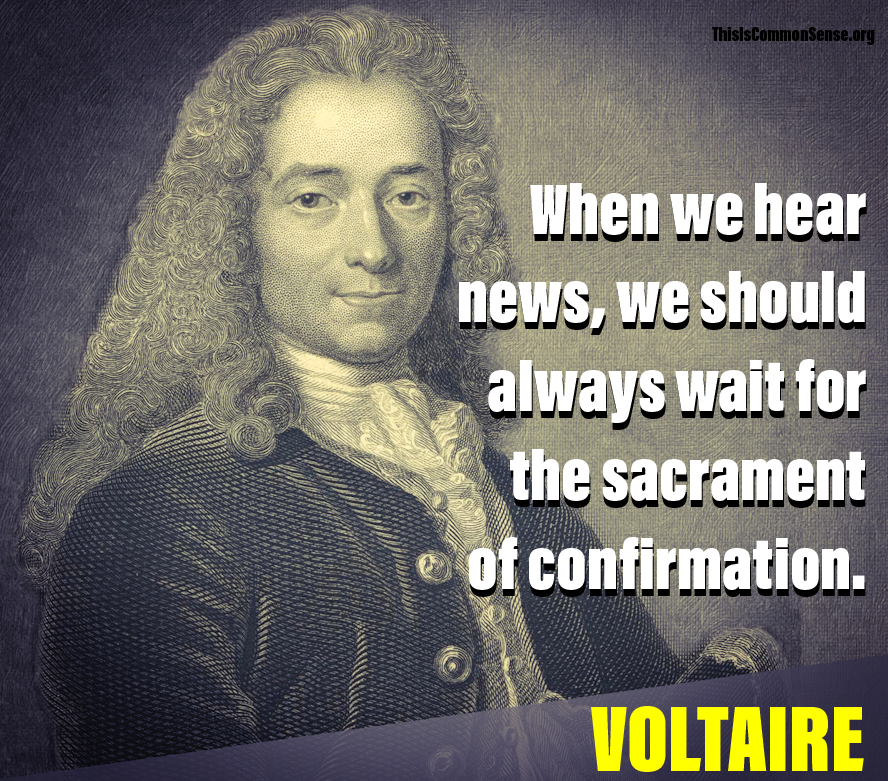
Il faut toujours en fait de nouvelles attendre
le sacrement de la confirmation.
When we hear news, we should always wait for the sacrament of confirmation.
François-Marie Arouet, aka Voltaire, Letter to Charles-Augustin Ferriol, comte d’Argental (August, 28, 1760).
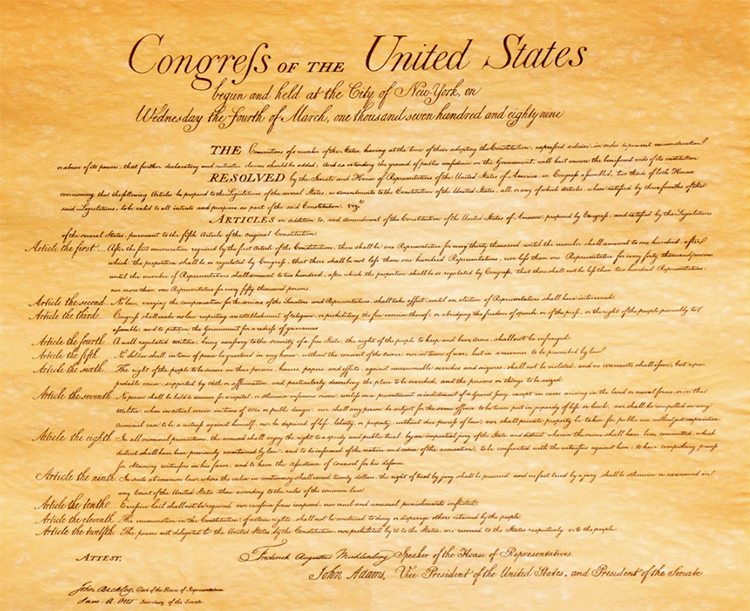
On April 28, 1788, Maryland became the seventh state to ratify the United States Constitution.
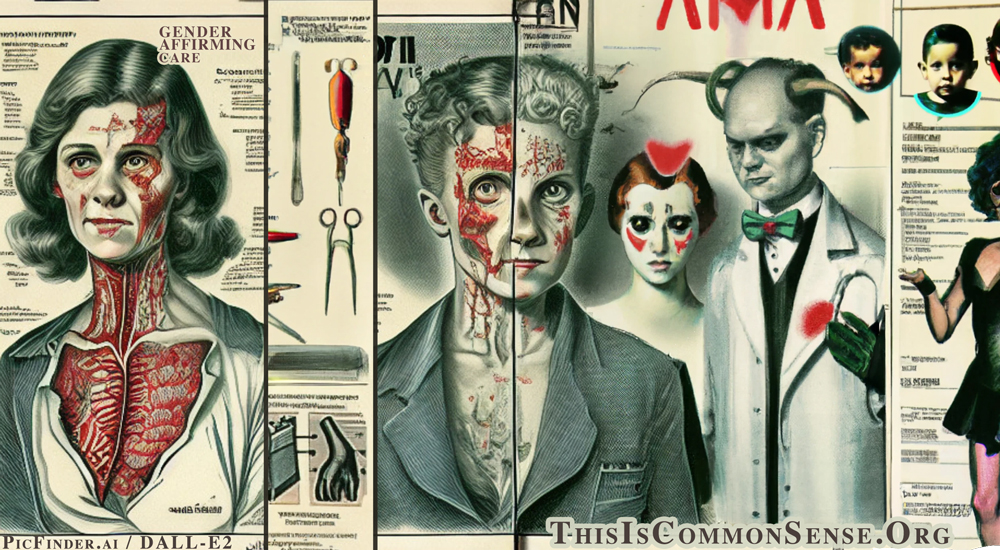
But consult this video.
One interviewee who performs sex-change surgery discusses the “informed consent” of 14-year-olds. This doctor acknowledges that many children who agree to puberty blockers and surgery — changing their bodies irreversibly — end up regretting it.
“We talk about it [with the kids] but most of the kids are nowhere in any kind of brain space to really talk about it in a serious way. That’s always bothered me,” he says. “But you know, we still want the kids to be happy. Happier in the moment, right?”
“It’s everything you have been told doesn’t happen,” says my friend David Strom in his report on the Project Veritas investigation (“Undercover video: puberty blockers at 8, surgery as young as 10 in New York”).
“It happens,” David writes. “Watch the doctors who do it explain that they do and that they are eager to do it to even pre-adolescent children. Even admitting that the ‘science isn’t really settled,’ but hey, we’ll do it if you want.”
We don’t let kids do everything that adults may do because we know that it takes time for human beings to mature. Adults, too, may regret having undergone hormone blocking and genital surgery. But adults have the best chance, a real chance, to decide responsibly.
Peer-pressured, doctor-pressured, even legislature-pressured, and perhaps very confused 14-year-olds, 12-year-olds, 10-year-olds . . . and 8-year-olds . . . don’t have the same chance to make an adult decision.
This is Common Sense. I’m Paul Jacob.
Illustration created with PicFinder.ai
See all recent commentary
(simplified and organized)
See recent popular posts
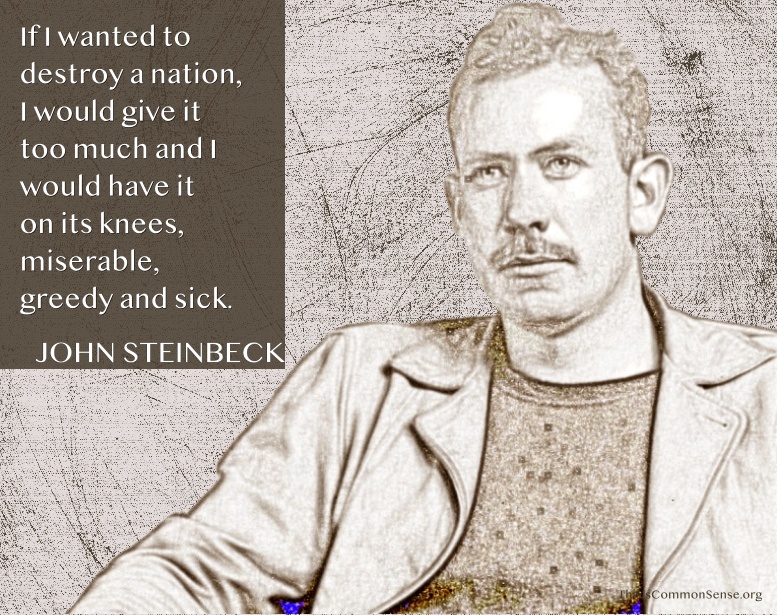
If I wanted to destroy a nation, I would give it too much and I would have it on its knees, miserable, greedy and sick.
Letter to Adlai Stevenson (November 5, 1959), quoted in The True Adventures of John Steinbeck, Writer : A Biography(1984), by Jackson J. Benson, p. 876.
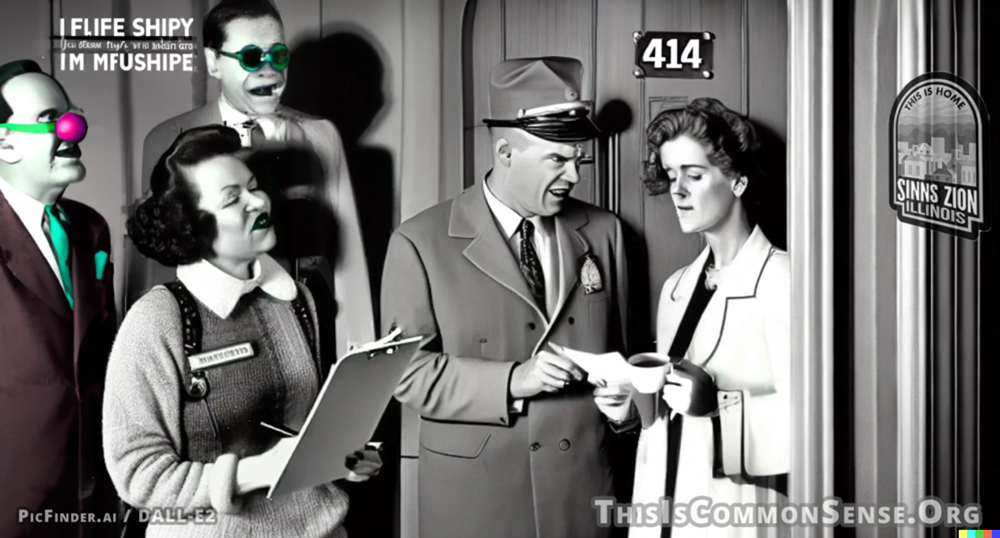
The Zion, Illinois, government can no longer send officials to barge into rented homes at will to conduct obnoxious inspections.
The inspection regime was instituted in 2015 by a mayor who blamed an excess of renters for the town’s financial troubles. The motive for the searches, then, may have been to make it more uncomfortable to rent in Zion. Seriously. As dumb and thuggish as that.
Robert and Dorice Pierce and their landlord were among the victims of this regime.
When an inspector showed up at the Pierces’ door, they told him to get a warrant. But judges don’t generally accept “important to harass tenants” as a reason for issuing warrants. In any case, any respect for constitutional constraints was incompatible with the very nature of these intrusive practices.
So Zion’s response was to threaten the landlord, Josefina Lozano, with daily and mounting fines until she compelled the Pierces to capitulate. That’s when the trio turned to the Institute for Justice and decided to go to court.
This was familiar territory for IJ, which in the 1990s had successfully fought a similar inspection regime in Park Forest, Illinois.
And now, after three years of judicial proceedings, IJ and its clients have secured a consent decree prohibiting the warrantless inspections and prohibiting the fines.
But those who enacted this outrageous regime deserve a reprimand more stern than merely a loss in court.
This is Common Sense. I’m Paul Jacob.
Illustration created with PicFinder.ai and DALL-E2
See all recent commentary
(simplified and organized)
See recent popular posts
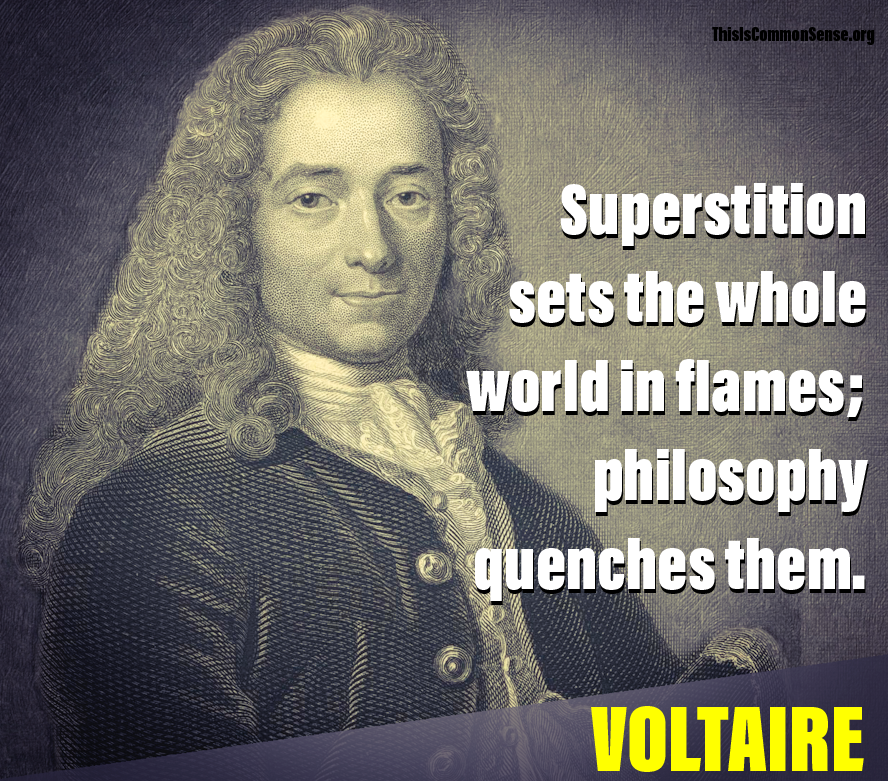
La superstition met le monde entier en flammes;
la philosophie les éteint.
Superstition sets the whole world in flames; philosophy quenches them.
François-Marie Arouet, aka Voltaire, Dictionnaire philosophique (1822), “Superstition.”