I’ve never noticed that being nonsensical keeps things from happening. Don’t you ever read about politics?
Murray Leinster, Time Tunnel (1964), second chapter, p. 22.
Categories
Murray Leinster
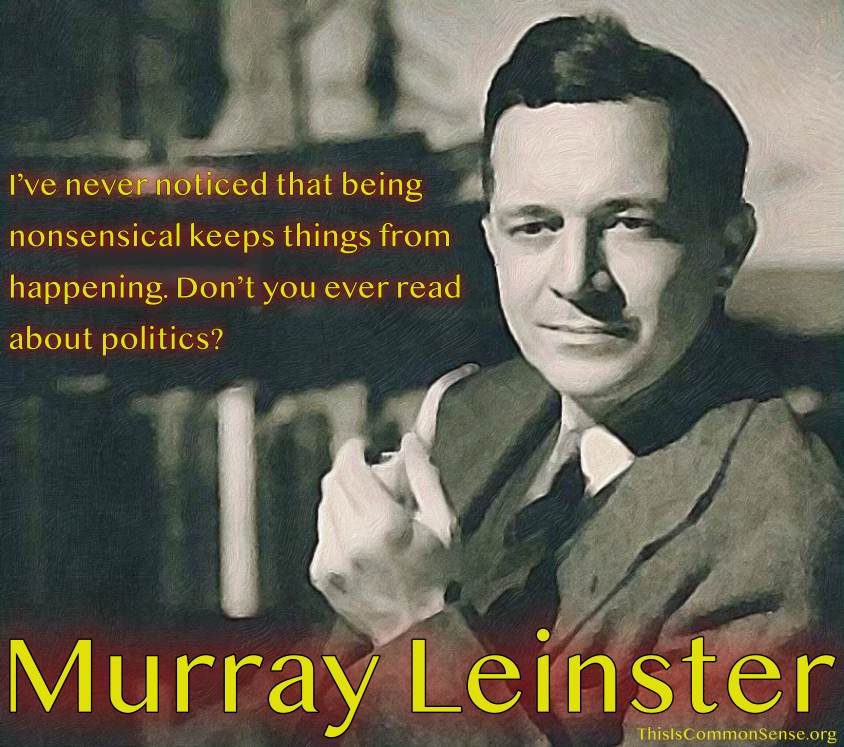
I’ve never noticed that being nonsensical keeps things from happening. Don’t you ever read about politics?
Murray Leinster, Time Tunnel (1964), second chapter, p. 22.
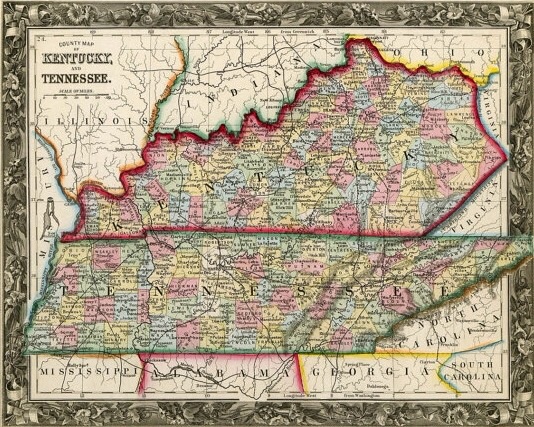
On June 1, 1792, Kentucky was admitted as the 15th state of the United States. Four years later, Tennessee became the 16th state.
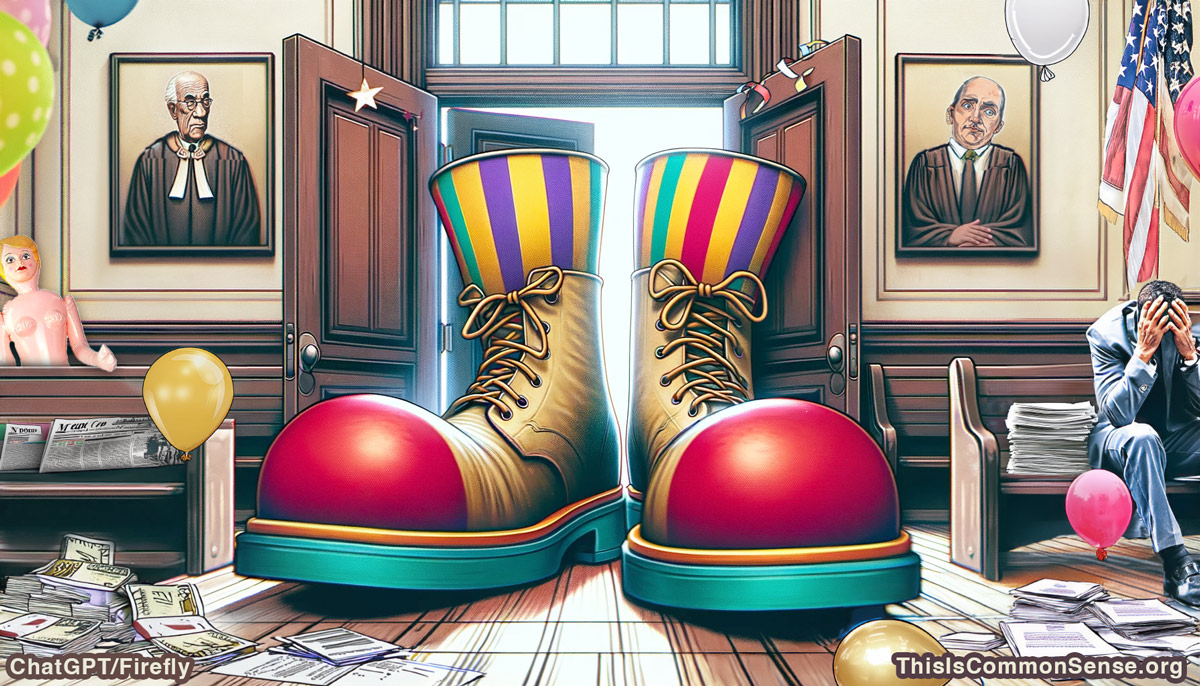
Guided by a corrupt judge, a New York City jury has found former President Trump guilty of all 34 of the District Attorney Alvin Bragg’s bogus charges. Something or other to do with Stormy Daniels, an alleged affair, paying off an extortionist, federal election laws, and bookkeeping.
With Trump targeted by so many show trials launched solely to punish his ascendancy and prevent his reelection, chances were that at least one of these elephantine efforts would extract a conviction. Even people lousy at darts hit the dartboard sooner or later if they throw a thousand darts.
As Katie Pavlich notes, during the trial prosecutors didn’t “focus on proving the fraud charges” but on “hush-money payments” and “irrelevant salacious details of an alleged affair.” Who needs a definable crime when Being Trump is crime enough?
The verdict made one reader at Instapundit “realize just how dependent the Democrats have become on appearing legitimate. Where there is no substance, form must take precedence. [So we’re] offered oppression as ‘democracy’ and Stalinist show trials as ‘justice.’”
There are so many irregularities in the charges and the conduct of the trial that the verdict is bound to be overturned on appeal.
By some court. Somewhere. No?
But the damage has been done. The worst politicos and operators are now high-fiving each other, little caring about implications and long-range effects. As if they cannot see the next step.
As if they cannot see they are behaving like the caciques of a banana dictatorship.
This is Common Sense. I’m Paul Jacob.
Illustration created with ChatGPT4o and Firefly
See all recent commentary
(simplified and organized)
See recent popular posts

There is no substitute for the comfort supplied by the utterly taken-for-granted relationship.
Iris Murdoch, A Severed Head (1961).
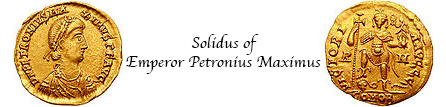
On May 31, 455 A.D., Emperor Petronius Maximus was stoned to death by an angry mob while fleeing Rome.
On that date in 1578, King Henry III laid the first stone of the Pont Neuf (New Bridge), the oldest bridge of Paris, France.
In other rock history, May 31, 2013, marked the closest approach to Earth that the asteroid 1998 QE2 and its moon will get until two centuries hence.

We’ll have to especially worry about this possibility, though, if trends at certain institutions continue — including at universities such as UCLA Medical School. There, up to half the students are now flunking basic tests of medical knowledge.
By design.
In November 2021, a new dean of admissions, Jennifer Lucero, “exploded in anger” because an admissions officer had doubts about admitting a black applicant whose academic credentials were way below the average of other students at the school.
“Did you not know African-American women are dying at a higher rate than everybody else?” she wanted to know, demonstrating a capacity for non sequiturs. Forget scores: “we need people like this in the medical school.”
The time for UCLA professors and admissions officers to raise hell about Lucero’s illegally race-conscious admissions policies was then, or sooner. At least now, though, many are speaking out.
“I don’t know how some of these students are going to be junior doctors,” one instructor tells the Free Beacon. “Faculty are seeing a shocking decline in knowledge of medical students.”
“I wouldn’t normally talk to a reporter,” says another. “But there’s no way to stop this without embarrassing the medical school.”
Well, word is out now — and in abundant detail. Let’s hope it’s not too late to set this school and others back on the right track.
This is Common Sense. I’m Paul Jacob.
Illustration created with PicFinder and Firefly
See all recent commentary
(simplified and organized)
See recent popular posts
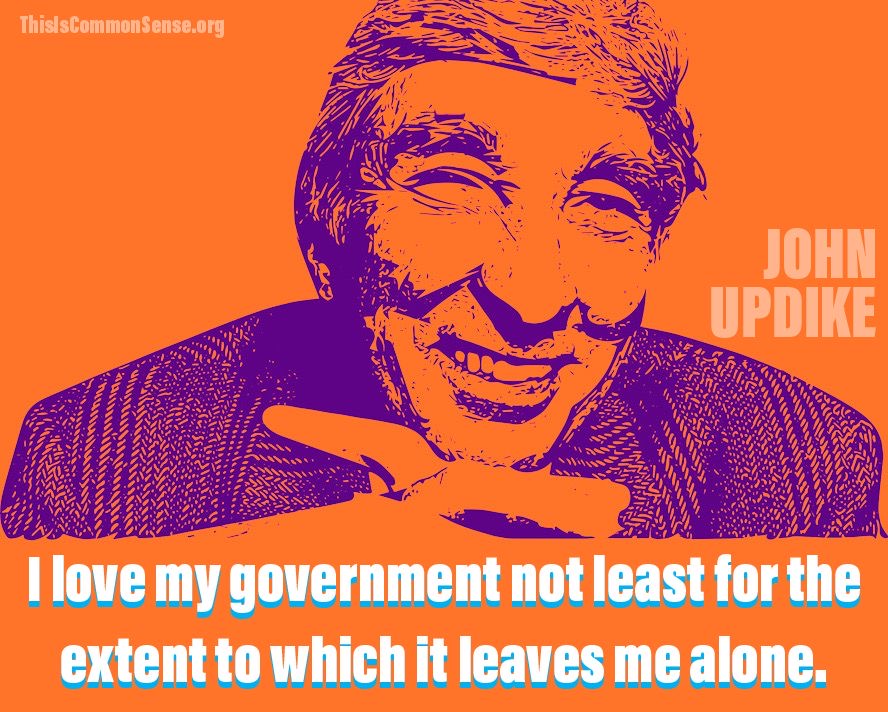
I love my government not least for the extent to which it leaves me alone.
John Updike, testifying before the Subcommittee on Select Education of the House of Representatives Committee on Education and Labor, Boston, Massachusetts (January 30, 1978).
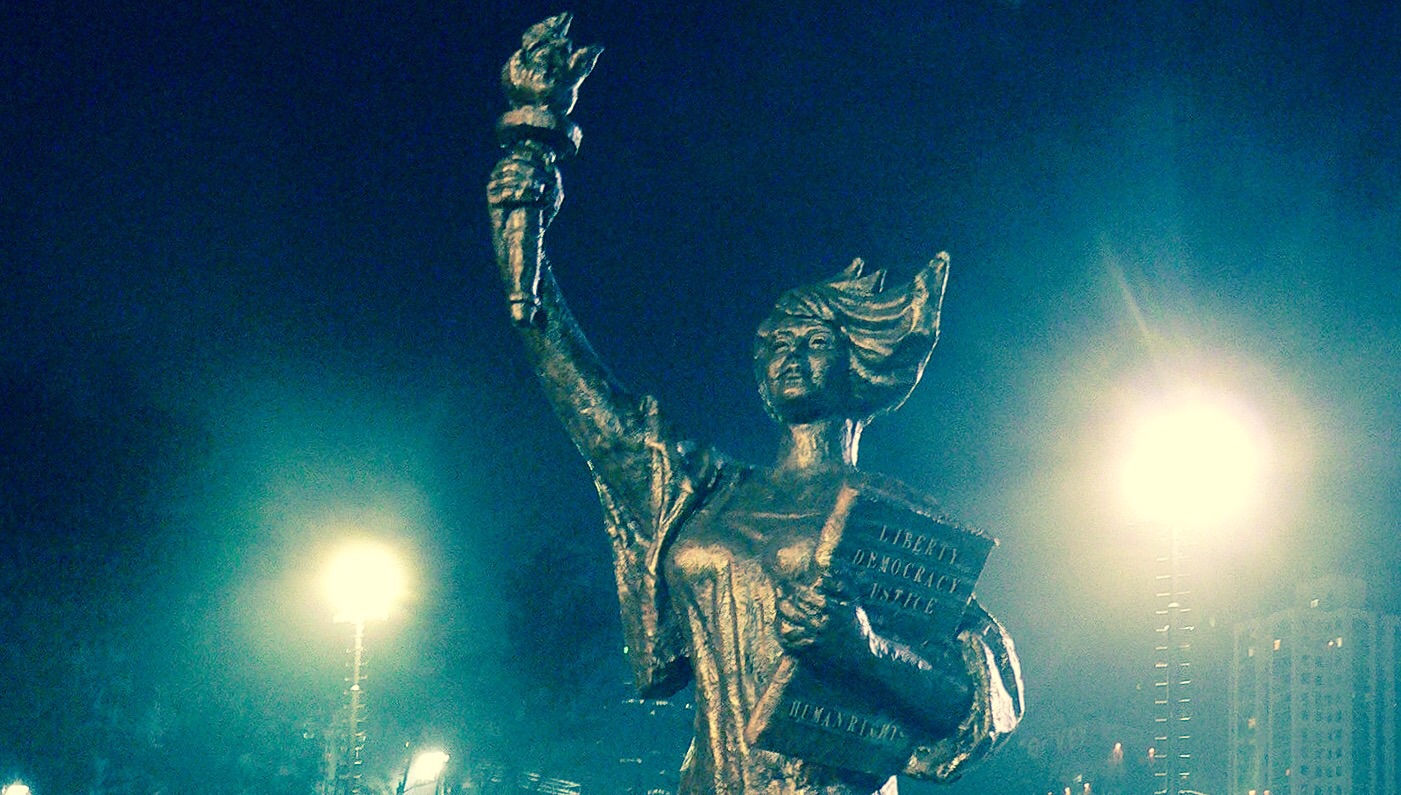
On May 30, 1989, student demonstrators unveiled a 33-foot high “Goddess of Democracy and Freedom” statue in Tiananmen Square.

While in the United States.
According to Senators Chuck Grassley and Ron Johnson, “whistleblower disclosures” reveal that while the Obama administration was negotiating with Iran to “prevent” it from acquiring nuclear weapons, “then-Secretary of State John Kerry actively interfered with [the FBI’s executing of arrest warrants] on individuals in the U.S. illegally supporting Iranian efforts . . . to develop weapons of mass destruction and its ballistic missile program.”
FBI agents were frustrated because, they said in emails, they had to ask field agents “to stand down on a layup arrest . . . and wait until the U.S. and Iran negotiations resolve themselves.”
At least one of the protected suspects was on a terrorism watch list.
Seriously?
We need John Kerry to play the bad guy in a revival of 24, trying to stop super-agent Jack Bauer from taking out terrorists because the U.S. is in the middle of shipping pallets of cash to the terrorism-sponsoring government. A very delicate operation that must be executed with hair-trigger precision and without antagonizing the terrorism-sponsoring recipients.
Kerry’s most recent job: Weather Envoy. He retired from it this year. Apparently, tweaking global climate isn’t as easy as he’d thought.
Could have been worse. This dour, long-faced pillar of pretense, Kerry, almost became President of the United States.
We must keep reminding ourselves of this.
This is Common Sense. I’m Paul Jacob.
Illustration created with PicFinder and Firefly
See all recent commentary
(simplified and organized)
See recent popular posts
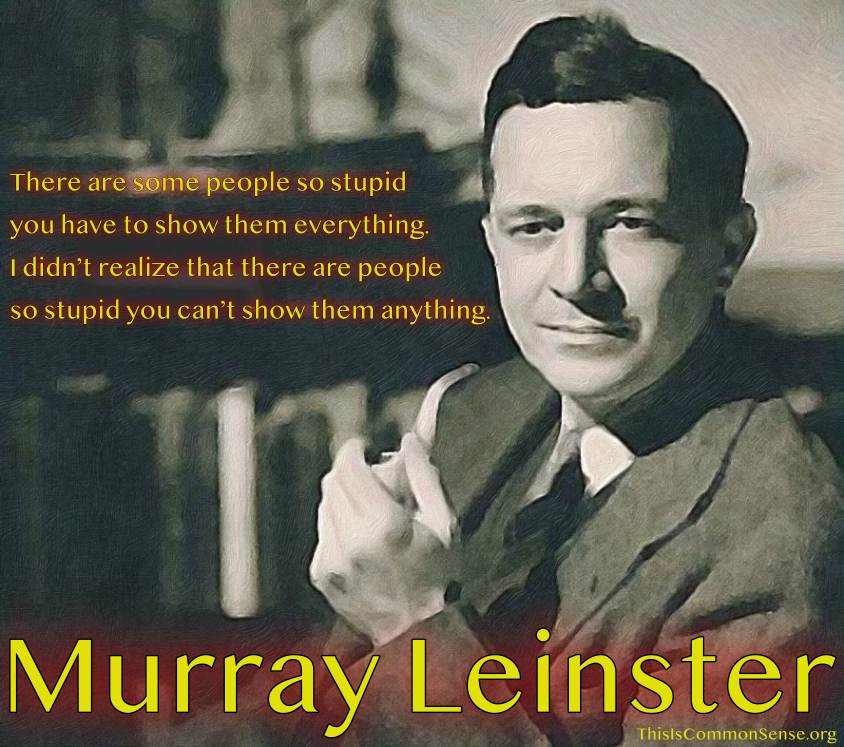
There are some people so stupid you have to show them everything. I didn’t realize that there are people so stupid you can’t show them anything.
Murray Leinster, The Pirates of Zan (1959).