On June 5, 1851, Harriet Beecher Stowe’s anti-slavery serial, Uncle Tom’s Cabin, or Life Among the Lowly, started its ten-month run in the National Era abolitionist newspaper.
Categories
Uncle Tom’s Cabin
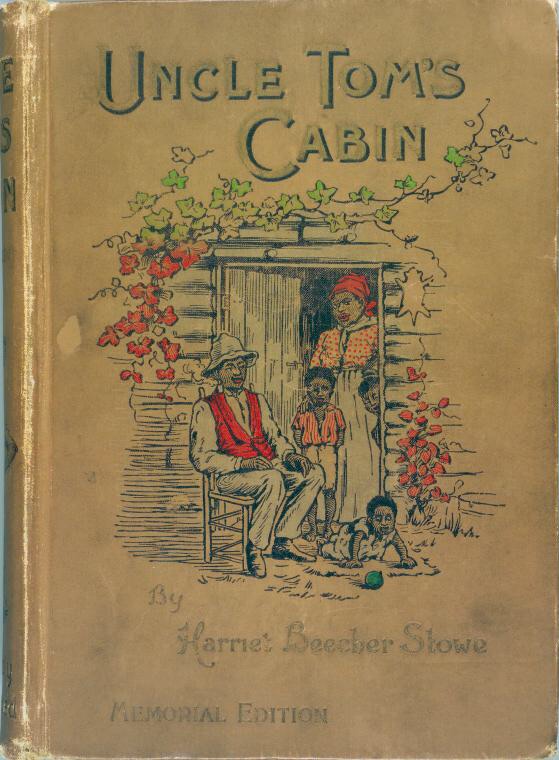
On June 5, 1851, Harriet Beecher Stowe’s anti-slavery serial, Uncle Tom’s Cabin, or Life Among the Lowly, started its ten-month run in the National Era abolitionist newspaper.

Under the policy of Sweden’s current government, the Swedish people are to be allowed to illuminate and heat their homes and do all the other things they use electricity for. The Swedish parliament has formally relinquished the government’s former target of somehow reaching “net-zero” renewable energy by 2045.
Such unreliable means of generating power as erratic wind and erratic sunshine just don’t cut it, says Finance Minister Elisabeth Svantesson.
“We need more electricity production, we need clean electricity, and we need a stable energy system. In substantial industrialized economies . . . only a gas-to-nuclear pathway is viable to remain industrialized and competitive.”
The new energy policy is an about-face for Sweden, which decided in the ’80s to nuke nuclear power and pursue 100 percent “renewable” energy.
Sweden is now following the lead of Finland. After Finland’s latest nuclear power plant went on line in April, reports Peta Credlin, “wholesale power prices dropped 75%, almost overnight. The Olkiluoto 3 plant is . . . delivering 15 percent of the country’s power needs. Nuclear now provides around half of the country’s total electricity generation.”
Nuclear power has gotten a bad rap in many countries, including the United States. But if societies and governments are rightly or wrongly determined to retreat from reliance on fossil fuels while also not pulling the plug on industrial civilization, a steady supply of electricity has to be obtained somehow or other.
Nuclear power is one major way to do the job.
This is Common Sense. I’m Paul Jacob.
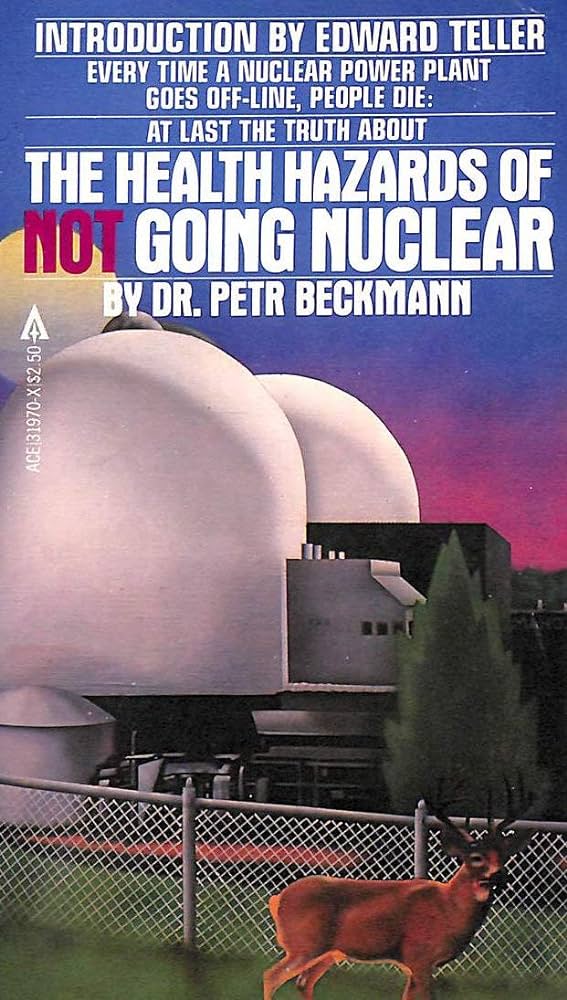
Illustration created with ChatGPT 4o
See all recent commentary
(simplified and organized)
See recent popular posts
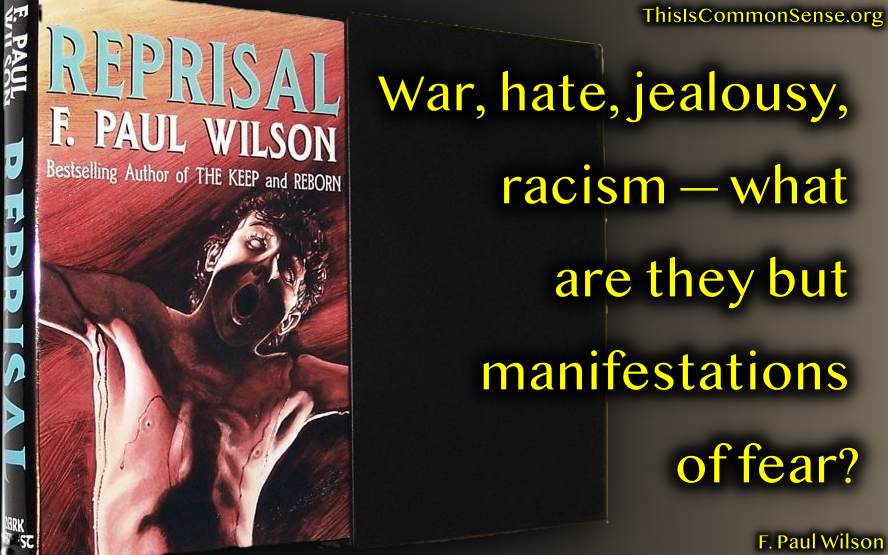
War, hate, jealousy, racism — what are they but manifestations of fear?
F. Paul Wilson, Reprisal (1991).
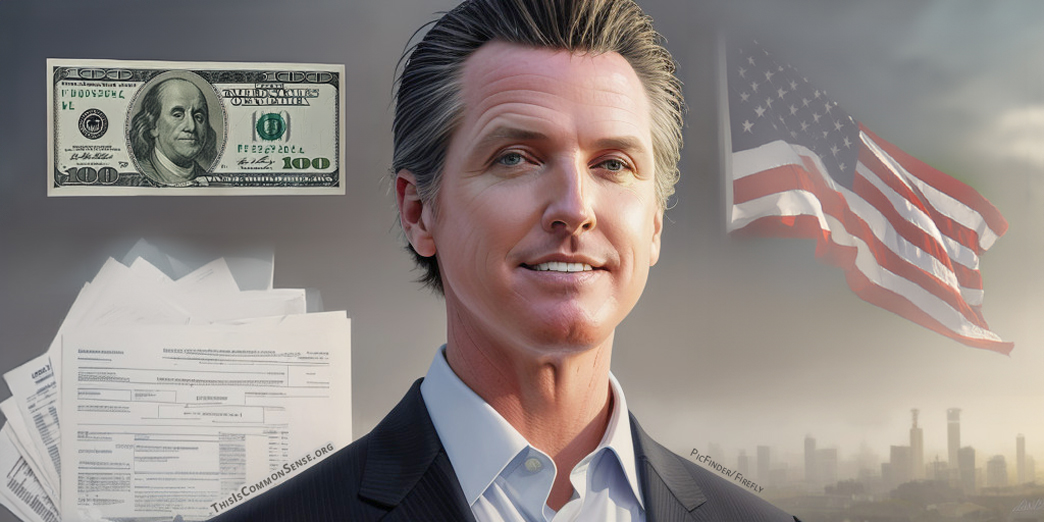
California’s lawmakers and governor recently imposed super-high minimum wages for workers in fast-food restaurants ($20 an hour) and workers in healthcare facilities ($25 an hour). When the legislation was in process, the impact on companies, customers, and job applicants was deemed irrelevant. What mattered was appeasing the labor lobby.
Governor Newsom is suddenly “realizing” (he’d been warned) that these new costs will also burden the state government, currently facing a $45 billion budget deficit.
But this isn’t causing him to seek repeal.
No. Instead, he has signed legislation granting an exception to the new minimum for fast-food restaurants that are on government land. “Democrats don’t want the mandate interfering with government concession licenses,” The Wall Street Journal observes.
And Newsom also wants to defer the kick-in of the new minimum wage for workers in healthcare facilities — which he projects would cost the state $4 billion more annually because of the impact on Medicaid and state-paid health workers — until state revenue is in better shape. He would also permanently exempt state-owned facilities from having to pay the new minimum.
Carveouts and minor delays are as far as the governor and lawmakers are willing to go. Whatever gets them past the uncomfortable present — the next moment and the one after are things to worry about later. With any luck, with time the voters will have forgotten the issue, and who caused what.
Exemptions are the order of the day for politicians and bureaucrats. Private sector businesses must remain on the rack.
This is Common Sense. I’m Paul Jacob.
Illustration created with PicFinder and Firefly
See all recent commentary
(simplified and organized)
See recent popular posts
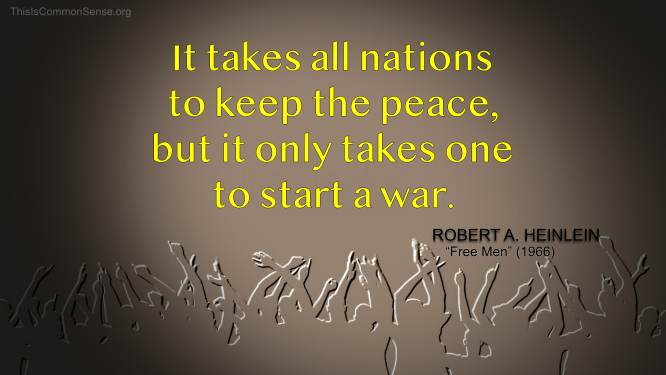
It takes all nations to keep the peace, but it only takes one to start a war.
Robert A. Heinlein, “Free Men” (1966).

Remember Tiananmen Square
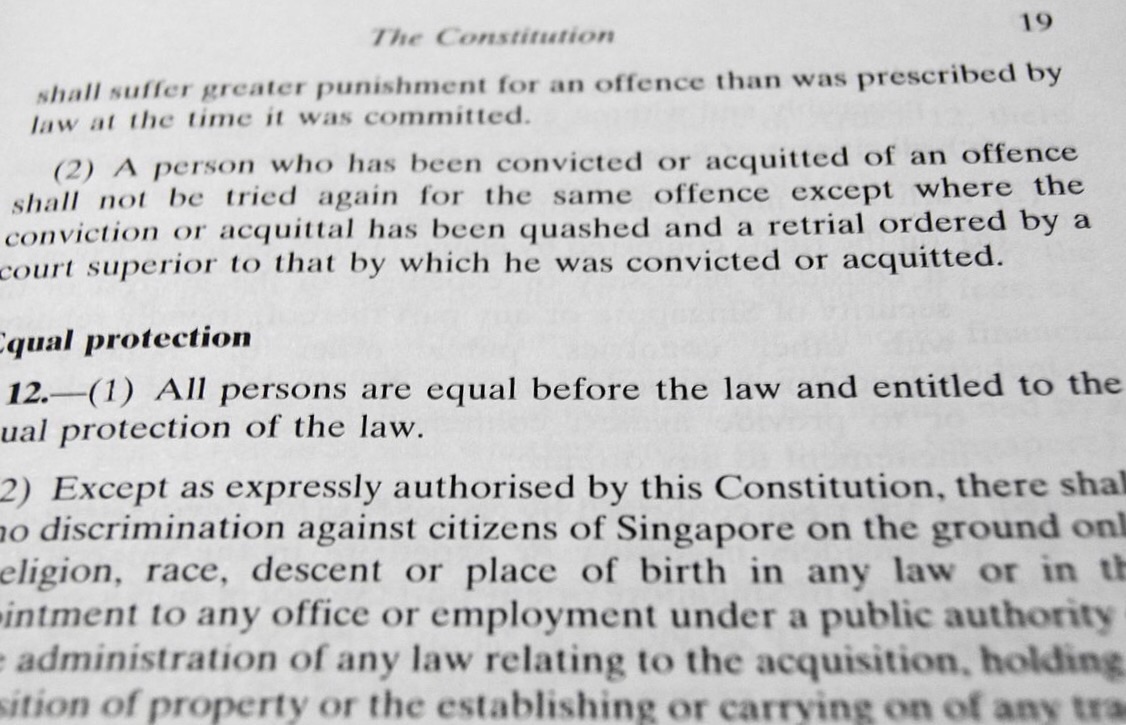
On June 3, 1959, Singapore adopted a constitution.
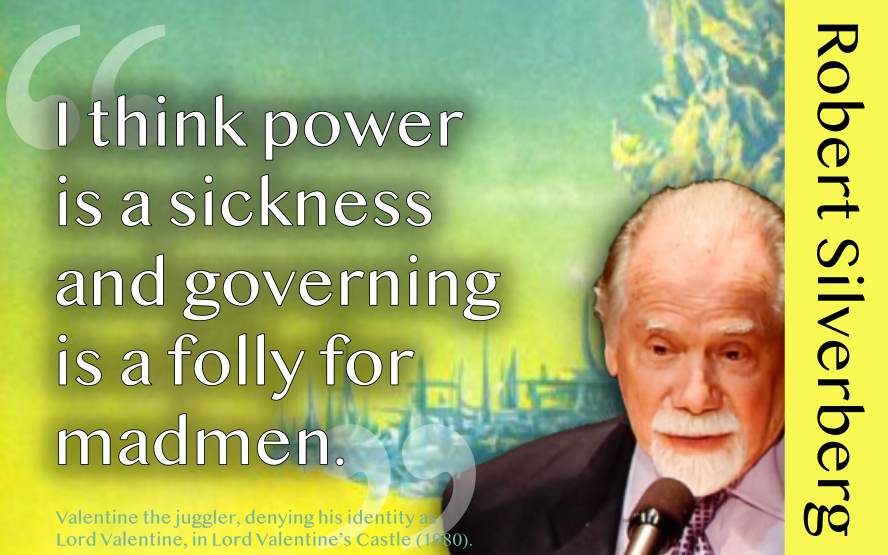
I think power is a sickness and governing is a folly for madmen.
Valentine the juggler, denying his identity as Lord Valentine, in Robert Silverberg, Lord Valentine’s Castle (1980), Book 1, Chapter 15 (p. 113).

On June 2, 1924, President Calvin Coolidge signed the Indian Citizenship Act into law, granting citizenship to all Native Americans born within the territorial limits of the United States.

Last weekend, we brought to you the spectacle of Donald Trump addressing the Libertarian Party in convention to nominate their presidential candidate. Donald Trump was not selected.
Who was? Well, after many ballots, the LP’s candidate is Chase Oliver. The Wikipedia entry begins:
Chase Russell Oliver (born August 16, 1985) is an American political activist, sales account executive, HR representative and nominee of the Libertarian Party for the 2024 United States presidential election. Oliver was the Libertarian candidate for the 2022 United States Senate election in Georgia and the 2020 Georgia’s 5th congressional district special election.
Mr. Oliver is the woke opposite of what the dominant faction in the party (called the Mises Caucus, which won most of the internal party seats, again, at this convention) was planning for and hoping for and working towards, but their candidate, Michael Rectenwald, lost on the penultimate round of balloting.
There were many typically political shenannigans involved in the selection, and the state of Oliver’s candidacy is up in the air, at least in one sense: most of the smart money is that he will nowhere reach the 3 percent level in the general election that Trump taunted his booers at the convention.
If he does well, however, that would effectuate a major shift in Libertarian Party politics.