Categories
Thought

Murray Leinster

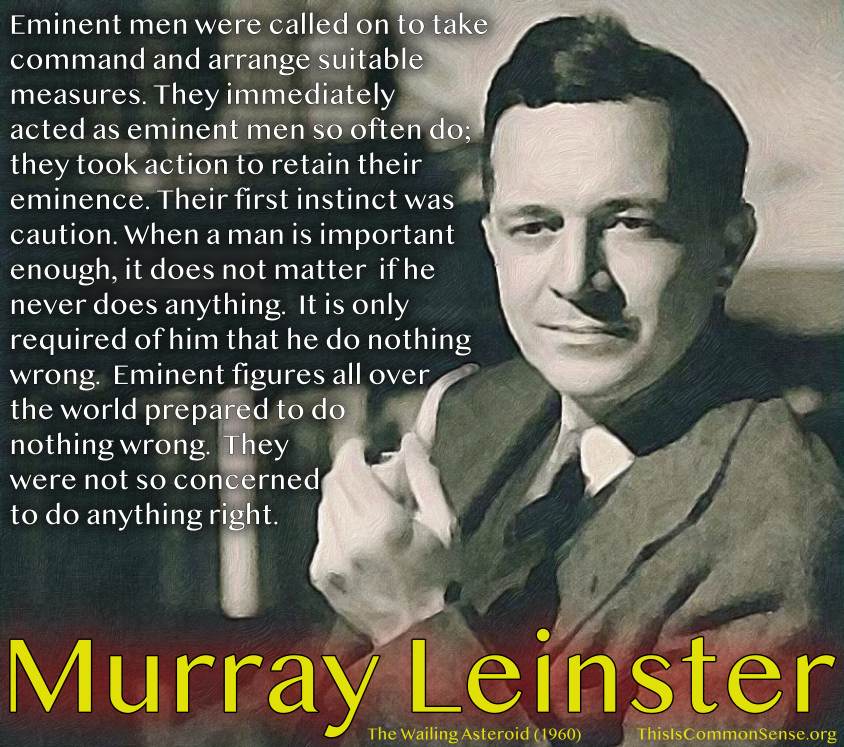
Eminent men were called on to take command and arrange suitable measures. They immediately acted as eminent men so often do; they took action to retain their eminence. Their first instinct was caution. When a man is important enough, it does not matter if he never does anything. It is only required of him that he do nothing wrong. Eminent figures all over the world prepared to do nothing wrong. They were not so concerned to do anything right.

Murray Leinster, The Wailing Asteroid (1960), Chapter 3 (pp. 32–33).
Categories
Today

Founders, Fathers

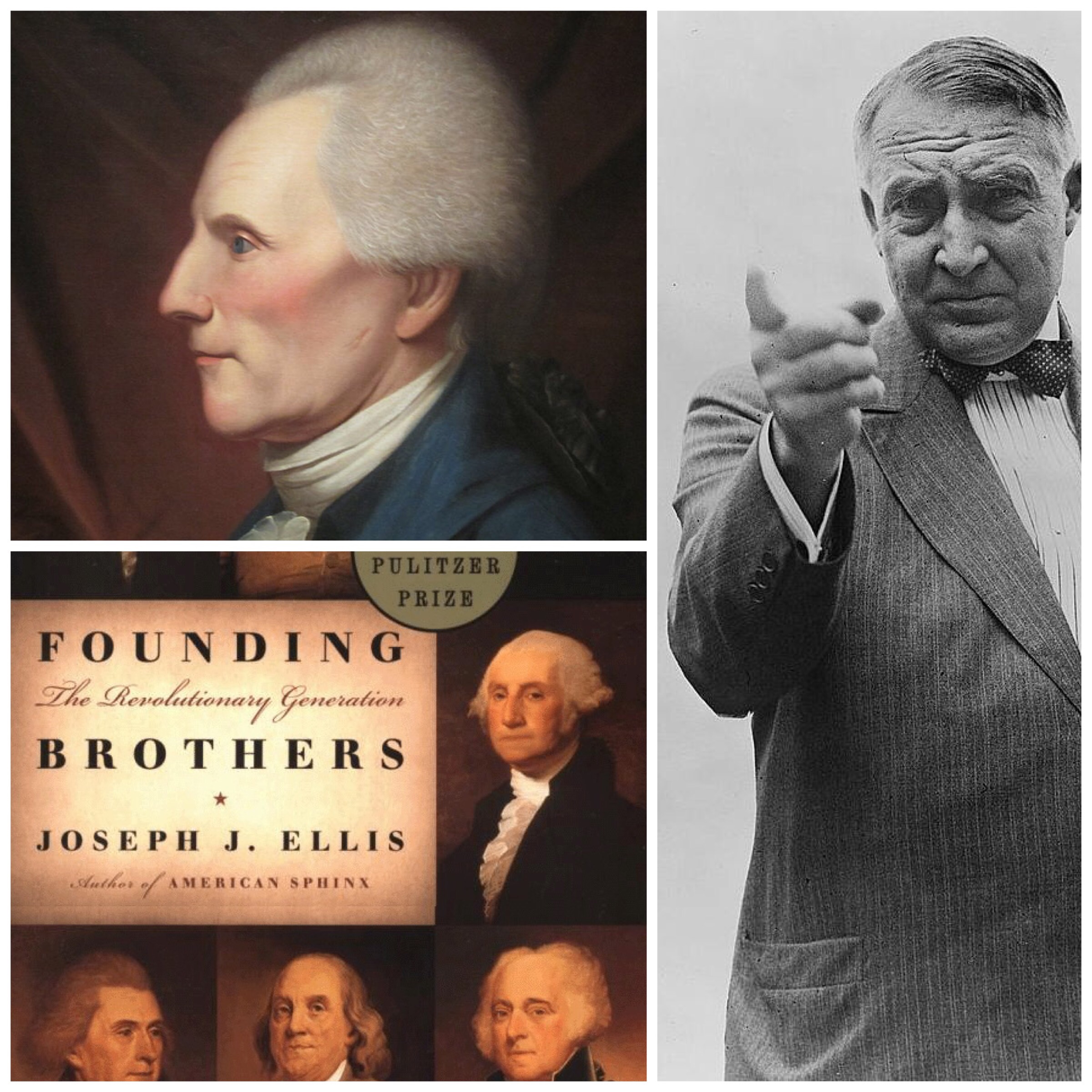
On June 7, 1776, Richard Henry Lee presented the “Lee Resolution” to the Continental Congress. The motion was seconded by John Adams, but was tabled for several weeks. The motion was finally passed on July 2, 1776.

During the 1916 Republican National Convention (June 7 – 10), Senator Warren G. Harding used the phrase “Founding Fathers” in his keynote address . . . and would go on using it in speeches thereafter. It caught on as a eulogistic way to refer to figures such as Thomas Jefferson and, yes, Richard Henry Lee, who orchestrated the American colonies’ break from England’s imperial monarchy.

Categories
Fourth Amendment rights judiciary property rights

Against Government Invasion

Unconstitutional searches of private property by a renegade Tennessee government agency may be coming to an end.

Unanimously upholding an earlier decision, a Tennessee Court of Appeals has ruled that no, Tennessee Wildlife Resources Agency employees have no right to ignore No Trespassing signs on private land — not even to enter it, let alone install cameras there in search of a crime.

The court ruled in a case brought by the Institute for Justice on behalf of Terry Rainwaters and Hunter Hollingsworth.

“TWRA claimed unfettered power to put on full camouflage, invade people’s land, roam around as it pleases, take photos, record videos, sift through ponds, spy on people . . . all without consent, a warrant, or any meaningful limits on their power,” says IJ attorney Joshua Windham.

“This decision confirms that granting state officials unfettered power to invade private land is anathema to Tennesseans’ most basic constitutional rights.”

The ruling cites the observation of legal scholar John Orth that “‘general warrants’ and ‘writs of assistance,’ authorizing officers to search anyone, anytime, for evidence of any crime” were among the abuses leading to adoption of the Fourth Amendment of the U.S. Constitution prohibiting “unreasonable searches and seizures.”

“The various state constitutions adopted after the Revolution almost invariably forbade the practices,” Orth notes.

According to the new ruling, Tennessee’s constitution does too. But we may not be quite done. The TWRA can appeal, which means that the case may end up in the Tennessee Supreme Court.

This is Common Sense. I’m Paul Jacob.


PDF for printing

Illustration created with PicFinder and Firefly

See all recent commentary
(simplified and organized)
See recent popular posts
Categories
Thought

F. Paul Wilson

Reality is what trips you up when you walk around with your eyes closed.

F. Paul Wilson, Healer (1976).
Categories
Today

Two Philosophers, Many Concepts

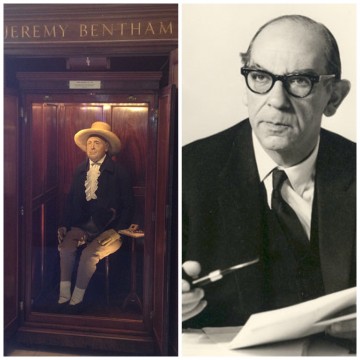
June 6 marks major life events of two eminent British philosophers, Jeremy Bentham’s death* (1832) and Isaiah Berlin’s birth (1909).

Bentham was known as a “philosophical radical” and a major influence on the British utilitarian tradition. He authored numerous books, including Defence of Usury (1787) and An Introduction to the Principles of Morals and Legislation (1789). Bentham started out advocating for laissez faire, became obsessed with his own specially designed prison design, the Panopticon, and argued for feminism and animal rights in public but kept his defense of homosexual rights private, to be published long after his death. His treatise on ethics, Deontology: Or, the Science of Morality, in Which the Harmony and Co-incidence of Duty and Self-Interest, Virtue and Felicity, Prudence and Benevolence, Are Explained and Exemplified, was published from his manuscripts two years after his death.

Berlin was best known for several dozen brilliant essays, including the famous, much-quoted “The Hedgehog and the Fox” (a study of Leo Tolstoy) and “Two Concepts of Liberty.”


* Pictured is his remains as housed in a special “closet” in the London Academy. Bentham specified this in his will, and he called this manner of posthumous presentation an “auto-icon.”

Categories
judiciary national politics & policies regulation

Regulatory Pressure?

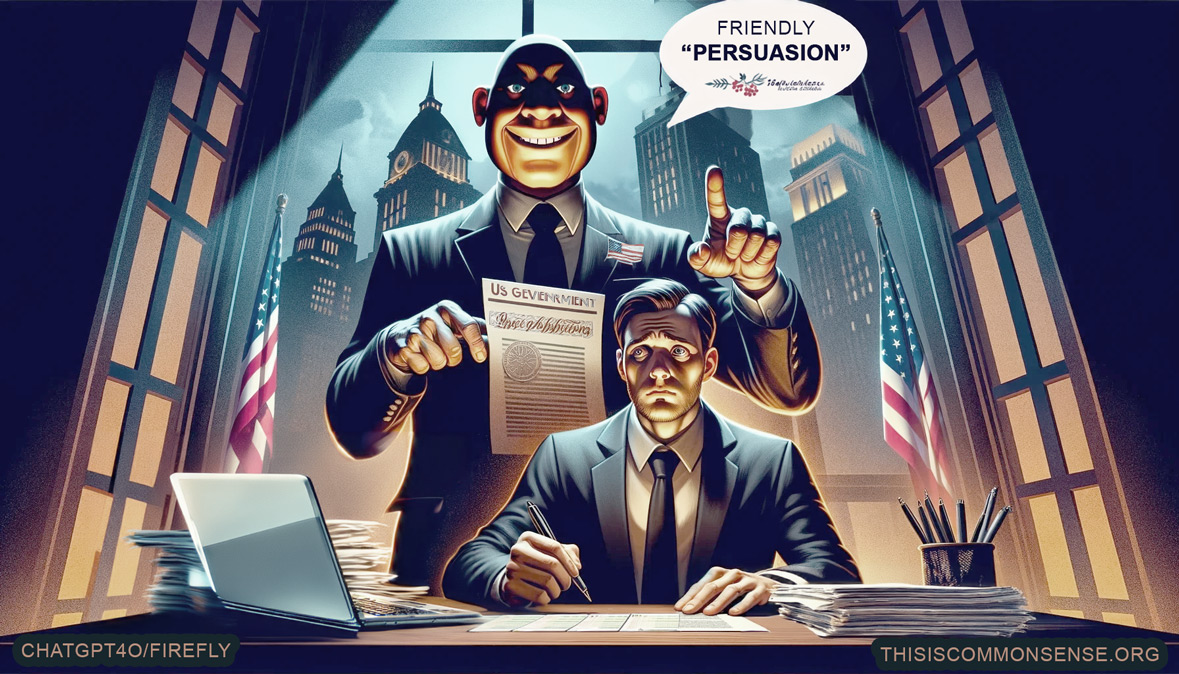
Should government regulators be able to urge financial institutions to cancel clients that regulators dislike for political reasons? Such as oil companies and groups advocating Second Amendment rights?

Although a court of appeals has said Yes, the Supreme Court has just said Maybe No in a case involving the National Rifle Association (NRA v. Vullo).

The NRA hasn’t won final victory. But the court is unanimously letting it proceed with its lawsuit, which argues that by pressuring banks and insurance companies to cancel their business with the NRA, New York regulator Maria Vullo violated its freedom of speech.

The Supreme Court seems to accept an artificial distinction, though, between a regulator’s “persuading” an organization to hurt a client and “forcing” it to do so.

An official with power over a company who seeks as a government official to “persuade” that company to do something is engaging in coercion. The implicit threat is: “I have the power to hurt you if you don’t do this little favor for me.”

Moreover, in sending the case back to the lower court, the Supreme Court has also said that it may consider whether Ms. Vullo is protected by qualified immunity, the get-away-with-anything card that government officials are too often able to rely on when they commit wrongdoing.

So this decision is hardly a final, definitive victory for the NRA and other victims of thug-regulators. But at least the NRA can keep fighting — for itself and the rest of us.

This is Common Sense. I’m Paul Jacob.


PDF for printing

Illustration created with ChatGPT 4o and Firefly

See all recent commentary
(simplified and organized)
See recent popular posts
Categories
Thought

Samuel R. Delany

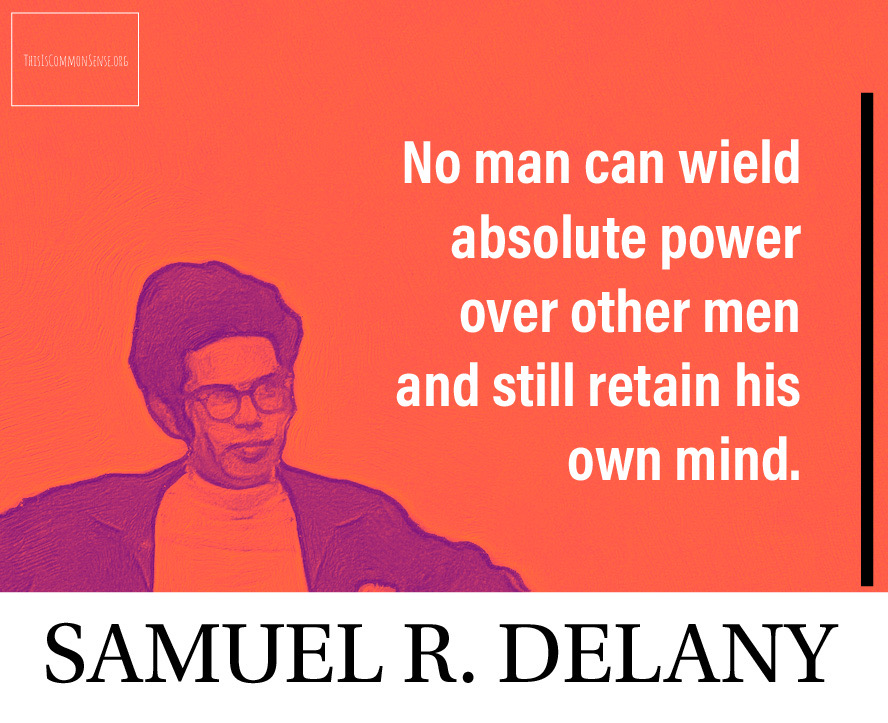
A lesson which history should have taught us thousands of years ago was finally driven home. No man can wield absolute power over other men and still retain his own mind. For no matter how good his intentions are when he takes up the power, his alternate reason is that freedom, the freedom of other people and ultimately his own, terrifies him. Only a man afraid of freedom would want this power, who could conceive of wielding it. And that fear of freedom will turn him into a slave of this power.

Samuel R. Delany, The Jewels of Aptor (1962), tenth chapter.
Categories
Today

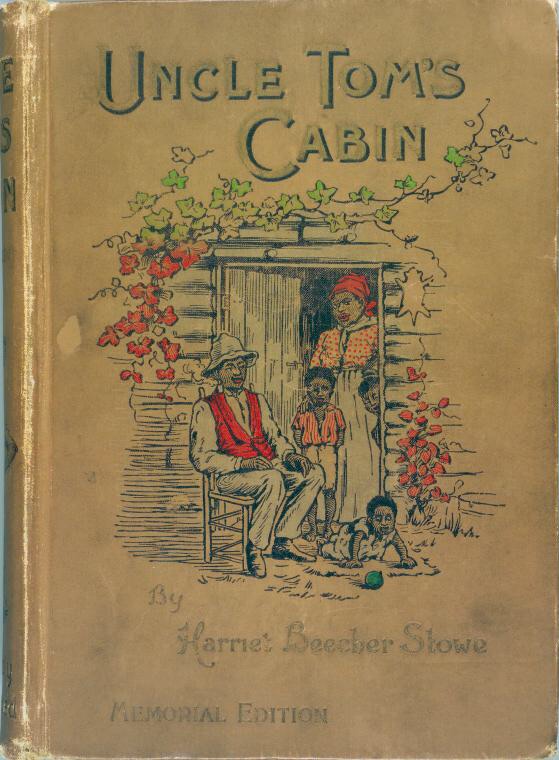
Uncle Tom’s Cabin

On June 5, 1851, Harriet Beecher Stowe’s anti-slavery serial, Uncle Tom’s Cabin, or Life Among the Lowly, started its ten-month run in the National Era abolitionist newspaper.

Categories
free trade & free markets ideological culture political economy too much government

Sweden’s Electric Sense

Common sense in Sweden! Energy in Sweden!

Under the policy of Sweden’s current government, the Swedish people are to be allowed to illuminate and heat their homes and do all the other things they use electricity for. The Swedish parliament has formally relinquished the government’s former target of somehow reaching “net-zero” renewable energy by 2045.

Such unreliable means of generating power as erratic wind and erratic sunshine just don’t cut it, says Finance Minister Elisabeth Svantesson.

“We need more electricity production, we need clean electricity, and we need a stable energy system. In substantial industrialized economies . . . only a gas-to-nuclear pathway is viable to remain industrialized and competitive.”

The new energy policy is an about-face for Sweden, which decided in the ’80s to nuke nuclear power and pursue 100 percent “renewable” energy.

Sweden is now following the lead of Finland. After Finland’s latest nuclear power plant went on line in April, reports Peta Credlin, “wholesale power prices dropped 75%, almost overnight. The Olkiluoto 3 plant is . . . delivering 15 percent of the country’s power needs. Nuclear now provides around half of the country’s total electricity generation.”

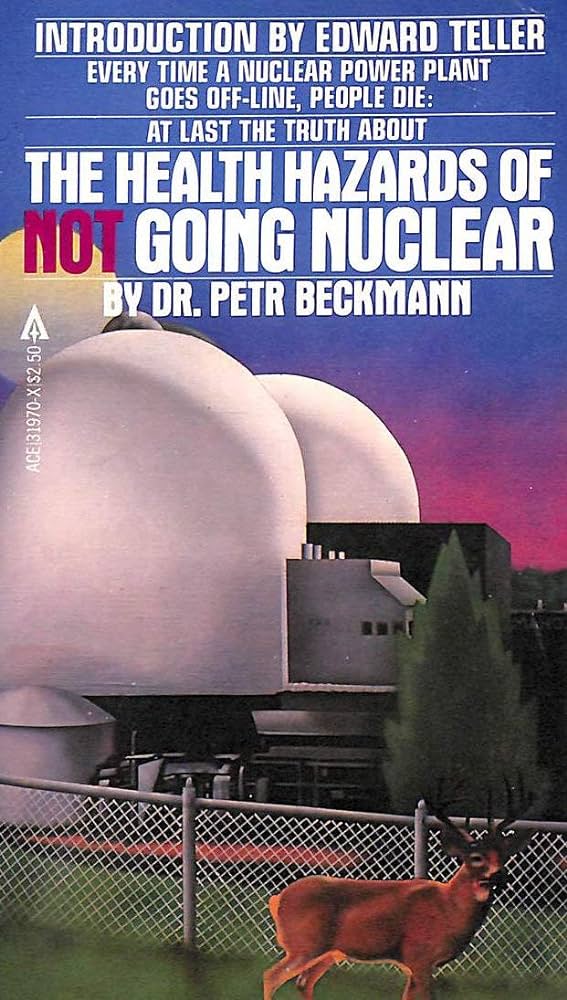
Nuclear power has gotten a bad rap in many countries, including the United States. But if societies and governments are rightly or wrongly determined to retreat from reliance on fossil fuels while also not pulling the plug on industrial civilization, a steady supply of electricity has to be obtained somehow or other.

Nuclear power is one major way to do the job.

This is Common Sense. I’m Paul Jacob.


PDF for printing

Illustration created with ChatGPT 4o

See all recent commentary
(simplified and organized)
See recent popular posts

Categories
Thought

F. Paul Wilson

War, hate, jealousy, racism — what are they but manifestations of fear?

F. Paul Wilson, Reprisal (1991).