Categories
Thought

Friedrich W. Nietzsche

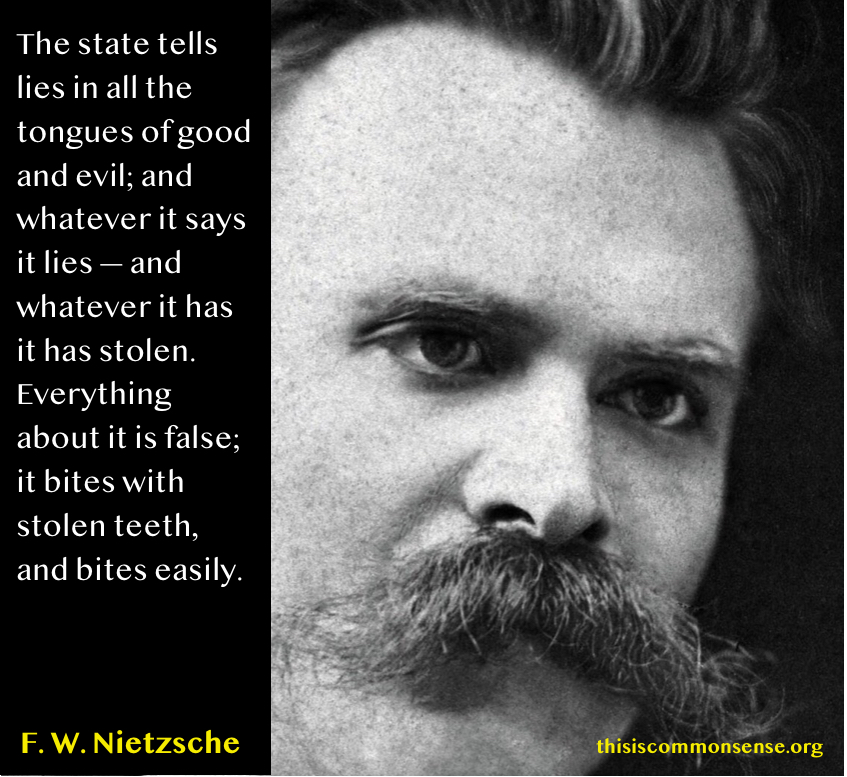
The state tells lies in all the tongues of good and evil; and whatever it says it lies — and whatever it has it has stolen. Everything about it is false; it bites with stolen teeth, and bites easily.

Friedrich W. Nietzsche, as translated by Walter Kaufmann in Thus Spake Zarathustra, “The New Idol.”

Categories
Today

Ford’s Five

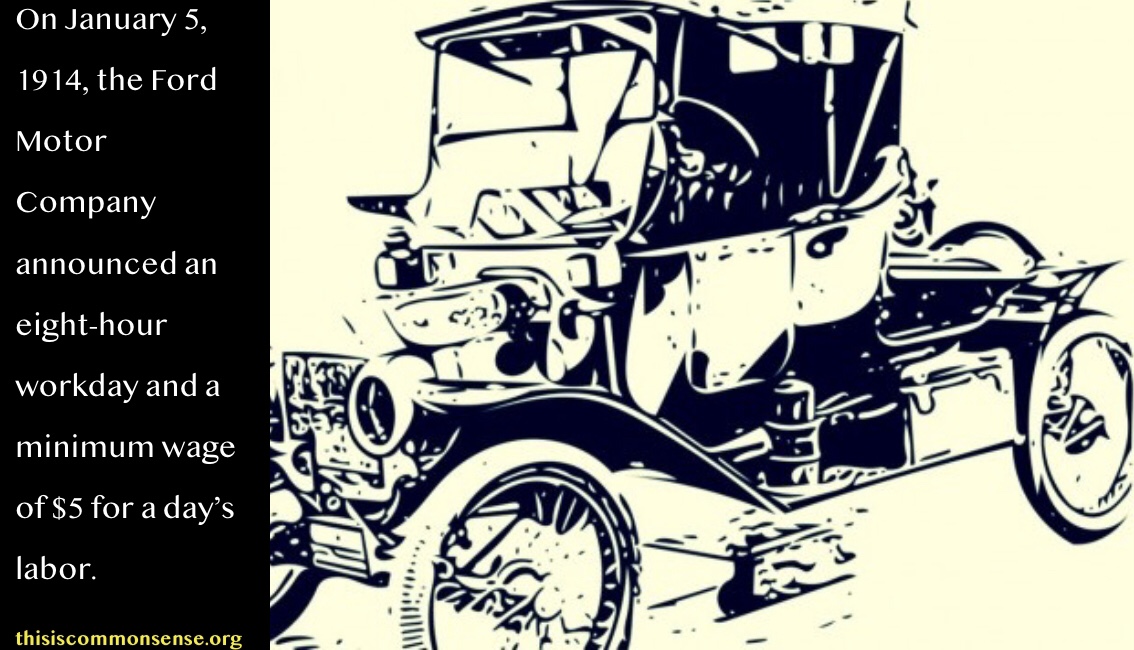
On January 5, 1914, the Ford Motor Company announced an eight-hour workday and a minimum wage of $5 for a day’s labor.

Categories
Update

Centenarian Carpenter

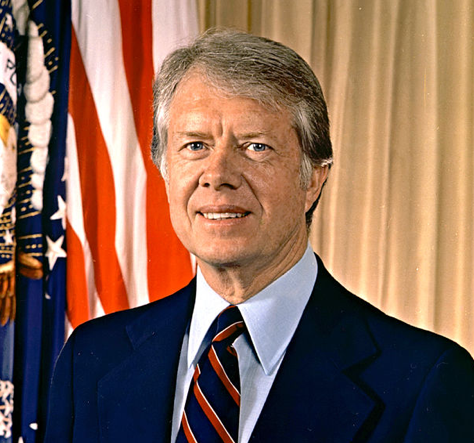
James Earl Carter, Jr., 39th president of the United States, died last weekend at a hundred years of age (October 1, 1924 – December 29, 2024). Though he served one term in office from 1977 to 1981, he is best known for his charitable work after leaving Washington. Though his post-presidential projects were wide-ranging, he is popularly remembered for building houses for the poor.

The memorials have of course been ubiquitous. Here is a handful of notices:

Categories
Thought

Friedrich W. Nietzsche

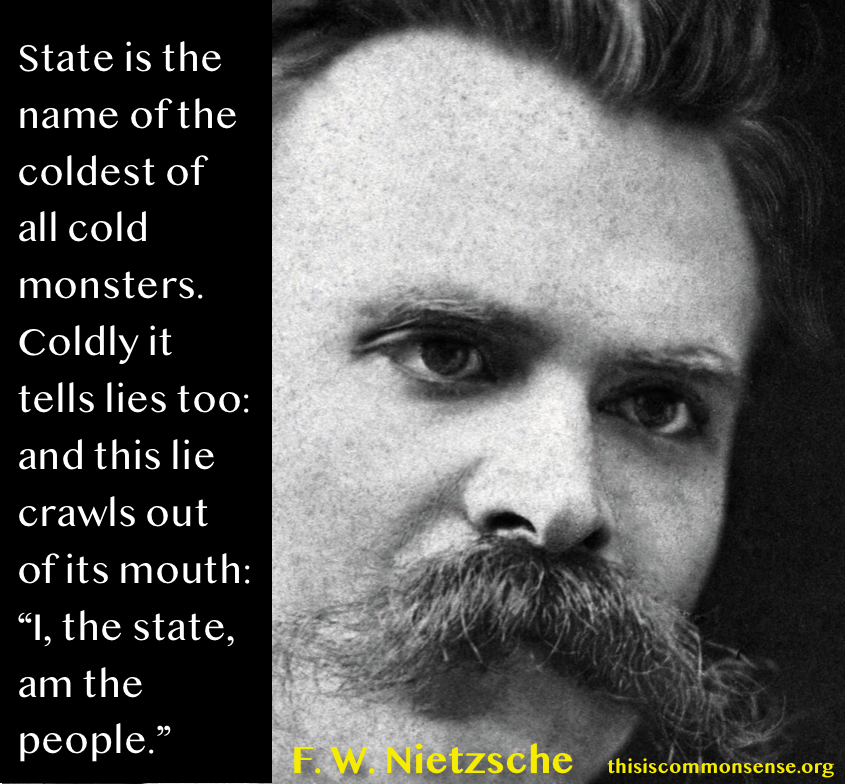
State is the name of the coldest of all cold monsters. Coldly it tells lies too: and this lie crawls out of its mouth: “I, the state, am the people.”

Friedrich W. Nietzsche, as translated by Walter Kaufmann in Thus Spake Zarathustra, “The New Idol.”
Categories
Today

King Charles

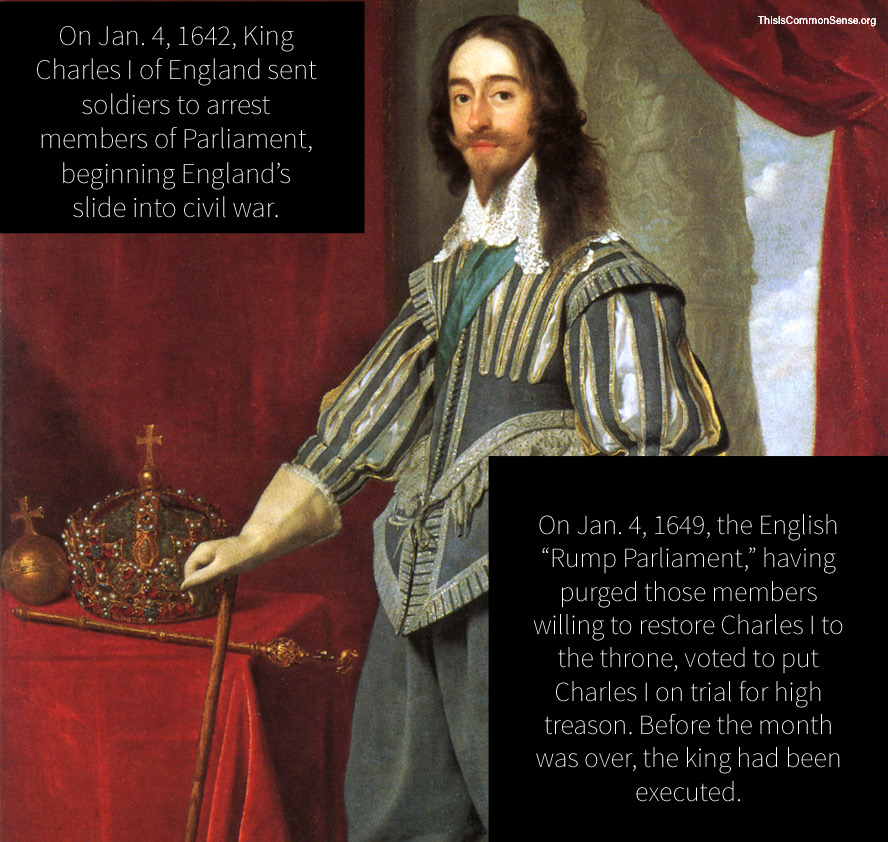
On Jan. 4, 1642, King Charles I of England sent soldiers to arrest members of Parliament, beginning England’s slide into civil war.

On Jan. 4, 1649, the English “Rump Parliament,” having purged those members willing to restore Charles I to the throne, voted to put Charles I on trial for high treason. Before the month was over, the king had been executed.

Categories
Thought

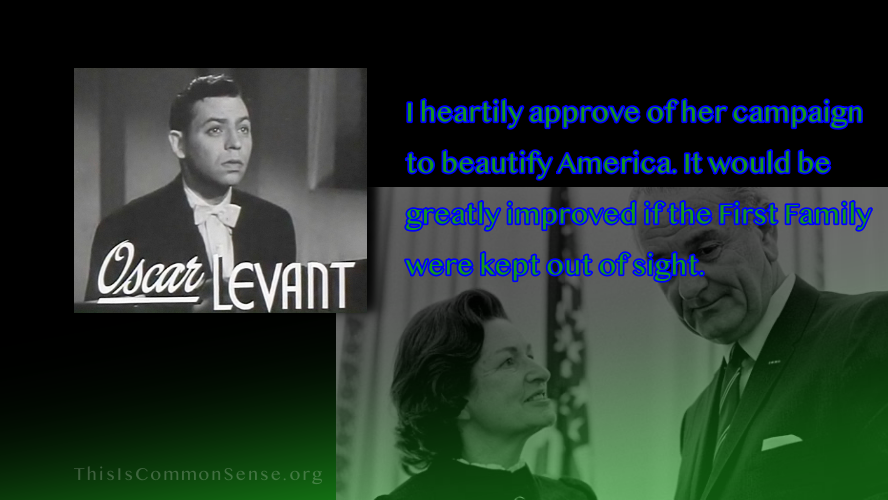
Oscar Levant

I heartily approve of her campaign to beautify America. It would be greatly improved if the First Family were kept out of sight.

Oscar Levant, The Unimportance of Being Oscar (1968).
Categories
Today

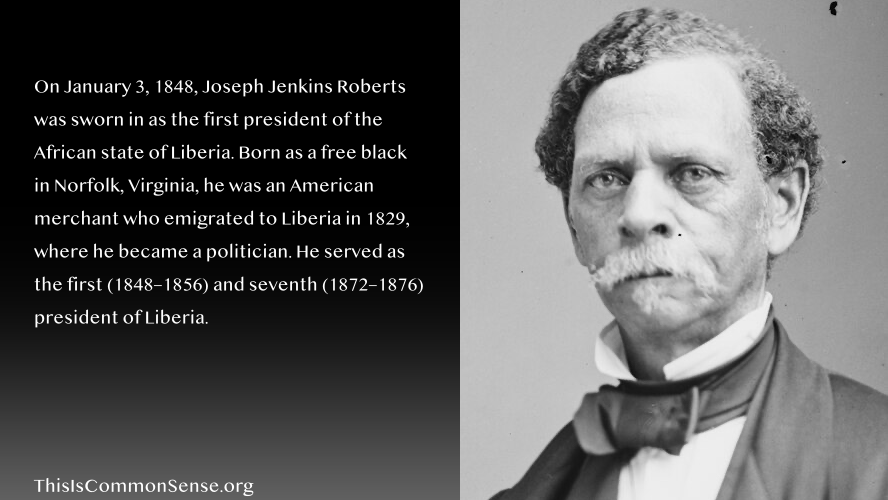
Joseph Jenkins Roberts

On January 3, 1848, Joseph Jenkins Roberts was sworn in as the first president of the African state of Liberia. Born as a free black in Norfolk, Virginia, he was an American merchant who emigrated to Liberia in 1829, where he became a politician. He served as the first (1848–1856) and seventh (1872–1876) president of Liberia.

Categories
Fifth Amendment rights property rights

Property Rights for Competitors

New Year’s Resolution for the U.S. Supreme Court: follow the Constitution.

That’s not what happened in 2005 when, by a 5-4 majority, the court determined that governments in this country could enjoy an almost unlimited power of eminent domain. The mere prospect of a more taxable commercial entity or mere desire to appease some constituency would suffice to legally justify violating the rights of innocent property owners.

This Kelo v. New London decision was applauded by abusers of power, derided by defenders of property rights. The latter leapt into action, fighting for legislation in 47 states to give property owners firmer protection.

One exception was New York State, where the town of Utica recently used the power of eminent domain against Bryan Bowers and Mike Licata.

These business partners had established a cardiology service to compete with that of CNY Cardiology group, right next door. CNY begged the city to let it turn the Bowers Development building into a parking lot. We need a parking lot there, said CNY; right where our lower-priced competitor is sitting.

The city said okay.

Enough, says Institute for Justice, which is representing Bowers Development and all of us by petitioning the U.S. Supreme Court to revisit Kelo.

IJ President Scott Bullock believes that it’s “high time for the Supreme Court itself to . . . remove this blot on its jurisprudence and restore constitutional guardrails to the use of eminent domain.”

Please resolve to give America a favorable outcome, justices.

This is Common Sense. I’m Paul Jacob.


PDF for printing

See all recent commentary
(simplified and organized)
See recent popular posts
Categories
Thought

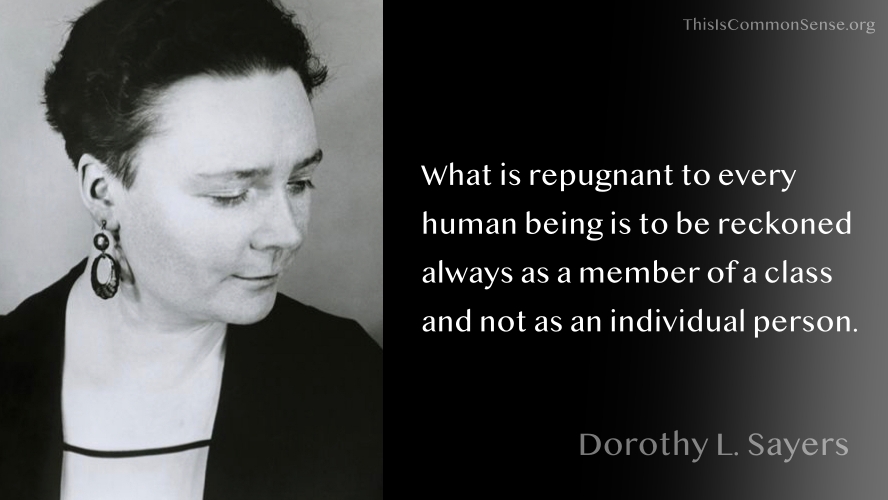
Dorothy L. Sayers

What is repugnant to every human being is to be reckoned always as a member of a class and not as an individual person.

Dorothy L. Sayers, Are Women Human? (1938).
Categories
Today

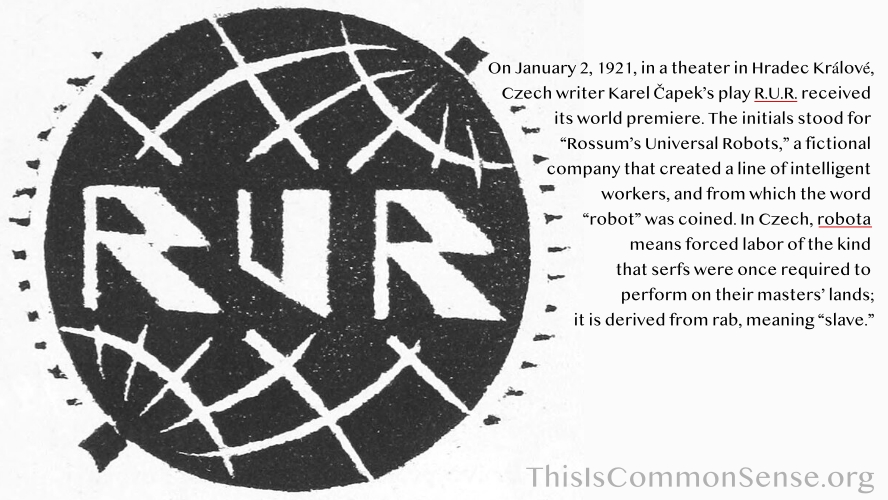
Robots!

On January 2, 1921, in a theater in Hradec Králové, Czech writer Karel Čapek’s play R.U.R. received its world premiere. The initials stood for “Rossum’s Universal Robots,” a fictional company that created a line of intelligent workers, and from which the word “robot” was coined. In Czech, robota means forced labour of the kind that serfs were once required to perform on their masters’ lands; it is derived from rab, meaning “slave.”