On Wednesday, President Obama issued a pardon. To a turkey.
Every president since Harry Truman has been given a live bird for Thanksgiving by the National Turkey Federation. No, it apparently doesn’t violate any sort of gift ban, nor should it — sure seems harmless enough to me on that score.
Over the years, several presidents declined to feast on the birds they were given. Then, in more recent times, presidents have made a big media production out of officially pardoning the turkeys (who then reportedly live out their days on George Washington’s estate at Mount Vernon).
So, what’s the problem?
For a photo-op, Mr. Obama — just like Mr. Bush and Mr. Clinton before him — saves the gift bird’s life, only to have another unpublicized turkey killed and then devoured behind closed doors.
Neither a vegan or a vegetarian, I certainly don’t begrudge him for eating the meat. I did likewise. What offends is the spectacle of someone seeking to pardon his turkey and eat it, too.
You can’t dismiss this as “mere symbolism,” for the fake pardon symbolizes more than Washington insiders can comprehend. In our nation’s capital, politicians
- argue for fiscal responsibility one minute and then plunge us further into debt the next,
- demand sacrifices from the people while living high on the hog, and
- decry the influence of special interests at press conferences and then deposit their checks at the bank.
One famous turkey lives, thanks to the powerful public kindness of our potentate; another, unknown (no doubt “middle-class”) bird dies for the benefit of that same boss.
This is Common Sense. I’m Paul Jacob.
 I cannot praise a fugitive and cloistered virtue, unexercised and unbreathed, that never sallies out and sees her adversary, but slinks out of the race where that immortal garland is to be run for, not without dust and heat.
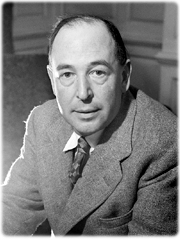 It essential to oppose the Humanitarian theory of punishment, root and branch, wherever we encounter it. It carries on its front a semblance of mercy which is wholly false. That is how it can deceive men of good will. The error began, with Shelley’s statement that the distinction between mercy and justice was invented in the courts of tyrants. It sounds noble, and was indeed the error of a noble mind. But the distinction is essential. The older view was that mercy ‘tempered’ justice, or (on the highest level of all) that mercy and justice had met and kissed. The essential act of mercy was to pardon; and pardon in its very essence involves the recognition of guilt and ill-desert in the recipient. If crime is only a disease which needs cure, not sin which deserves punishment, it cannot be pardoned. How can you pardon a man for having a gumboil or a club foot? But the Humanitarian theory wants simply to abolish Justice and substitute Mercy for it. This means that you start being ‘kind’ to people before you have considered their rights, and then force upon them supposed kindnesses which no on but you will recognize as kindnesses and which the recipient will feel as abominable cruelties. You have overshot the mark. Mercy, detached from Justice, grows unmerciful. That is the important paradox. As there are plants which will flourish only in mountain soil, so it appears that Mercy will flower only when it grows in the crannies of the rock of Justice; transplanted to the marshlands of mere Humanitarianism, it becomes a man-eating weed, all the more dangerous because it is still called by the same name as the mountain variety.

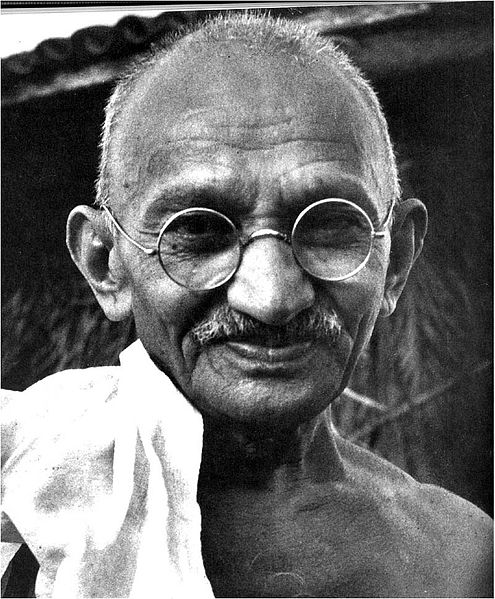 Victory attained by violence is tantamount to a defeat, for it is momentary.