Categories
First Amendment rights Internet controversy privacy

Think of the VPNs

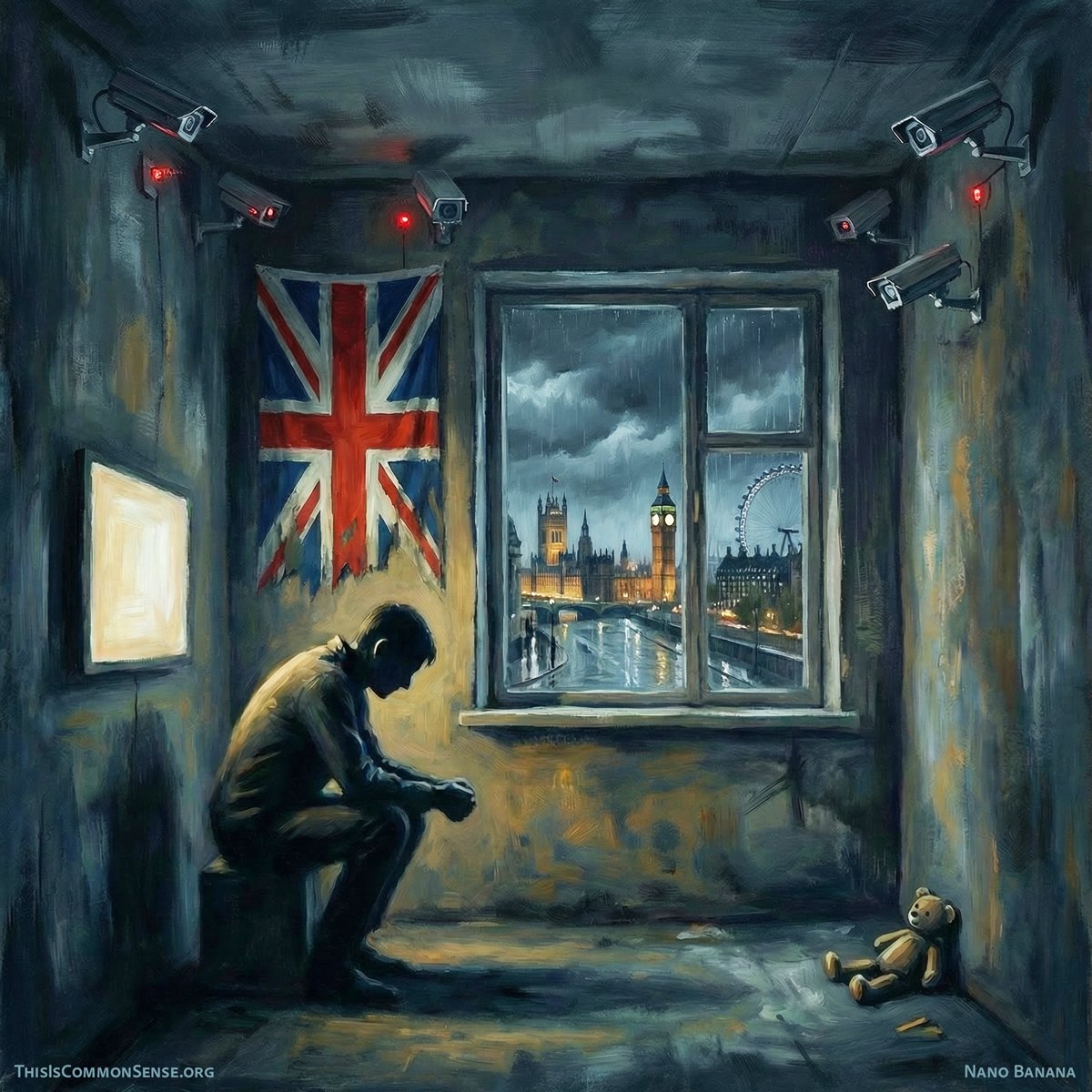
It’s for the kids. Let’s remember that. If bureaucrats and politicians get massive amounts of new power to lord over us, this is just a happy side effect.

Reclaim the Net reports that during recent debate in the U.K.’s House of Commons about a Children’s Wellbeing and Schools Act, lawmakers rejected proposed amendments that would have required age verification to use virtual private networks (VPNs) and certain other services. 

That’s good. People use VPNs to avoid being tracked and identified by such tyrannical governments as those of China or the United Kingdom.

And any ID requirement would increase the chances that governments discover the identity of users no matter what rules VPN providers are supposed to follow to prevent this.

But Brits cannot relax just yet. Amendments that lawmakers did approve would compel Internet service providers to “restrict children’s access to specific online platforms, impose time-of-day limits on when services can be used, and mandate age verification across nearly any platform that enables users to post or share content.”

Time-of-day limits? Aren’t parents the ones who tell their kids when it’s bedtime?

If we do descend into a dark totalitarian night with no freedom, no privacy, a telescreen in every room, we’ll have to look on the bright side: It was for the kids. The kids needed to be protected from algorithms, choice, freedom, the deficiencies of merely parental oversight, and books with pages addictively connected to adjacent pages. 

Those kids. Always causing trouble.

This is Common Sense. I’m Paul Jacob.


PDF for printing

Illustration created with Nano Banana

See all recent commentary
(simplified and organized)
See recent popular posts
Categories
crime and punishment First Amendment rights international affairs social media

Quit Banging on Brits

We hear so much bad news about censorship coming out of the United Kingdom that it’s almost shocking when something good happens instead.

That good news is a retreat from harassing innocent people for posting online too freely for the taste of British police enforcers.

In the big picture, the change in policy by the Metropolitan Police Service is but a minor tactical withdrawal in the pursuit of a censorship agenda that is otherwise proceeding on all fronts. It’s not so minor for people like, say, comedy writer Graham Linehan.

Several weeks ago, Linehan was arrested at Heathrow Airport by five armed officers.

“I was arrested at an airport like a terrorist, locked in a cell like a criminal, taken to hospital because the stress nearly killed me, and banned from speaking online.” His sin was posting a few tweets critical of transgender activists.

The charges against Linehan have been dropped. 

And from now on, says the Met, it will stop investigating “non-crime hate incidents.” A spokesperson explains that the commissioner “doesn’t believe officers should be policing toxic culture war debates. . . .” 

The “non-crime hate incidents” will still be logged, though.

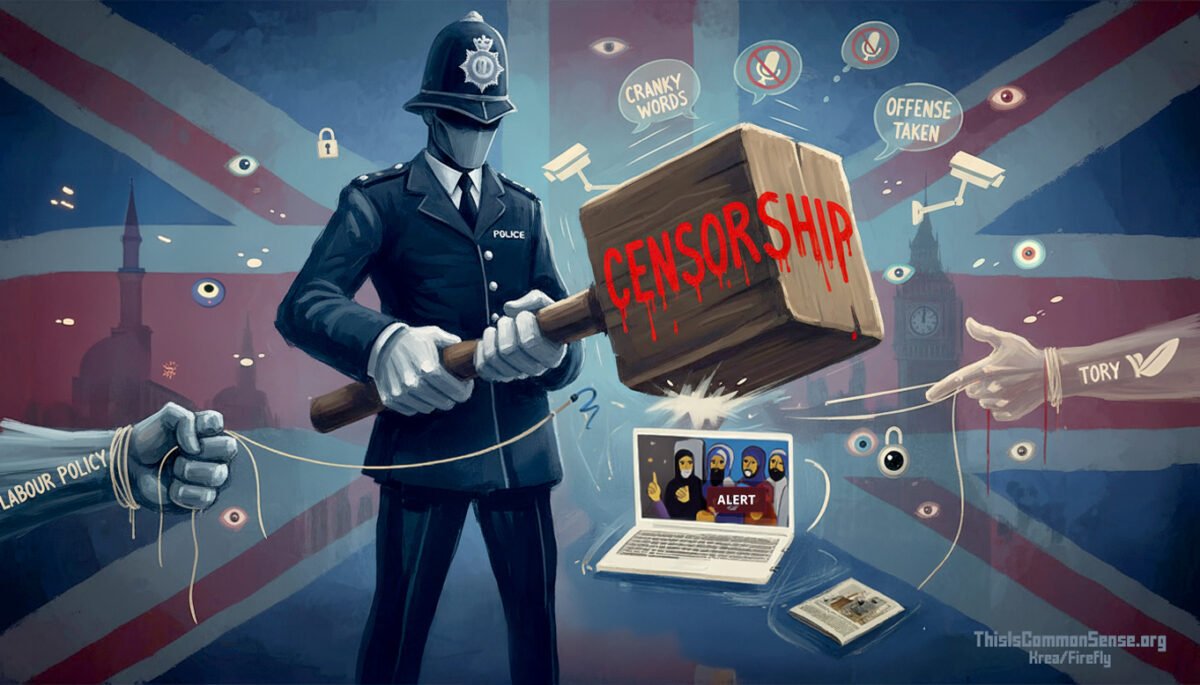
The policy of harassing Britons for cranky words has been softened before, by the Tories. When Labour came in, the new government promptly hardened things again.

And further caution: Met policy is not government policy. 

So this particular hammer for banging upon speakers daring to offend the easily offendable could come swinging down again at any moment.

This is Common Sense. I’m Paul Jacob.


PDF for printing

Illustration created with Krea and Firefly

See all recent commentary
(simplified and organized)
See recent popular posts