Categories
general freedom ideological culture privacy

Something to Protect

Some people, enemies of drawing the curtains, say: “If you aren’t doing anything wrong, you have nothing to hide.”

Doesn’t follow. Hiding is a form of protecting. We all have things to protect. Innocent people advisedly hide information from neighbors, from bureaucrats eager to erode liberty, from plain criminals.

And from the political fanatic who acts as a criminal. 

If you’re a political activist with a public profile, or even just a voter, it may be a good idea to prevent ideological criminals from knowing where you live or work. That’s why God gave us post offices boxes and commercial mail receiving agencies.

Somebody recently firebombed the offices of Powerline’s John Hinderaker, a pro-​liberty activist. One fire was set in an office that he subleases in “the building that houses Center of the American Experiment,” Hinderaker’s organization, another near a law center that he works with in the same building.

The suspects are many. Why? Well, as Hinderaker told federal investigators, CAE is “unusually effective across a broad range of issues.”

If bad guys can do something to hurt you — doxxing, stalking, firebombing — once they’ve got certain information about you, it is eminently reasonable to keep that information as private as possible.

Even when such data is already circulating, you can take significant steps to improve your privacy. Among the better books on how to do so is How to Be Invisible by J. J. Luna. More current and comprehensive is Michael Bazell’s Extreme Privacy.

Worth consulting, since — without the recourse these resources provide — the cost of political activism could induce us to cede to evil people the future of our country and the world.

This is Common Sense. I’m Paul Jacob.


PDF for printing

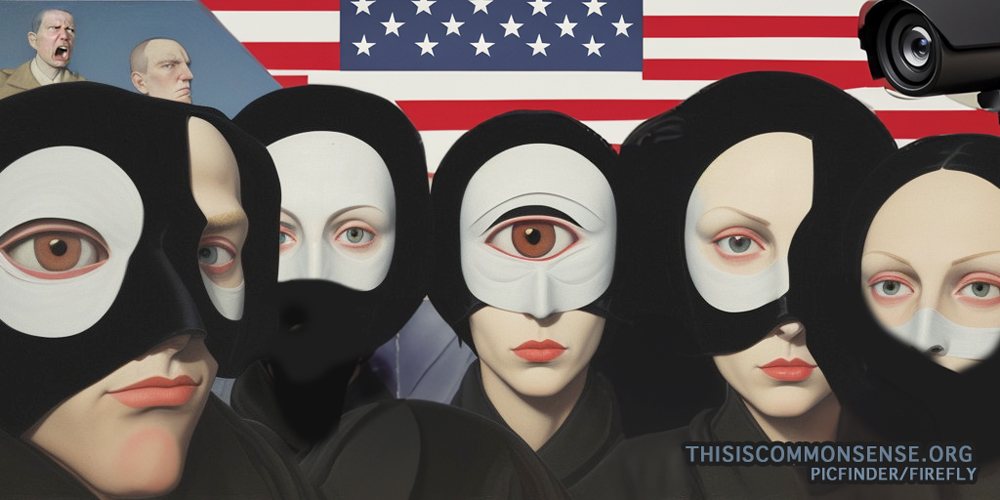
Illustration created with PicFinder and Firefly

See all recent commentary
(simplified and organized)

See recent popular posts
Categories
Accountability crime and punishment insider corruption

Are 1,000 Pages Enough?

The GOP has just issued a 1,000-page report about corruption in the Department of Justice and its Federal Bureau of Investigation. Based largely on the disclosures of 14 whistleblowers, plus what’s in plain sight — what we’ve all been able to see for ourselves over the last several years — the report details “a rampant culture of unaccountability, manipulation, and abuse.”

  • To support its political agendas, the FBI has deliberately inflated statistics about “domestic violent extremism” and has diverted resources from legitimate investigations — like those into child trafficking.
  • The Justice Department and FBI have averted their gaze from blatant and multifarious wrongdoing by Hunter Biden, son of the president.
  • The FBI has “purged” employees who disagree with the left-​leaning ideology of top brass.
  • The FBI has targeted parents for investigation simply for protesting school board policies.
  • Without cause, the FBI has been spying on US citizens, including persons who worked for candidate Trump’s 2016 presidential campaign.
  • Like other agencies, the FBI has worked with Big Tech social-​media companies to censor viewpoints that FBI honchos find uncongenial.
  • While targeting anti-​abortion activists who have perpetrated no violent acts, DOJ and FBI have ignored attacks on churches and pregnancy centers.

To be sure, the recent conduct of these agencies has plenty of precedent; thousands more pages could be produced.

From initial election results (before I got too sleepy), Republicans will have control of the House of Representatives, at the very least, and perhaps a Senate majority. They will have the power to press their investigation further and compel reforms.

The House controls the purse strings … if it dares. 

This is Common Sense. I’m Paul Jacob.


PDF for printing

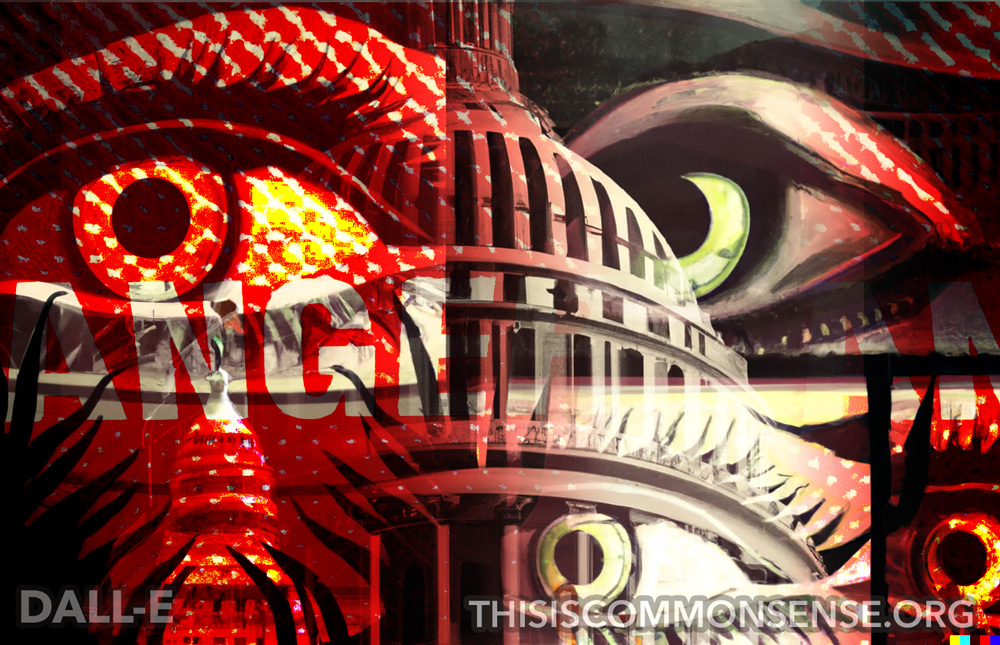
Illustration created with DALL‑E

See all recent commentary
(simplified and organized)

See recent popular posts
Categories
crime and punishment First Amendment rights Fourth Amendment rights

A Guide for the Surveilled 

If you’re hounded — or merely have reason to suspect you are about to be hounded — by censors and spies, there are things you can do to protect yourself.

Self-​defense often starts with your communication devices, the kind of things that Big Brother and Big Corporate Overlords tend to target. Reclaim the Net has put together a fairly comprehensive overview and explanation of ways to reduce your risk.

For example:

● Use a strong passkey.

● Turn off fingerprint unlock and face unlock.

● Be alert to phishing attempts.

● Delete unused apps and data.

● Delete photo metadata before sending or posting photos.

● Disable location services.

● Use airplane mode when preventing access to you is more important than having access yourself.

● Usea VPN to evade censorship and tracking.

● Be careful what kind of information about yourself you make public.

● Take steps to recover a confiscated or stolen device, or at least to make its data unrecoverable.

● Use anonymous accounts.

● Use encrypted text messengers.

● Switch to more privacy-​conscious browsers, search engines, and ISPs.

Depending on your circumstances, some of these tips will be more relevant than others, of course. But it’s worth perusing the whole list.

Of course, to go to all this trouble, you’d have to believe that big governments and mega-​corporations are trying to surveil you. As if we lived in one of those dystopian futures they talk about in scary science fiction stories.

And who could ever believe that?

Well . . .

This is Common Sense. I’m Paul Jacob.


PDF for printing

See all recent commentary
(simplified and organized)

See recent popular posts

Categories
general freedom ideological culture Popular too much government

Who Benefits From Our Fears?

“Think of the children!”

I have daughters. And neighbors, nephews, nieces, cousins, friends with children. And friends who used to be children. But when the command to “think of the children” is screamed out by freaked-​out paranoiacs demanding more laws, more punishments, more prison time, more surveillance — and consequently less freedom — I try to think responsibly.

As did one Corey Widen, when she “let her 8‑year-​old do the most normal, cheerful thing in the world — walk the dog around the block.” Lenore Skenazy tells the tale in Reason. “After the girl returned home, the doorbell rang. It was the police.”

Someone in Widen’s Wilmette, Illinois, community had seen the child and dog walking around “unsupervised” and called 911.

The thing, there was no lack of supervision, here. The child was supervising the dog.

What could be more natural?

The neighbor could have walked outside and smiled at the kid and talked about the dog and, in general, been a good neighbor.

Think of it as a peaceful order of supervision.

Instead: in came the police.

Then, after the police let it go, the Department of Children and Family Services stepped in to “investigate.”

Because nothing says DANGER more than a kid walking a dog.

Skenazy notes that this attitude is commonly justified by crimes against kids. And yet, Ms. Skenazy notes, crime in Wilmette has gone down dramatically over the years. As it has most elsewhere.

The culture has become more paranoid.

Who is served by this?

Authoritarians. Haters of freedom. Demagogues.

Certainly not kids, for kids cloistered from simple responsibilities cannot grow up to take on real responsibilities.

Think of the …  future adults.

This is Common Sense. I’m Paul Jacob.


PDF for printing


Categories
Accountability crime and punishment government transparency insider corruption local leaders moral hazard porkbarrel politics

Interfering With a Sweet Racket?

One way for governments and enterprises to save money is to contract out some or all of their services. Towns, cities, counties, states — even the federal government — engage in such practices all the time.

It is really just outsourcing, as business lingo dubs it.* But, like any system for shifting responsibility away from direct management, it can be corrupted.

As Seattle citizens now learn, courtesy of Seattle Times reporters Mike Carter and Steve Miletich. 

It appears that Seattle City Light, the public utility providing electricity to the city, has been contracting exclusively with Seattle’s Finest Security & Traffic Control. For a half a decade. Despite there being direct competition from another firm.

The utility paid “more than $7.8 million over the past five years to provide off-​duty police officers for traffic control or security work,” the Times tells us.

The whole story came to light (no pun intended) when a new outfit offering similar services, but based on “gig economy” principles, sought to enter the market. Seattle’s Finest challenged the firm’s licensing, and, allegedly, directed abuse at the firm’s chief executive officer. 

A Seattle detective off-​handedly described the dominance of Seattle’s Finest “in organized-​crime terms — using the word ‘mafia’ — and said nobody would be allowed to interfere with it.”

The FBI has now been called in. 

Usually, local government may seem rather humdrum. But a lot of money can go through powerful, privileged hands. Things can get exciting. Terms like “murky” and “intimidation” abound.

Is this a surprise?

Remember: power corrupts; local power corrupts locally. 

Right there where we live.

This is Common Sense. I’m Paul Jacob.


* An economist, R. H. Coase, got a Nobel Prize in no small part for explaining why this sort of contract can work better than establishing a complete firm-​employee wage system.


PDF for printing


Categories
crime and punishment First Amendment rights general freedom moral hazard national politics & policies Snowden

Structurally Opinionated B. S.

Edward Snowden, the infamous American whistleblower now exiled in Russia, says the FBI’s claim that it cannot decode the infamous San Bernardino terrorist’s iPhone is, and I quote, “Bernie Sanders.”

Oops.

He used another word-​set, also sporting the initials B. S.

I got confused because, though the press has been fretting endlessly about the B.S. coming from Donald Trump, the real corkers of late have come from Bernie Sanders, who seems to think that white people cannot be poor or oppressed* and that the successes of free markets elsewhere serve perfectly as excuses for Big Government interference here in America.**

Mr. Snowden, who knows a lot more about encryption and decryption than I do, has given more weight to my suspicion that the whole FBI case against Apple — demanding that Apple create software to decrypt the company’s customers’ iPhones, and supply (on an allegedly case-​by-​case basis) the decrypted private information to the government — is a sham.

Snowden insists that there are multiple ways to do the job.

“Other technologists have explained how the FBI could have easily accessed the phone’s latest iCloud backup,” a report on Snowden’s judgment elaborated, “if agents working with San Bernardino County had not reset the iCloud password.”

Once again, a government failure leads to another push by government to correct for its failure, burdening citizens.

In this case: folks at Apple.

Interestingly, Apple’s legal defense appears to rest heavily on the First Amendment’s free speech guarantees, arguing that the demanded software is value-​laden speech, is literally made up of such.

The exact term is “structurally opinionated,” which I nominate for the jargon phrase of the year.

This is Common Sense. I’m Paul Jacob.


* Sanders has recently said, in one of those interminable debates that I can no longer watch in full, “When you are white, you don’t know what it’s like to be living in a ghetto, you don’t know what it’s like to be poor, you don’t know what it’s like to be hassled when you are walking down a street or dragged out of a car.” As if “white privilege” amounts to immunity from poverty or oppression.

** Sanders, whose Tweets are as insane as his spoken pronouncements, recently lamented how Romanians in Bucharest have faster Internet speeds than Americans — without realizing they’d achieved these levels of access by wide-​open, unrelenting, and wild competition. That is, Laissez Faire capitalism.


Printable PDF

Edward Snowden, iPhone, First Amendment, privacy, Apple, illustration


Common Sense Needs Your Help!

Please consider showing your appreciation by dropping something in our tip jar  (this link will take you to the Citizens in Charge donation page… and your contribution will go to the support of the Common Sense website). Maintaining this site takes time and money. Your help in spreading the message of common sense and liberty is very much appreciated!


Categories
Accountability crime and punishment general freedom moral hazard nannyism national politics & policies privacy too much government

Breaking the Safe

As we tromp repeatedly to the polling booth this year, we should wonder: are we being played?

The answer: yes … at least on the issue of Apple’s iPhone security.

I’ve written about this before. Our politicians and government officials are playing demagogue, trying to convert (too successfully?) the electorate into a mob bent on destroying privacy and private property — out of unwarranted fear.

The case for terrorist worries in this case is not even plausible: the FBI waited too long to be convincing, and the NSA supposedly has the metadata anyway. The government doesn’t need the info. It’s after something else.

As former congressman Bob Barr put it, the government’s case is “pure applesauce … simply the latest chapter in a decades-​long push by Uncle Sam to gain access to Americans’ digital technology and place this booming sector of our economy under its thumb.” He goes on:

[T]he government is for the first time demanding that a company actually invent a way to defeat the very encryption safeguards it builds into the devices it sells. Attorney General Lynch has taken to citing an obscure law, the All Writs Act of 1789, to justify this unprecedented exercise of power to compel companies to do the government’s work for it.

To my knowledge, the government has never demanded that Allied Safe and Vault, or any of its competitors, go out of its way to cook up “a way in” to its security systems.

Government is just trying to retain its old relevance. Folks in power see it slipping. And it is, as Americans outsource their privacy and security not to governments, but, increasingly, to private providers.

That’s a good thing.

This is Common Sense. I’m Paul Jacob.


Printable PDF

surveillance, privacy, iphone, security, NSA, CIA, FBI, terrorism, illustration


A healthy democracy depends on the spreading of good ideas. If you found this article useful,  please share it with friends by clicking on any of the social media icons below.

Common Sense Needs Your Help!

Also, please consider showing your appreciation by dropping something in our tip jar  (this link will take you to the Citizens in Charge donation page… and your contribution will go to the support of the Common Sense website). Maintaining this site takes time and money. Your help in spreading the message of common sense and liberty is very much appreciated!


Categories
Accountability crime and punishment general freedom government transparency moral hazard nannyism national politics & policies responsibility too much government U.S. Constitution

Zetabytes and Zombies

Zombie government wants to eat our brains. Did I overstate this on Sunday?

Most folks don’t look at the Apple/​FBI controversy over digital security quite that starkly.

The National Security Administration sure doesn’t see it that way. The NSA is in the “information harvesting business,” says Business Insider. And boy, “business is booming.” The NSA measures its operations in zetabytes. And in the acreage of its Maryland and Utah sprawls.

The idea is that the NSA protects us.

But notice that government, collecting all that information, and in trying to beat back malicious and sportive hacker attacks from around the world, treats computer companies antagonistically. And it doesn’t provide us, individually, with help on our personal cyber-​security: we have to pay for our own cyber-​security. When some thief (local or overseas) steals a digital identity and grabs a netizen’s wealth and credit, of what help is government?

Not much.

It’s little different from back in Herbert Spencer’s day, over a century ago, when he noted that government practiced “that miserable laissez faire,” making citizens bear the costs of their own protection, to financial ruin defending themselves in court.

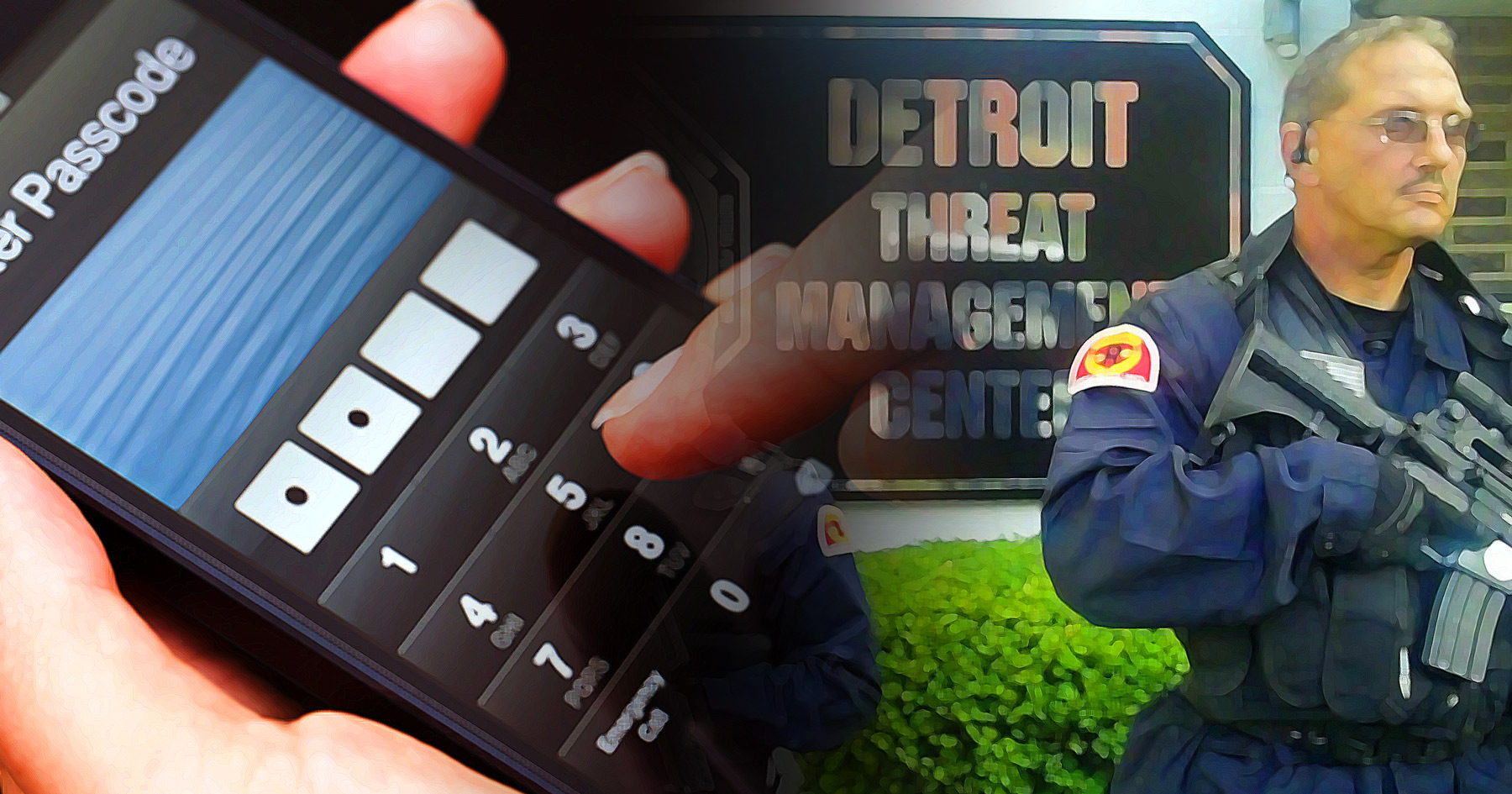
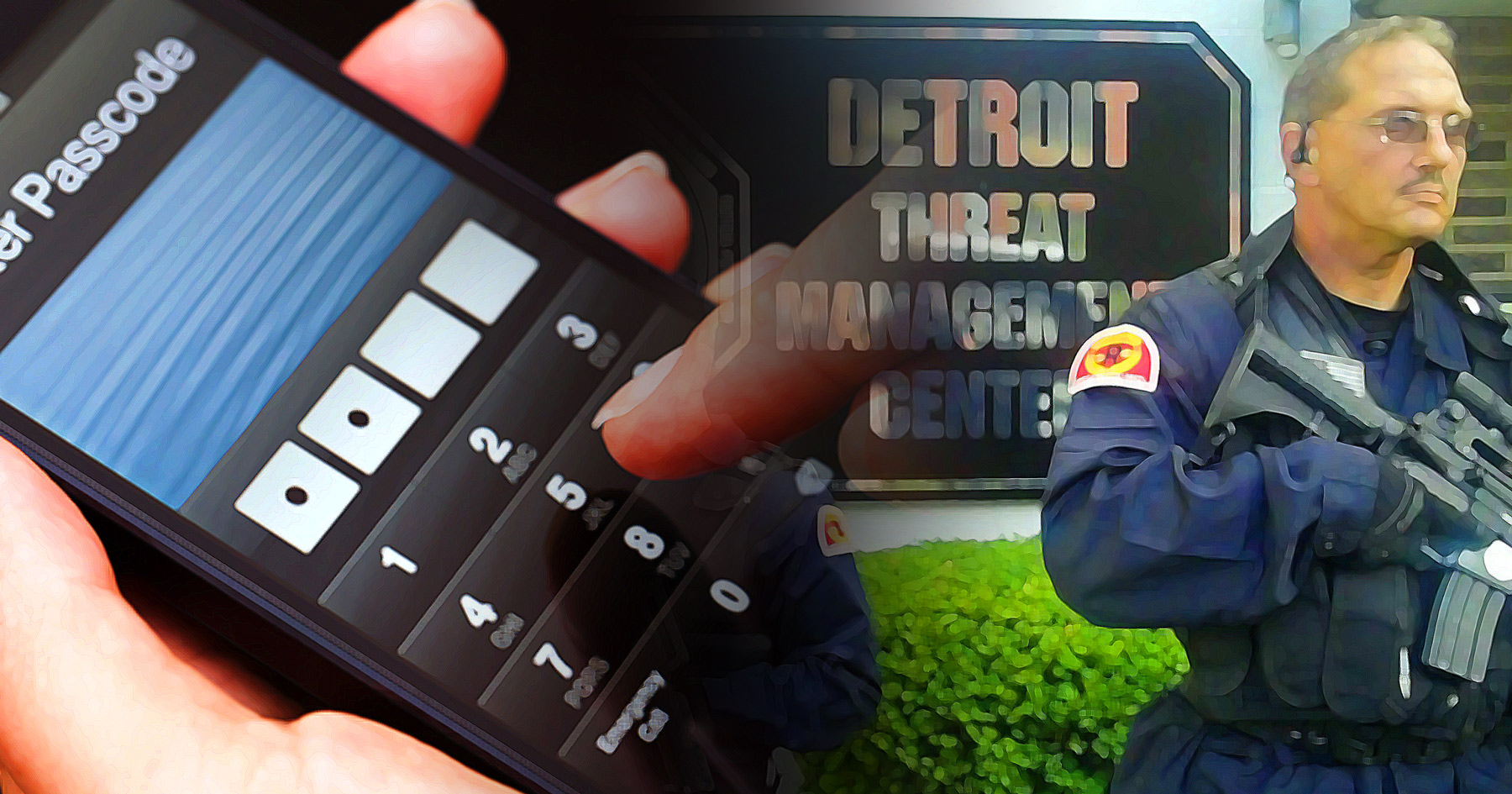
Indeed, for all our reliance upon law enforcement, we have to notice that the real work of defense and conflict avoidance happens best outside of government “help” — as is the case in Detroit, Michigan, where it is private security that does what many expect the police to do.

As long as the police and the federal government operate mainly as antagonists to peaceful citizens as well as to criminals, then looking warily at police power and privilege (and thus the NSA and the FBI) seems like …

… Common Sense. I’m Paul Jacob.


Printable PDF

Apple, iphone, security, police, NSA


Categories
folly general freedom national politics & policies too much government

Political Theatrics

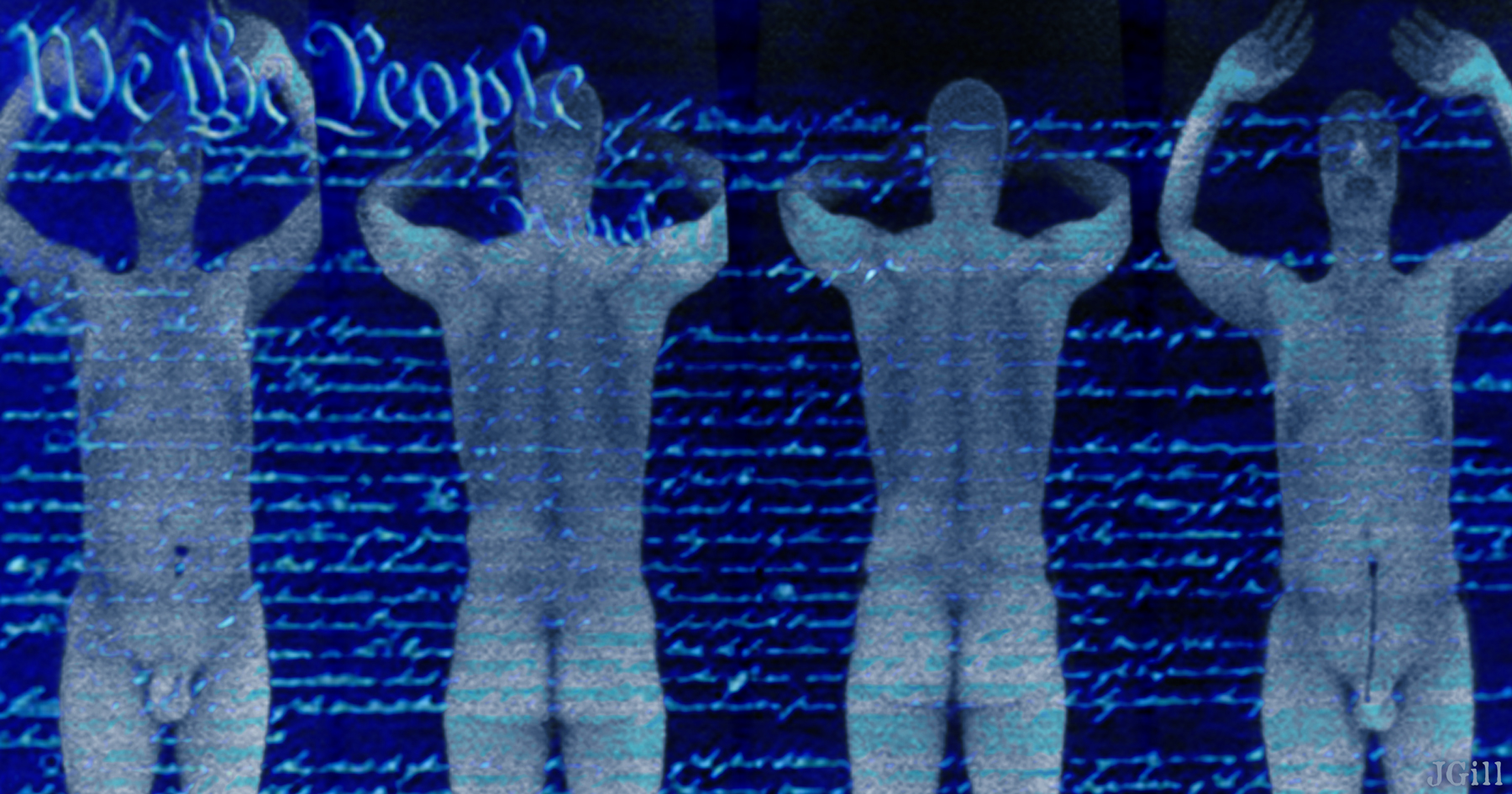
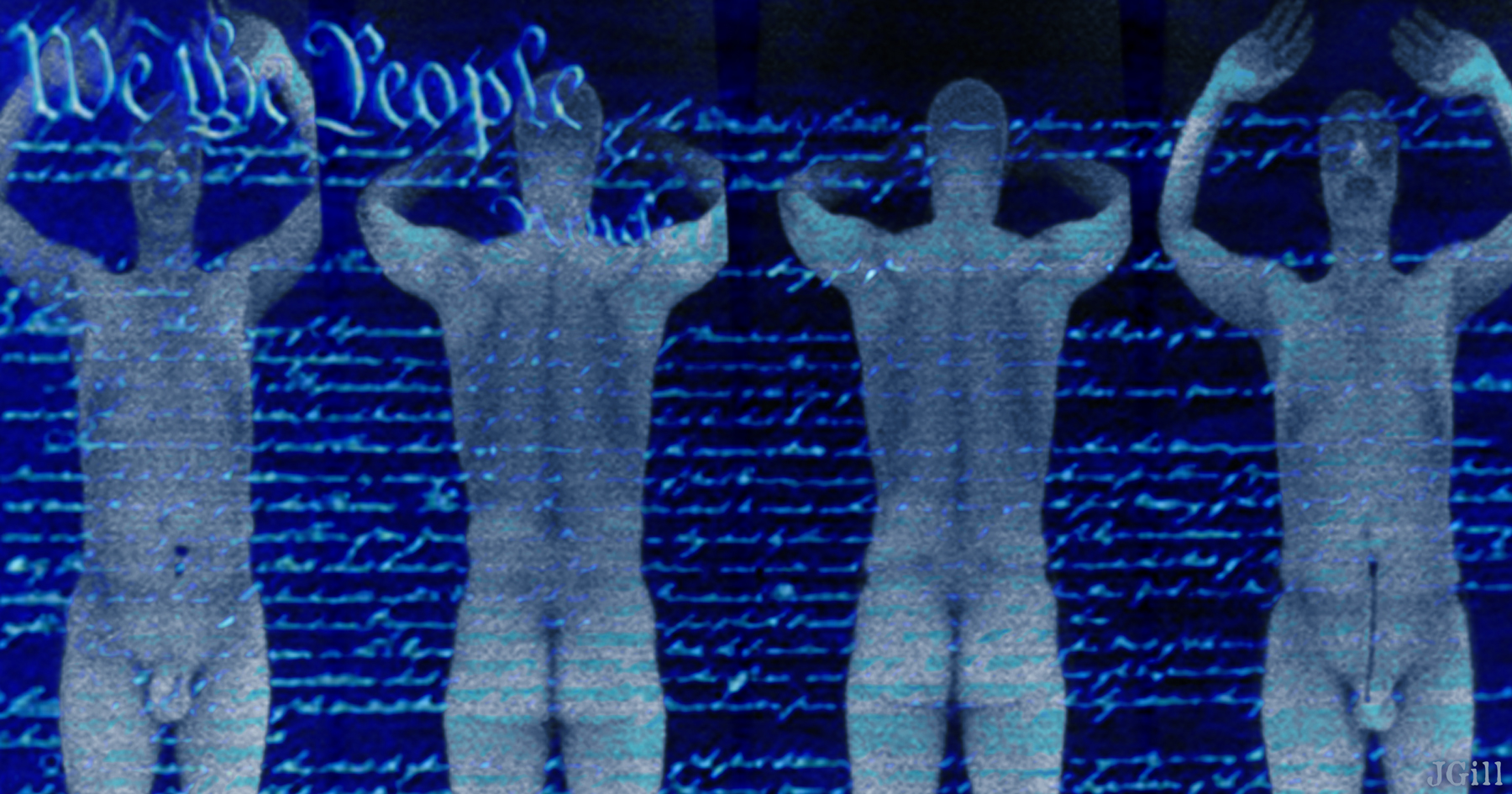
Our suspicions have been proved: the Transportation Security Administration (TSA) doesn’t secure much of anything; it is mere “security theater.”

After revelations that TSA screeners failed to find weapons and other deadly contraband in 96 percent of tests, David A. Graham, writing for The Atlantic, asked “what kind of theater this is.… A period drama, satirizing the 2000s? Vaudeville farce?”

Easy answer: the genre is “statism.”

Statism is the worship of government, or the reliance upon government to do many more than a few tasks. It is very old.

The ancient states arose from conquest, developing as a way to milk the masses for the benefit of the few. That’s what states traditionally do: use force to move wealth from one group to another.

Along the way, the states did do some good. Amidst all their horrors.

But mostly rulers just leveraged myth and bluster to cover crimes.

In more recent times, in this great country, the idea arose that the state should be limited to a few necessary jobs, tightly controlled by the people so that government might actually defend rights, not abridge them.

But this revolutionary democratic-​republican ideology did not alter the basic nature of reality, turning the sow’s purse of the conquerors’ art into the gold of the Public Interest.

Without our vigilance, government always reverts back to its roots.

The TSA is simply the latest myth-​and-​bluster-​backed scam aiding the ludicrous notion that government is all-​powerful … while providing only faux security. Get rid of it; let its people go. Then watch airlines come up with more effective, less intrusive, more passenger-​friendly security systems.

Want theater? Try “vigilance theater.”

This is Common Sense. I’m Paul Jacob.


Printable PDF

TSA


Categories
general freedom government transparency national politics & policies privacy too much government

Rand to the Rescue

Nothing gets done in Washington?

Tell that to Kentucky Senator and presidential hopeful Rand Paul. Last night, he single-​handily “repealed” Section 215 of the Patriot Act, ending the federal government’s mass collection of our phone records.

At least, for the next few days.

On the floor of the Senate, Paul blocked the USA Freedom Act, a “compromise” bill passed by the House. It would’ve required private telecoms to keep the data, allowing the government to query that data with a warrant.

“I’m supportive of the part that ends the bulk collection by the government,” said Paul. “My concern is that we might be exchanging bulk collection by the government [with] bulk collection by the phone companies.”

In a Time magazine op-​ed, he argued, “We should not be debating modifying an illegal program. We should simply end this illegal program.”

Also last week, the Tea Party Patriots joined the ACLU in agreeing with Paul’s position: the USA Freedom Act doesn’t go far enough … to protect our civil rights.

Others warn we aren’t safe without maximum snooping and info-​scooping by government:

  • CIA Director John Brennan called the metadata program “integral to making sure that we’re able to stop terrorists in their tracks.”
  • Attorney General Loretta Lynch said the expiration amounted to “a serious lapse.”
  • James Clapper, director of National Intelligence — most famous now for lying to Congress about the existence of the metadata program — declared we “would lose entirely an important capability that helps us identify potential U.S.-based associates of foreign terrorists.”

Yet, there’s not a single case where this bulk phone data helped capture a terrorist or stop an attack.

Sen. Paul believes “we can still catch terrorists using the Constitution.”


Printable PDF

Rand Paul vs. the Surveillance State