On August 9, 1942, British forces arrested Mahatma Gandhi in Bombay, spurring the Quit India Movement into nationwide action.
In 1999, Russian President Boris Yeltsin fired his Prime Minister, Sergei Stepashin, and his entire cabinet.
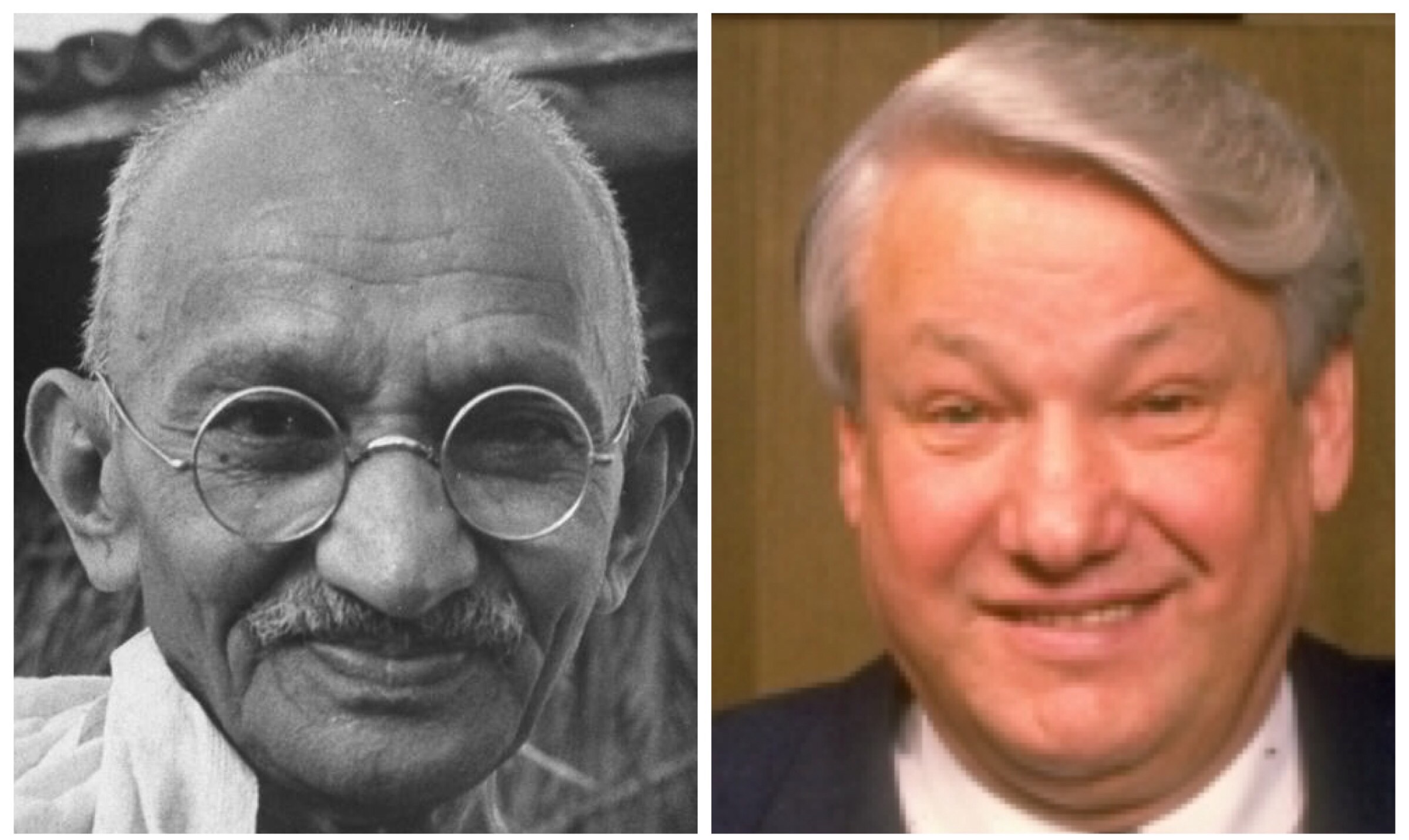
On August 9, 1942, British forces arrested Mahatma Gandhi in Bombay, spurring the Quit India Movement into nationwide action.
In 1999, Russian President Boris Yeltsin fired his Prime Minister, Sergei Stepashin, and his entire cabinet.
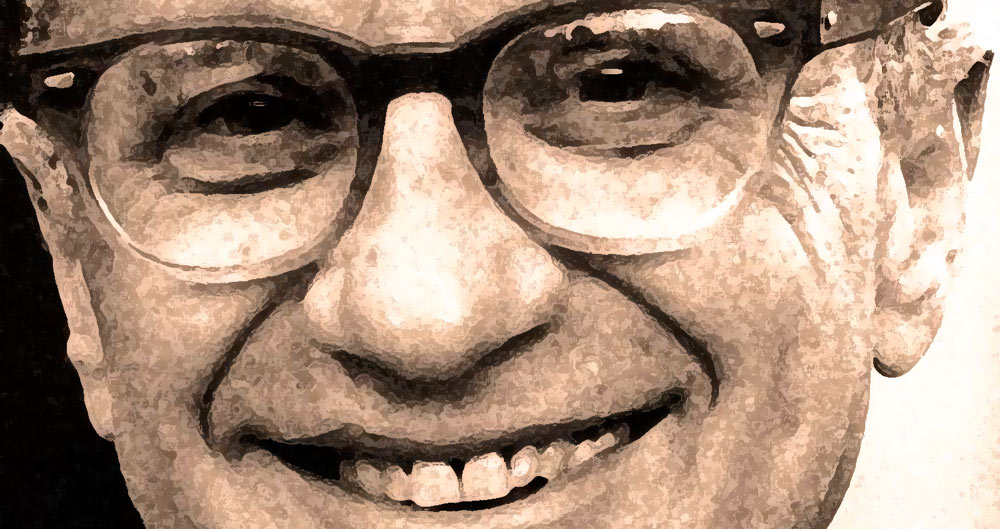
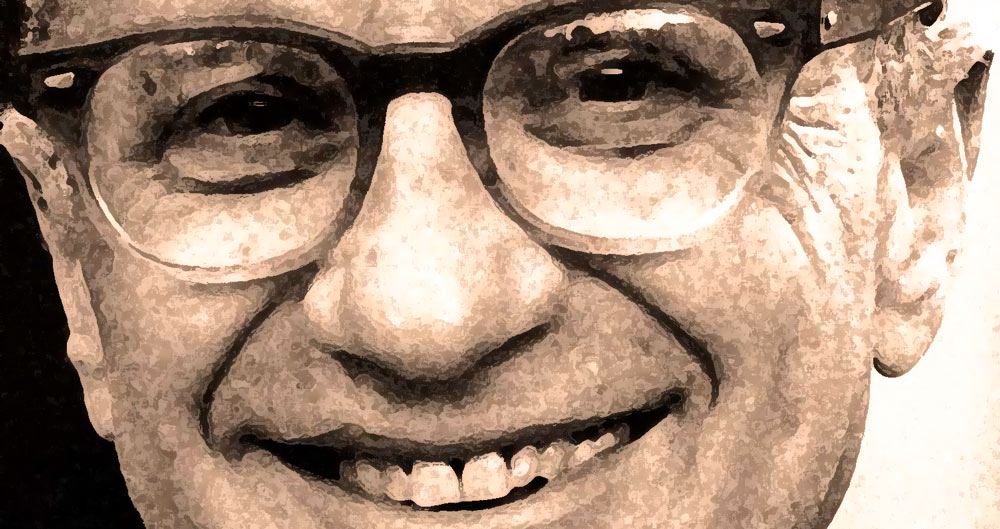
“I think that the most effective way one could possibly move toward greater freedom in the United States, toward a smaller role of government, would be if we could only have a more democratic society.”
Who said that? A Democrat?
No.
The speaker quickly added, “I don’t mean a capital-D, I mean a small-d.”
“That is, I mean if we could have referenda,” the late Milton Friedman explained back in 1987.
The Nobel Prize winning economist — and co-author with wife Rose of the bestselling Free to Choose* — was referring to the initiative and referendum process, whereby citizens vote on laws, and in the case of initiatives directly place measures onto the ballot.
Citizens enjoy initiative and referendum rights in twenty-four states and roughly 60 percent of cities throughout the country.
“The public at large has always shown itself,” Dr. Friedman observed, correcting himself, “has almost always shown itself to be more libertarian in its views than have their elected representatives.”**
Friedman was not suggesting that a bad law becomes good because it was passed at the ballot box. He simply weighed the odds between two distinct sets of voters. Legislators are a small group, the personal power of each one so closely tied to government that politicians’ personal interests often compete against the public’s. Conversely, the much larger group of voting citizens almost defines the public interest.
Perhaps I was channeling the great doctor of economics when I was once asked, “Do you trust the people?”
My reply?
“No. But I trust the people a whole lot more than I trust the politicians.”
This is Common Sense. I’m Paul of Jacob.
* The book was first published in January 1980, in tandem with PBS’s airing of the popular “Free to Choose” series.
** He spoke this at a California Libertarian Party conference. Tough crowd.
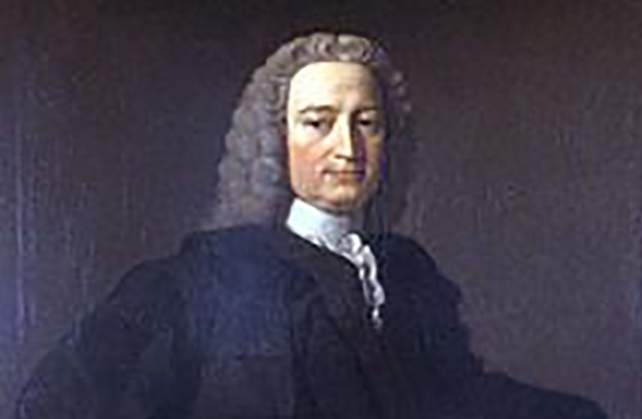
Francis Hutcheson, A System of Moral Philosophy (1755), Book II, Ch. III, No. 12.
The ultimate notion of right is that which tends to the universal good; and when one’s acting in a certain manner has this tendency, he has a right thus to act.
Francis Hutcheson, philosopher of the Scottish Enlightenment and a great influence on David Hume and Adam Smith, was born in Ireland on August 8, 1694. He died on his birthday in 1746.
Followers of Mahatma Gandhi launched the Quit India Movement against the British rule on August 8, 1942.
On the same day in 1974, President Richard M. Nixon resigned.

I’m sure I disagree with most of the policies California Governor Jerry Brown seeks to propose and impose. But let’s give credit where credit is due. He’s right that people should not be treated like criminals when in a burst of celebratory excess they commit the sin of unleashing helium balloons.
California lawmakers thought it would be smart to make criminals out of toddlers and other Snidely Whiplashes who “willfully release” helium balloons made of electrically conductive material.
The potential problem is real enough. When the balloons collide with power lines, they may cause power surges or brief power outages. Squirrels and birds can also cause power outages, and are far more likely to do so. Luckily, though, nobody (so far) has thought of prosecuting wayward warblers.
In vetoing the legislation to criminalize balloon release, Governor Brown said he didn’t believe “that expanded criminal liability is the best solution to the problem of electrically conductive balloons interfering with power lines. As I have said before, our Penal Code is already far too complex and unnecessarily proscriptive. Criminal penalties are not the solution to every problem.”
Correct.
Brown’s veto message may seem like simple common sense. But in an age in which kids can be suspended from school for doodling a gun or carrying a maple leaf, we have learned that rudimentary reasonableness is not necessarily standard operating procedure.
Hence, any instance of firmly refraining from lunacy must receive our heartfelt thanks and appreciation.
This is Common Sense. I’m Paul Jacob.

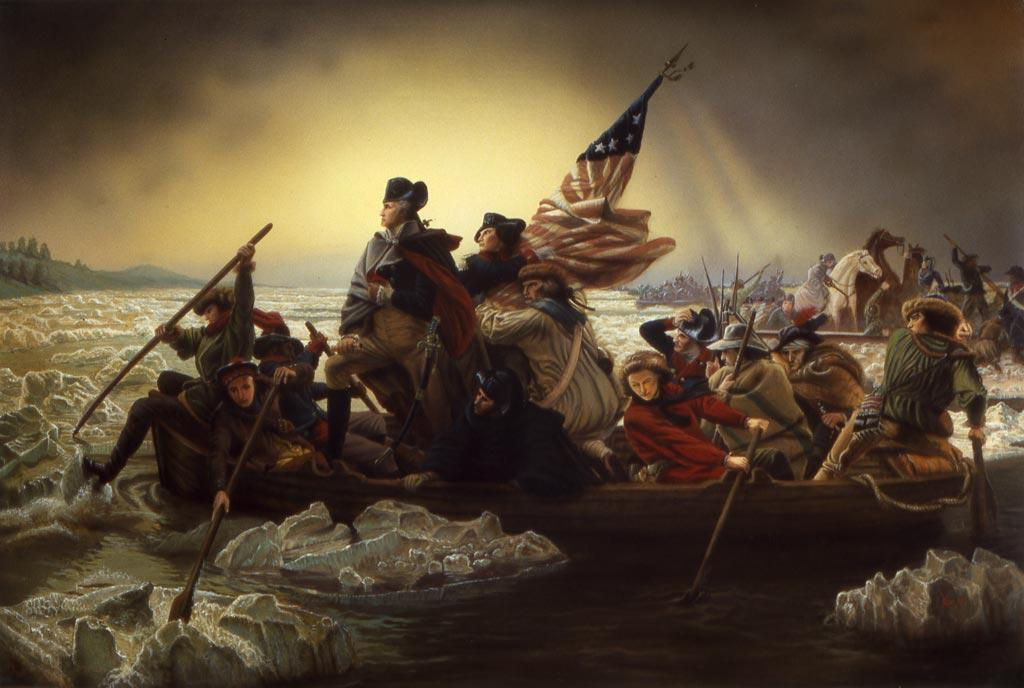
On August 7, 1782, George Washington instituted the Badge of Military Merit to honor soldiers wounded in battle, an award later renamed “the Purple Heart.”
Illustration: “Washington Crossing the Delaware,” Emanuel Leutze, 1851, Oil on canvas (Metropolitan Museum of Art, New York City), depicting an event in 1776, not 1782.
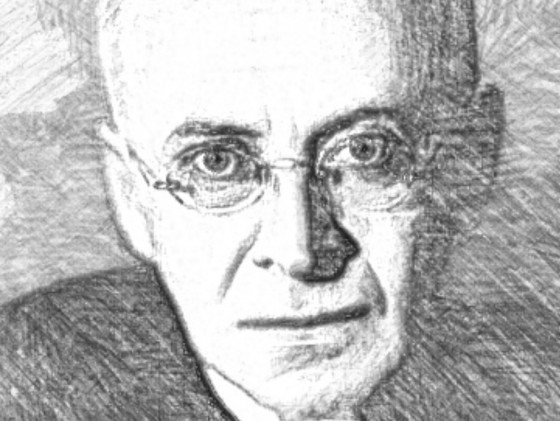
I have done nothing more than show that there is a distinction between an urn and a chamber pot and that it is this distinction above all that provides culture with elbow room. The others, those who fail to make this distinction, are divided into those who use the urn as chamber pot and those who use the chamber pot as urn.
Karl Kraus, as quoted in Thomas Szasz, Karl Kraus and the Soul Doctors: A Pioneer Critic and His Criticism of Psychiatry and Psychoanalysis (Louisiana State University Press, 1976).

Affirmative action isn’t as black-and-white as we were told.
Click on over to Townhall. Come back here for even more shades.
IMAGE: A soap advertisement from the 1880s,
sub-titled ‘The Chinese Must Go’
Credit: Library of Congress

On August 6, 1962, Jamaica became independent of Great Britain. In 1991, on this date, Tim Berners-Lee released files describing his idea for the World Wide Web, and put up the first website, running on a NeXT computer at CERN, in France.
Dystopia is not very evenly distributed.
William Gibson, in Abraham Riesman’s interview article, “William Gibson Has a Theory About Our Cultural Obsession With Dystopias” (Vulture.com, August 1, 2017)