If you try to lessen or restrict competition for your private benefit, you are not denying the truth of an economic law; you are only trying to turn it to your own advantage.
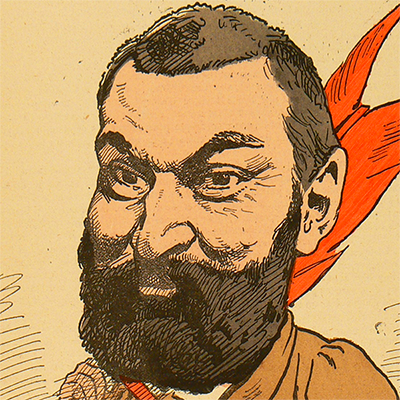
If you try to lessen or restrict competition for your private benefit, you are not denying the truth of an economic law; you are only trying to turn it to your own advantage.
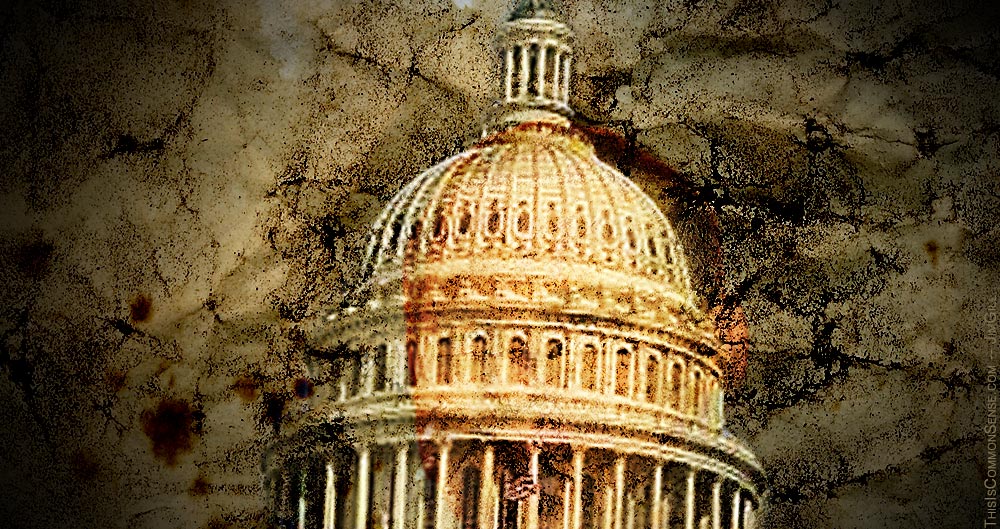
Is it even humanly possible to be sleazier and more disgusting than the Harvey Weinsteins of Hollywood?
Sadly, and clearly . . . yes. There is the U.S. Congress.
In 2011, after 175 years in operation, the House page program — whereby young people came to work and learn in the capitol — was shut down. Why? For Weinsteinian reasons, because pages were being sexually propositioned and harassed.*
Now, once again, Congress leads the way . . . downward . . . not only into a culture rife with sexual coercion, but also into one with few options for victims and plenty of protections for victimizers. Members of Congress have given more effort to keep complaints quiet and protect misbehavior than to stop misbehaving.
And there’s more . . .
“Between 1997 and 2014,” the Washington Post reports, “the U.S. Treasury has paid $15.2 million in 235 awards and settlements for Capitol Hill workplace violations, according to the congressional Office of Compliance.” That’s shelling out nearly $1 million a year, though the information doesn’t detail how many complaints were for sexual misconduct.
It is despicable when individuals or companies pay hush money to silence accusers, hiding the criminal sexual behavior of powerful men. But, for goodness sake, at least we don’t have to pay for it!
Conversely, Congress’s sexual abuse slush fund comes from you and me, taxpayers.
Regarding the swirling allegations against Alabama GOP Senate candidate Roy Moore, Sen. Cory Gardner (R-Colo.) argued that Moore “does not meet the ethical and moral requirements of the United States Senate.”
Well, then, he will fit right in.
This is Common Sense. I’m Paul Jacob.
* The program ended several years after the Mark Foley scandal — and there were others. The official rationale? A tight budget (stop laughing) and technology, which purportedly made the work pages were doing unnecessary. But note that the Senate continues its use of pages.
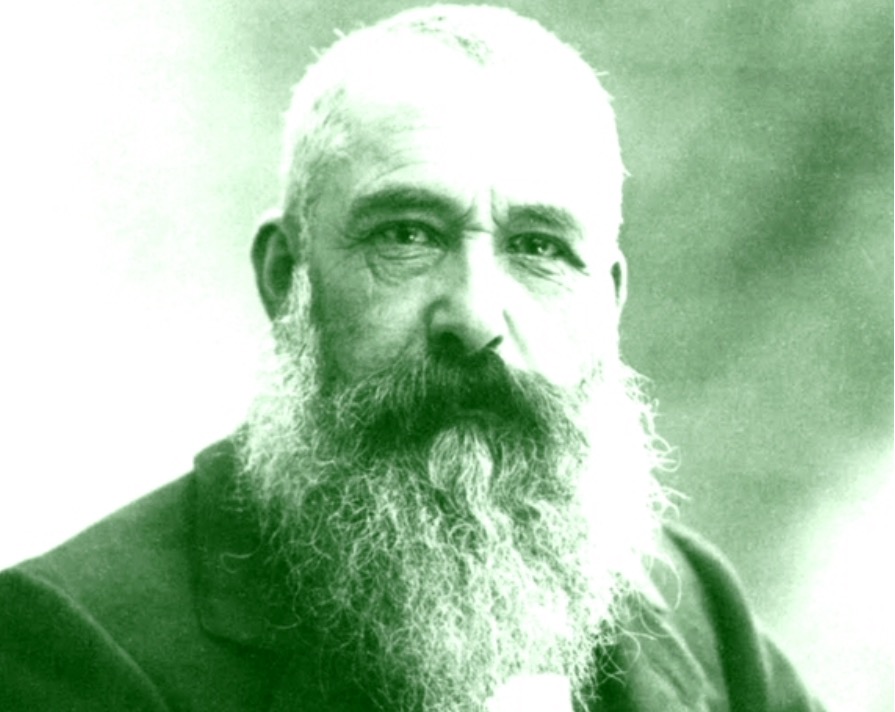
It is incumbent upon us to take action if we do not wish to become the subjects of a new Inca empire.

Francisco Pizarro and his men captured Inca Emperor Atahualpa at the Battle of Cajamarca on November 16, 1532. However murderous and greedy Pizarro undoubtedly was, the Inca’s empire was as evil as the Soviet Union, so, well, some recognition is due.

You might think that that coffee could not be spoiled by today’s politics, but, well, consider the Keurig line of coffee-related products. I’m a Starbucks man, myself, but one of the great things about capitalism is that I can have my tall (or grande) latte and you can have your home-brewed Keurig cup of java.
Enter Media Matters.
You might think of the outfit as the subject of President Trump’s enigmatic tweet of several months back . . .
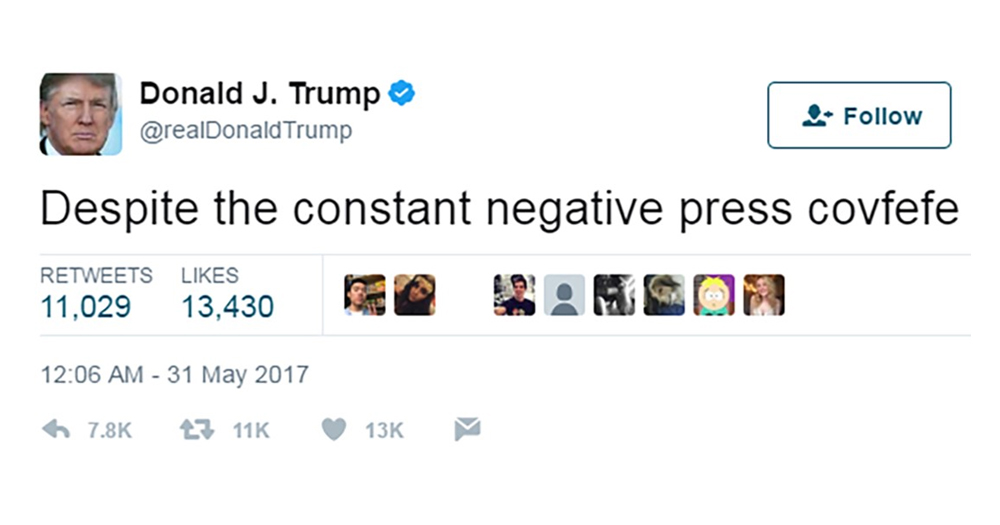
. . . which is all he wrote.
He obviously meant “negative press coverage,” but got distracted. And the typo took on a life of its own.
But Media Matters, a dirty player in the politico-cultural wars (pretending to be a watch dog outfit), stepped in. One of Media Matter’s negative employees tweeted
Good afternoon @Keurig. You are currently sponsoring Sean Hannity’s show. He defends child molester Roy Moore and attacks women who speak out against sexual harassment. Please reconsider.
And Keurig capitulated, pulling their ads from Hannity’s show.
Now, as far as I can tell*, Sean Hannity did not defend “child molester Roy Moore.” Understandably, Hannity’s fans struck back, not only initiating a public boycott, but made the whole thing viral by trashing the Keurig coffee makers in online videos.
This is the result of going full Alinsky.**
And there appears to be a clear bad guy here, clearer even than Roy Moore’s alleged crimes: Media Matters lied to squash Hannity for reasons having nothing to do with the Alabama Senatorial race.
Media Matters embodies “covfefe.” And the negativity has spilled out of politics and into the beauty of everyday life. Coffee.
This is Common Sense. I’m Paul Jacob.
* The YouTube recording of Hannity’s interview of Judge Moore that I listened to has been pulled, so there’s no point in linking to it. Instead, consider Ben Shapiro’s take and other non-covfefe at The Daily Wire.
** Never go full Alinsky.

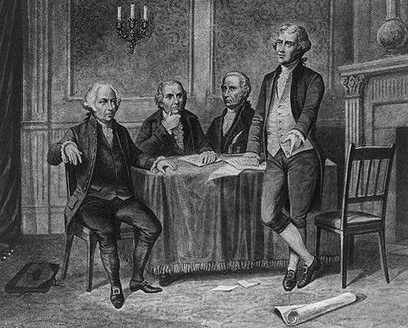
On November 15, 1777, the Continental Congress approved, and sent to the states for ratification, the “Articles of Confederation — after 16 months of deliberation. The first article gave the official name of the confederacy:
The Stile of this Confederacy shall be
The United States of America
.

A journey of a thousand leagues starts with a single step.
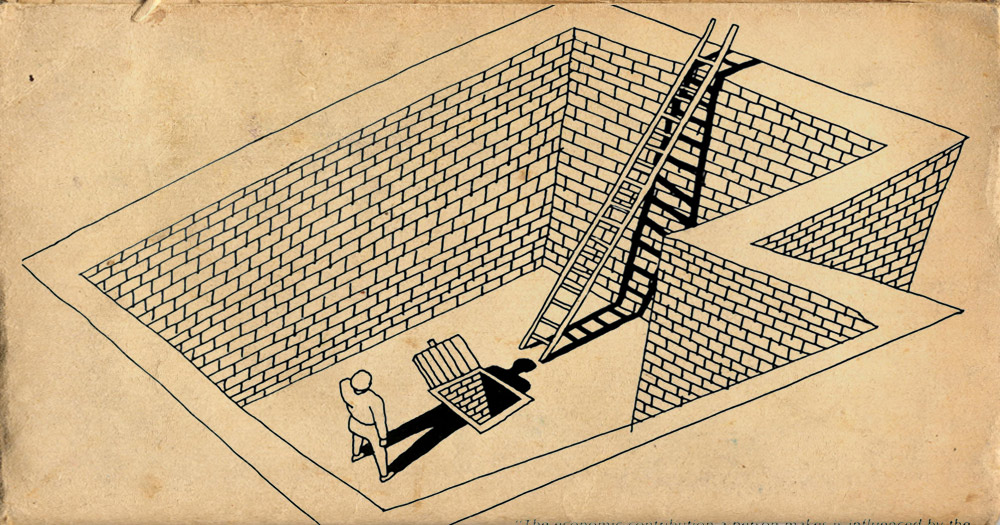
There is a common sense element to economics. We ignore it at our peril. So let’s take a cue from the Democratic Party’s current and de facto leader, Bernie Sanders.
Turn to Denmark for a model.
The Nordic state has what Bernie wants: higher education “free for all.” But there are . . . costs involved.
It turns out that “some Danes, especially older citizens already in the labor force,” explains Business Insider, “say the extra freedom can eliminate a crucial sense of urgency for 20-somethings to become adults. The country now deals with ‘eternity students’ — people who stick around at college for six years or more [not to mention advanced degree work] without any plans of graduating, solely because they don’t have any financial incentive to leave.”
Hardly a shock. Young Danes would not be the first to see in college life what satirist Tom Lehrer identified as the prolongation of “adolescence beyond all previous limits.”
Give young people an incentive to suck up resources year after year, and some will certainly take you up on that.
It’s hard to counter, too. The Danish “eternity student” problem remains even after taking policy steps to discourage it.
Business Insider ends its report by quoting an expert who insists that “motivation to succeed in your studies is in no way linked to whether you’re paying for your tuition or not.”
Yup, that’s what proponents of “free” education keep telling us. But there is more at play here.
Responsibility is on the line. Adulthood is about responsibility. Free tuition is about postponing responsibility.
Do we really want to go further in that direction?
This is Common Sense. I’m Paul Jacob.
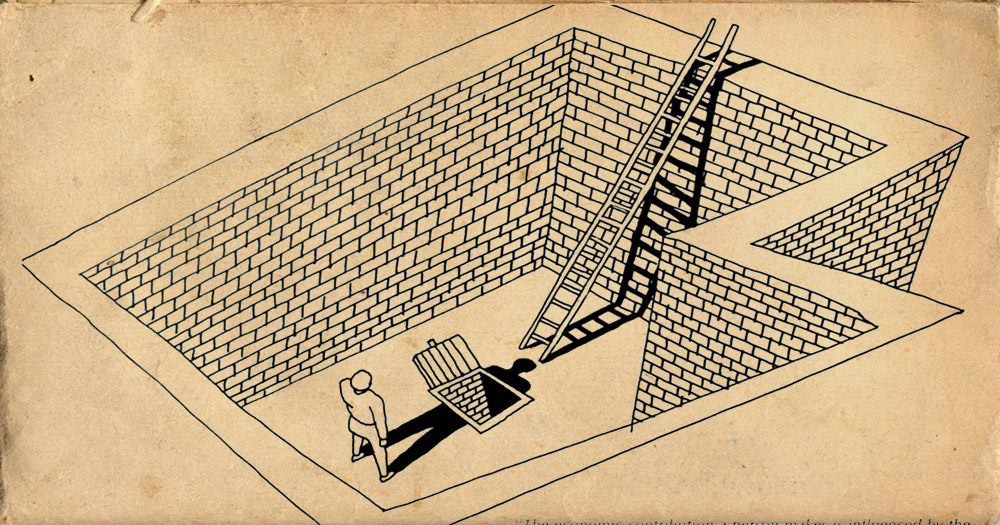
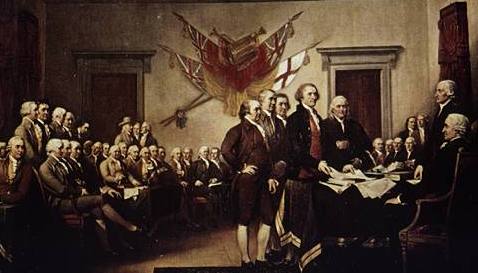
The better to secure and perpetuate mutual friendship and intercourse among the people of the different States in this Union, the free inhabitants of each of these States, paupers, vagabonds, and fugitives from justice excepted, shall be entitled to all privileges and immunities of free citizens in the several States; and the people of each State shall free ingress and regress to and from any other State, and shall enjoy therein all the privileges of trade and commerce, subject to the same duties, impositions, and restrictions as the inhabitants thereof respectively, provided that such restrictions shall not extend so far as to prevent the removal of property imported into any State, to any other State, of which the owner is an inhabitant; provided also that no imposition, duties or restriction shall be laid by any State, on the property of the United States, or either of them.
On November 14, 1918, Czechoslovakia became a republic.
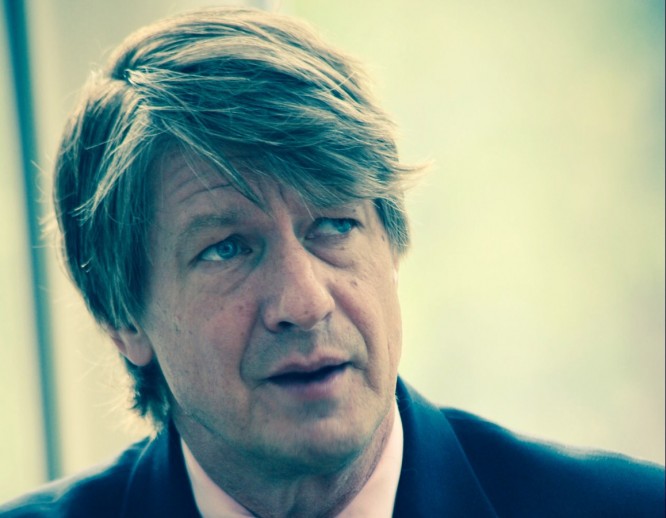
Born on the same date 29 years later, American writer P. J. O’Rourke.