Among the new arrangements that feeble mortals are invited to make trial of, there is one that is presented to us in terms worthy of attention. Its formula is: Association, voluntary and progressive.
Why the major social media platforms ban some people and not others remains something of a mystery. Why they will not explain themselves is probably not a mystery, though: if they explained themselves their inconsistencies would be even plainer yet. Or their disregard for their own ways of doing business, their own terms of service.
Here one excellent journalist and vlogger makes a challenge:
Carey Wedler challenges the platforms that have ousted her.
On February 2, 1887, Punxsutawney, Pennsylvania, celebrated the first Groundhog Day. On the same day in 1976, the Groundhog Day gale hit the north-eastern United States and south-eastern Canada.
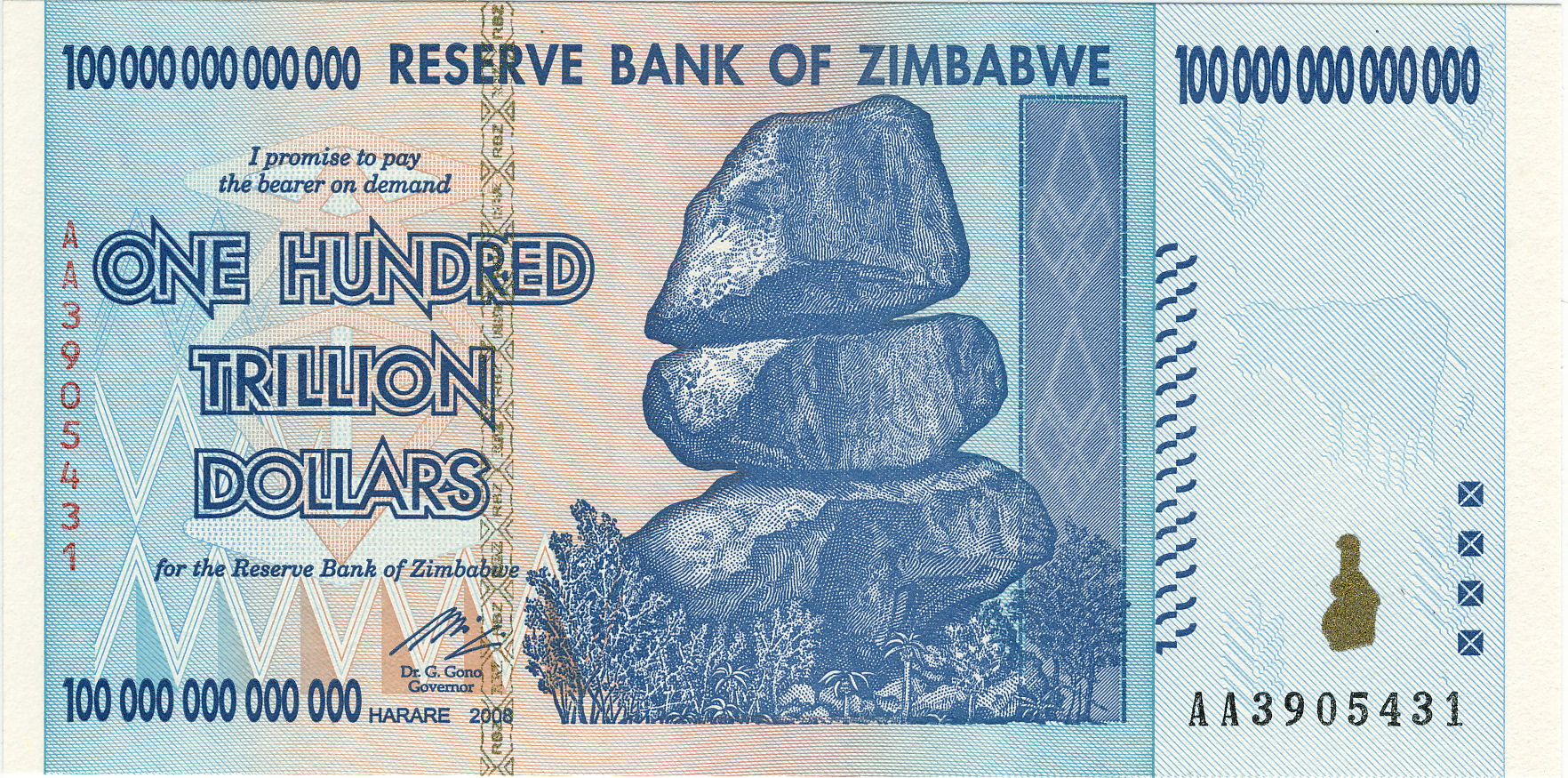
In 2009, the Reserve Bank of Zimbabwe officially devalued the Zimbabwean dollar for the third and final time, making Z$1 trillion now only Z$1 of the new currency, equivalent to Z$10 septillion before the first devaluation. Politicians in Zimbabwe looked up, saw their shadow, and realized that they had only a couple months more of their inflation binge. Indeed, the legalization of trading currencies, the previous month, had sealed the fate of Zimbabwe’s independent dollar. The Zimbabwean dollar was abandoned officially on the 9th of April, 2009.
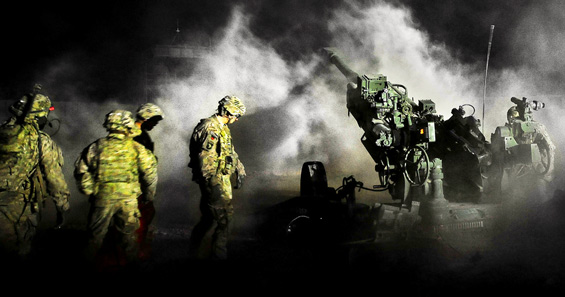
Former U.S. Ambassador to Afghanistan Ryan Crocker sums up in a single word the recently announced framework of an agreement between the United States of America and the Taliban: Surrender.
“This current process bears an unfortunate resemblance to the Paris peace talks during the Vietnam War,” writes Crocker in a Washington Postop-ed. “Then, as now, it was clear that by going to the table we were surrendering; we were just negotiating the terms of our surrender.”
He’s not wrong.
It may seem strange that, after successfully toppling the Taliban government, a savage regime that had given safe haven to Al-Qaeda to launch its 911 attacks against us, we would now, nearly two decades later, be anxious to cut a deal with that same Taliban, even possibly bringing them into a power-sharing role.
Anything to get the heck out of Kabul and back to the good ol’ USA. And it is a recognition, right or wrong, that the Afghan government is unsustainable.
The alternative? Keep a significant contingent of U.S. troops in Afghanistan . . . forever. Or until we have fashioned a brand new westernized-Afghanistan that is no possible threat to us.
Yep, forever.
“Winning may not be an available option,” contends a new Rand report, “but losing . . . would be a blow to American credibility, the weakening of deterrence and the value of U.S. reassurance elsewhere, an increased terrorist threat emanating from the Afghan region, and the distinct possibility of a necessary return there under worse conditions.”
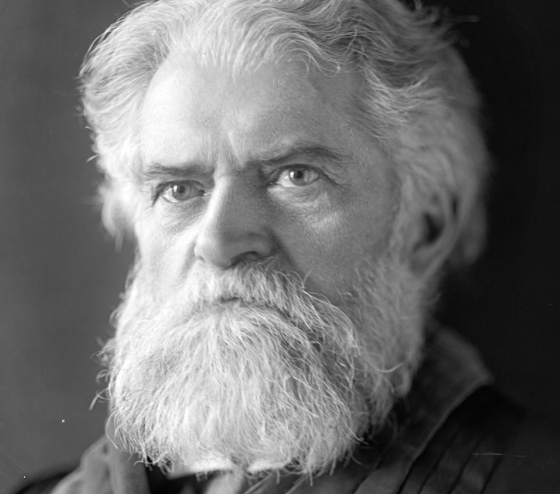
Scientific method consists in applying to those subjects which lie without the range of our immediate experience those same common-sense methods of reasoning which successful men of the world apply in judging of matters which concern their own interests.
Simon Newcomb, Principles of Political Economy (1886), chapter III, “Of Scientific Method”
On February 1, 1835, slavery was abolished in Mauritius. Twenty-six years later, in the American Civil War, Texas seceded from the United States. On this date in 1865, President Abraham Lincoln signed a Joint Resolution from Congress formally submitting the proposed Thirteenth Amendment to the United States Constitution to the states for ratification.
This Amendment abolished chattel slavery throughout the union.
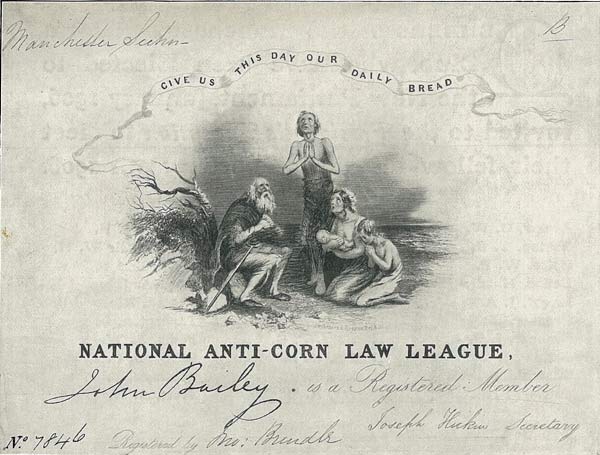
On January 31, 1849, the Corn Laws were abolished in the United Kingdom, one of the most impressive and far-reaching anti-protectionist moves of all time. “Corn” stood for all grains, including wheat, oats, barley, etc.; the free-trade agitation by John Bright and Richard Cobden was one of the main impetuses for the reform.
On Jan. 31, 1865, the United States Congress proposed the Thirteenth Amendment to the U.S. Constitution, submitting it to the states for ratification. The Amendment’s main section reads: “Neither slavery nor involuntary servitude, except as a punishment for crime whereof the party shall have been duly convicted, shall exist within the United States, or any place subject to their jurisdiction.”
On Jan. 31, 1990, the first McDonald’s fast food restaurant opens in the Soviet Union. Having once traveled to Moscow, I’m exceedingly thankful for this.