If censorship reigns, there cannot be sincere flattery, and only small men are afraid of small writings.
Categories
Pierre-Augustin Caron de Beaumarchais

If censorship reigns, there cannot be sincere flattery, and only small men are afraid of small writings.
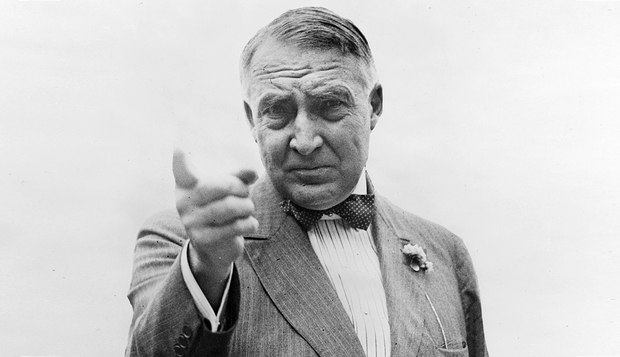
On October 21, 1921, President Warren G. Harding delivered the first speech by a sitting U.S. President against lynching in the deep South.

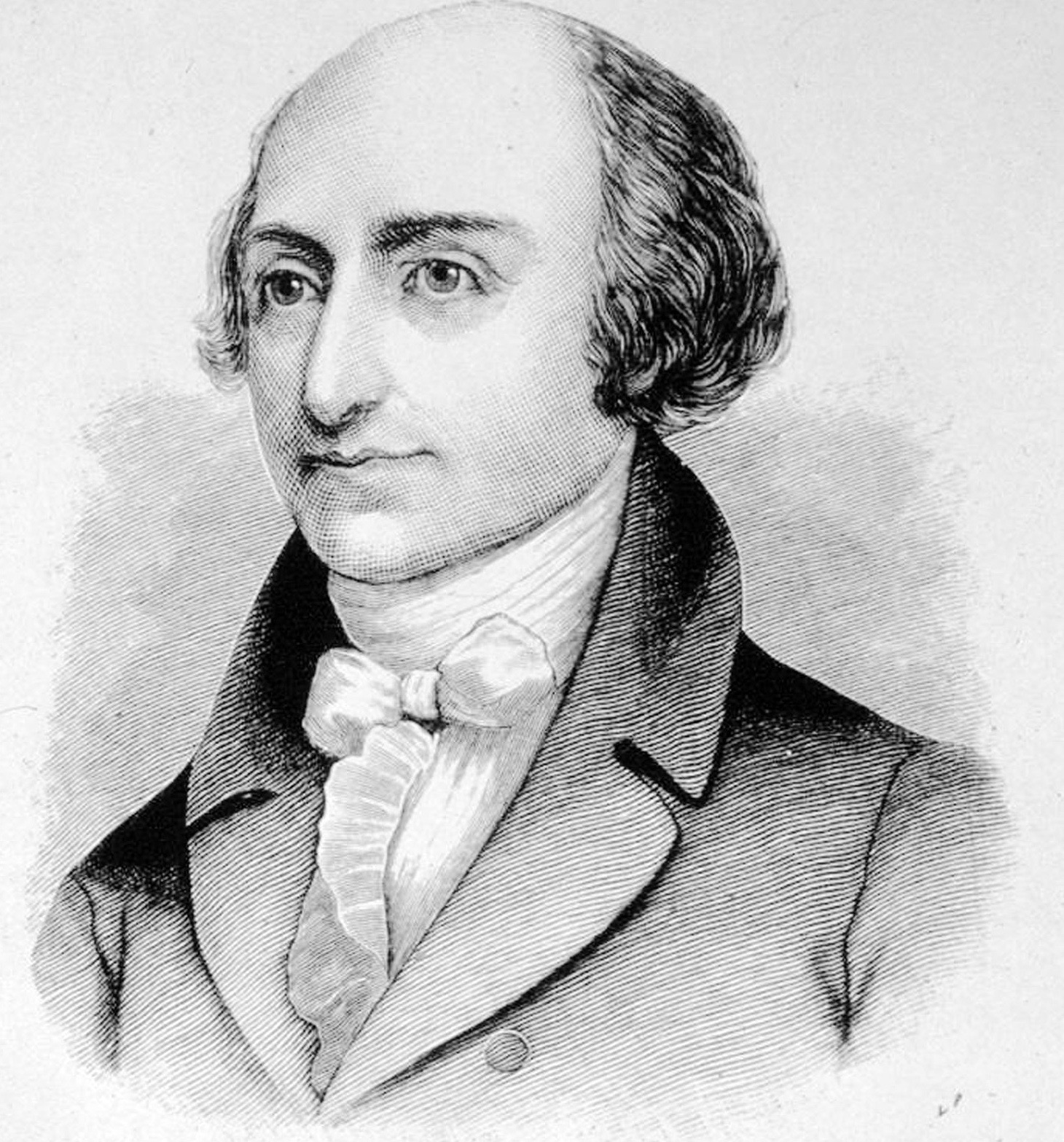
The whole of the Bill is a declaration of the right of the people at large or considered as individuals. . . . It establishes some rights of the individual as unalienable and which consequently, no majority has a right to deprive them of.
Albert Gallatin of the New York Historical Society, October 7, 1789.
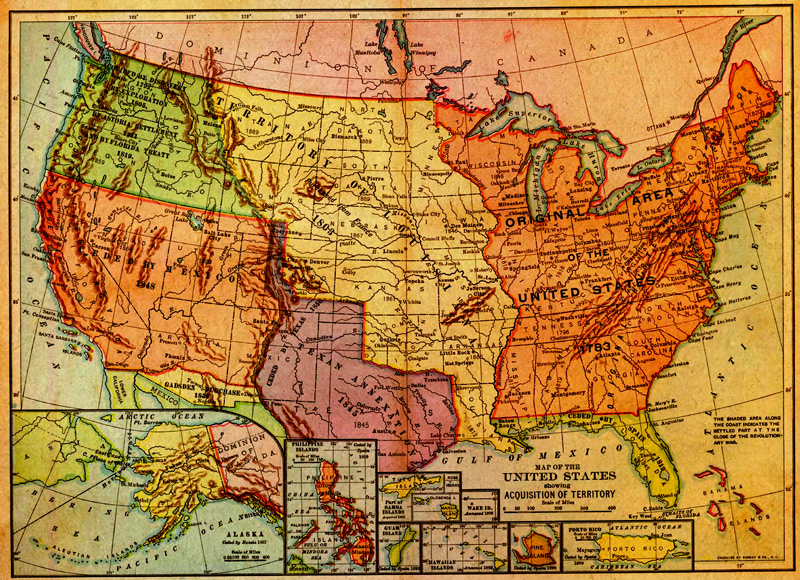
On October 20, 1803, the United States Senate ratified the Louisiana Purchase.
Exactly 15 years later, the Convention of 1818 signed between the United States and the United Kingdom which, among other things, settled the Canada-United States border on the 49th parallel for most of its length.

How can we help the oppressed around the world?
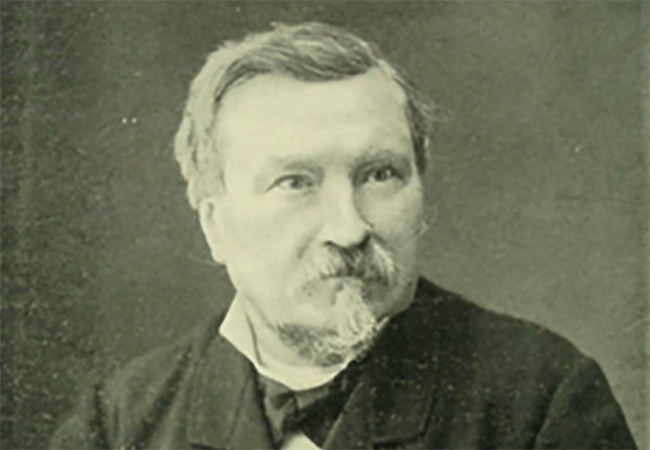
The State of War is in absolute opposition to the right of free choice of nationality, of accession or secession.
Gustave de Molinari, The Society of To-morrow (1899)
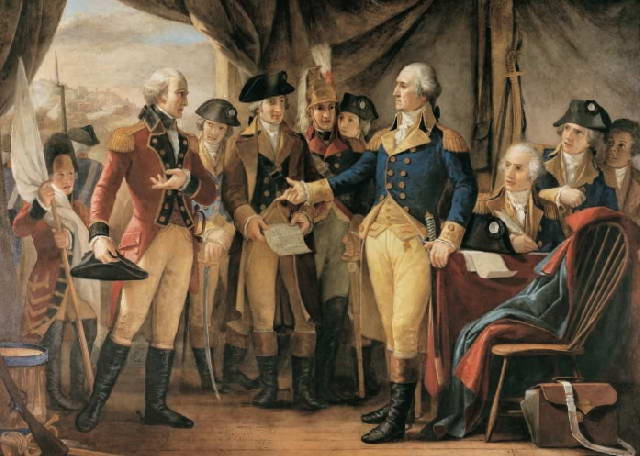
On October 19, 1781, representatives of British commander Lord Cornwallis handed over Cornwallis’s sword and formally surrendered to George Washington and the comte de Rochambeau, at Yorktown, Virginia. The Revolutionary War (or War for Independence, or Colonial Rebellion, or whatever you wish to call it) was over.
In 1918 on this date, conservative writer Russell Kirk was born.
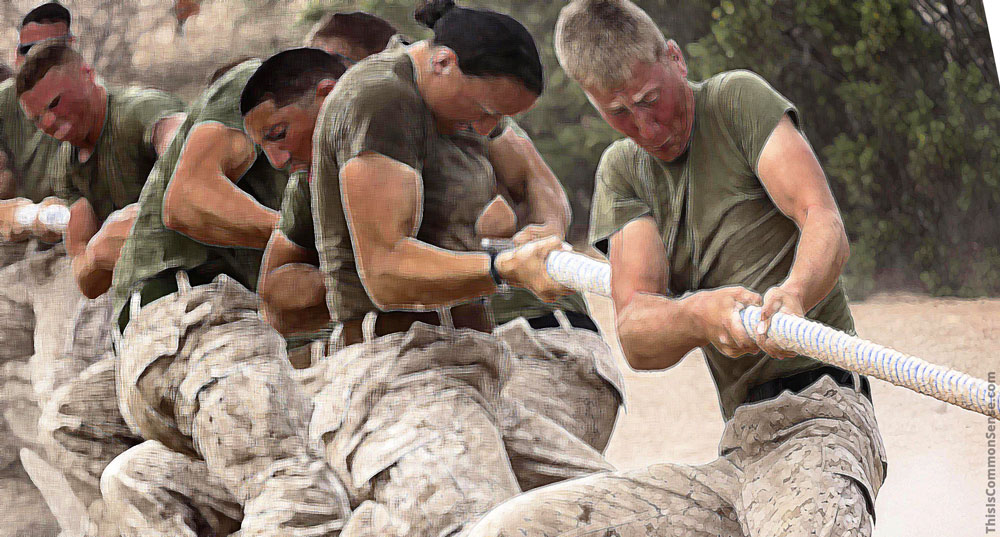
I don’t want the Turkish military to wipe out the Kurds.
I also don’t want the Taliban to return to power in Afghanistan.
Nor do I want the Chinese totalitarians to violate the rights of Hongkongers.
Or for the Spanish government to slap long prison terms on peaceful Catalonian separatists.
Or tyrants in Nicaragua and Venezuela to torture and kill the people of those countries.
At the same time, I don’t want U.S. Marines landing on the beaches of Venezuela or Nicaragua or parachuting into Madrid or Kowloon . . . or for our military to endlessly occupy turf in Afghanistan and Syria.
There are limits even to superpower status. We cannot re-make the world in our image. By force. Everywhere at all times.
Except to some degree, by example. And regime change wars have not set a very good example.
The Iraq War destabilized the Middle East and handed Iran a major strategic victory. Leading from behind to help NATO overthrow the government of Libya has produced more chaos for northern Africa and Europe. Efforts at regime change in Syria have only worsened the suffering of millions of people.
U.S. troops remain in Iraq. After 17 years, we still have soldiers dying in Afghanistan. We can never leave. At least, not without any “gains” evaporating in a hurry.
And the president who finally ends military involvement in these “endless war” will get endless grief for abandoning allies* and ceding ground to Russia or some other bad actor. That’s what happened after 28 soldiers were pulled out of Syria.
Being a superpower isn’t all it’s cracked up to be.
Beacon of freedom seems a better gig.
This is Common Sense. I’m Paul Jacob.
* This is not an argument for being a bad ally ourselves. For starters, I think we ought to welcome Kurdish refugees who wish to immigrate to the U.S.
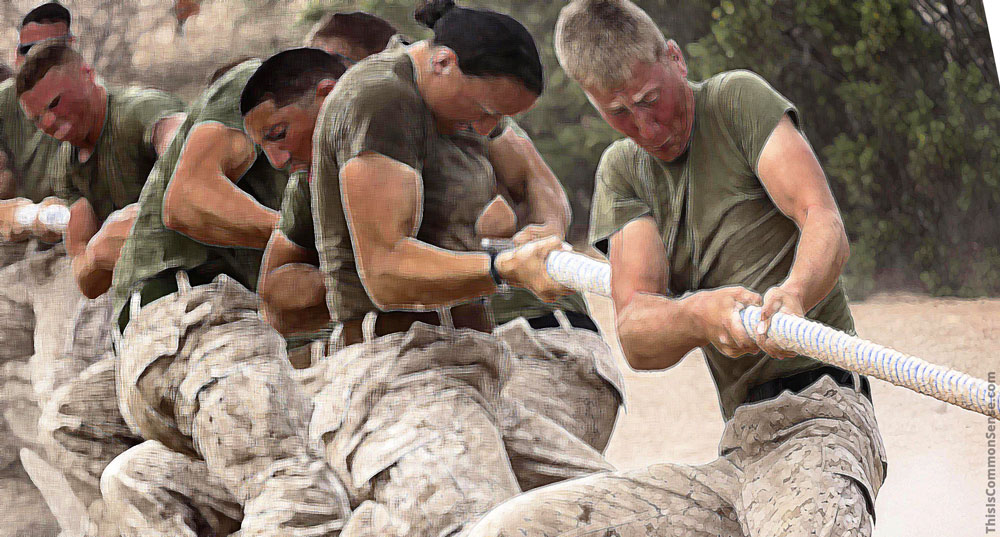
From a photo by: Lance Cpl. Christian Cachola
See all recent commentary
(simplified and organized)
See recent popular posts
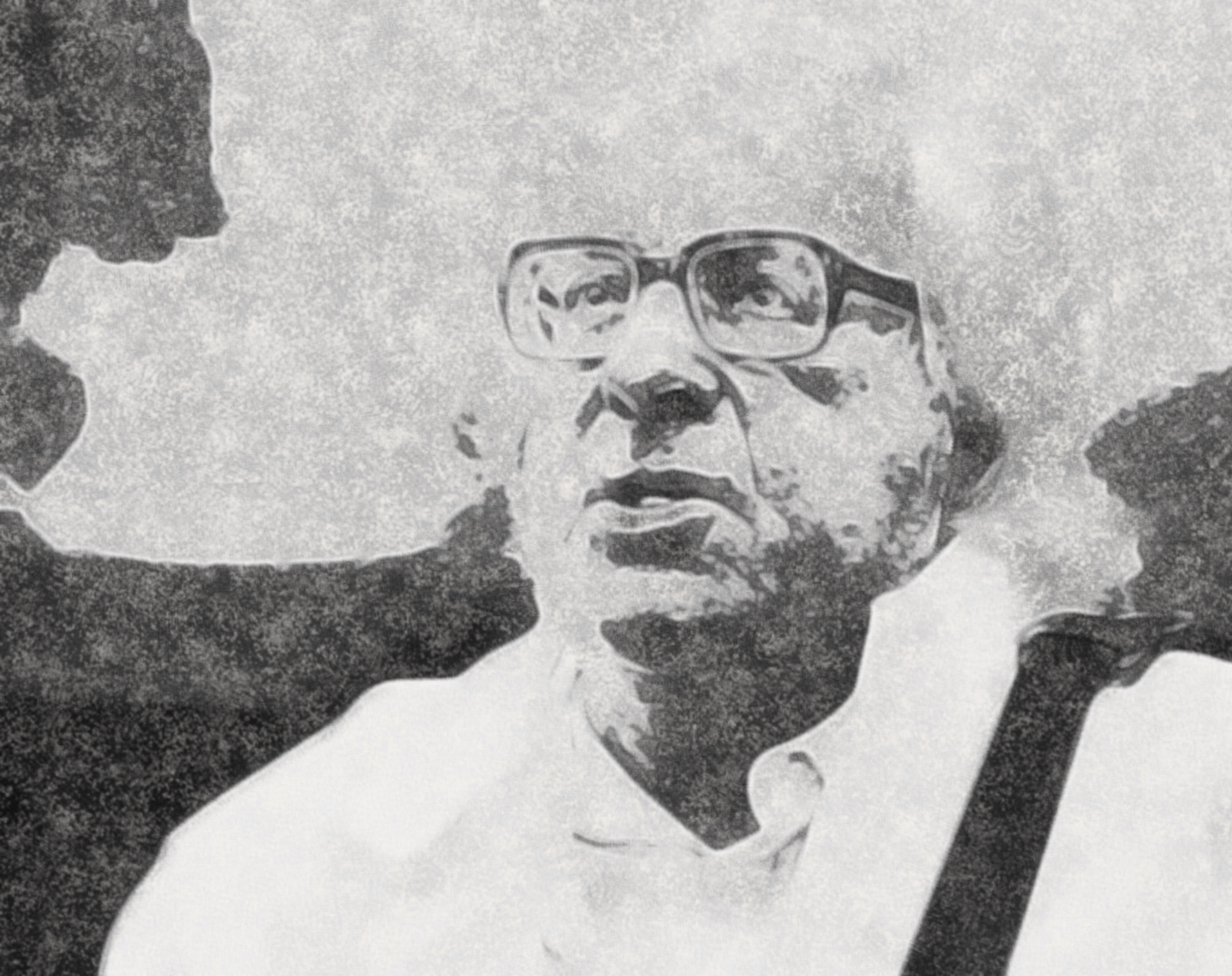
There is more than one way to burn a book. And the world is full of people running about with lit matches.