Categories
media and media people

Prognosis: Negative

Ah, the Law of Unintended Consequences!

It doesn’t apply just to government programs. It also applies to journalistic crusades.

What am I talking about?

Well, by now, it is pretty clear that the mask mandates, social distancing efforts, and lockdown policies have not worked very well, if at all. But that hasn’t stopped corporate newsmedia.

From what? 

From inducing panic by playing up the negative aspects of the COVID epidemic, and downplaying — even suppressing — information that would mitigate . . . their propagation of panic.

And policies of an extreme nature.

Jacob Sullum, writing at Reason, calls our attention to recent research: “Based on an analysis of news stories about COVID-19 that appeared from January 1 through July 31, Dartmouth economist Bruce Sacerdote and two other researchers found that 91 percent of the coverage by major U.S. media outlets was ‘negative in tone.’ The rate was substantially lower in leading scientific journals (65 percent) and foreign news sources (54 percent).” 

It has consequences: “This unrelenting, indiscriminate negativity fosters suspicion and resistance. Journalists and politicians who repeatedly cry wolf should not be surprised at the lack of cooperation when the beast actually appears.”

Which suggests that corporate media’s approach to the disease and our responses to it has had effects quite the opposite of what leftist Yellow Journalists aim: total government control of the populace in the cause of fighting a disease.

By overstating their case, and even flagrantly fibbing, they may be inoculating us from the very disease they promote.

That disease being not COVID, of course, but Therapeutic Totalitarianism.

This is Common Sense. I’m Paul Jacob.


PDF for printing

See all recent commentary
(simplified and organized)
See recent popular posts
Categories
Thought

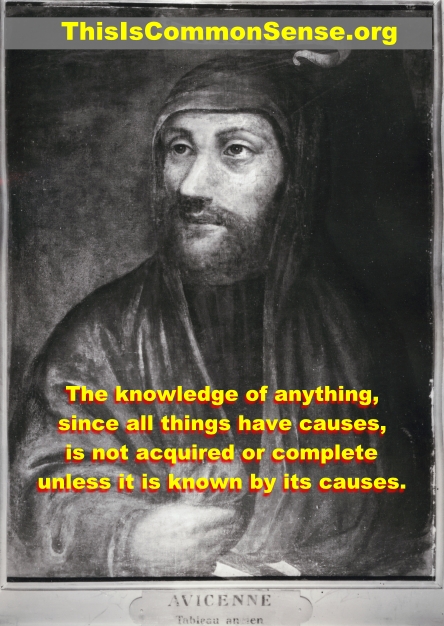
Avicenna

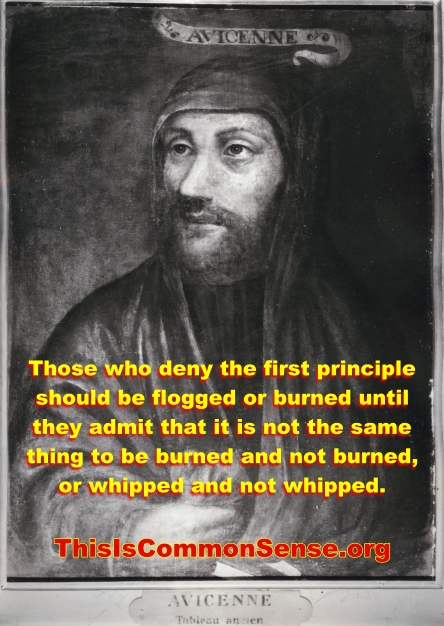
Those who deny the first principle should be flogged or burned until they admit that it is not the same thing to be burned and not burned, or whipped and not whipped.

Avicenna, Metaphysics: Book I.
Categories
Today

Rights, Wets, and Whites

On December 15, 1791, the United States Bill of Rights became federal law when ratified by the Virginia General Assembly.

On December 15 in 1933, the Twenty-first Amendment to the United States Constitution officially became effective, repealing the Eighteenth Amendment that had, by enabling the Volstead Act, prohibited the sale, manufacture, and transportation of alcohol for any other than medical and industrial uses.

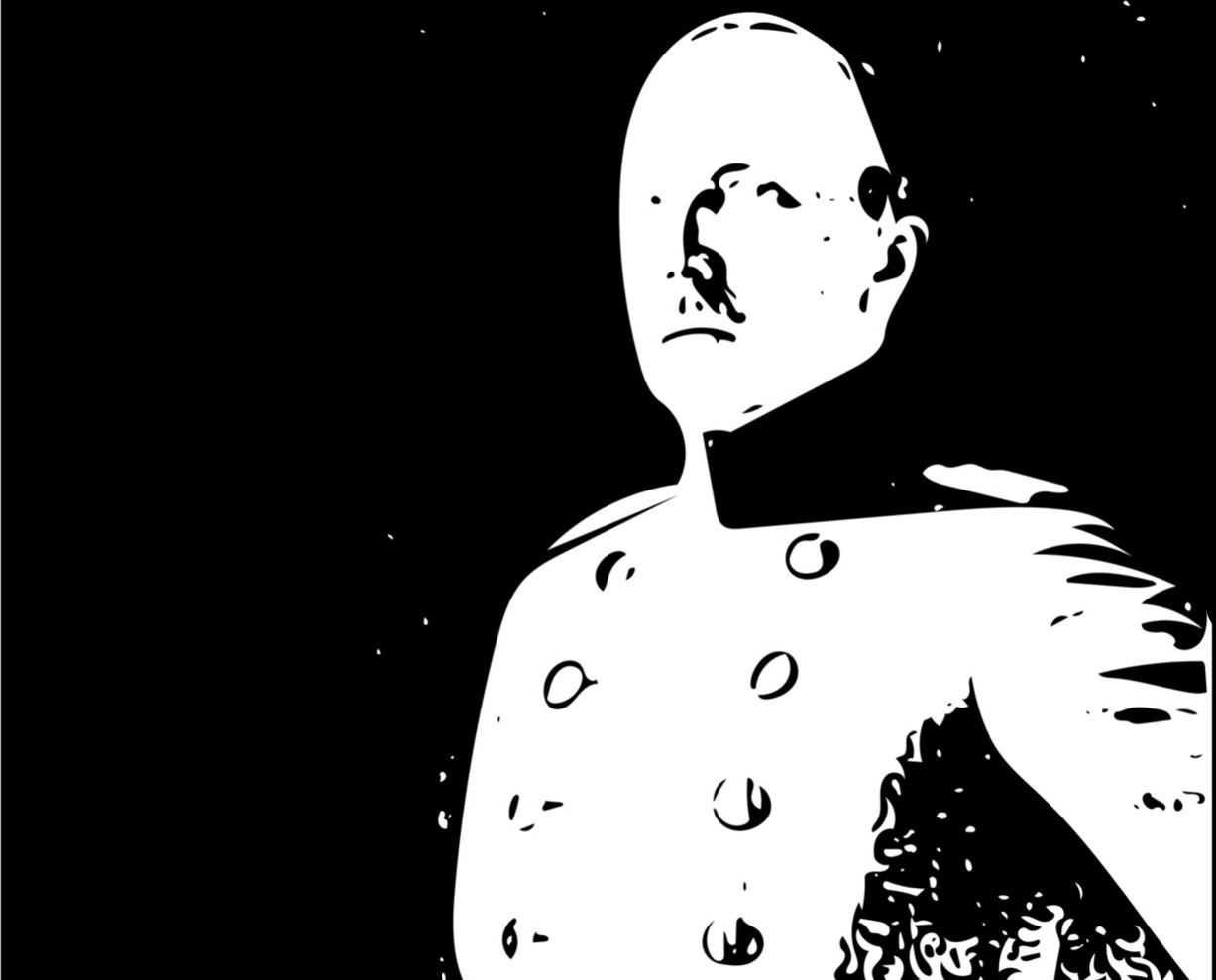
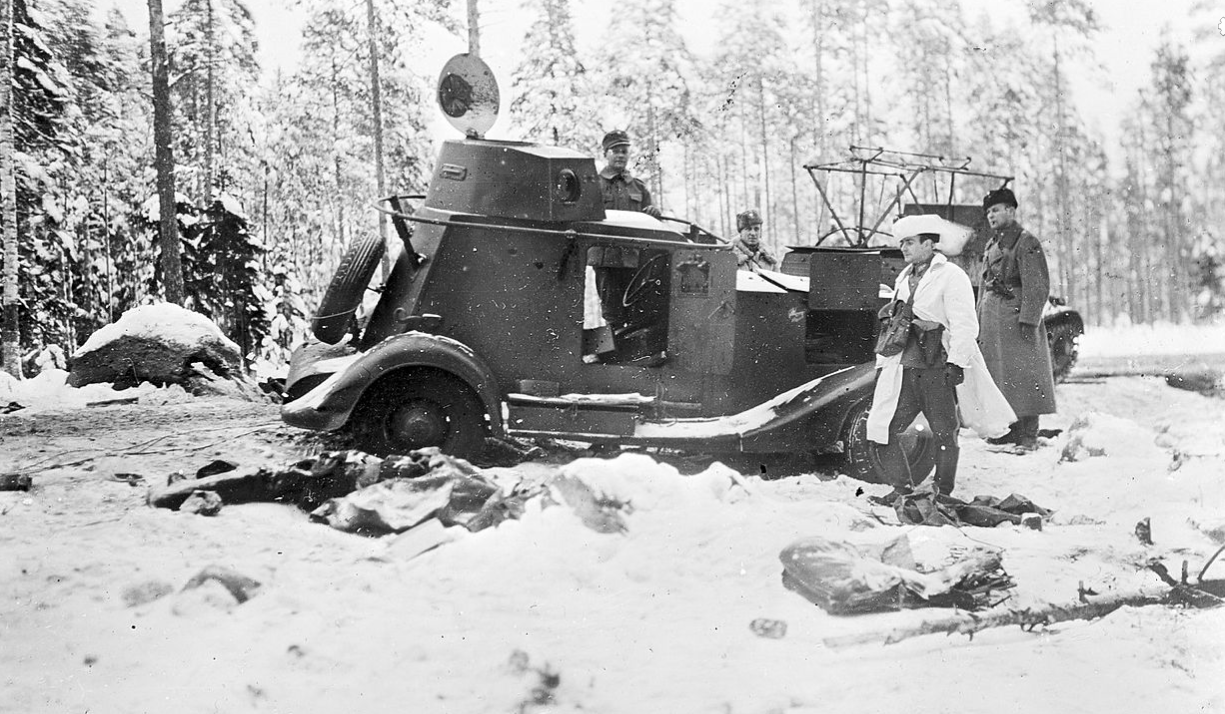
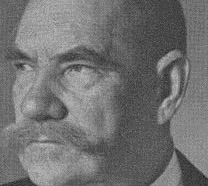
December 15 birthdays include that of Pehr Evind Svinhufvud af Qvalstad [pictured above], 1861, first Head of State of independent Finland, serving in this capacity first as leader of the Senate and then as Protector, or Regent. In 1930 he became Prime Minister, and in 1931 was elected President, leaving office in 1937.

During the Civil War of 1918, his anti-socialist refugee government, Valkoiset, or “Whites,” opposed the “Reds,” a Social Democrat Party faction, for control of the government as it transitioned from Russian rule as a Grand Duchy, to independent status.

He died in 1944.

Categories
crime and punishment ideological culture

Needed Theft

Some Seattle city council members want to legalize theft when the thief is thereby meeting an “immediate basic need.”

A KOMO News reporter elaborates: “If someone . . . steals power tools with the intent of reselling them online in order to pay for a basic need like food or rent, the city of Seattle may be OK with that.”

This “principle” discards the principle that individuals have rights, including property rights, which it is wrong to violate by, for example, stealing. With the principle discarded, no line can be drawn to limit the amount of stealing one may do or the means of doing so. The needs of the person being robbed are somehow deemed irrelevant.

The Seattle plan might have spared Hugo’s Jean Valjean decades of being pursued by Javert. But the injustice there wasn’t that Valjean was punished for stealing a loaf of bread but that his punishment — 19 years as a galley slave — was so disproportionate.

Food is a continuing cost. Rent is. The immediacy keeps recurring. What if you have a $2,500 monthly rent?

Well, just gotta steal lots of power tools, and do so regularly. According to the babblers on the Seattle city council, “need” trumps the rights and lives of the innocent. So it’s okay to terrify somebody in a dark alley and grab their stuff even if the victim has an immediate basic need to be left alone.

Seattle has an immediate basic need for a new government that respects lives and property. Until then, let’s hope the “city limit” signs are well marked.

This is Common Sense. I’m Paul Jacob.


PDF for printing

See all recent commentary
(simplified and organized)
See recent popular posts
Categories
Today

A King Resigned

On December 14, 1918, Friedrich Karl von Hessen, a German prince elected by the Parliament of Finland to become King Väinö I, renounced the Finnish throne.

In 1939, on this date, the Soviet Union was expelled from the League of Nations for invading Finland and starting the Winter War.


On December 14, 1819, Alabama became the 22nd state of these United States.

Categories
Thought

Avicenna

The knowledge of anything, since all things have causes, is not acquired or complete unless it is known by its causes.

Avicenna, “On Medicine” (c. 1020).
Categories
by Paul Jacob video

Watch: Signs o’ the Times

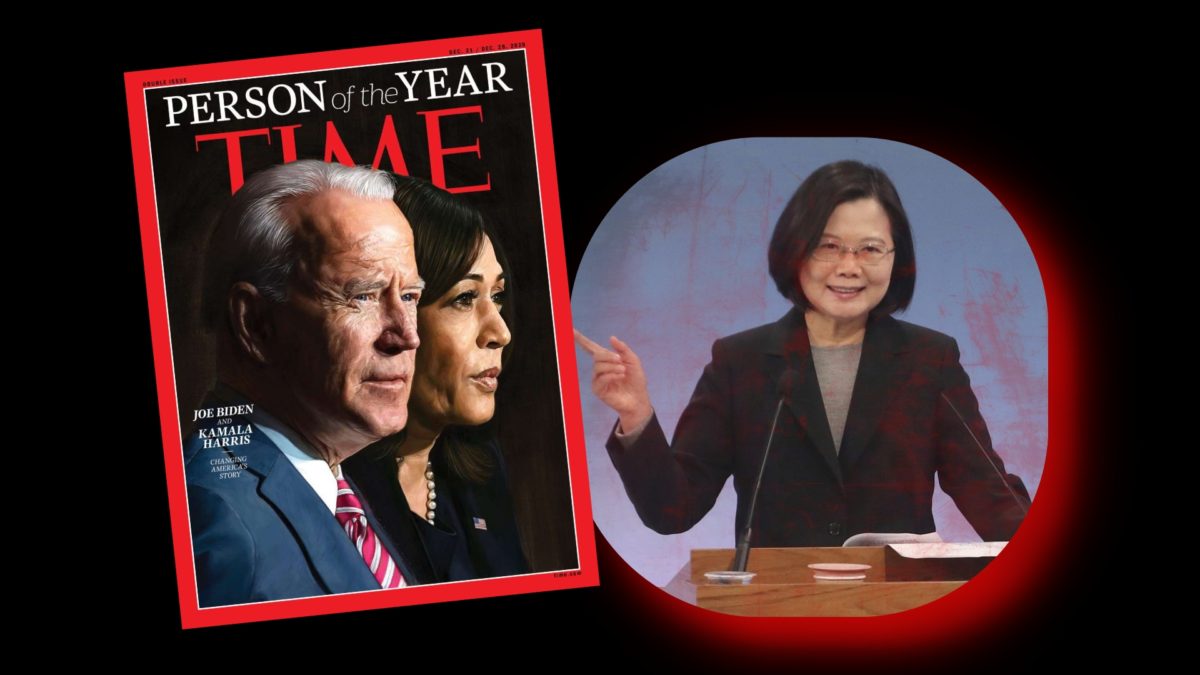
The TIME “Person of the Year” deserves the pronouns ‘they/them/their’ — but should have been one Chinese politician….

This Week in Common Sense for the second week of December 2020.
Categories
Today

The 1636 Militia

On December 13, 1636, the Massachusetts Bay Colony organized three militia regiments to defend the colony against the Pequot Indians.

The National Guard of the United States traces its heritage back to this event.

Categories
audio podcast

Listen: To the Signs!

Paul Jacob covers the big stories from democracy to TIME magazine’s cover story, to . . . UFOs:

Categories
Today

Victory

On December 12, 1939, Finnish forces defeated those of the Soviet Union in the first major victory of what became known as the Winter War, in the Battle of Tolvajärvi.