Categories
Thought

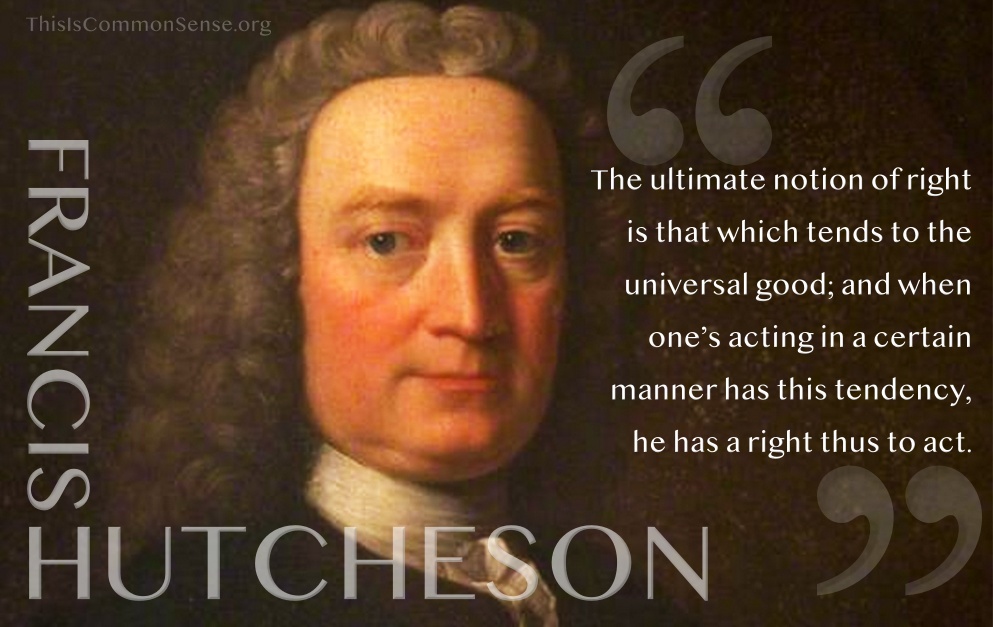
Francis Hutcheson

The ultimate notion of right is that which tends to the universal good; and when one’s acting in a certain manner has this tendency, he has a right thus to act.

Francis Hutcheson, A System of Moral Philosophy (1755), Book II, Ch. III, No. 12.
Categories
Today

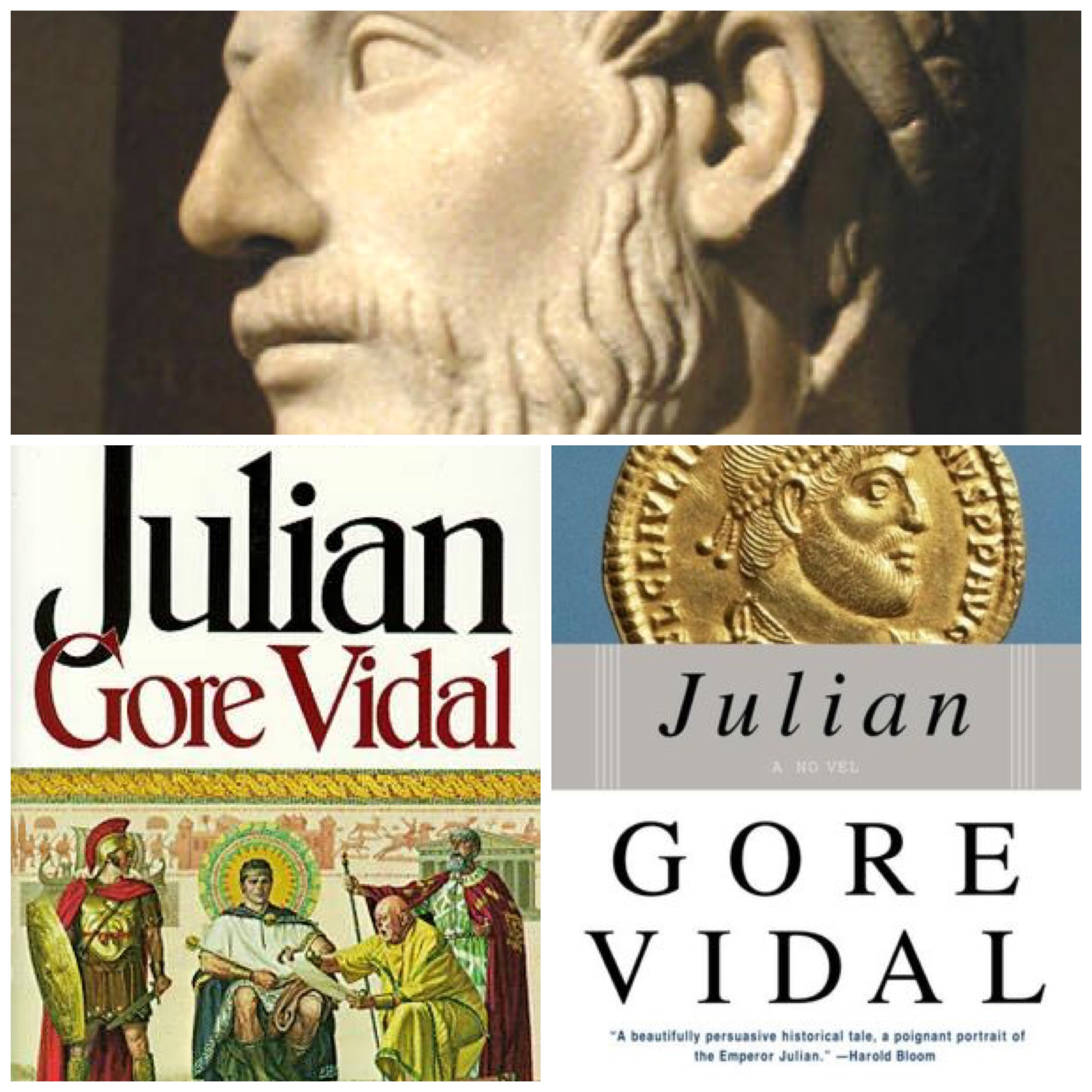
Emperor Julian

On June 26, 363, Roman Emperor Julian was killed during the retreat from the Sassanid Empire.

On this same date in 1960, Madagascar gained its independence from France; in 1963, U.S. President John F. Kennedy gave his “Ich bin ein Berliner” speech.

Categories
audio podcast

Listen: Dobbs’ Worth?

The big decision this last week was from the Supreme Court — about abortion. No talk of riots from Paul Jacob, though, just sweet reason and a rights-eyed view of the issue:

Categories
Thought

Francis Hutcheson

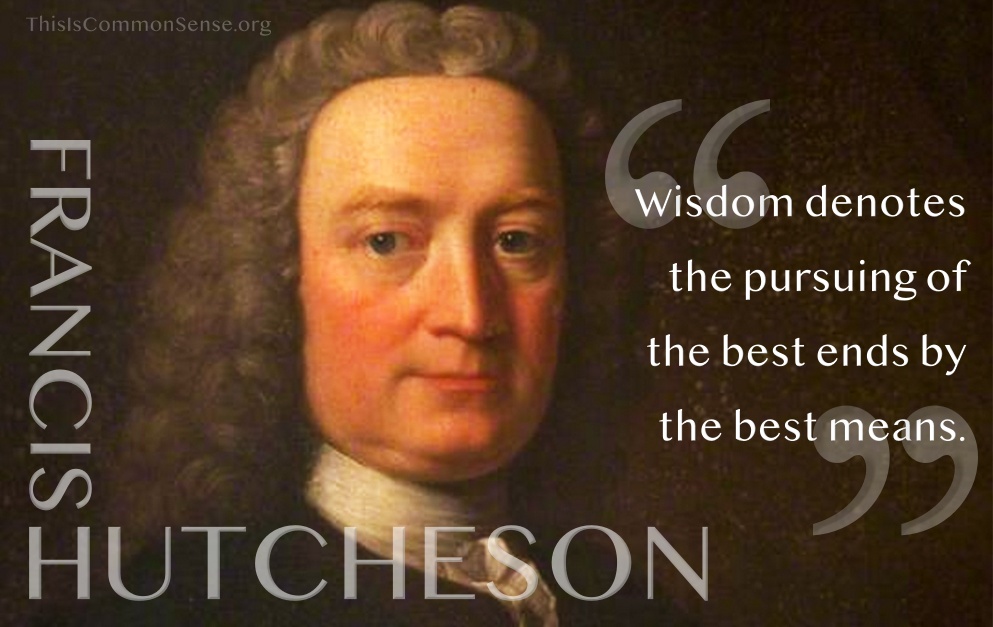
Wisdom denotes the pursuing of the best ends by the best means.

Categories
Today

Tenth State

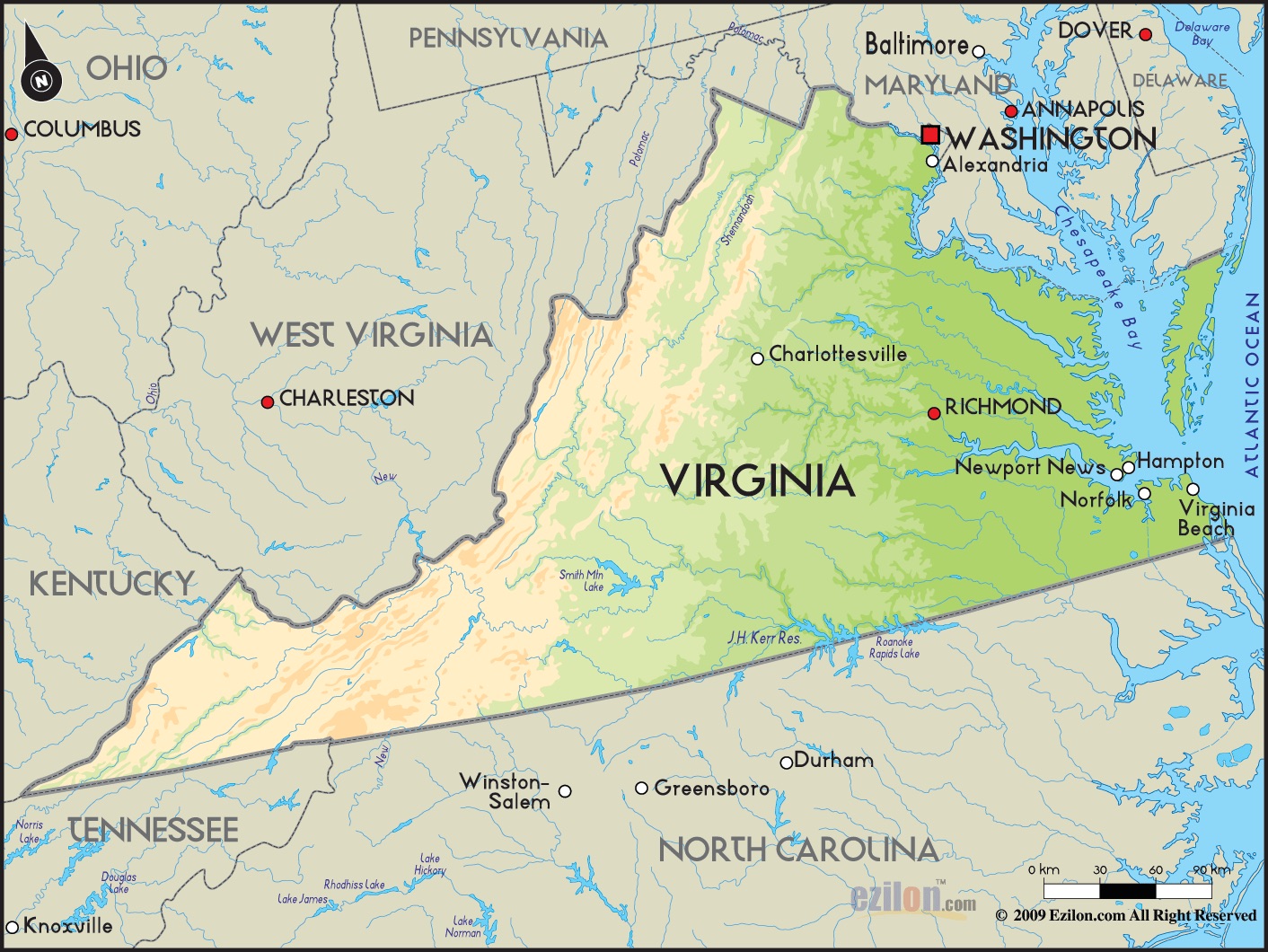
Virginia became the tenth state to ratify the U.S. Constitution, on June 25, 1788.

Other events on the 25th of June include Custer dying at the Battle of Little Bighorn (1876); Igor Stravinsky’s ballet The Firebird debuting (1910), with the composer becoming an instant celebrity; and Civil War veterans began arriving at the Great Reunion of 1913 at Gettysburg.

Categories
general freedom too much government

Les Climate Lockdowns

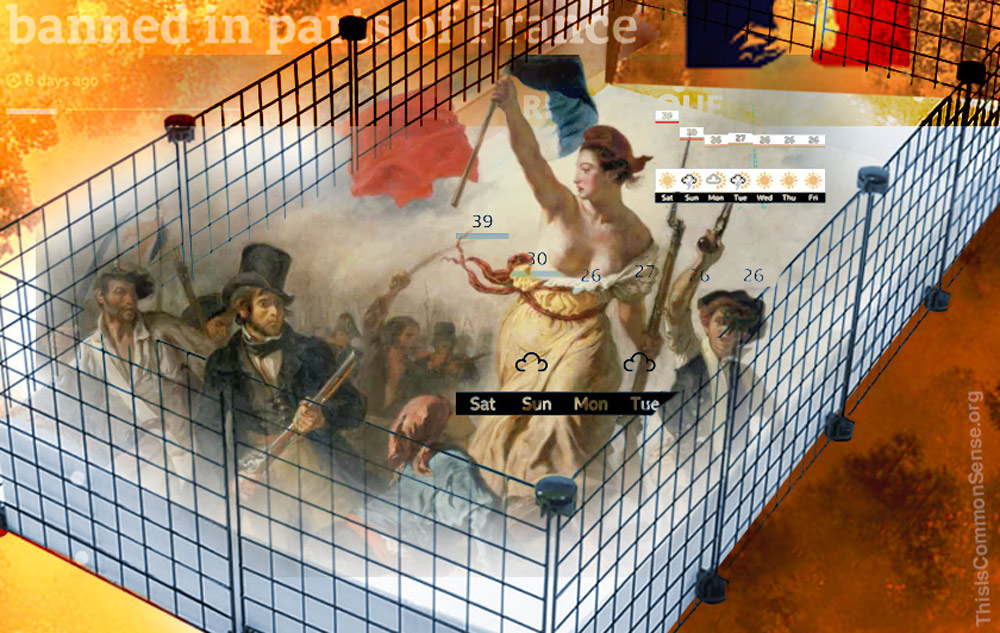
It’s hot outside. In southern France, very hot. Obviously (?), then, regional governments there are justified in prohibiting various outdoor activities.

Following the pandemic-lockdown model, it is apparently now acceptable to annul the rights of French citizens if some persons may be hurt by the heat. Once again, adults are being treated as if not responsible for making their own judgments about personal risks.

In the Bordeaux area of France — the Gironde department, a “department” being a sort of county — officials recently banned various outdoor events, including concerts and commemorations of resistance to Germany during World War Two.

The department also prohibited indoor events in places that lack air conditioning.

“Everyone now faces a health risk,” one official explained, as if summer were a new thing.

We care about weather when deciding whether to proceed with events we have planned. We think nothing of calling off a parade on account of rain. By “we” I mean the organizers, who may or may not be a government entity.

But there’s a big difference between deciding oneself to cancel an event one is responsible for and a government’s decision to outlaw events produced by others.

Summer is just starting. Next comes winter. Cold.

Governments seem to be regarding the COVID-19 lockdowns as evidence of just how much pushing around we’ll accept in the name of eliminating all risk but the risk to freedom.

A lot, seems to be the conclusion. 

We must show them otherwise. 

This is Common Sense. I’m Paul Jacob.


PDF for printing

See all recent commentary
(simplified and organized)
See recent popular posts
Categories
Thought

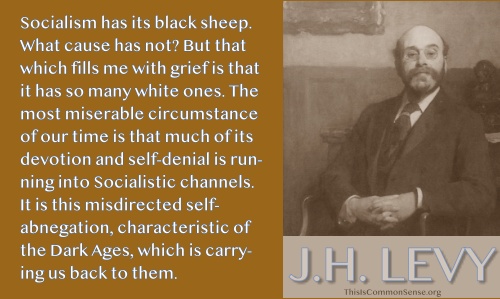
J. H. Levy

Socialism has its black sheep. What cause has not? But that which fills me with grief is that it has so many white ones. The most miserable circumstance of our time is that much of its devotion and self-denial is running into Socialistic channels. It is this misdirected self-abnegation, characteristic of the Dark Ages, which is carrying us back to them.

Joseph Hiam Levy, The Outcome of Individualism (Third Edition, 1892).
Categories
Today

Bitter Bierce

John Cabot landed in North America at Newfoundland on June 24, 1497, leading the first European exploration of the region since the Vikings.

In 1535 on this date, the Anabaptist state of Münster wa conquered and disbanded.

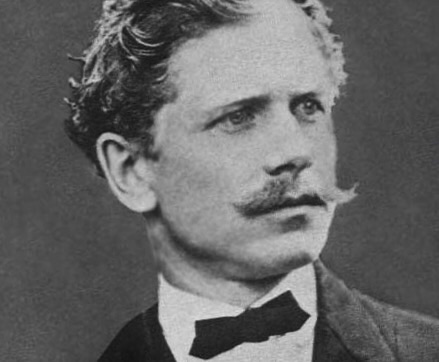
June 24 birthdays include Henry Ward Beecher, clergyman and reformer (1813); Ambrose Bierce [pictured], author of “An Occurrence at Owl Creek Bridge” and The Devil’s Dictionary — his dark, cynical wit earned him the epithet “Bitter Bierce” (1842); Richard Timberlake, American free-market economist (1922–2020).

Categories
education and schooling judiciary

The Choice in School Choice

The U.S. Supreme Court has ruled that state programs which help parents pay for private schooling may not discriminate against parents who want to send their kids to a religious school.

The court relied on its 2020 ruling that state programs subsidizing private schooling “cannot disqualify some private schools solely because they are religious.”

The present case pertains to a Maine program. The court determined that “Maine’s ‘nonsectarian’ requirement for otherwise generally available tuition assistance payments violates the Free Exercise Clause.”

It adds that a state government’s interest in not establishing a religion “does not justify enactments that exclude some members of the community from an otherwise generally available public benefit because of their religious exercise.”

Maine’s tuition program is for families who live in regions without any secondary public school. Qualifying families can use the subsidy to pay for either public or private schooling in another part of the state. Before 1981, Maine had no problem with students going to religious schools under the program. In that year, the rule changed.

So-called sectarian schools are, of course, often the major and sometimes the only private secondary-school alternative to public schools in an area. According to the Council for American Private Education, 78 percent of all students who attend private schools in the U.S. attend schools that are religiously affiliated.

Proponents of keeping kids trapped in public schools are in an uproar over the court’s decision.

But it only stands to reason that school choice programs must permit choice.

This is Common Sense. I’m Paul Jacob.


PDF for printing

See all recent commentary
(simplified and organized)
See recent popular posts
Categories
Thought

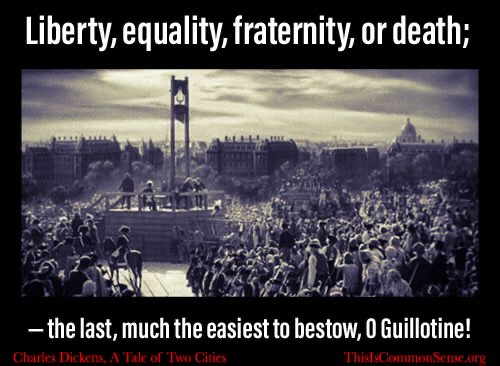
Charles Dickens

Liberty, equality, fraternity, or death; — the last, much the easiest to bestow, O Guillotine!

Charles Dickens, A Tale of Two Cities (1859), Book III – “The Track of a Storm: Chapter V – The Wood-Sawyer.”