But when a man
Aeschylus, The Persians (472 BC) line 742 (tr. Janet Lembke and C. J. Herington).
speeds toward his own ruin,
a god gives him help.
But when a man
Aeschylus, The Persians (472 BC) line 742 (tr. Janet Lembke and C. J. Herington).
speeds toward his own ruin,
a god gives him help.
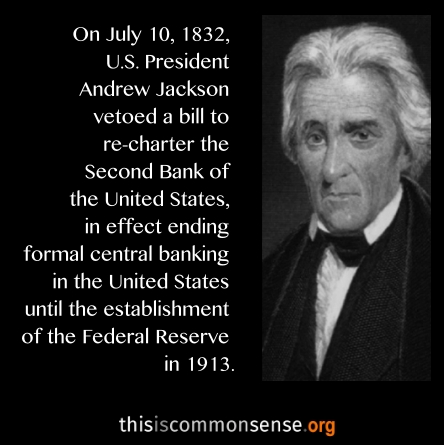
On July 10, 1832, U.S. President Andrew Jackson vetoed a bill to re-charter the Second Bank of the United States, in effect ending formal central banking in the United States until the establishment of the Federal Reserve in 1913.
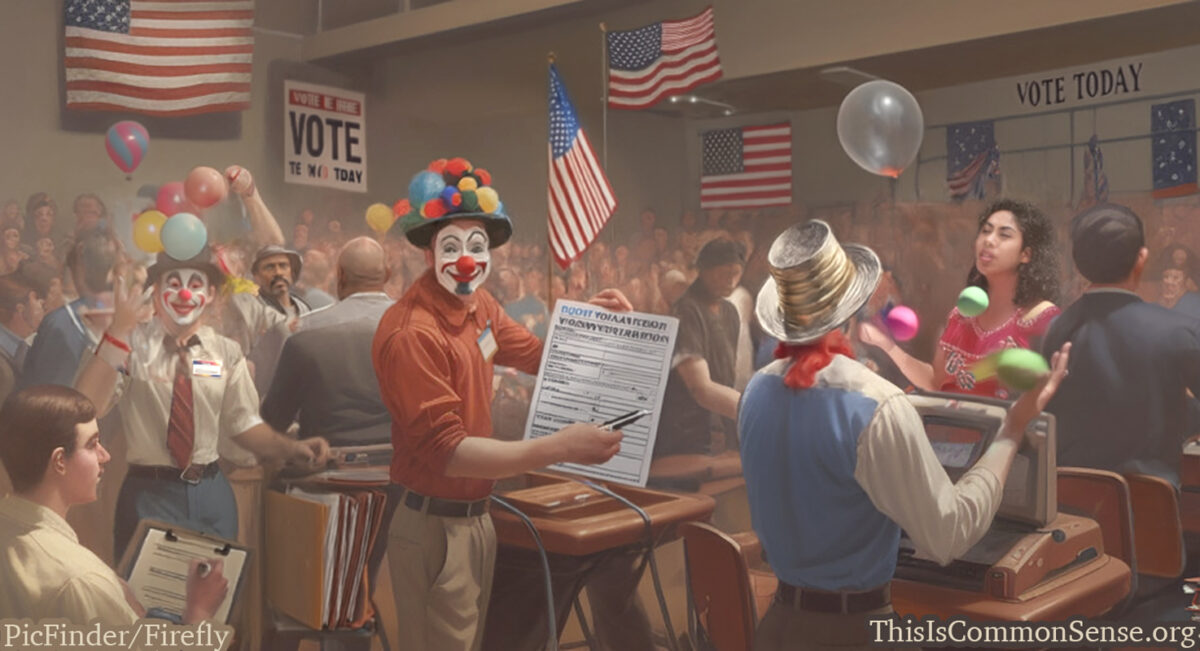
In November, this question about voting will be presented to voters.
It is true that noncitizens in the city include both “taxpayers and parents,” of course. Still, by this same logic, why not change the ballot language to read “including the childless and the destitute”? Those noncitizens would also get to vote.
Or get away from one’s tax status and childbirth proclivities altogether and change the wording to “including those who speak French and drink coffee.” Or maybe voters could be made aware that noncitizens will include “shopaholics and known thespians.”
All these statements are the truth and nothing but the truth. How could anyone object?
But object they did. Opponents of the measure filed suit, asking a California court to strike the “taxpayers and parents” wording from the ballot — as prejudicial in favor of the change.
The court agreed, ordering the city to remove that language “sugarcoating” the proposition.
But the city refuses (I didn’t know cities could tell courts No!*) and is keeping its current biased language to push a Yes vote on the proposition.
Rule of law be damned.
My last suggestion to Santa Ana officials is to edit the wording after noncitizens to say, “including jugglers and clowns.” No, wait — that particular identification might be confusing, since it applies far less to noncitizens than to Santa Ana’s city council.
This is Common Sense. I’m Paul Jacob.
* Unusual, indeed, for a local government to ignore a court order. It likely means the proposition, even if passed, will ultimately be blocked in court as improperly enacted.
Illustration created with PicFinder and Firefly
See all recent commentary
(simplified and organized)
See recent popular posts
Time, the devourer of all things.
Publius Ovidius Naso, Metamorphoses, Book XV, 234.

On July 9, 1776, General George Washington had the Declaration of Independence read out to members of the Continental Army in Manhattan. Meanwhile, thousands of British troops on Staten Island prepared for the Battle of Long Island.
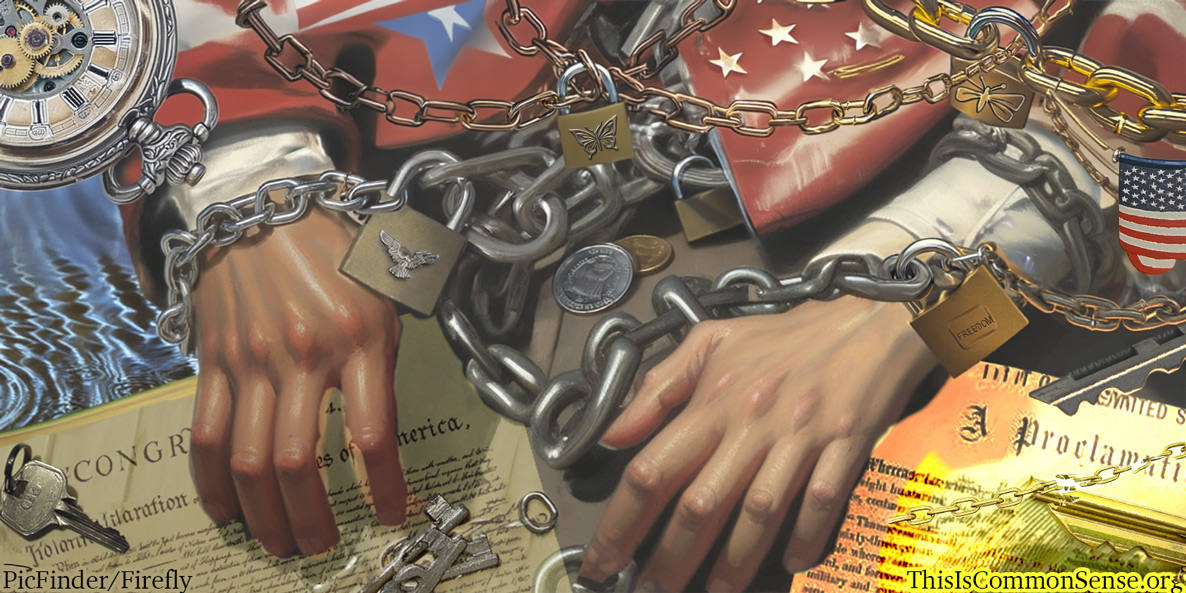
The June 19th date hasn’t quite kicked in as a holiday for many Americans, despite a bipartisan House and unanimous Senate effort — along with President Biden’s signature — making it the “Juneteenth National Independence Day” and giving federal workers the day off.
It marks the day in 1865 when federal troops landed in Galveston, Texas, a rebel state, to announce that slavery had ended and the enslaved must be freed.
The day is about freedom. Other days could have been chosen, but for years it has served as an apt enough marker for the end of chattel slavery in America.
And slavery’s cessation is worth celebrating!
Americans are used to big July 4th celebrations, having reveled for nearly 250 years in our wonderful Declaration, announcing our separationfrom the British Empire on that day!
Actually, it was two days earlier that the Continental Congress voted to secede — and August 2, 1776, that the Declaration was finally signed. There was no sure separateness until Cornwallis surrendered on October 19, 1781, and it took nearly two years for the official peace treaty to be signed.
There are many dates we could have chosen to honor. We settled on July 4.
We liked the words of the document.
Similarly with Juneteenth. We need a holiday commemorating the end of slavery and I like the play on words in the very name.
Arguably, the 15 days from the 19th of June to the Fourth of July should be a celebratory period for liberty more generally, starting with slavery’s abolition and ending with the creation of an independent America dedicated to equal liberty. (Backwards, of course.)
Maybe somewhere in the middle we can find a date to push the necessary third step, the cessation of “demoktesis,” the institutional philosophy of our time where “everyone owns everyone else.”*
Until personal freedom is generally respected — where nobody, not even the government, owns pieces of others — the American experiment in independence is incomplete.
This is Common Sense. I’m Paul Jacob.
* The term was coined by Robert Nozick (1974, p. 290), who defined it as “ownership of the people, by the people, and for the people.”
Illustration created with PicFinder and Firefly
See all recent commentary
(simplified and organized)
See recent popular posts
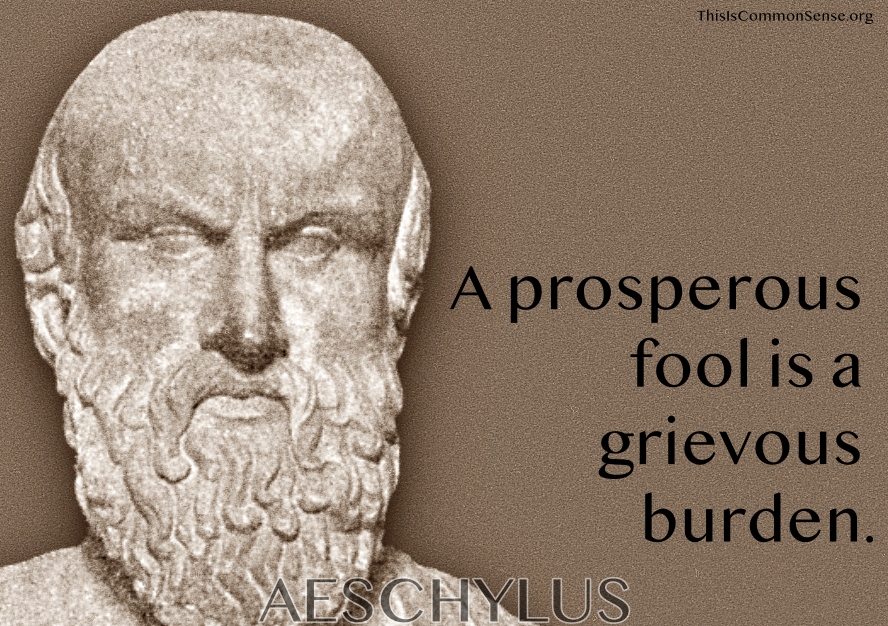
A prosperous fool is a grievous burden.
Aeschylus, Fragment 383, reported in Bartlett’s Familiar Quotations, 10th ed. (1919).
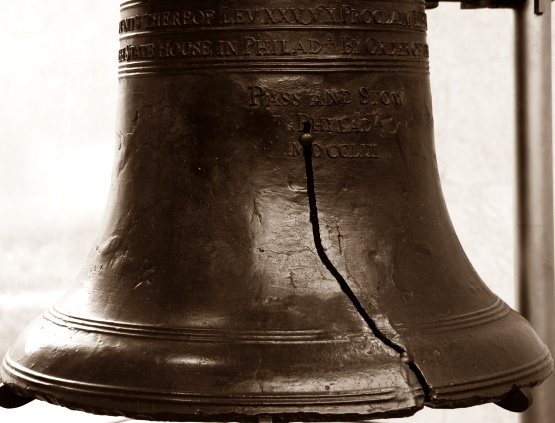
July 8, 1776 – Church bells (possibly including the Liberty Bell, pictured) were rung after John Nixon delivered the first public reading of the Declaration of Independence of the United States.
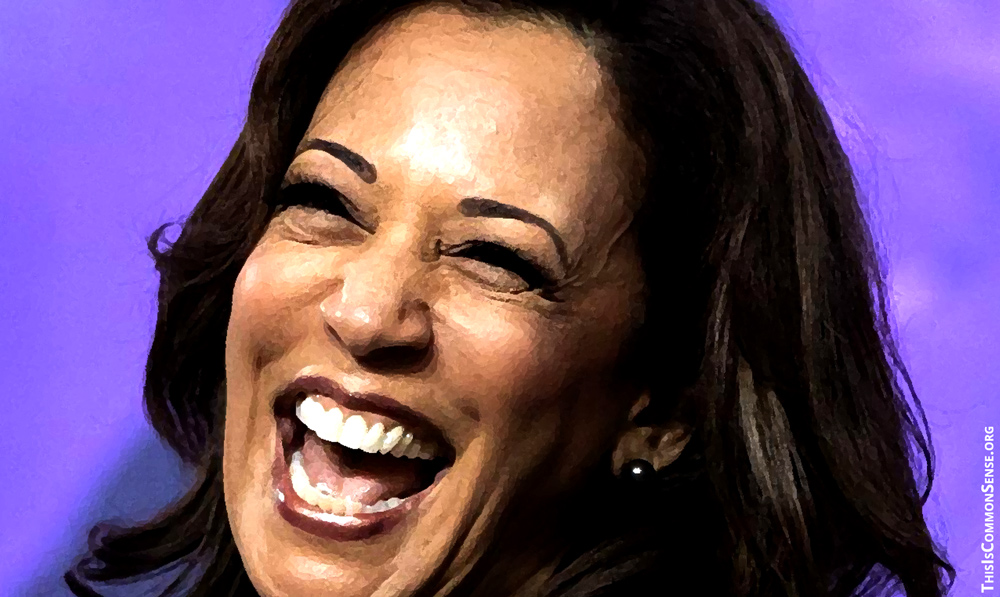
How to get Kamala Harris out of the #1 spot, should Joe Biden halt his bid for re-election — which many, many insiders are calling for?
Instead of a shot at the presidency, offer her a historical first: become the first three-term vice president!
She has served one term under Biden. Accept two terms under, say, Newsom!
This would be ideal. It would allow Democratic insiders to promote a white man (which they itch to do) and keep Kamala as a token Person of Color. It would quell the demands of both the intersectionalist-obsessed and African-American voters (though Kamala is not African-American — that does not appear to matter).
This is not much of an offer. True. But it is something. Kamala Harris is not presidential timber. But she is lumber fit enough for a perennial VP slot.
And to the objection that this would run afoul of term limits, the response is easy: the two-term limit, affixed against the Presidency by the 22nd Amendment, does not apply to the VP, only to the P!
Just FYI.
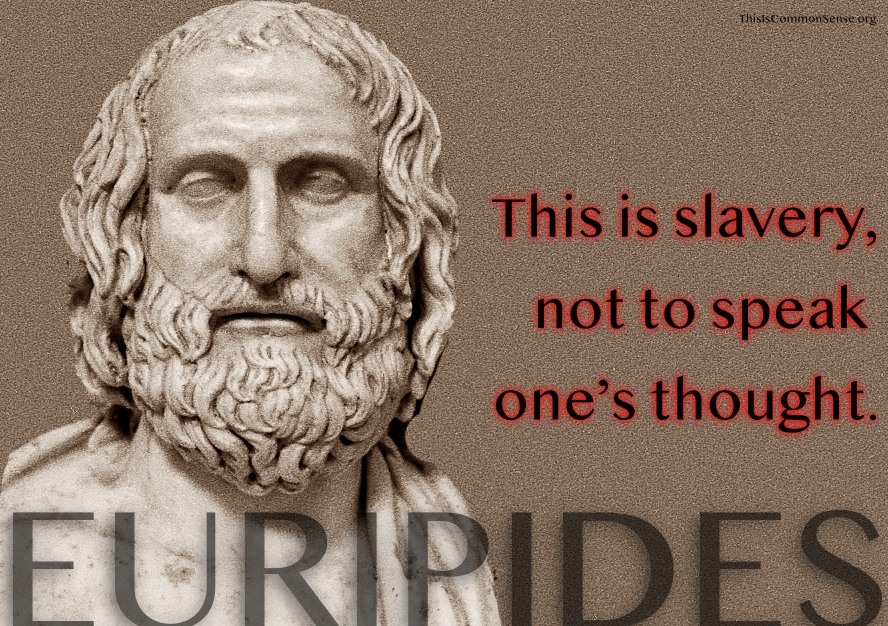
[T]his is slavery, not to speak one’s thought.
Euripides, The Phoenician Women, Line 392 (Jocasta); translated by Elizabeth Wyckoff.