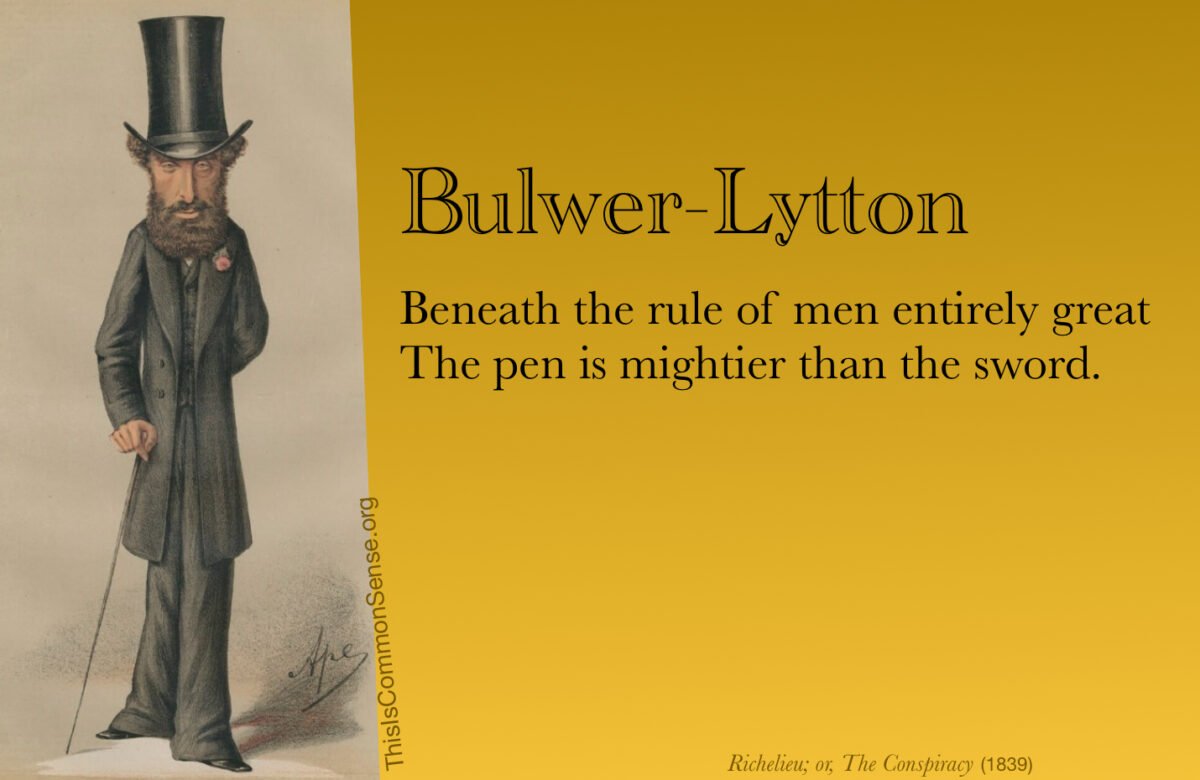
True, — this! [Richelieu holding a pen] Beneath the rule of men entirely great The pen is mightier than the sword. Behold The arch-enchanter’s wand! — itself a nothing! But taking sorcery from the master-hand To paralyse the Caesars — and to strike The loud earth breathless! — Take away the sword States can be saved without it!
Edward Bulwer-Lytton, Richelieu; or, The Conspiracy: A Play in Five Acts (1839), Act II, Scene II.
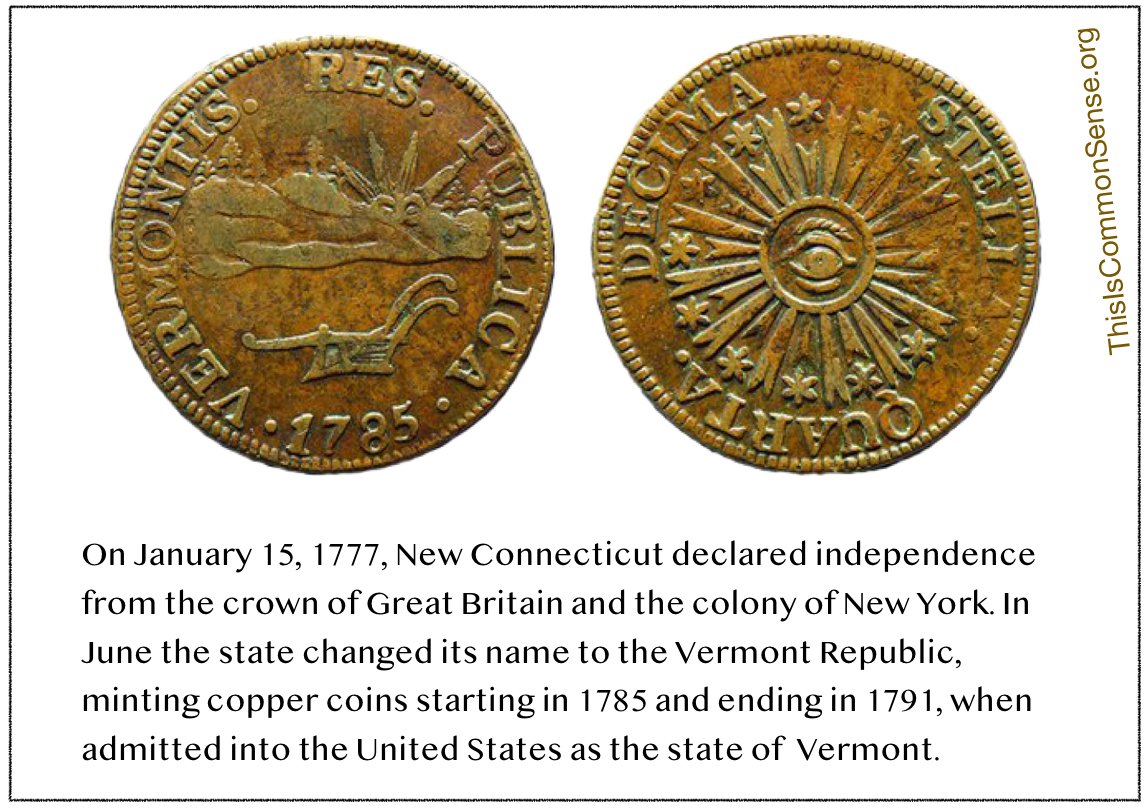
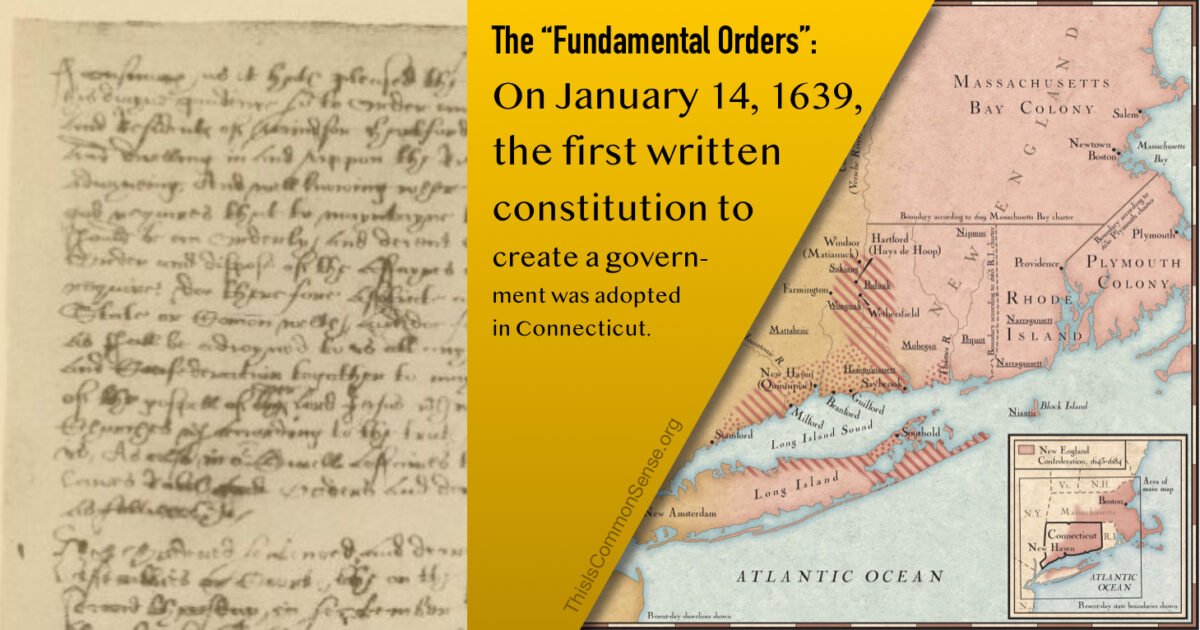
On January 15, 1777, New Connecticut declared independence from the crown of Great Britain and the colony of New York.
Delegates first named the independent state New Connecticut and, in June 1777, settled on the name Vermont, an imperfect translation of the French for Green Mountain.
This new “Vermont Republic” minted copper coins, starting in 1785. The people of Vermont took part in the American Revolution although the Continental Congress did not recognize the jurisdiction, because of vehement objections from New York, which had conflicting property claims.
In 1791, Vermont was admitted to the United States as the 14th state, upon which its minting of coins ceased.
Facts mattered to the man who told us “facts don’t matter.”
Ideas, principles, arguments — these mattered, too.
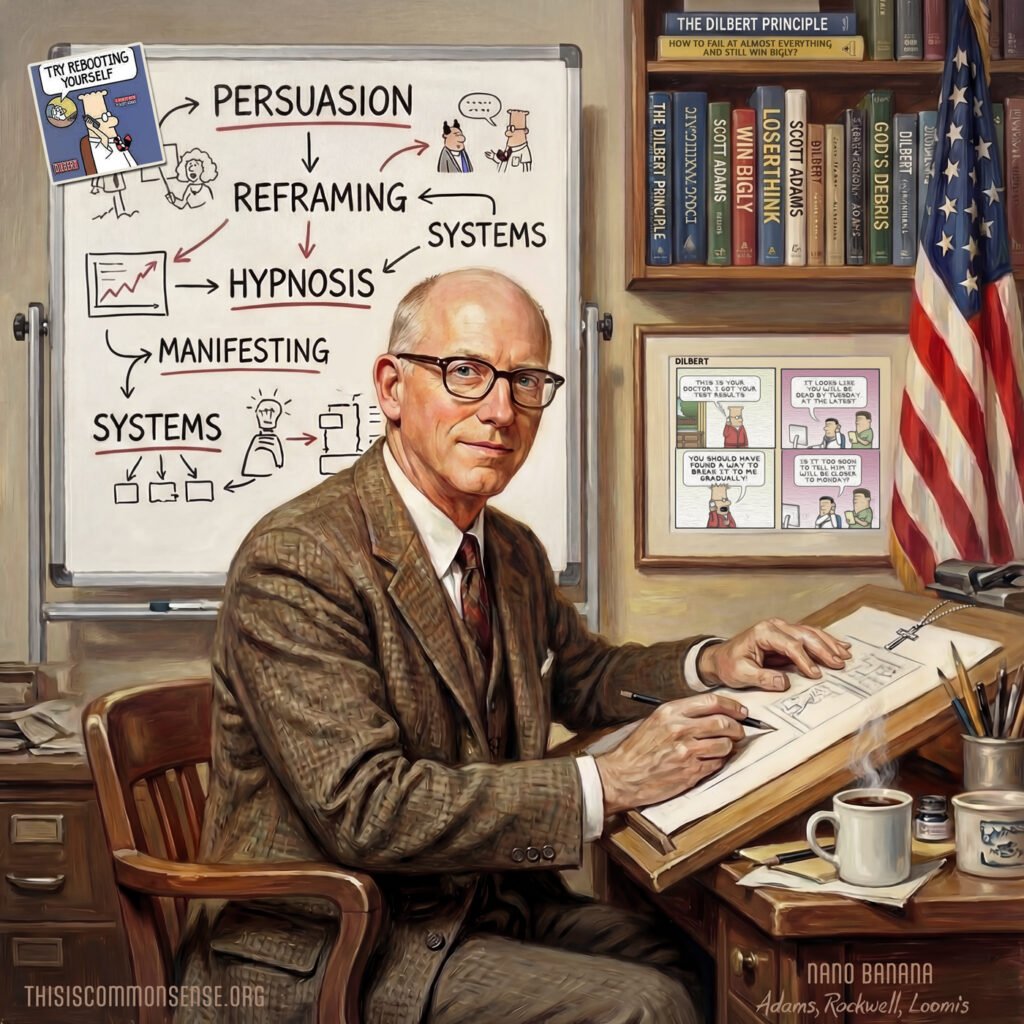
Which is probably what I will remember most about Scott Adams, who died yesterday.
He had been suffering from prostate cancer for some time. During the moment, last year, when President Joe Biden’s possible prostate cancer diagnosis became a matter of public discussion, Mr. Adams informed us that he, too, had been diagnosed with that form of cancer, and that he had not long to live.
Like most newspaper readers, I knew of Adams from his Dilbert comic strip. I missed his career in writing books, in the aughts and early teens. But I caught up with the man when he predicted, in 2015, that Donald Trump possessed a “talent stack” that would likely lead to winning the presidency — an insightful judgment — that may have helped the prophesied event to occur.
Adams became one of the more interesting podcasters, an intellectual powerhouse who urged us to reframe how we think about politics, culture, our very lives. I never became a fan, exactly, but I not only admired him, I liked him. He was quite a character; he was a man of character.
It was interesting, especially, to watch him develop in the context of our odd (transitional?) moment in history. On the late pandemic, for example, many of his early opinions and meta-opinions were misguided. But he changed his mind, as many of us have. And though, as I mentioned above, his most famous assertion was that, in matters of persuasion, “the facts don’t matter,” he was persuaded to change opinions when he learned more.
In June 2025, Elon Musk helped protesters in Iran by providing free access to his Starlink satellite service. The service restored a means of communicating with each other and the rest of the world that had been blocked when the Iranian government shut down the country’s Internet.
The mullahs tend to do that when the pressure on their regime reaches a certain pitch. As has certainly happened again over the last few weeks.
Some 500 protesters have been killed so far, according to the group Human Rights Activists in Iran, as the unrest spreads.
Again, the Iranian government has shut down the country’s Internet.
Is Musk stepping in? Middle East Online has reported that Iranians with smuggled Starlink terminals, which are illegal to possess in Iran, will again have Starlink-provided Internet access, asElon Musk’s Space X activated Starlink “as of January 9, 2026.” If the story is accurate, protesters with a terminal will again have free access to the Internet for a limited time.
In the past, Iran has complained to international bodies about Starlink’s satellites . . . and tried to jam their signals, but to no avail.
The few reports on the Starlink access attribute the news to Israeli Channel 14. Other recent reports, though, suggest that President Trump “will speak with SpaceX owner Elon Musk” about restoring Iran’s Internet.
Let’s just stipulate that if Starlink has not yet been made available to the protesters, it would be great if it were.
The fallacy of Socialism in relation to labour appears to lie in the assumption that labour has a value of its own, in and for itself. It has no such value. No material thing is valuable because of the labour expended in producing it. No service is valuable because of the labour expended in rendering it. Material things are valuable because they satisfy wants, and therefore people will give material things which they possess in exchange for things they do not possess. If material things came into existence without labour, nobody would talk of the value of productive labour. If a thing is not wanted, there is no value attached to the labour of producing it.
Edward Stanley Robertson, “The Impracticability of Socialism,”A Plea for Liberty: An Argument Against Socialism and Socialistic Legislation (1891), Thomas Mackay, ed.
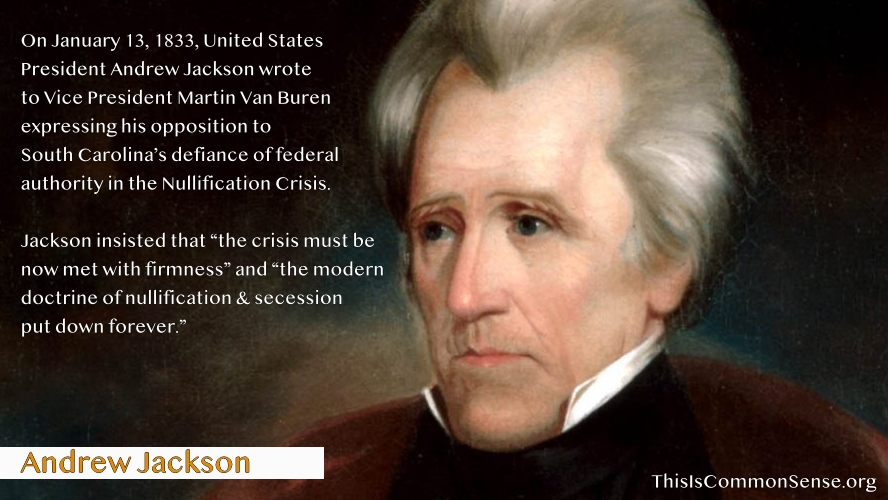
On January 13, 1833, United States President Andrew Jackson wrote to Vice President Martin Van Buren expressing his opposition to South Carolina’s defiance of federal authority in the Nullification Crisis. Jackson insisted that “the crisis must be now met with firmness” and “the modern doctrine of nullification & secession put down forever.”
South Carolina had blamed protectionist high tariffs for the severity of the economic slump of the time, and Andrew Jackson’s compromise Tariff of 1832 was still too much special-interest “protectionism” for South Carolina, which threatened to nullify the law as unconstitutional. Jackson, though he agreed that the tariffs were too high, was still a nationalist at heart, having no sympathy for dissidents in the southern states. (The tariffs were designed by northern politicians to encourage the growth of industry. The belief among most economists of that time was that such high “protective” tariffs favored certain businesses at the expense of the general consumer as well as businesses not under the “protection,” particularly farmers and agricultural producers.) After the crisis subsided, tariffs were further reduced from the 1832 level, much lower than of 1828’s “Tariff of Abominations,” which had been signed into law by President John Quincy Adams — and written mainly by Martin Van Buren as a way to precipitate the election of Jackson.
Since the somewhat ambiguous end to the Nullification Crisis, the doctrine of state prerogatives — “states’ rights” — has been asserted by opponents of the Fugitive Slave Act of 1850, proponents of California’s Specific Contract Act of 1863 (which nullified the Legal Tender Act of 1862), opponents of Federal acts prohibiting the sale and possession of marijuana in the first decade of the 21st century, and opponents of implementation of laws and regulations pertaining to firearms from the late 1900s up to 2013. State opposition to ObamaCare has also recently conjured up the issue.
On January 13, 1898, Émile Zola’s J’accuse exposed the Dreyfus affair.
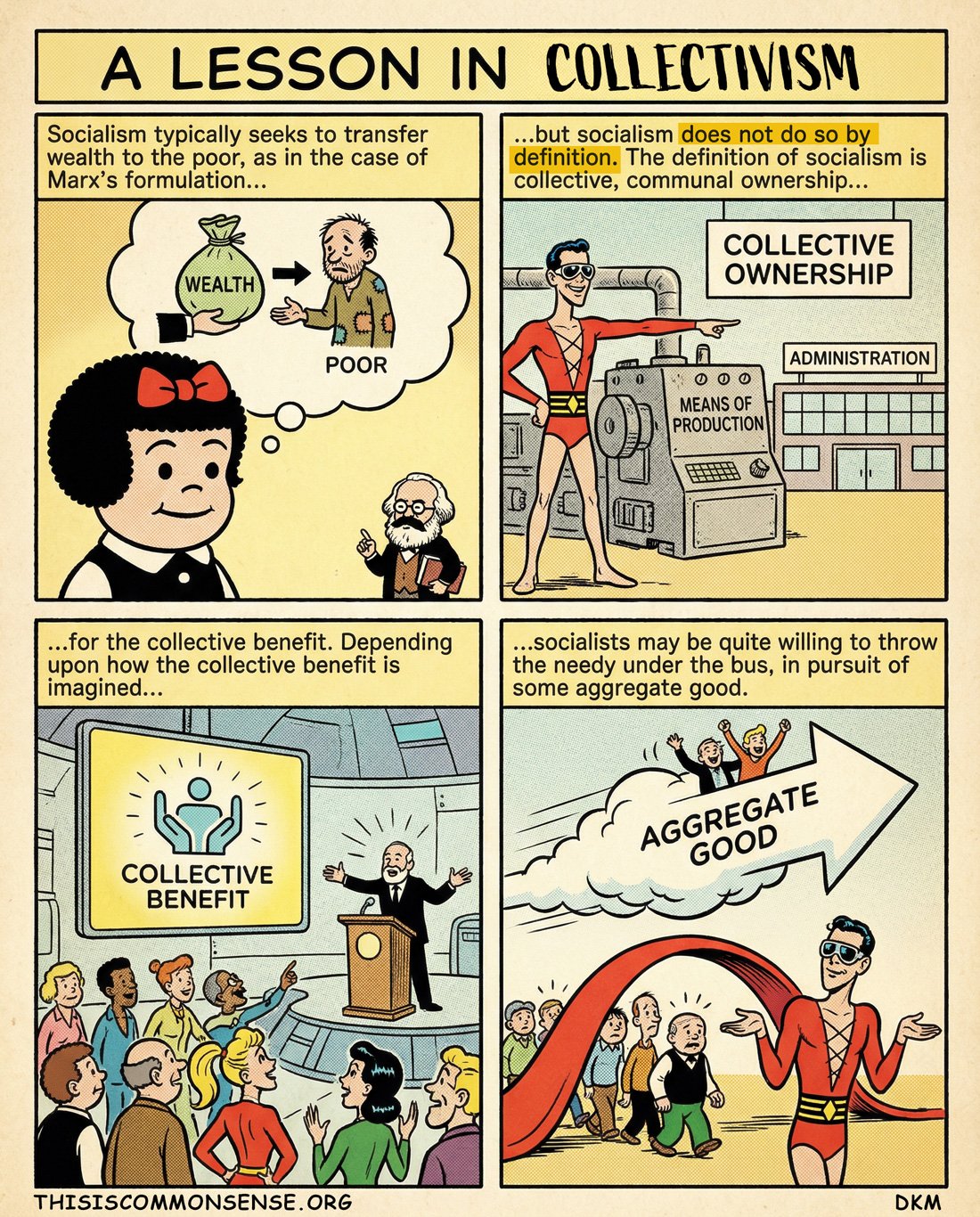
“Socialism typically seeks to transfer wealth to the poor, as in the case of Marx’s formulation; but socialism does not do so by definition. The definition of socialism is collective, communal ownership of the means of production and administration for the collective benefit. Depending upon how the collective benefit is imagined, socialists may be quite willing to throw the needy under the bus, in pursuit of some aggregate good.”
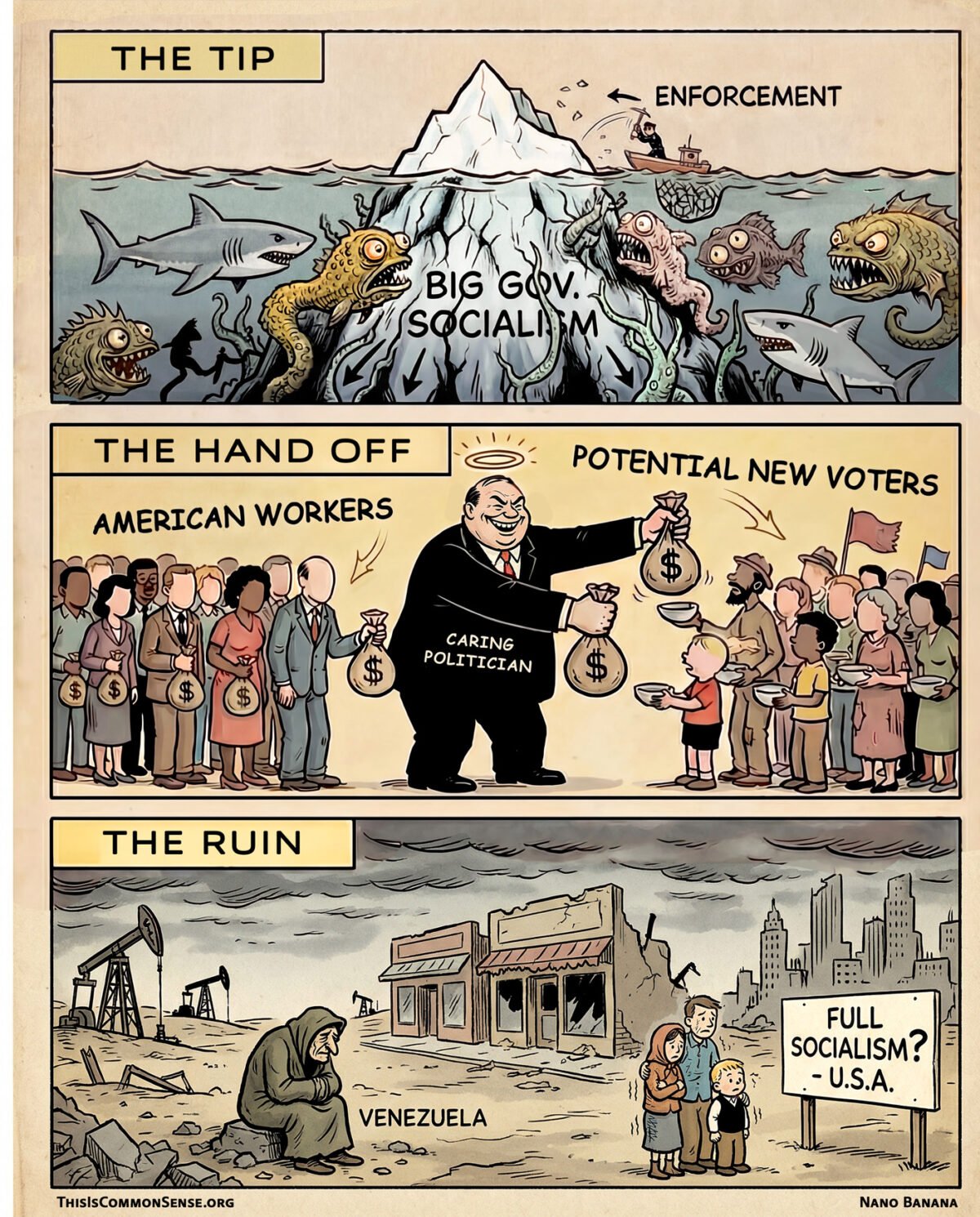
“In 2024 alone, state Medicaid Fraud Control Units reported more than 1,151 convictions and more than $1.4 billion in civil and criminal recoveries,” writes Veronique de Rugy at Reason. “Federal enforcement recovers a tiny share of what is stolen. Fraud that goes undetected never appears in the data.”
And then she makes a claim that increasing numbers of astute observers make: “That’s only the tip of the iceberg.” She goes on to suggest that Medicare, the Supplemental Nutrition Assistance Program (SNAP), and “many other welfare programs” constitute a huge hunk of fraud.
The solution? “If we want less fraud,” she argues, “we need less government.”
Fraud and big government seem to go hand in hand. At least this kind of big government, which resembles the biggest kind of government imaginable. For taking wealth from many productive American citizens and giving it to a small but growing population of refugees from distant lands, that’s not necessarily fraud, I suppose, but it is something close to socialism.
We see in Venezuela just how devastating rule by thieving socialists can be. (Hugo Chavez nationalized oil industry infrastructure and then ran it into the ground.) In Minnesota and in other states of the union, we see a similar ethic. When done on a limited basis, we could call it “helping the poor,” the folks who just cannot produce what they need. That’s how transfer socialism was sold to us.
And they could say, truthfully, that’s not full socialism.
But extending the beneficiary class from our most needy friends and neighbors to the less-and-less needy, and then to waves of refugees from other countries, that’s a recipe for disaster. Like socialism when “full.”
How far should Americans go to help “others”? To our own ruin?