Categories
Thought

Hans-Hermann Hoppe

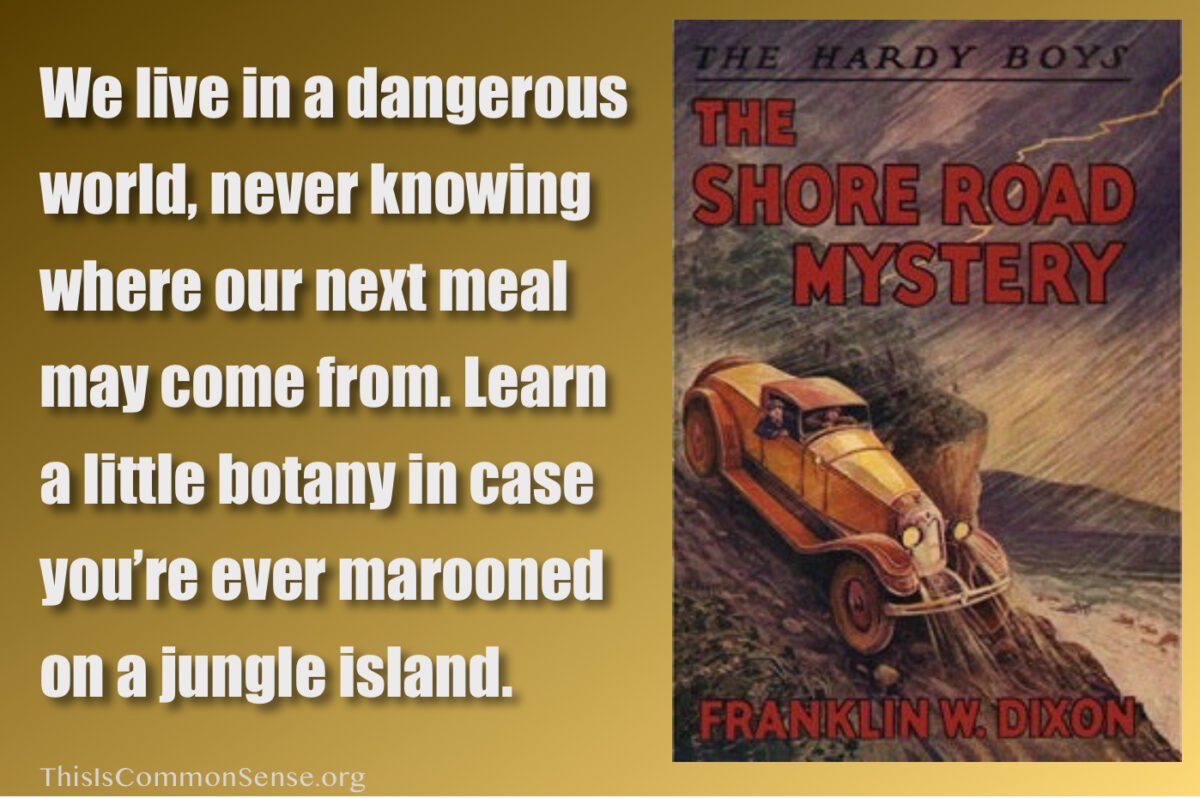
The property right in one’s own body must be said to be justified a priori, for anyone who would try to justify any norm whatsoever would already have to presuppose the exclusive right to control over his body as a valid norm simply in order to say “I propose such in such.”

Hans-Hermann Hoppe, The Economics and Ethics of Private Property (1993).

Categories
Today

Shays

On January 25, 1787, Shays’ Rebellion experienced its largest confrontation, outside the Springfield Armory, with four of the rebels dead, 20 wounded.

The rebellion was a key moment in United States history. Daniel Shays and his followers objected to Massachusetts’s high taxes and rampant cronyism. The revolt, which was completely suppressed, led to the adoption of the U.S. Constitution, drawing George Washington from his retirement to serve as the new union’s president.

Categories
Update

Refugee Gratitude

The attitude of Somalian refugees to their United States hosts does not usually, these days, seem like one of gratitude. But then, we cannot expect them to be thrilled with the federales (ICE, actually) arresting, systematically, those Somalians in the country illegally.

Most are legal, considering the mountains moved by politicians to bring them here (starting with the Refugee Act of 1980), but taking sides has largely been a matter of taking sides against, well, “the U.S. ‘god-damned’ States.” A colorful phrasing by Representative to the United States Congress, Ilhan Omar (D-Minn.)

Of course, much of this is about the fraud — about which the Duck.ai search assistant urges caution:

The Somali-American community, particularly in Minnesota, has expressed fear and frustration over recent fraud accusations, feeling that the allegations have led to increased xenophobia and discrimination against them. Community leaders urge individuals to conduct their own research rather than rely on social media narratives that generalize the actions of a few to the entire community.

Consider these bullet points courtesy of Reuters:

  • Immigration raids prompt volunteers to share leaflets, accompany elders in Somali community
  • Trump invokes fraud scandal to send immigration agents to Minnesota
  • Some Somali Americans say they fear immigration raids are bid to suppress future voter turnout

A jaded person might say that these reactions are odd, but human. There is nothing shocking about a refugee crackdown after uncovering what has been reported to be billions of welfare fraud within a refugee community: Many Somali-American immigrants “feared they were being singled out, a worry that revived memories of the state surveillance and arbitrary authority they thought they had left behind when they resettled in the United States.”

This latter point must be at least somewhat dissonant to the meme-obsessed from a decade ago, where Somalia was said to be anarchic, not state-totalitarian. It shows that Somalians have had to weather all sorts of changes. Now, within the U.S., too.

The Reuters article focuses on Kowsar Mohamad, who states that his people, now understandably alarmed by raids and demands for identification, had “just believed the Constitution was going to protect us from this level of interrogation.”

One thing the article does not mention is that the community and its current activists did not think to police their own against illegality, whether that of illegal entry or mass fraud.
Categories
Today

Nineteen Hundred Eighty-four

On January 24, 1984, Apple Computer placed the Macintosh personal computer on sale in the United States.

Categories
Thought

Franklin W. Dixon

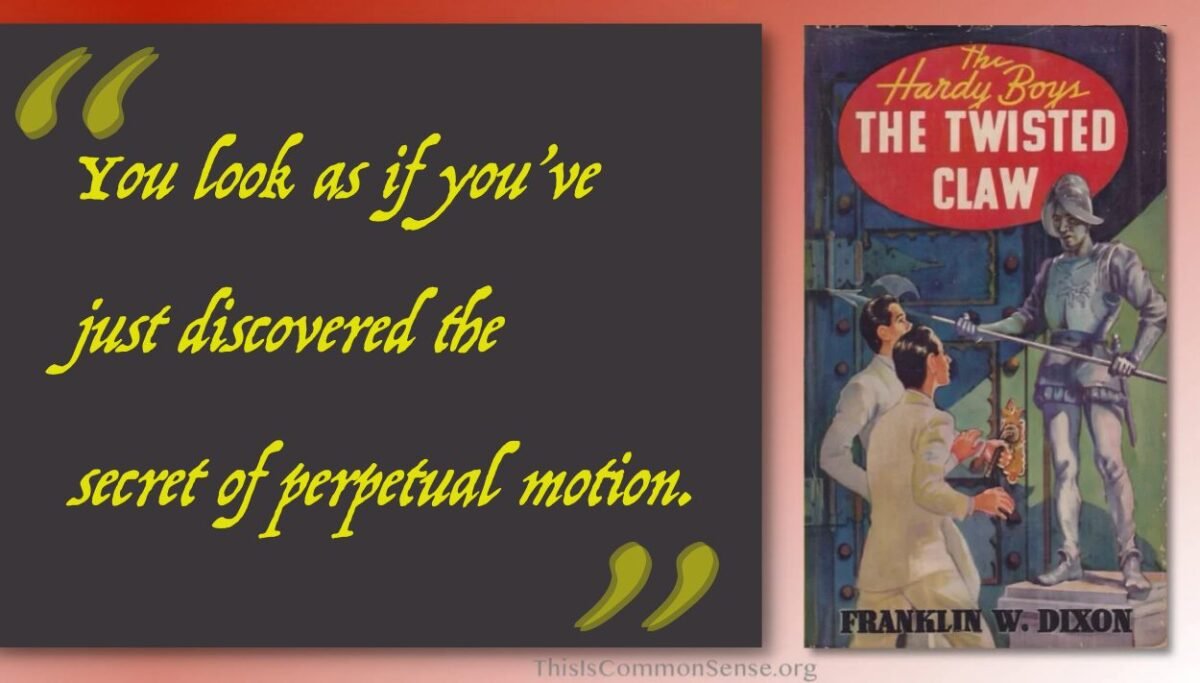
“You look as if you’ve just discovered the secret of perpetual motion.”

“Franklin W. Dixon,” in The Hardy Boys’ Guide to Life (2002), cited as if from the 18th Hardy Boys’ mystery, The Twisted Claw (1939; 1969), not confirmed.

Categories
ideological culture media and media people national politics & policies

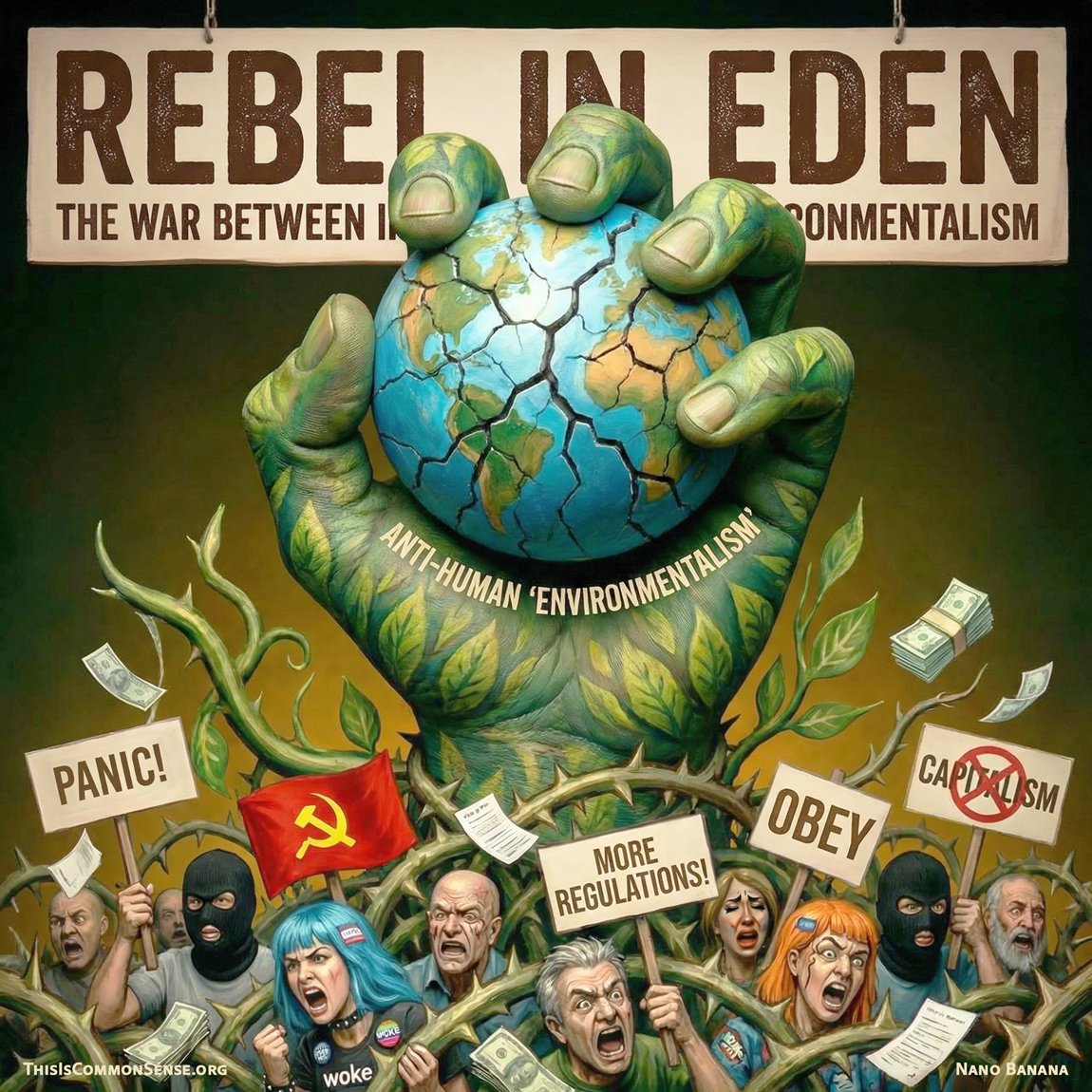
Rebel in Eden?

The title of Robert Bidinotto’s bracing new collection, Rebel in Eden: The War Between Individualism and Environmentalism, may occasion objection to the word “environmentalism.”

Of course, if “environmentalism” pertained only to how best to reduce pollution and litter and so forth, who would have need to combat it? Freedom-minded individualists, for example, would debate means, not ends.

But that’s not the kind of thing that the environmentalists themselves — or “radical environmentalists,” to distinguish them from people who manage cleanup crews — focus on.

Radical environmentalists regard humanity as a blight on the face of the earth; they regard nature as an end itself (an “intrinsic value”) that should be left alone regardless of the cost to that mere interloper, man. In their view, plants and animals have “rights,” men and women do not; mining is “raping” the earth — all documented here

These are issues that Bidinotto has been reporting on and analyzing since at least the early 1980s, in places like the On Principle and Intellectual Activist newsletters and Reader’s Digest. So this collection has been in the making for some forty years.

Some of the don’t-miss essays: “Death by Environmentalism,” “The Great Pesticide Panic,” “Animal Rights: A New Species of Egalitarianism,” “Global Warming and the New Totalitarianism,” “California, Thank Environmentalism for Your Wildfires,” “Environmentalism or Individualism?” I might list the whole table of contents.

Take a look. Bidinotto, by the way, has also contributed a piece “On Courage” to our sister website, StoptheCCP.org.

This is Common Sense. I’m Paul Jacob.


PDF for printing

Illustration created with Nano Banana

See all recent commentary
(simplified and organized)
See recent popular posts

Categories
Thought

Bulwer-Lytton

Fate laughs at probabilities.

Edward Bulwer-Lytton, Eugene Aram (1832).

Categories
Today

Cobden & Chevalier

On January 23, 1860, the Cobden-Chevalier Treaty was signed between France and Great Britain. The treaty was named after the two main proponents of the agreement, Richard Cobden (in England) and economist Michel Chevalier (in France). The treaty had been suggested the year earlier, in British Parliament, by Cobden’s colleague John Bright, who looked upon the policy as a peace measure, an alternate to a military build-up.

Categories
Accountability crime and punishment fraud

Watchdogs That Don’t Bark

Yesterday, I refrained from completely quoting Dr. Mehmet Oz, administrator of the Centers for Medicare and Medicaid Services, saving for today the juiciest part. After declaring the fraud in Minnesota dwarfed by what he saw in California, Oz said, next: “which is whole-scale cultural malfeasance around health care.”

“Cultural”?

Dr. Oz clarified at length: it’s about the cover-up. Minnesota’s fraud network? Bureaucrats knew. But when a whistleblower tried to toot on the proverbial whistle, these folks, Oz explained, were “culturally . . . dissuaded, intimidated, from speaking up.”

This would happen “any time people raised the possibility that, for example, the Somalian subpopulation, who have different cultural mores than the folks who have historically been in Minnesota, might be taking advantage of systems that were built for Minnesota nice people.”

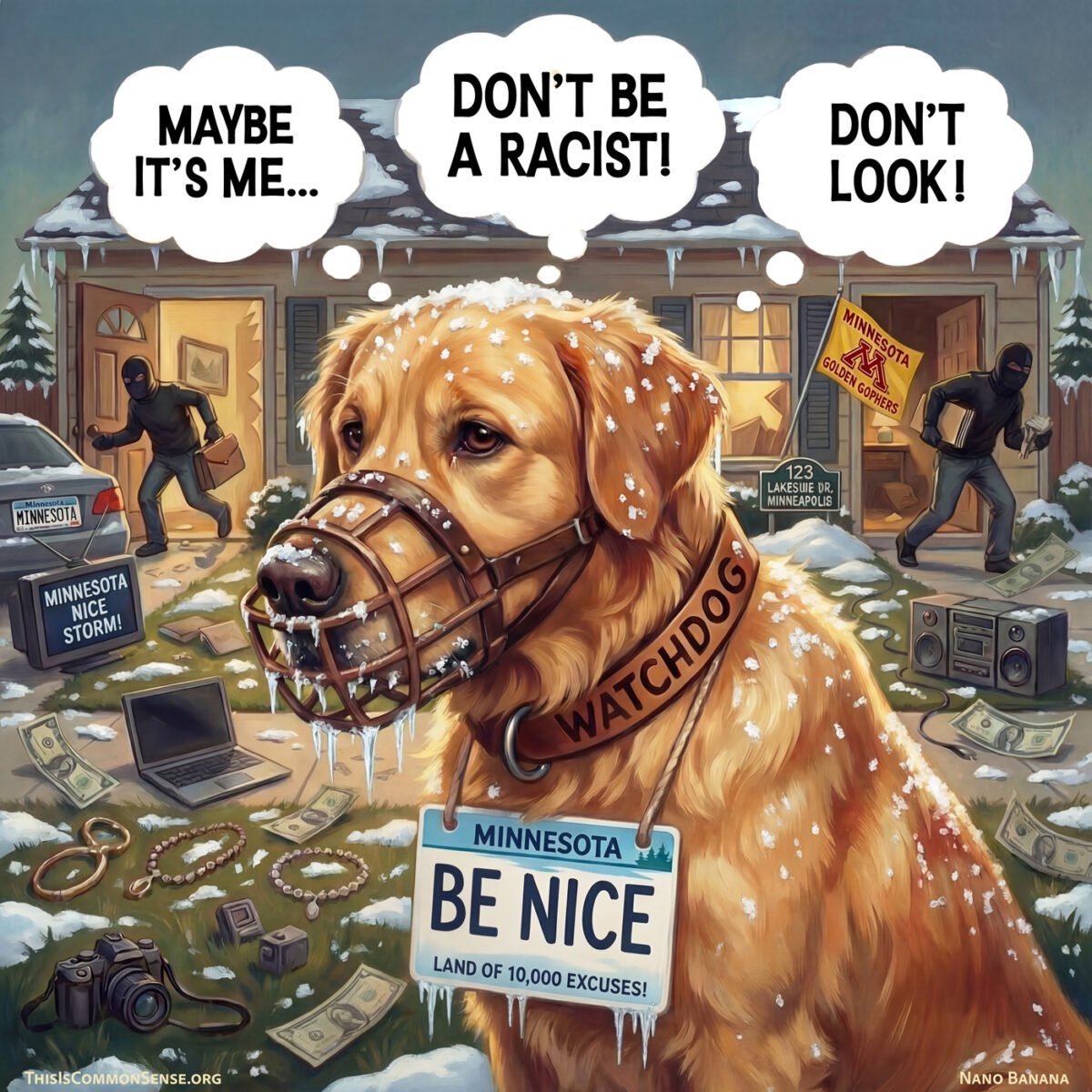
The “cultural” aspect is the pseudo-niceness of political correctness. “So you have well-meaning people trying to be nice, trying not to ruffle any feathers. If you do ruffle feathers, you get outed.” The auditors lacked the temperament to actually audit, with those daring few speaking up systematically prevented — shuffled away — from doing any actual work. 

“Although you may still have a job there, you don’t get to do anything in that job.”

While Oz claims not to know how high up cover-for-fraud goes, I’ve a hunch that the smart ones in government know all-too-well what they are doing. They certainly know the fear. And use it. 

It’s suffused throughout: “cultural.”

This story is not unrelated to the grooming gangs in Britain, Finland and elsewhere, allowed for years by police to carry on what we used to call “white slavery” because the cops feared being called racist

You cannot have watchdogs too “nice” to bark.

This is Common Sense. I’m Paul Jacob.


PDF for printing

Illustration created with Nano Banana

See all recent commentary
(simplified and organized)
See recent popular posts

Categories
Thought

Franklin W. Dixon

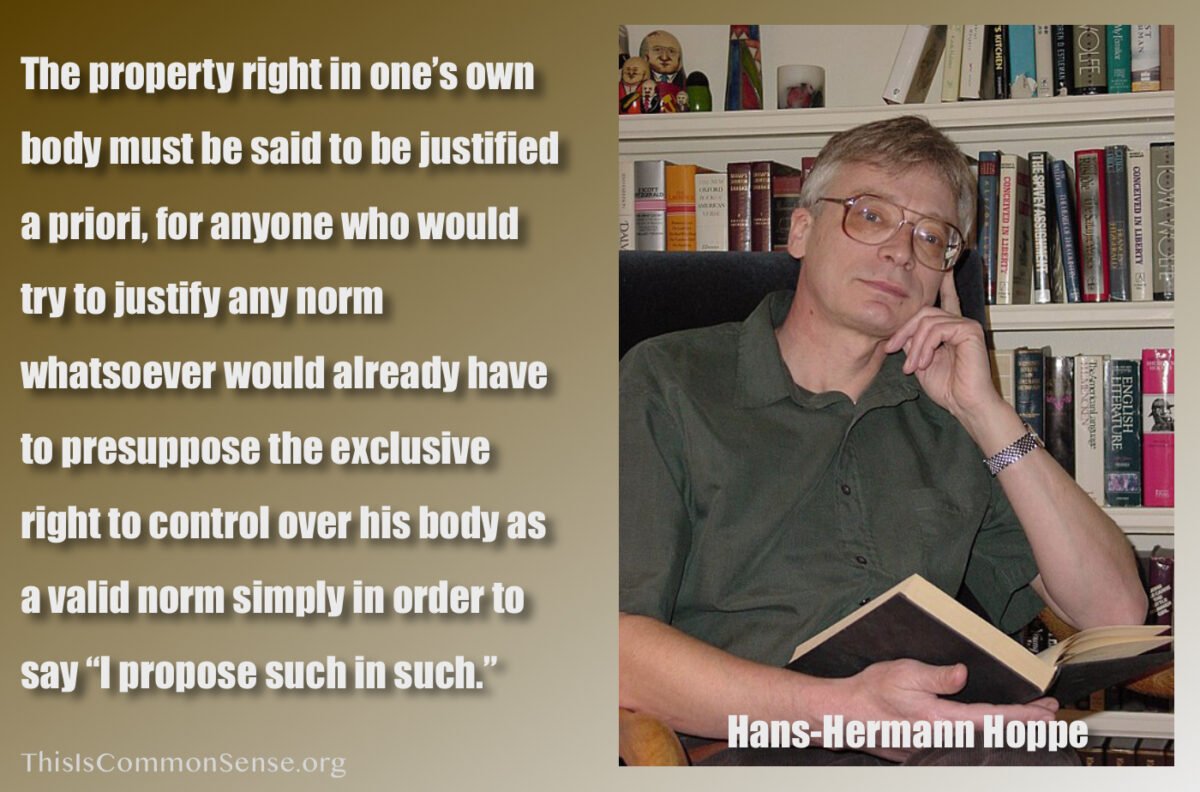
We live in a dangerous world, never knowing where our next meal may come from. Learn a little botany in case you’re ever marooned on a jungle island.

“Franklin W. Dixon,” in The Hardy Boys’ Guide to Life (2002), cited as if from the sixth Hardy Boys’ mystery, The Shore Road Mystery (1928; 1964), not confirmed.