The enemies of freedom usually pretend to be engaging in their outrageous and over-bearing coercion “for the people’s sake.” Don’t believe them. See Sunday’s column at Townhall — and then come back here for links and hints on further reading.
- The Jungle, by Upton Sinclair — free from Project Gutenberg
- Dracula, by Bram Stoker — free from Project Gutenberg
- Naked Came the Stranger, by “Penelope Ashe” — an infamous and deliberately bad book
- Prejudices: First Series, by H.L. Mencken — with some commentary on Upton Sinclair’s literary failings
- “Ideas and Consequences: Of Meat and Myth,” by Lawrence W. Reed, The Freeman, November 1994
- “Nanny Dearest,” by Timothy Noah, The New Republic, June 8, 2012
- “Bans on Feeding the Homeless are Discriminatory and Unconstitutional,” by Baylen Linnekin, Reason’s Hit and Run blog, June 9, 2012
- Why We Get Fat — and What To Do About It, by Gary Taubes — a fascinating look at why yesterday’s Official Story on obesity (eating too much fat) is just plain wrong
One thing not made clear in the column (and it can’t go on forever, eh?) is that the big soda ban only applies to sugary drinks (not juices or diet drinks), and only applies to restaurants, targeting fast food joints, really. So Bloomberg’s ban is, in essence, a stab at the lower classes. Fancy restaurants don’t serve the big drinks, as I point out in the column, and you can still buy big non-fountain drinks at the store, and binge . . . sans the convenience of a fast food establishment, where dumb, stupid people are too easily swayed.
Do you ever wonder if much of the welfare state is just an excuse for well-off folks to rag on poorer folks, for being so, well, icky? “You obviously can’t run your lives — if you could, you’d be like us!”
 Law not served by power is an illusion; but power not ruled by law is a menace which our nuclear age cannot afford.
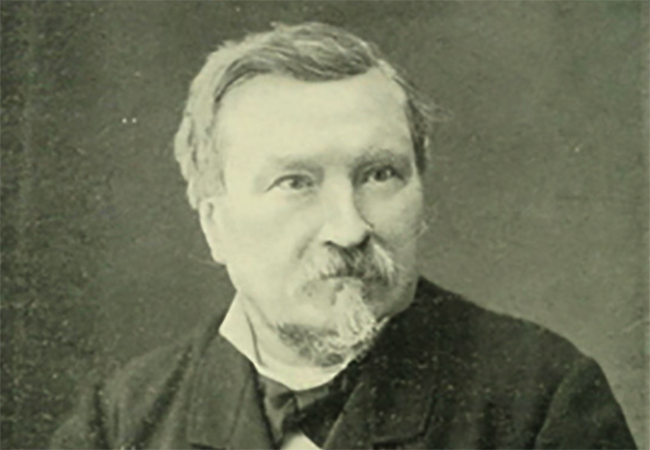


 In this character of the Americans, a love of freedom is the predominating feature which marks and distinguishes the whole: and as an ardent is always a jealous affection, your colonies become suspicious, restive, and untractable, whenever they see the least attempt to wrest from them by force, or shuffle from them by chicane, what they think the only advantage worth living for. This fierce spirit of liberty is stronger in the English colonies probably than in any other people of the earth. . . .
 The first official move towards secession from the British Empire occurs on June 7, 1776, when Richard Henry Lee presents a resolution to the Continental Congress, which is seconded by John Adams.
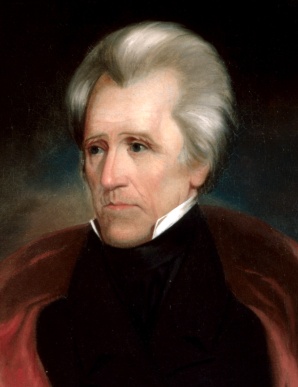 In 1883, Andy Jackson becomes the first U.S. president to ride on a train.