On August 10, 1809, Ecuadorians attempted independence from Spain with the Declaration of Independence of Quito, but failed with the execution of all the conspirators a few days less than a year later.
Independence was finally achieved in 1822.

On August 10, 1809, Ecuadorians attempted independence from Spain with the Declaration of Independence of Quito, but failed with the execution of all the conspirators a few days less than a year later.
Independence was finally achieved in 1822.
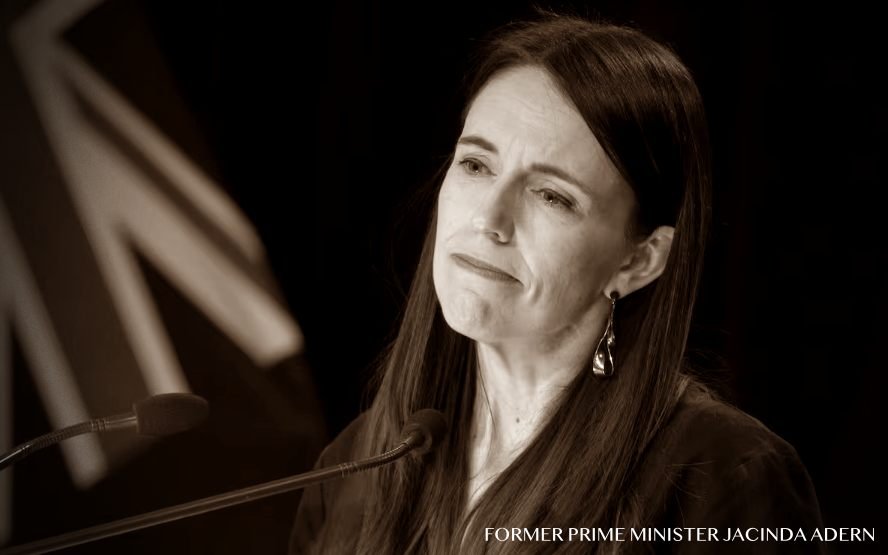
Fallout from the pandemic response of 2020-2023 continues to . . . fall out.
New Zealand’s “Royal Commission has been tasked with investigating the nation’s COVID-19 response,” wrote Frank Bergman a few weeks ago. “However, the body is facing intense criticism for ignoring key scientific data and creating a narrative that unquestioningly supports government policies and the ‘safety’ of mRNA ‘vaccines.’”
The southern hemisphere nation-state, when headed by quasi-repudiated former Prime Minister Jacinda Adern (pictured above), proved to be an enthusiastic enforcer of lockdowns and vaccination-by-novel-therapeutics. And has experienced an ominous post-pandemic rise in excess deaths (higher rates of mortality than is statistically expected). Still, the government does not seem eager to question public health practices.
The Commission received extensive briefings from groups like Voices for Freedom and New Zealand Doctors Speaking Out on Science (NZDSOS).
The briefings included peer-reviewed studies and official data.
Yet, the Commission has been accused of selectively referencing discredited claims to further its agenda.
In addition, the Commission was found to have ignored studies and data that highlighted the dangers associated with the mRNA shots.
Frank Bergman, “New Zealand Government Caught Covering Up Data Exposing Covid ‘Vaccine’ Deaths,” Slay News (July 28, 2025).
Officials stubbornly refuse to entertain alternative views or even data from other countries:
One of the most alarming aspects of the Commission’s handling of evidence is its refusal to consider the significant findings of international studies.
Most notably, the panel ignored a bombshell Japanese analysis of 21 million health records.
This study showed a disturbing rise in unexpected all-cause deaths following Covid mRNA injections.
The data shows that deaths spiked significantly after mRNA “booster” doses, with many occurring 90 to 120 days post-vaccination.
This timeline directly challenges the Commission’s stance that deaths need to occur shortly after vaccination to be linked causally.
Yet, this critical data was brushed aside during public hearings, further fueling the perception that the Commission is more interested in defending the status quo than genuinely investigating public health concerns.
Ibid.
The article goes on to mention the New Zealand government’s hostility to whistleblowers, Barry Young in particular. His story has been circulating again on social media this past week, so if you aren’t familiar with this controversy, brace yourself. He claims that his work as the sole healthcare database manager in New Zealand allowed him to notice (and expose) “a staggering 10 million deaths around the world” because of “vaccines”:
New Zealand’s case against Mr. Young — a database designer for a corporation under government contract, Te Whatu Ora — is dubious. He says he saw a pattern of results contrary to what the government was telling citizens and patients, and thus disclosed that information. The case against him is this: he is alleged also to have disclosed private information, too. That is what Sean Plunket, above, is so much exercised about.
While Te Whatu Ora claims that 12,000 individuals’ data was exposed, their statements are cautious, noting that the data “appears anonymised” but that there is a “small chance” some individuals could be identified.
The story is well-covered, if a tad one-sided in the media . . . in New Zealand. Happy Googling. (We recommend DuckDuckGo or Freespoke.)
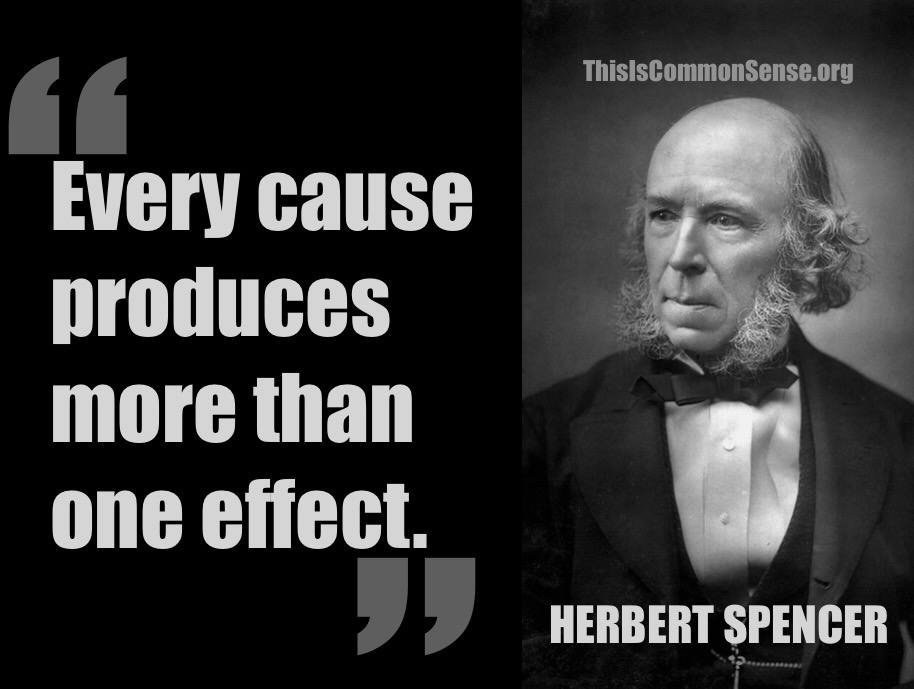
Every cause produces more than one effect.
Herbert Spencer, “Progress: Its Law and Cause,” The Westminster Review (April 1857).
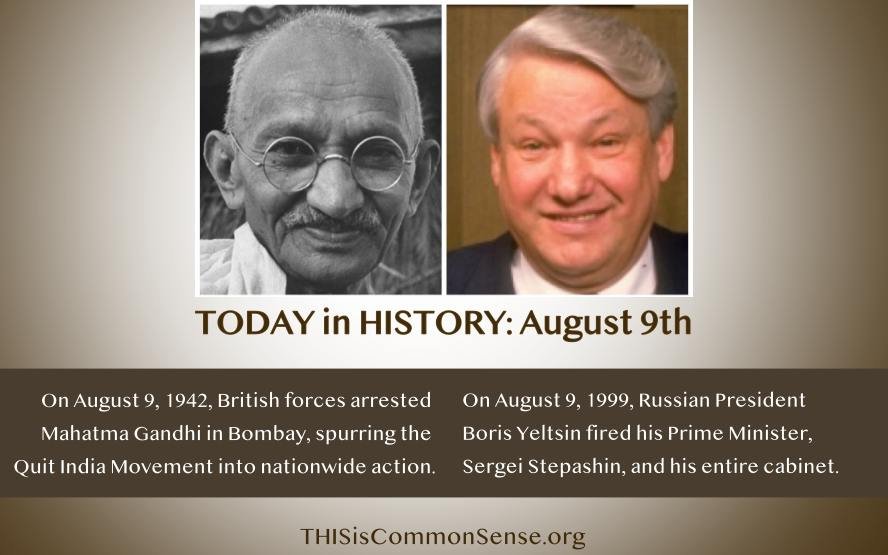
On August 9, 1942, British forces arrested Mahatma Gandhi in Bombay, spurring the Quit India Movement into nationwide action.
In 1999 on this 221st day of the year, Russian President Boris Yeltsin fired his Prime Minister, Sergei Stepashin, and his entire cabinet.
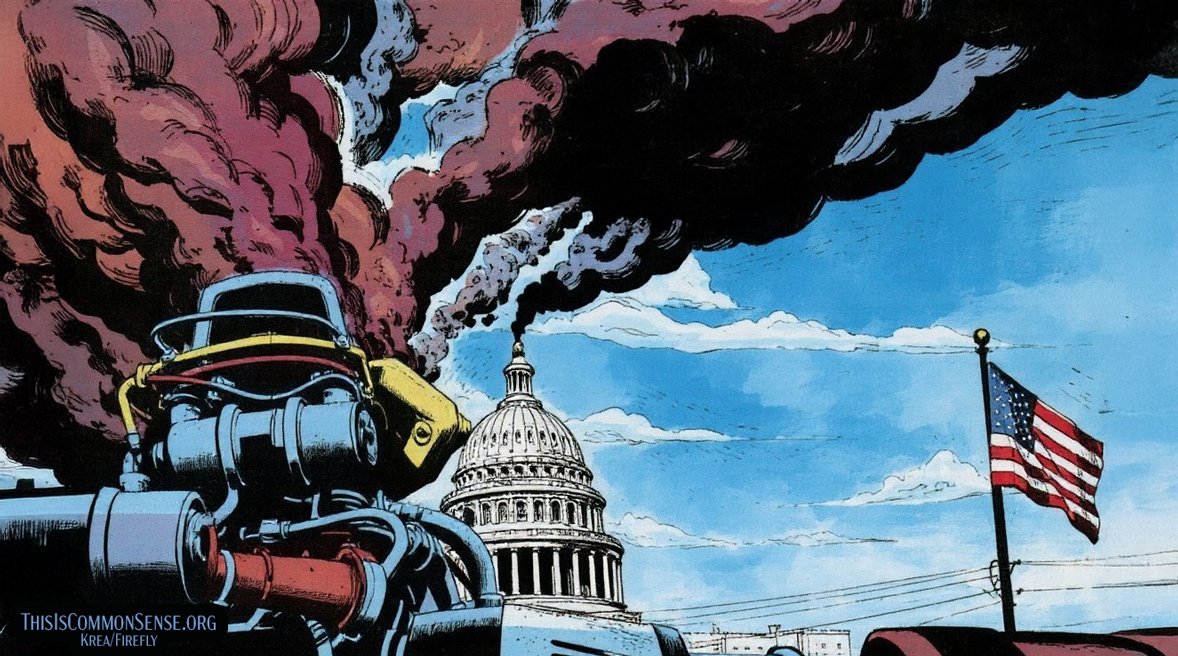
The 65-year-old fixed diesel vehicles. Unfortunately for him, he did so by removing EPA-mandated emissions systems that supposedly help keep the air clean. By forcing vehicles to recirculate exhaust, the systems also make it harder for them to function properly.
“I was just trying to help people. And the word got out all over the country that I could do it right.”
One customer was hauling calves when his truck almost caught on fire because of the EPA-mandated system. He removed the filter himself and paid Troy to fine-tune the engine.
Troy has seen school buses unable to move for hours because of problems caused by the filter.
He wasn’t fixing these vehicles “out of malice,” he protests. “I think all of us want cleaner air. [At this cost? No.] But when we’re putting people out of business, there’s got to be a common ground.”
In December 2024, a judge sentenced Troy to 12 months in prison and fined him $52,500 for “conspiracy to violate the Clean Air Act.” It could have been worse: up to five years and $250,000.
Now Troy and his friends want President Trump — who has been working to undo some of the worst regulatory impositions of the Obama and Biden years — to pardon Troy so he can get back to his life and business.
How about it, Mr. President?
This is Common Sense. I’m Paul Jacob.
Illustration created by Krea and Firefly
See all recent commentary
(simplified and organized)
See recent popular posts
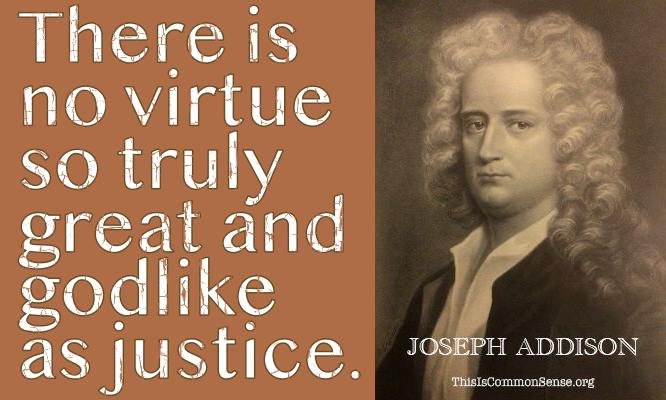
There is no virtue so truly great and godlike as justice.
Joseph Addison, The Guardian (1713).
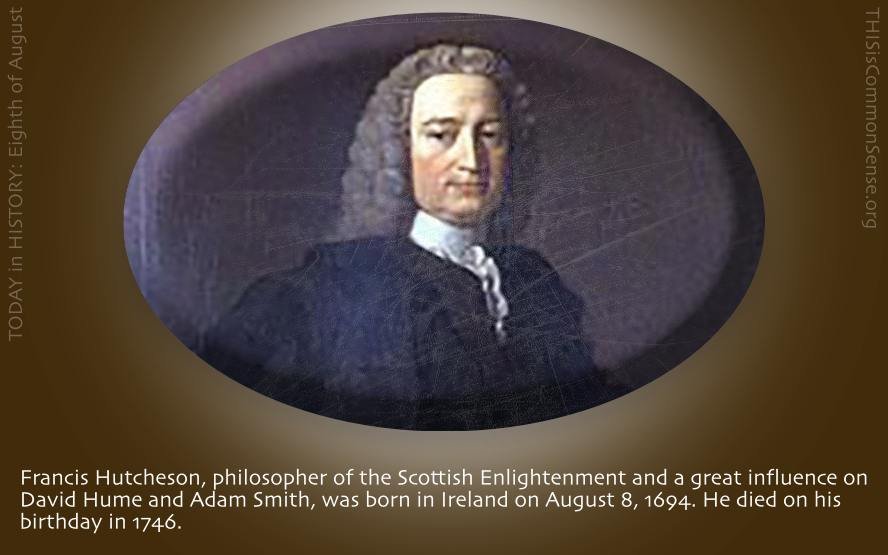
Francis Hutcheson, philosopher of the Scottish Enlightenment and a great influence on David Hume and Adam Smith, was born in Ireland on August 8, 1694. He died on his birthday in 1746.
Followers of Mahatma Gandhi launched the Quit India Movement against the British rule on August 8, 1942.
On the same day in 1974, President Richard M. Nixon resigned.

Better something than nothing, however.
As Wikipedia describes it, the Act “creates a new duty of care for online platforms, requiring them to take action against illegal content, or legal content that could be ‘harmful’ to children where children are likely to access it. Platforms failing this duty would be liable to fines of up to £18 million or 10% of their annual turnover, whichever is higher.”
The Wikipedia Foundation objects to being classified as a category 1 service under the Act, a designation that imposes digital ID requirements on its contributors.
“Privacy is central to how we keep users safe and empowered,” says Phil Bradley-Schmieg, lead counsel for the Wikipedia Foundation. “Designed for social media, this is just one of several category 1 duties that could seriously harm Wikipedia.”
“Designed for social media” — in other words, do it to the other guys, not us.
“Volunteer communities working in more than 300 languages could be exposed to data breaches, stalking, vexatious lawsuits, or even imprisonment by authoritarian regimes,” Bradley-Schmieg adds.
True. But won’t those risks also be faced by those who surf in to say something on a social media platform and suddenly find themselves confronted with age-verification — ID — demands?
We need a tsunami of lawsuits against the UK’s global assault on privacy and freedom of speech.
This is Common Sense. I’m Paul Jacob.
Illustration created with Krea and Firefly
See all recent commentary
(simplified and organized)
See recent popular posts
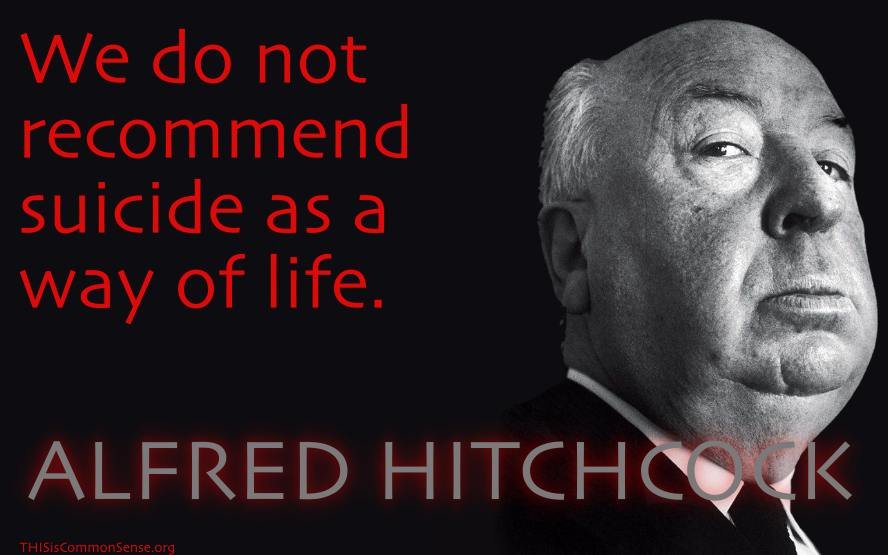
We do not recommend suicide as a way of life.
Alfred Hitchcock, in Alfred Hitchcock Presents (1965).
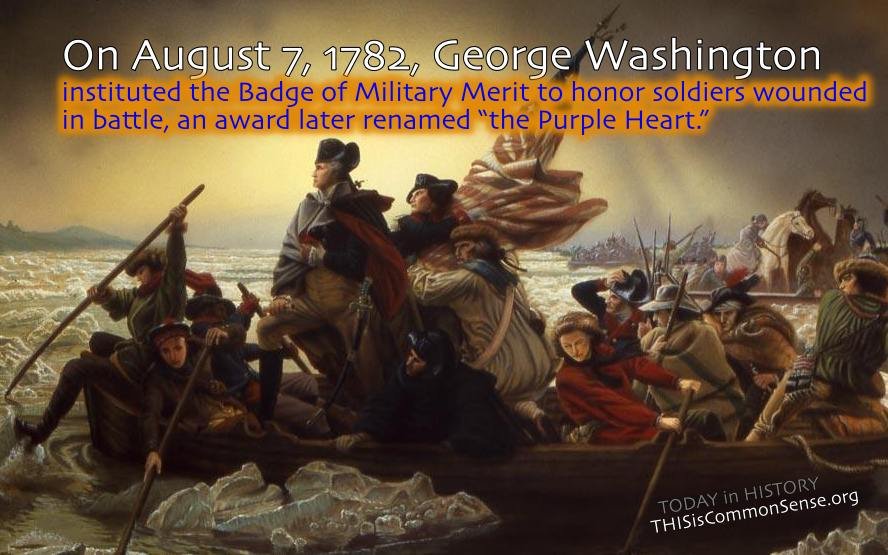
On August 7, 1782, George Washington instituted the Badge of Military Merit to honor soldiers wounded in battle, an award later renamed “the Purple Heart.”
Illustration: “Washington Crossing the Delaware,” Emanuel Leutze, 1851, Oil on canvas (Metropolitan Museum of Art, New York City), depicting an event in 1776, not 1782.