Categories
general freedom national politics & policies political challengers

Standing with Rand

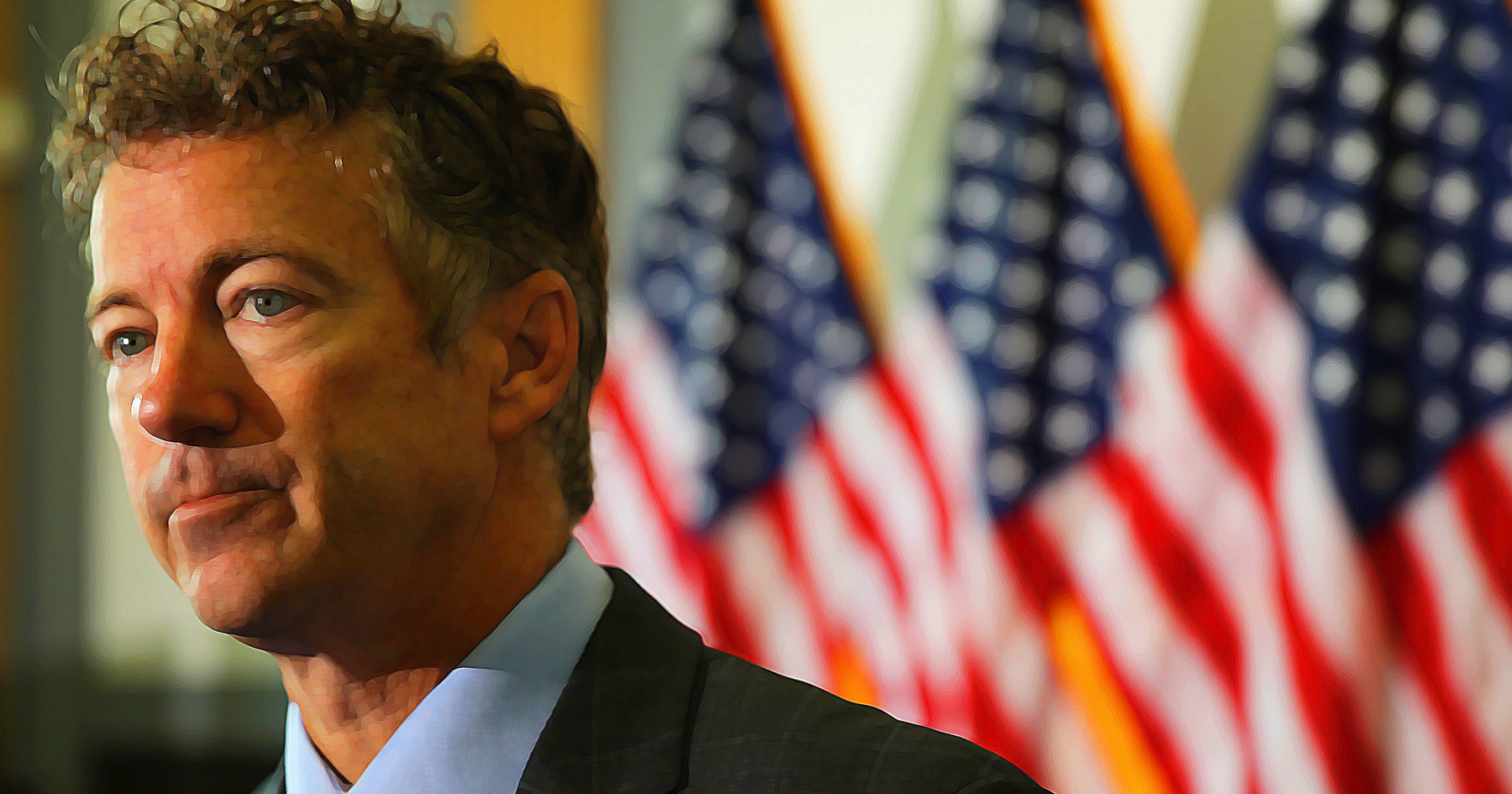
Rand Paul, the junior senator from Kentucky, suspended his presidential campaign yesterday. He took fifth place in Iowa, but garnered just four percent of the vote.

I’ll miss him.

“Ours has been a unique voice in this race,” the senator rightly declared, “one that says Big Government threatens Americans from all walks of life, rich and poor, black and white — from the coal miner who has lost his job over President Obama’s destructive EPA regulations to the teenager from a poor family facing jail time for marijuana.”

Some of Rand’s message resonates in the Republican Party; other parts, not so much.

An anonymous senior Paul aide told Politico that the problem — in addition to “Trump” — was “this foreign policy environment,” noting that “Rand was more flavor of the month a year ago . . . before they were beheading people in the Middle East. . . .”

Still, the GOP would be wise to heed Paul’s message, especially on foreign policy.

“I will not ignore the terrible cost of decades of war and chaos in the Middle East, and the unintended consequences of regime-change and nation-building,” the senator assured supporters. “I will continue to fight for criminal justice reform, for privacy, and your Fourth Amendment rights.”

In assessing his presidential campaign, Paul told reporters, “Brushfires of Liberty were ignited, and those will carry on, as will I.”

That’s good. Like his father, Dr. Rand Paul has become freedom’s foremost firebrand. We need him in the U.S. Senate.

This is Common Sense. I’m Paul Jacob

Printable PDF

Rand Paul, 2016 Presidential Race, Common Sense


Categories
Today

First President

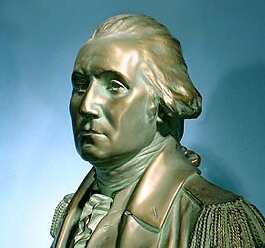
On February 4, 1789, George Washington was unanimously elected as the first President of the United States, under the new Constitution, by the U.S. Electoral College.

On the same date five years later, the French legislature abolished slavery throughout all territories of the French Republic.

Categories
folly ideological culture national politics & policies

No Red Flag?

The Iowa caucuses were pretty much a dead-heat for the Democrats, with Hillary Clinton winning a number of precincts by the flip of a coin and barely edging out Sanders.

Leaving aside conspiratorial notions like trick coins, the Democratic results are most interesting in one obvious way: half of the Democratic activists in this Midwestern state proved themselves just fine with voting for a self-proclaimed “socialist”; the other half were apparently hunky-dory to cast their ballots for an ethically-challenged political insider most often described by voters in an ABC News survey with the word “liar.”

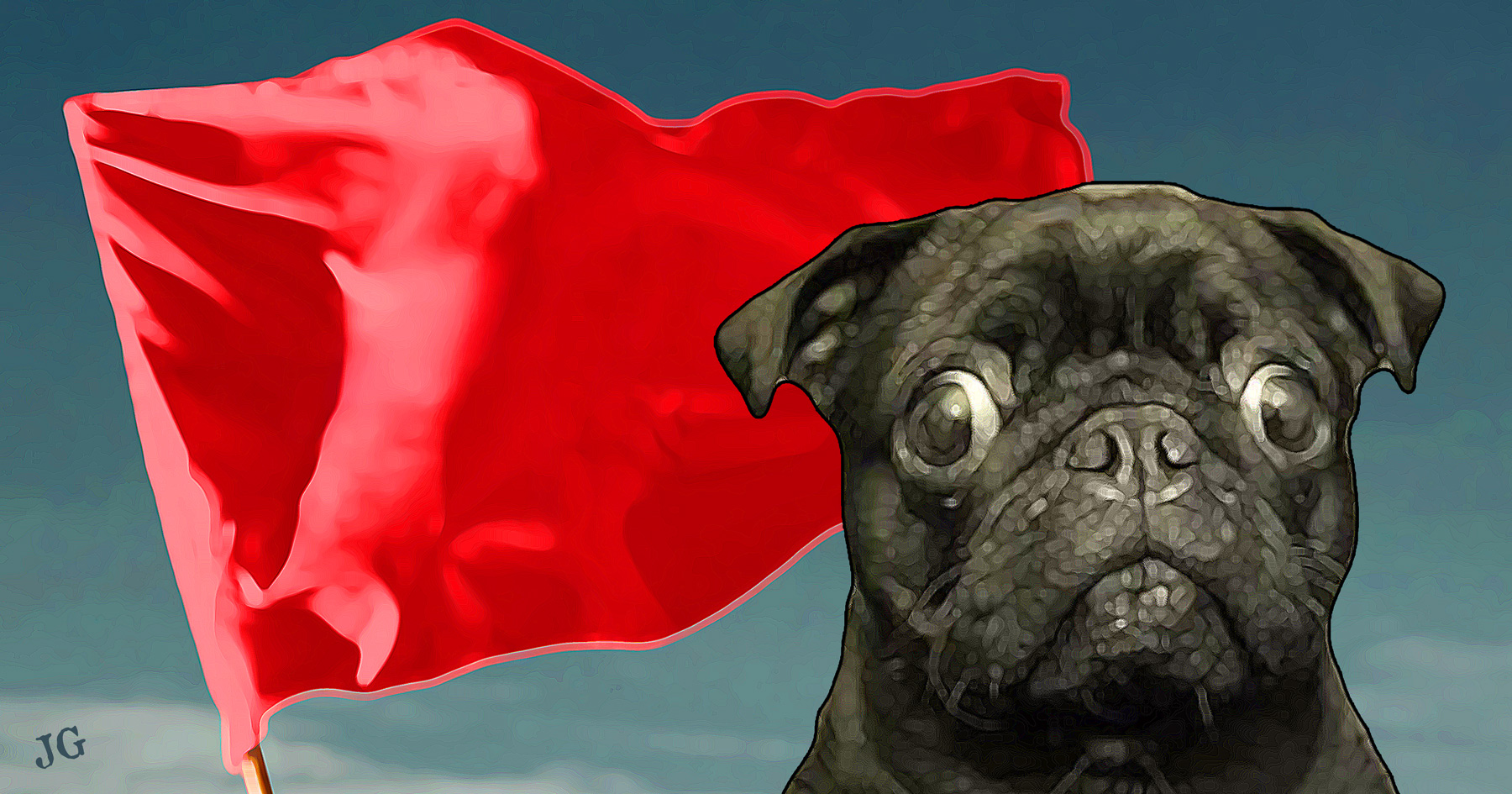
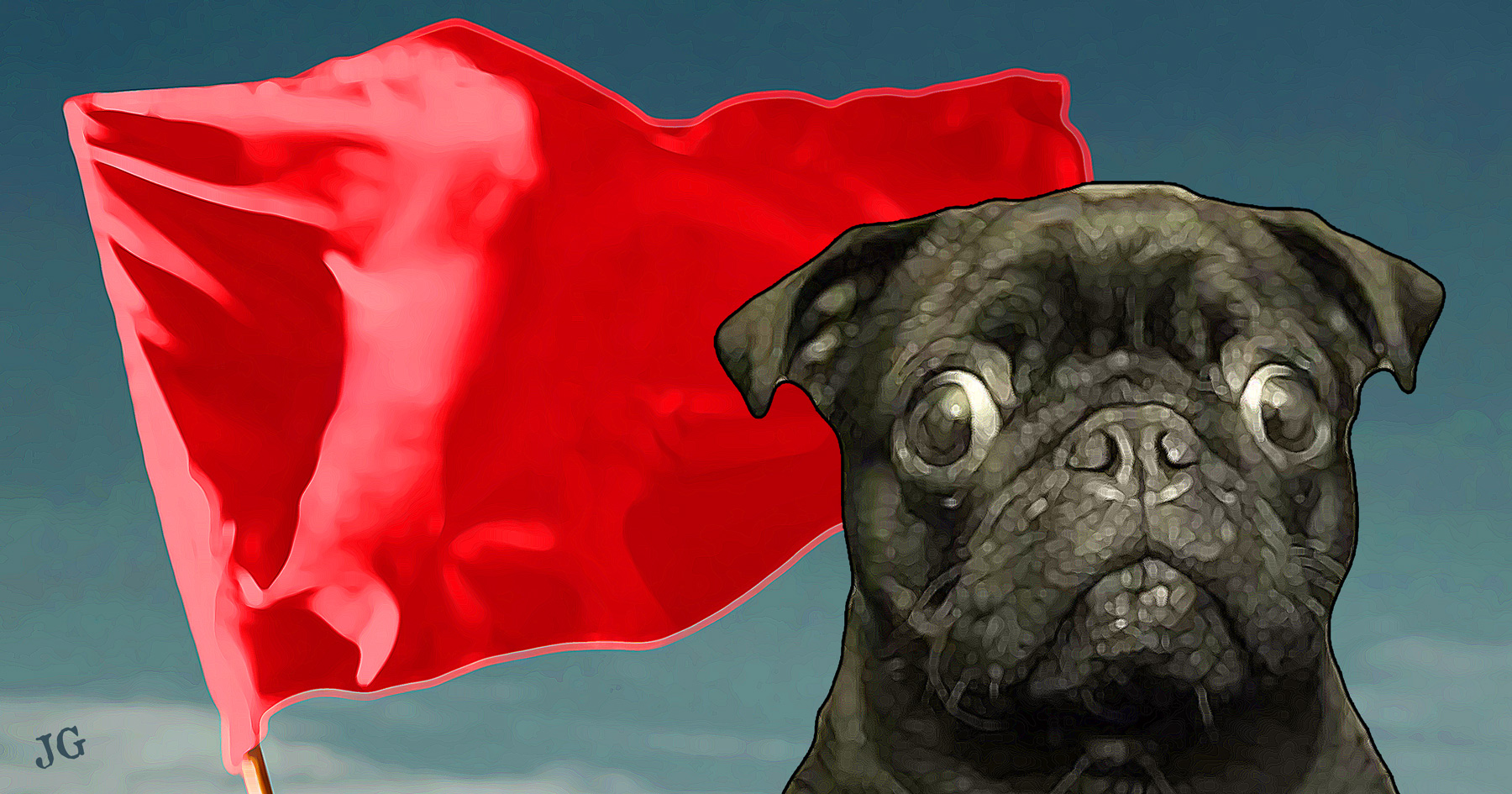
No red flags, Dems?

Though Fox News’s Bill O’Reilly keeps talking about Mrs. Clinton’s possible indictment, partisanship being what it is, how is that going to happen? Despite a rising swell of support for Sanders, Clinton’s juggernaut seems fated to roll over the land.

But really, which is more disappointing:

  1. Lack of revulsion or censure for Clinton’s haughty incompetence and disregard for the law? or
  2. Lack of incredulity at someone identifying his Big Gov redistributionism as “socialist”?

Monday wasn’t a red letter day, it was a red flag day.

On the Republican side, the establishment took a drubbing. Former Gov. Jeb Bush, son and brother of former presidents, received less than three percent of the Republican vote — even though, including SuperPACs, he has raised the most money. By far — his campaign shelled out $2,884 for each Iowa vote.

Moreover, Ted Cruz, the GOP establishment’s worst nightmare, won. Let’s hope his success overcoming attacks from the governor and the crony corn lobby will help others find the political courage to oppose ethanol subsidies and mandates.

This is Common Sense. I’m Paul Jacob.


Printable PDF

Primary, Bernie Sanders, Hillary Clinton, red flag, Common Sense


Categories
Today

Spain and Bagehot

On February 3, 1783, Spain recognized United States independence.

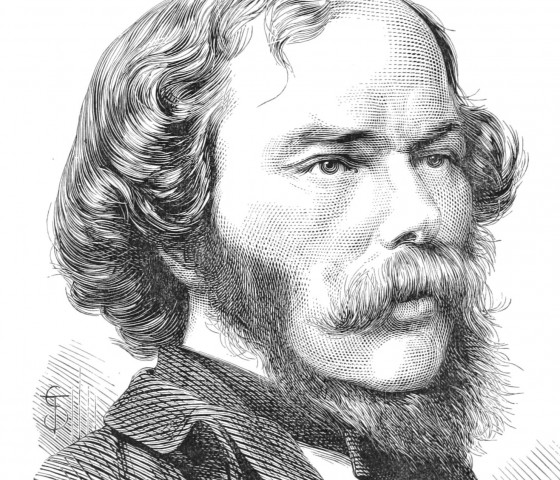
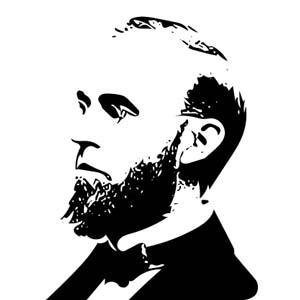
Walter Bagehot (pronounced “badge-it”; pictured), famed editor of The Economist and author of Lombard Street, was born on this date in 1826.

Categories
Thought

George H. Lewes

“Ideas are forces: the existence of one determines our reception of others.”


G. H. Lewes, Problems of Life and Mind (Third Series) Problem the First — The Study of Psychology: Its Object, Scope, and Method, 1879.

Categories
Accountability folly general freedom moral hazard national politics & policies responsibility too much government

Giving Up on the Future?

Both Germany and Japan now transfer money, on net, from the young to the old. Austria, Slovenia, and Hungary, The Economist reports, do the same.

The instrument of this transfer? Well, the elephant in the room: those nation’s entitlement programs — their versions of our “Social Security.”

John O. McGinnis, George C. Dix Professor in Constitutional Law at Northwestern University, explains how unnatural the direction of the transfer is. Normally, societies “give more to the young than the young can ever repay.” Remember the truism, “the children are our future”? Families, McGinnis explains, “exemplify this principle. Socially too, the intergenerational flow of resources is what creates civilization as each generation receives benefits from the previous one.”

Taking from the young to give to the old, on the other hand, is not just counter-intuitive. It stifles innovation, entrepreneurship, progress itself.

What drives the trend? It is complicated. But the politics behind redistributionist programs is the main culprit:

The elderly vote more than the young, who have more distractions, and politicians are thus all too eager to give them goodies. And while individually the elderly would like to direct more resources to their young relatives, when they act in politics they face a kind of tragedy of the commons. They cannot prevent others from living off the state, so they might as well do themselves.

As my generation, the infamous Baby Boom, retires, the demographics turn Social Security against society’s main purpose: building a future. The culture refocuses on retirement . . . preparing for death.

Another way — on top of growing debt and increasing regulatory burden — we’re leaving our kids with less than we had.

This is Common Sense. I’m Paul Jacob.


Printable PDF

Social Security, wealth transfer, young, old, elderly, Germany, Japan, baby boom


Categories
Thought

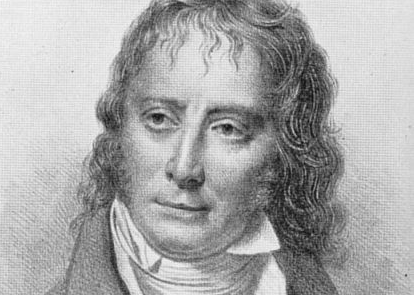
Benjamin Constant

“Commerce has brought nations closer, it has given them customs and habits that are almost identical; the heads of states may be enemies: the peoples are compatriots.”


Benjamin Comstant, The Liberty of the Ancients Compared with That of the Moderns (1819).

Categories
Today

Groundhogs’ Day

On February 2, 1887, Punxsutawney, Pennsylvania, celebrated the first Groundhog Day. On the same day in 1976, the Groundhog Day gale hit the north-eastern United States and south-eastern Canada.

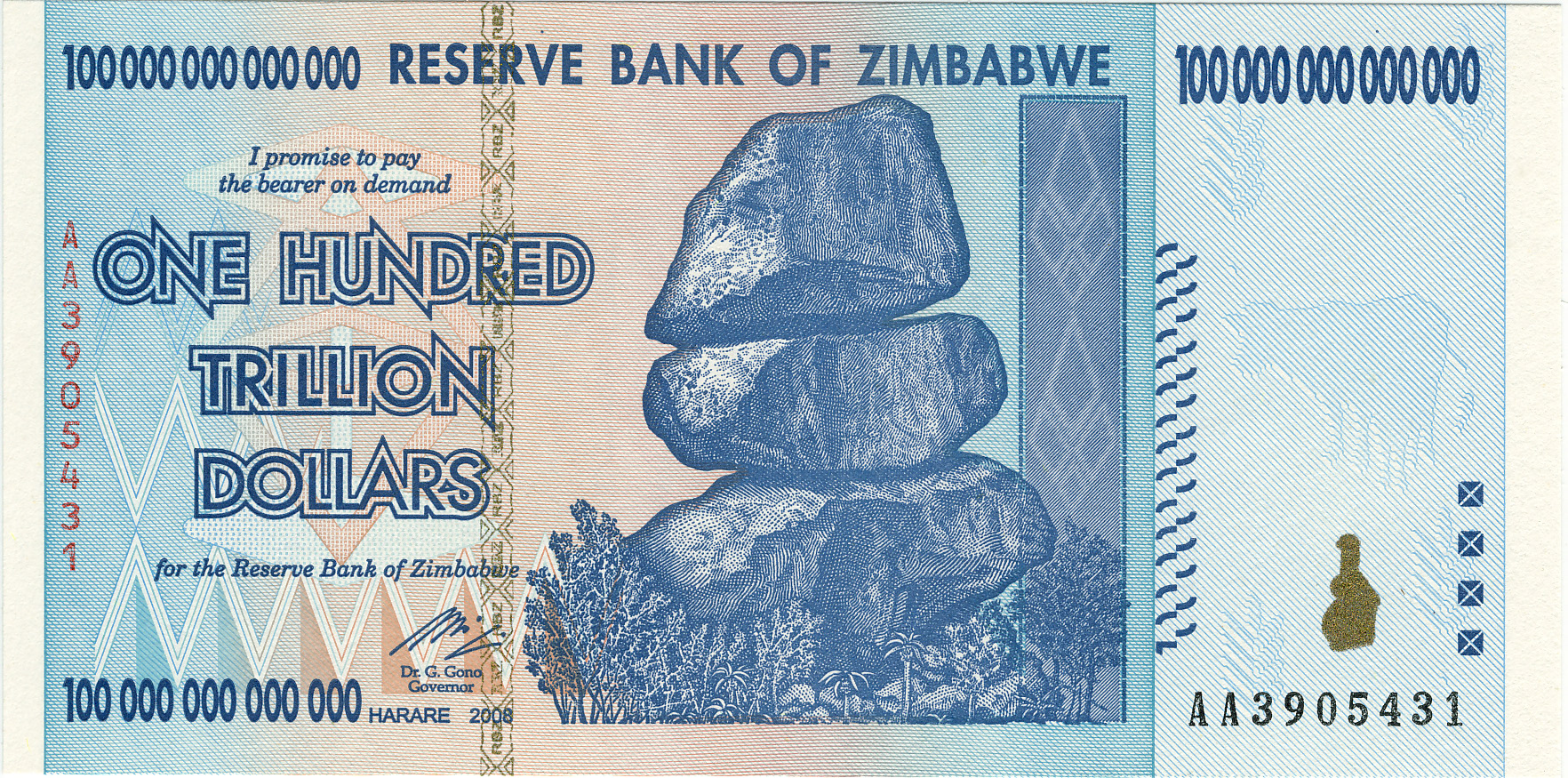
In 2009, the Reserve Bank of Zimbabwe officially devalued the Zimbabwean dollar for the third and final time, making Z$1 trillion now only Z$1 of the new currency, equivalent to Z$10 septillion before the first devaluation. Politicians in Zimbabwe looked up, saw their shadow, and realized that they had only a couple months more of their inflation binge. Indeed, the legalization of trading currencies, the previous month, had sealed the fate of Zimbabwe’s independent dollar. The Zimbabwean dollar was abandoned officially on the 9th of April, 2009.

Categories
Accountability folly free trade & free markets moral hazard porkbarrel politics too much government

Crony Corn

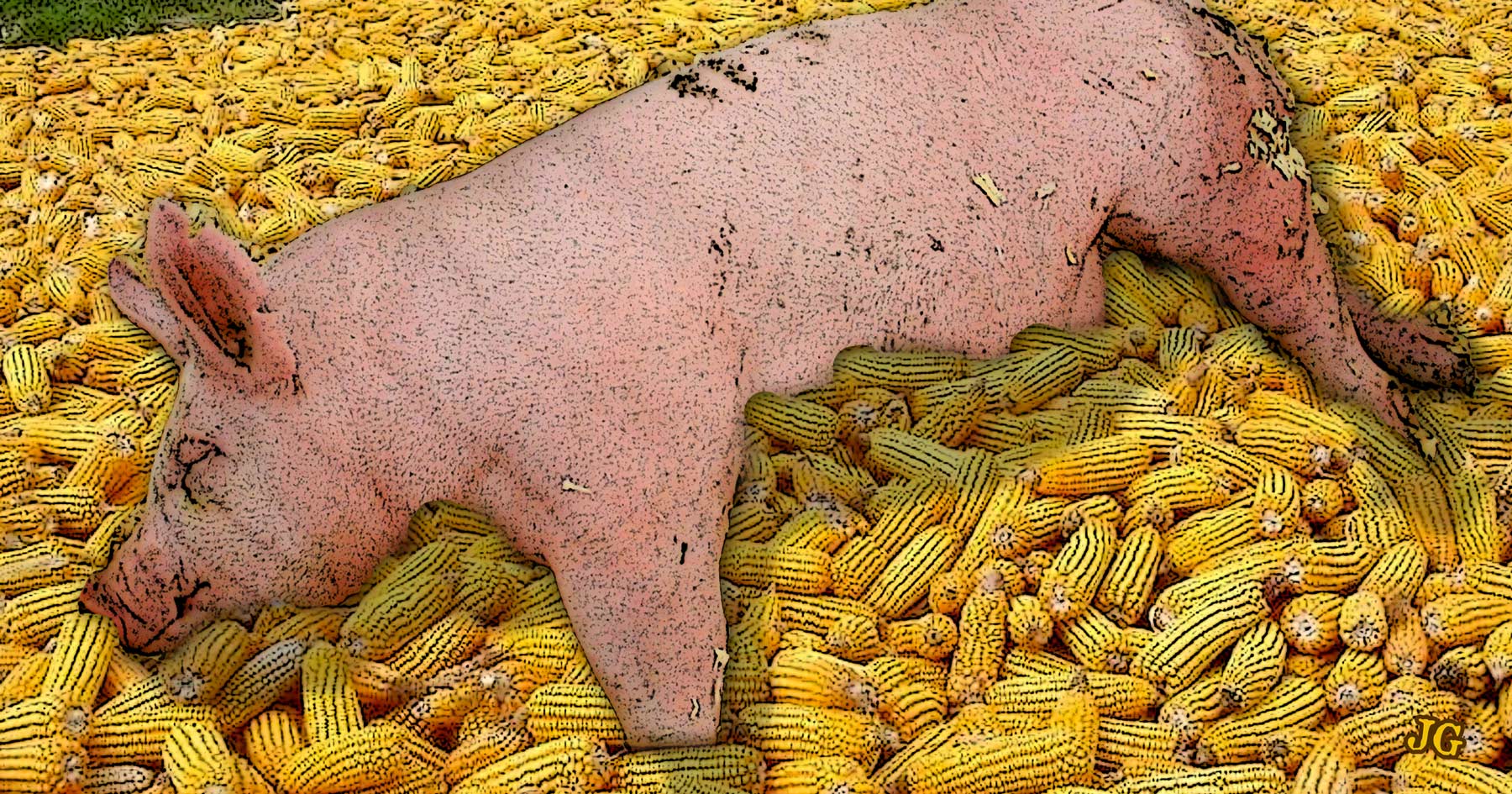
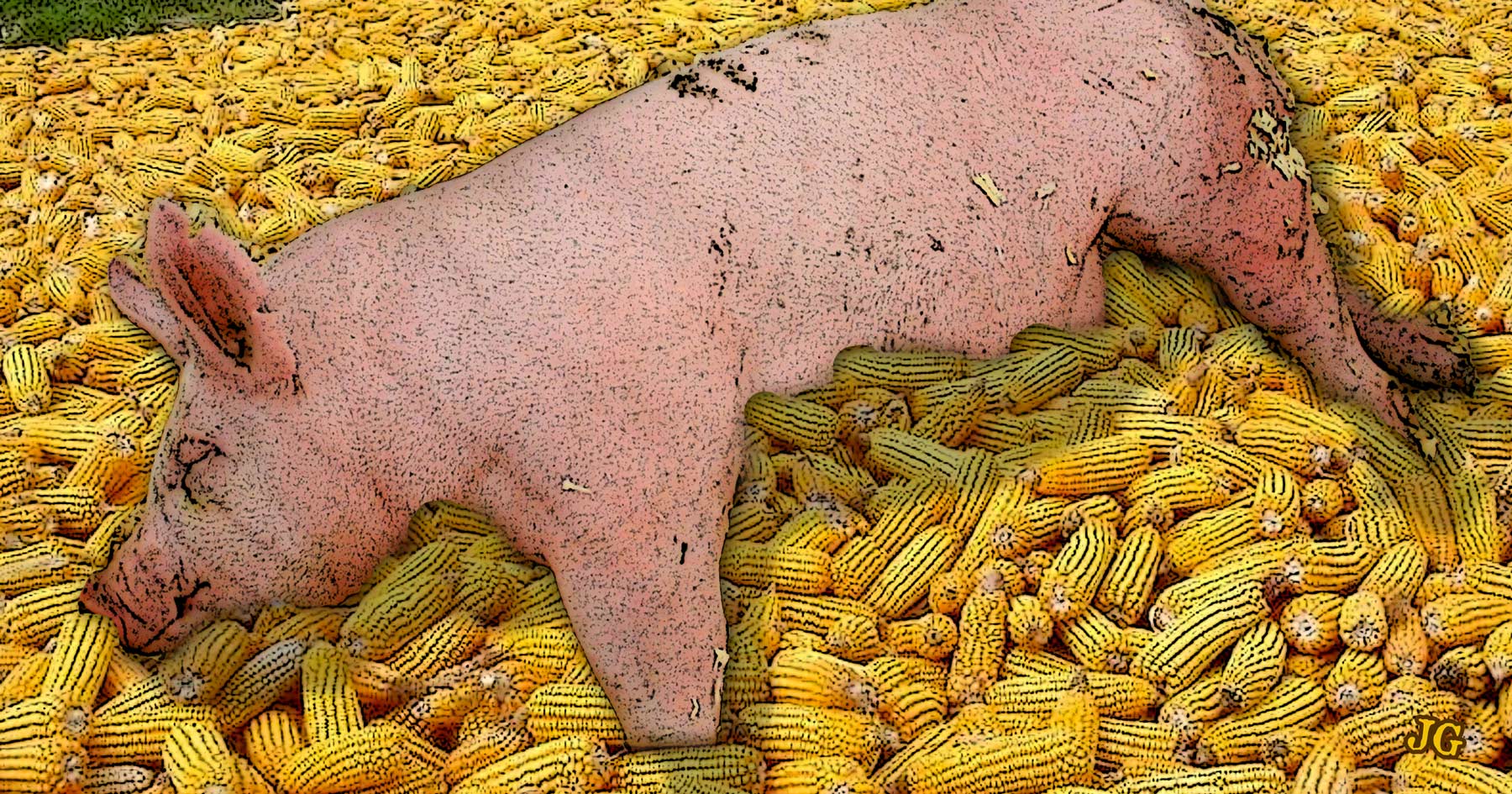
The presidential campaign officially begins in Iowa. The Hawkeye State is also the nation’s corn-growing champion. Each year, Iowans sell 47 percent of that crop to produce ethanol, which accounts for a not-insignificant 8 percent of the state’s gross product.

Ethanol has friends in Washington, too. Congressional wizards have mandated that the gasoline pumped into cars throughout the land be diluted with ethanol — talk about a market guarantee!

At National Review, Jeremy Carl explains that “energy-policy experts of all political stripes can agree . . . mandates and subsidies to promote the use of corn ethanol (a policy first implemented by Jimmy Carter) are wasteful boondoggles that harm our environment and food supply while imposing billions of dollars of hidden costs on consumers. However, most energy-policy experts are not running for president in the Iowa caucuses.”

In 2008, both Sen. Hillary Clinton and Sen. John McCain flip-flopped to support the ethanol subsidies they had previously opposed.

But, this year, Sen. Ted Cruz and Sen. Rand Paul haven’t pandered along.

When Cruz rose to first place in the polls, Gov. Terry Branstad attacked, arguing, “It would be a big mistake for Iowa to support [Cruz]” because “his anti-renewable fuel stand . . . will cost us jobs, and will further reduce farm income . . .”

Yesterday, Fox News Sunday host Chris Wallace asked Cruz, “Why should [Iowa] voters side with you over the six-term governor of this state?”

“I think there should be no mandates and no subsidies whatsoever,” Cruz replied.

In today’s Iowa caucus, can Cruz overcome the forces of crony corn?

This is Common Sense. I’m Paul Jacob.


Printable PDF

pig, port, corn, ethanol, subsidies, gas, fuel, Common Sense, Paul Jacob


Categories
Thought

Arthur Latham Perry

“What is the Source out of which Taxes are actually paid? The answer is, out of the gains of Exchanges of some sort. Gifts aside, and thefts which are out of the question, no man ever did, no man ever can, pay his taxes, except out of the gains of some sales which he has already made.”


Arthur Latham Perry, Principles of Political Economy (1891).