Categories
Today

The Nixon Tapes

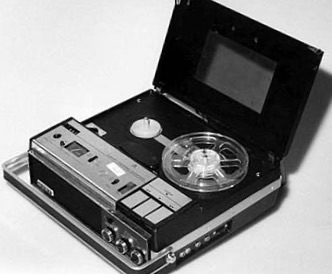
On July 13, 1973, the minority (Republican) counsel on the Senate Watergate investigative committee, Donald Sanders, asked Nixon aide Alexander Butterfield if he knew of any recordings made in the Nixon White House, and Butterfield responded, “everything was taped” at least while Nixon was in attendance, and that “there was not so much as a hint that something should not be taped.”

This revelation of the Nixon Tapes transformed the Watergate scandal into a major legal as well as political event, and proved to be one of the most astounding examples of “government transparency” in modern times — indeed, it helped demystify and desanctify the Office of the Presidency, a very republican (if not pro-Republican Party) development.

Categories
free trade & free markets general freedom nannyism national politics & policies property rights responsibility

Mr. Jetson, Call Your Office

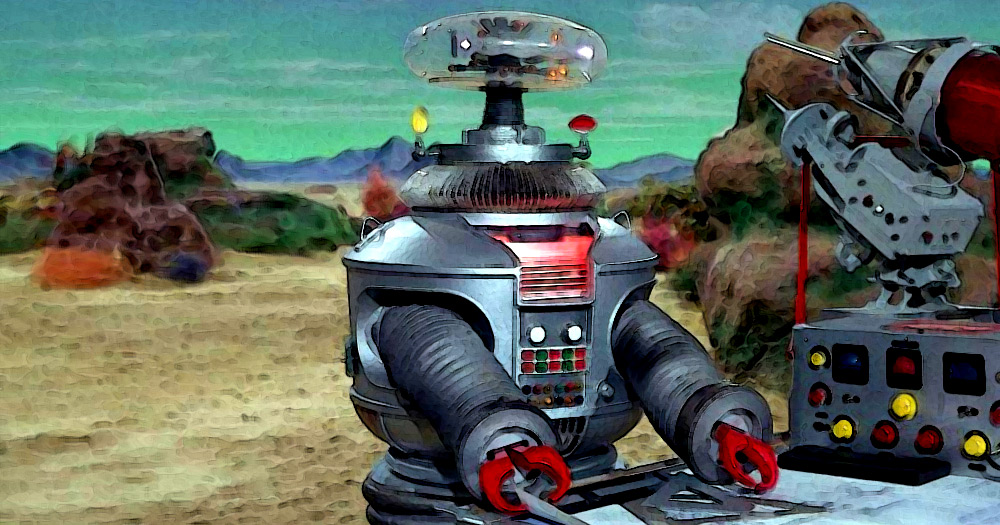
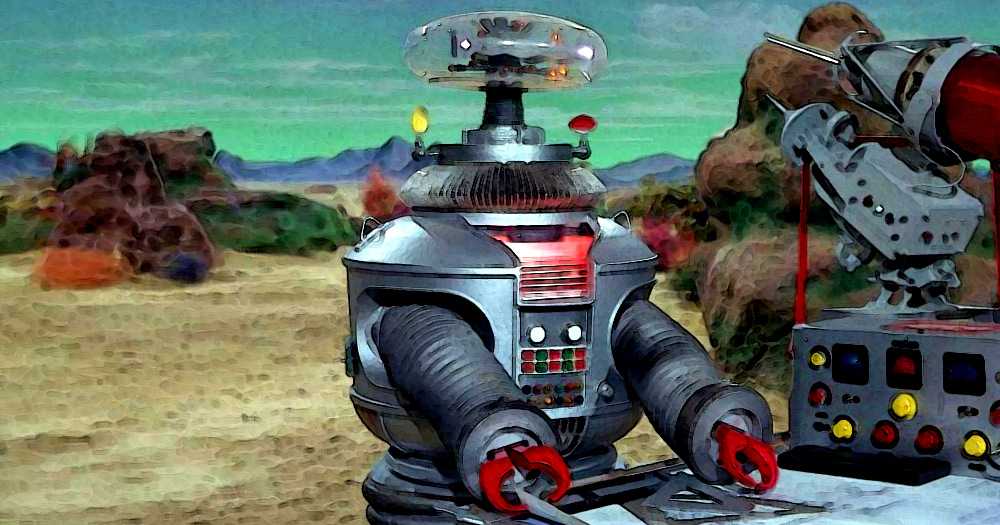
Increasingly, people are worrying about robots.

They’re taking our jobs, we’re told. Soon, all we’ll have left are robots. Massive unemployment!

While some find this scenario utopia and bliss,* it sounds dreadful to me.

Silver-plated lining is, I doubt it. This kind of worry about technology making laborers obsolete has been around at least since Ned Ludd, who broke factory machinery to save jobs back in 1779.

How is this next wave of technology any different? If technology destroyed jobs on net, we’d all be unemployed now.

Economist Deirdre McCloskey takes this historical view. Writing in Reason, she says today’s high-tech “innovations have actually raised real wages, correctly measured, because a human supplied with a better tool can produce more outputs. And the point of an economy is production for consumption, not protection of existing jobs.”

We’ve always been losing jobs. And new ones are created. Our worry shouldn’t be the jobs lost to new tech, but the lack of new ones coming into existence because of the oldest tech of all: government.

But you know what industry is least resistant to jobs vanishing to robots? Government itself. Sure, some reductions in public sector jobs have occurred, mainly as a result of decreased revenues in the recent “recession.” The job losses there have not been filled by robots, though. Permanent employee positions have been destroyed . . . too frequently replaced by outsourced consultants.

Could robots replace large swaths of public employees? Maybe that wouldn’t be good, actually. The worst-case scenario might be this: government becoming efficient.

We don’t want bad and efficient government.

Kludge may be better.

This is Common Sense. I’m Paul Jacob.


* Some even see in this development a sort-of science-fiction rationale for making socialism at long last plausible — robots as the new slave class; all the humans in the leisure class! Yeah, right.


Printable PDF
 

Categories
Today

Thoreau

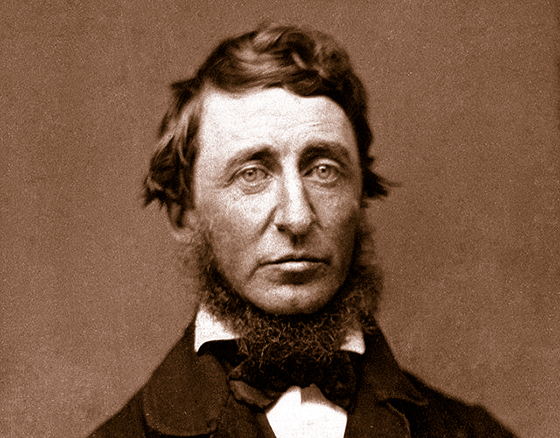
On July 12, 1817, American poet, abolitionist, businessman, and Transcendentalist philosopher Henry David Thoreau was born. He is perhaps best known, today, for his book of meditations on the simple life, Walden, and his influential essay on civil disobedience.

This birthday marks the Thoreauvian Bicentennial. The occasion is especially important to environmentalists and libertarians, both of which Thoreau was.

Categories
Thought

Will Rogers

Be thankful we’re not getting all the government we’re paying for.

Categories
Accountability folly free trade & free markets ideological culture media and media people national politics & policies

Next Bubble to Pop?

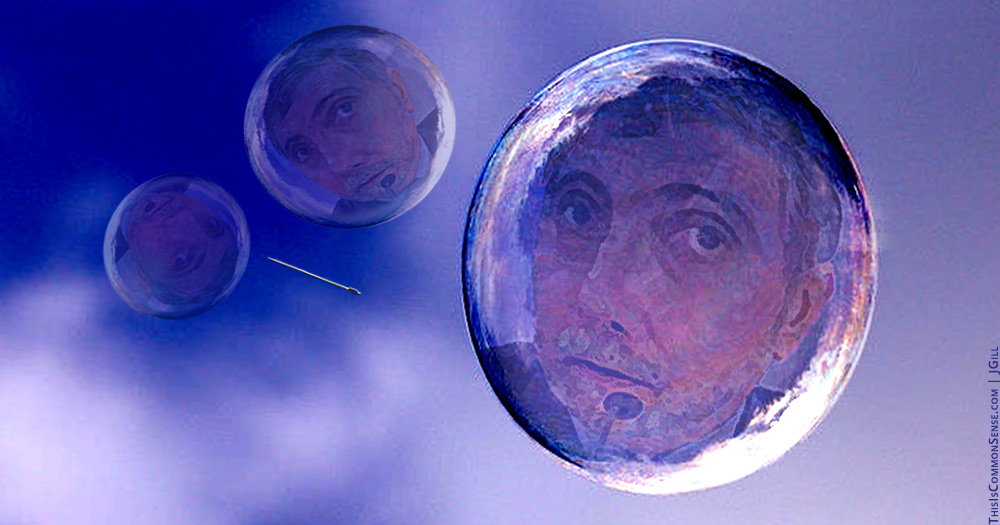
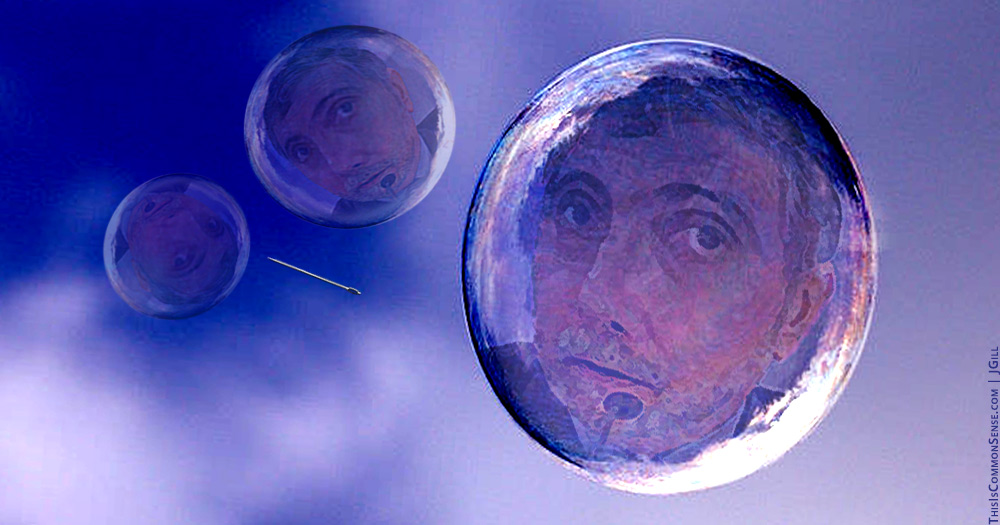
There was a great and wondrous moment, a decade and a half ago, when economist Paul Krugman, Nobel Laureate and New York Times’s unregistered shill for the Democratic Party, suggested that what the economy really needed was another housing bubble.

What he wrote, specifically, was this: “To fight this recession, the Fed needs more than a snapback; it needs soaring household spending to offset moribund business investment. And to do that, as Paul McCulley of Pimco put it, Alan Greenspan needs to create a housing bubble to replace the Nasdaq bubble.”

Krugman later reinterpreted that statement in a clever (if not convincingly honest) way. After the subprime loan industry collapsed in 2008, he attributed that bust to financial market malfeasance, not the Fed-inflated bubble we got . . . and that he had previously called for.

Now we are looking at several ready-to-burst bubbles:

  • The student loan debt problem seems scary.
  • The sovereign debt problem is undoubtedly more dangerous and far larger, but is perhaps still able to take on more fake money — all the world’s 1s and 0s have to go somewhere!
  • So the current bets seem to be on a huge auto loan industry bubble, about to pop.

Loan terms have increased in duration, and the average amount new car buyers are financing has jumped over 17 percent in five years. The idea has been “to continually lower monthly payments,” says David Stockman, “so people can get behind the wheels of vehicles they can’t really afford.”*

Which bubble does Krugman favor? I don’t have the stomach to check.

But, be certain, as we play pop goes the bubble, he’ll play pop goes the weasel.

This is Common Sense. I’m Paul Jacob.


* Stockman seems to be echoing warnings made by Eric Peters, of Eric Peters Autos.


Printable PDF


Categories
Thought

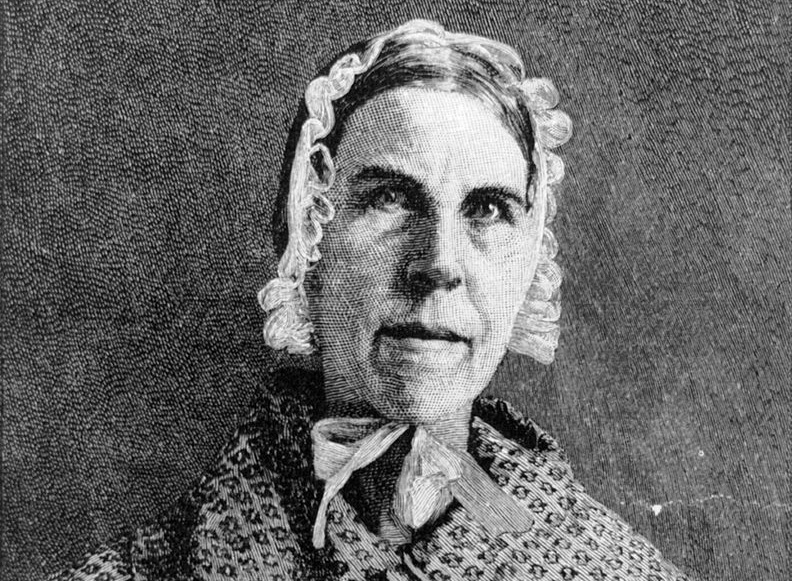
Sarah Grimké

I am persuaded that the rights of woman, like the rights of slaves, need only be examined to be understood and asserted.

Categories
Today

The 1804 Duel

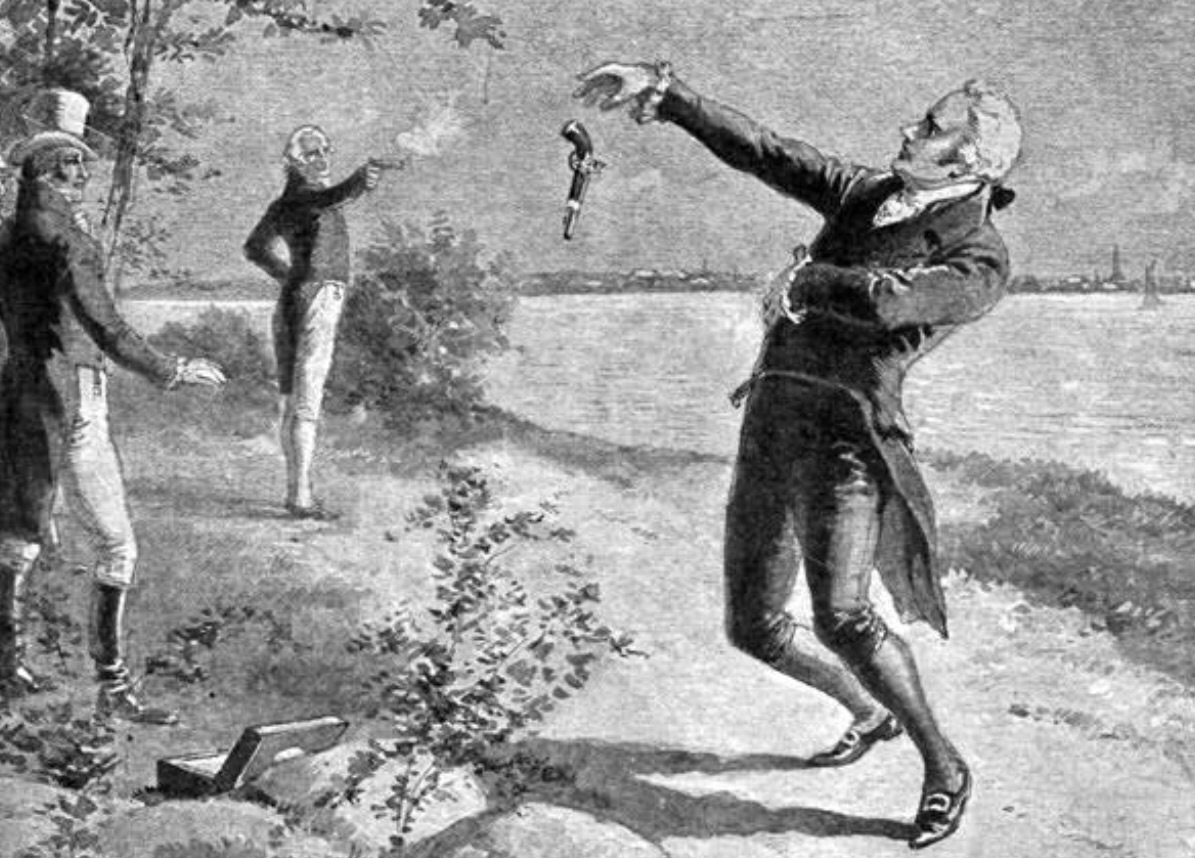
A few hundred years ago, not  far from Deas’ Point near Weekawken, N. J., was a ledge 11 paces wide and 20 paces long, situated 20 feet above the Hudson on the Palisades. This ledge, long gone, was the site of 18 documented duels and probably many unrecorded ones in the years 1798–1845. The most famous is the duel between General Alexander Hamilton, first Secretary of the Treasury, and Colonel Aaron Burr, sitting third Vice President of the United States, which took place on July 11, 1804.

Categories
Common Sense

Higher Ed Jubilee?

“Everything is beautiful in its own way,” goes Ray Stevens’s hit song of 1970. But still, pay your bills. 

That’s what I thought reading a Fox Business story on a recent poll in which 42 percent of Americans, a plurality, thought that “President Trump’s administration should forgive all federal student debt in order to help stimulate the economy.”

Roughly 37 percent disagree, at least. Twenty-one percent were undecided.

For starters, justifying a huge financial giveaway to some citizens at the expense of other citizens as a way to help “stimulate the economy”? A sad commentary on the state of civic discussion.

Of course, this particular voter survey may have been concocted as nothing more than some capitalist PR plot by MoneyTips.com. Still, the numbers are believable, and with total student debt reaching $1.3 trillion — owed by some 44 million Americans — the subject is certain to come up again.

Let’s not forget, Bernie Sanders declared it a sin against public policy that Americans were not provided a free university-level education. I can hear his future oration, “We bailed out the banks for the one-percent. We can bail out the students!”

It should be a popular position on college campuses, cui bono and all.

“Drilling into the data, we found millennials (18-29) were especially passionate about student loan debt forgiveness, strongly agreeing with the idea nearly twice as much as those 50 and older,” confirmed MoneyTips co-founder Michael Dubrow. “Even if older people are still paying off their loans, younger people paid more and borrowed more for higher education.”

This sounds like a good reason to cut current subsidies, not increase them.

No. More. Bailouts.

This is Common Sense. I’m Paul Jacob.


Printable PDF


Categories
Today

Anti-Bankster

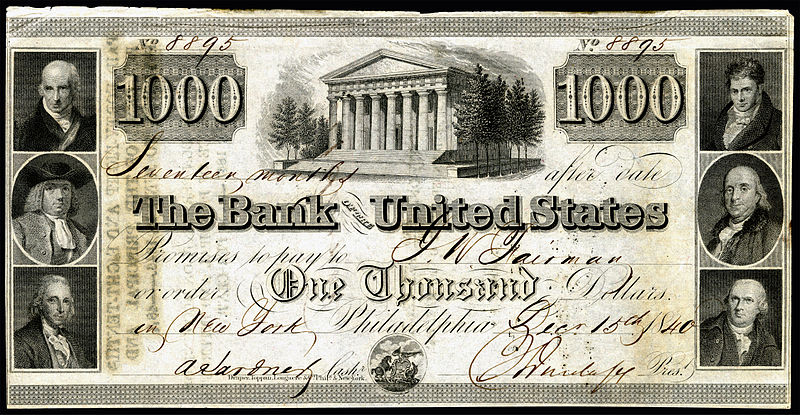
On July 10, 1832, U.S. President Andrew Jackson vetoed a bill to re-charter the Second Bank of the United States, in effect ending formal central banking in the United States until the establishment of the Federal Reserve in 1913.


The featured image is a promissory note from the Second National Bank in the amount of $1000.

Categories
Thought

Fox Mulder

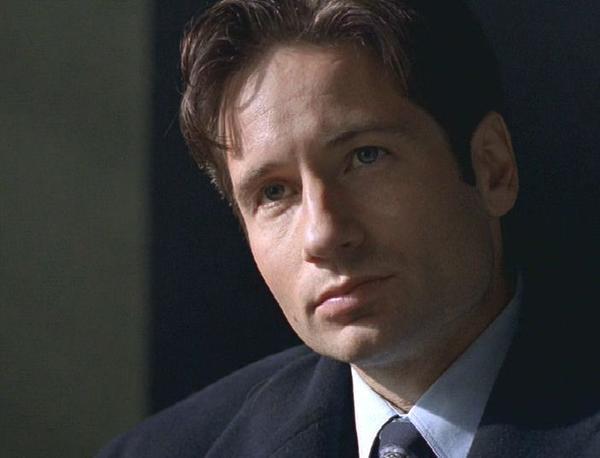
[N]o one, no government agency, has jurisdiction over the truth.


FBI Agent Fox Mulder, played by actor David Duchovny, in The X-Files, “Fallen Angel,” November 19, 1993; writing for this episode is credited to Howard Gordon and Alex Gans.