Categories
Today

U.S. Term Limits v. Thornton

On May 22, 1995, in U.S. Term Limits v. Thornton, the U.S. Supreme Court struck down Arkansas’s congressional term limits law, 5-4, overturning the congressional term limits then the law in 23 states: Arizona, Arkansas, California, Colorado, Florida, Idaho, Louisiana, Maine, Massachusetts, Michigan, Missouri, Montana, Nebraska, Nevada, New Hampshire, North Dakota, Oklahoma, Ohio, Oregon, South Dakota, Utah, Washington and Wyoming.

Other May 22 events include

  • 1856: South Carolina Congressman Preston Brooks savagely beat Massachusetts Senator Charles Sumner in the halls of Congress as tensions rise over the expansion of slavery. Sumner did not return to the Senate for three years while he recovered.
  • 1848: Slavery was abolished in Martinique.
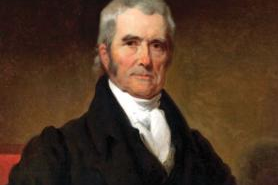
  • 1807: A grand jury indicted former Vice President of the United States Aaron Burr on a charge of treason. Burr (in portrait, above) was later acquitted.
Categories
Today

Colombian Freedom

On May 21, 1851, slavery was abolished in Colombia, South America.

Categories
Today

Mill and Passy

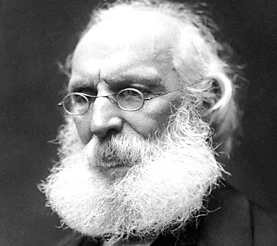
French economist and co-winner of the first (1901) Nobel Prize for Peace, Frédéric Passy (pictured above), was born on May 20, 1822.

English economist and philosopher John Stuart Mill was born exactly 16 years earlier.

Categories
Today

Wilde Released

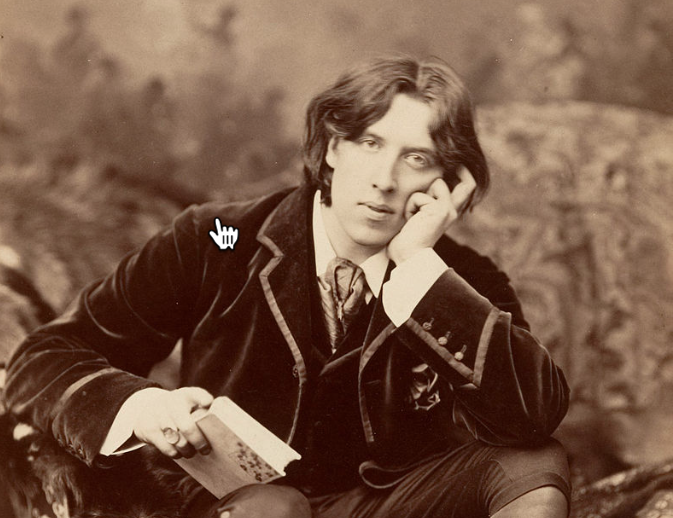
On May 19, 1897, Irish author, playwright, and poet Oscar Wilde (October 16, 1854 – November 30, 1900) was released from Reading Prison, where he had finished, in ill health, his hard labor sentence for “gross indecency.” His “Ballad of Reading Gaol,” first published pseudonymously in a periodical with wide circulation amongst criminals, quickly achieved the status of a classic.

He died less than three years later, in exile in Europe. His most famous works include the play The Importance of Being Earnest, the novel The Picture of Dorian Gray, and the fascinating essay “The Soul of Man Under Socialism.”

Categories
Today

Slavery and Heresy

On May 18, 1652, Rhode Island passed the first law in English-speaking North America making slavery illegal.


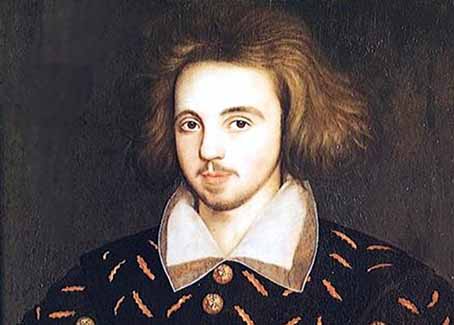
On May 18, 1593, playwright Thomas Kyd’s accusations of heresy led to an arrest warrant for fellow playwright Christopher (“Kit”) Marlowe.

Kyd was the famed author of The Spanish Tragedy, and Kit Marlowe [pictured] was known for a number of plays, including The Jew of Malta and The Tragicall History of the Life and Death of Doctor Faustus.

Marlowe died a few weeks later, on May 30, without having been arrested. The circumstances of his death were bizarre, suspicious — as if written by a playwright.

Categories
Today

The Original -gate!

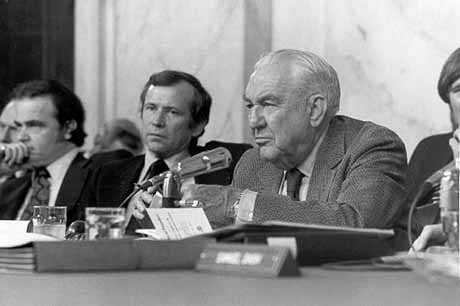
On May 17, 1973, televised hearings regarding the Watergate scandal began in the United States Senate, Sen. Sam Ervin presiding.

Little did participants know that the name of the hotel in which the White House-arranged break-ins occurred would provide a template for most future political scandals: “-gate” would be suffixed to nearly every other possible designator of scandal. The Democratic vendetta against Republican Donald Trump for winning the 2016 election has been called “Russiagate,” for example.

And on May 11, 2020, Trump retweeted a previous post with one additional word: “OBAMAGATE!”

This could be called a “suffix meme.” Or “insufferable meme,” if you prefer.

Categories
Today

Oregon Trail

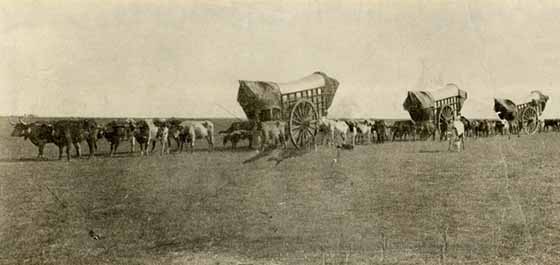
On May 16, 1843, one thousand pioneers from Elm Grove, Missouri, set off for the Pacific Northwest, blazing what became known as the “Oregon Trail.”

Categories
Today

Virginia for Independence

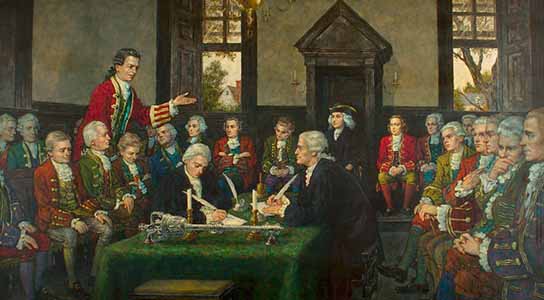
On May 15, 1776, the Virginia Convention instructed its Continental Congress delegation to propose a resolution of independence from Great Britain, paving the way for the United States’ Declaration of Independence.

Categories
Today

Constitution, huzzah?

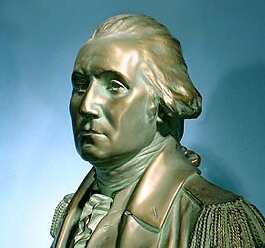
On May 14, 1787, delegates convened a Constitutional Convention, in Philadelphia, Pennsylvania, to write a new Constitution for the United States. George Washington presided over the convention.

On the same day a century later, jurist and pamphleteer Lysander Spooner — author of several important treatises, including Trial by Jury, The Unconstitutionality of Slavery, and an infamous pamphlet entitled “No Treason: The Constitution of No Authority” — died.

Categories
Today

Brazilian slavery

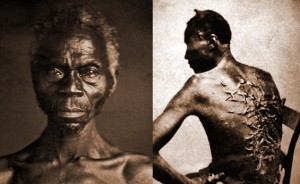
On May 13, 1888, Brazil abolished slavery with the passage of the Lei Áurea (“Golden Law”).