On April 12, 1914, American economist Armen Alchian was born. His contributions to economic theory and teaching were many, but is perhaps best known for his work on property rights.
Alchian died in 2014, in late February, at age 99.
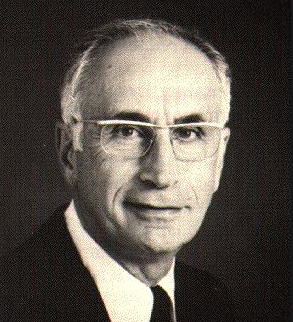
On April 12, 1914, American economist Armen Alchian was born. His contributions to economic theory and teaching were many, but is perhaps best known for his work on property rights.
Alchian died in 2014, in late February, at age 99.
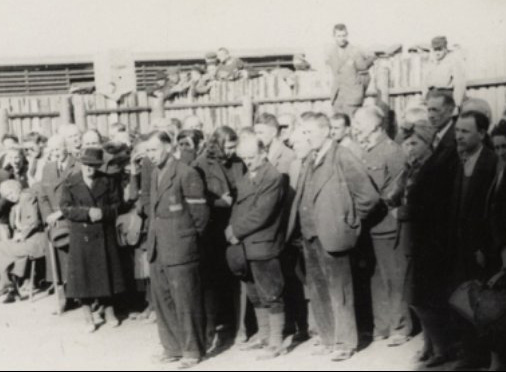
On April 11, 1945, the American Third Army liberated the Buchenwald concentration camp, near Weimar, Germany, a camp that would later be judged second only to Auschwitz in the horrors it imposed on its prisoners. Among those in the camp saved by the American soldiers was Elie Wiesel, who would go on to win the Nobel Peace Prize in 1986.
Shown in photograph: German citizens ushered to the camp by American soldiers, post-conquest.
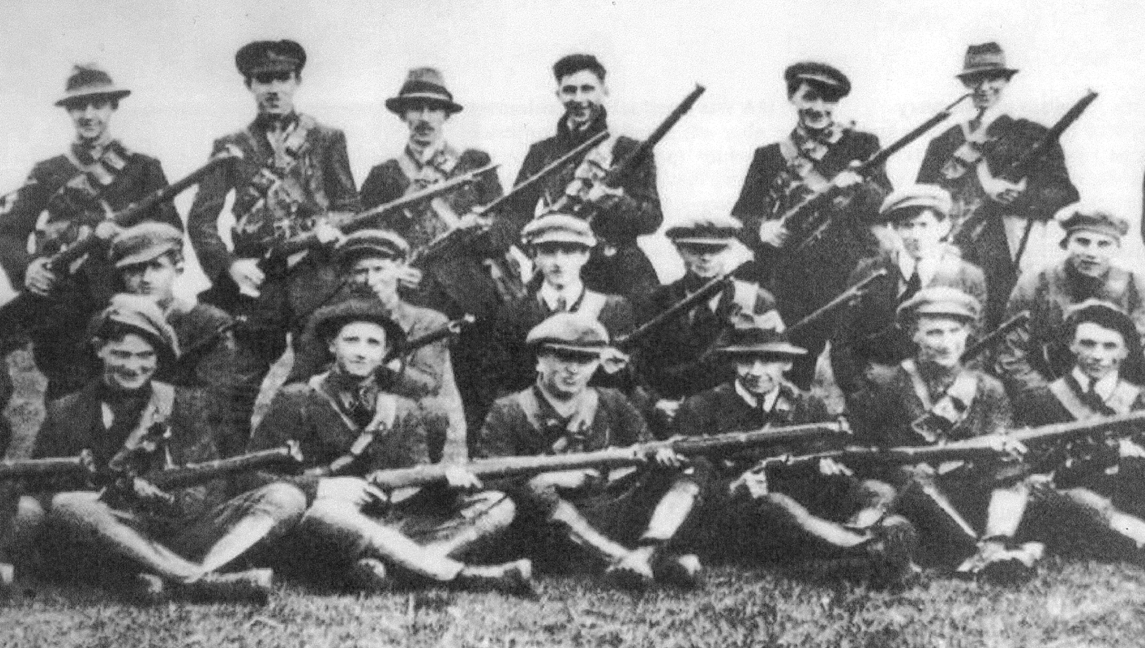
On the hundredth day of 1998, the Northern Ireland peace talks ended with an historic agreement, dubbed the Good Friday Agreement. The accord was reached after nearly two years of talks and 30 years of conflict.
Despite being outnumbered 16 to 1, forces of the Old Swiss Confederacy proved victorious over the Archduchy of Austria in the Battle of Näfels, April 9, 1388.
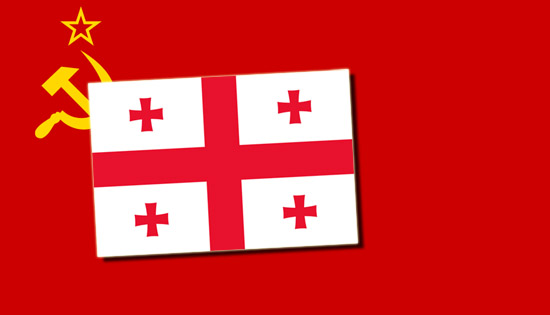
On this date in 1991, Georgia declared its independence from the Soviet Union.

On April 8, 1913, the 17th amendment to the Constitution, providing for the popular election of U.S. senators, was ratified.

On April 7, 1933, Prohibition in the United States was repealed for beer of no more than 3.2 percent alcohol by weight, eight months before the ratification of the XXI amendment.
On April 6, 1930, Mohandes Gandhi raised a lump of mud and salt, declaring, “With this, I am shaking the foundations of the British Empire.” Thus began the Salt Satyagraha.
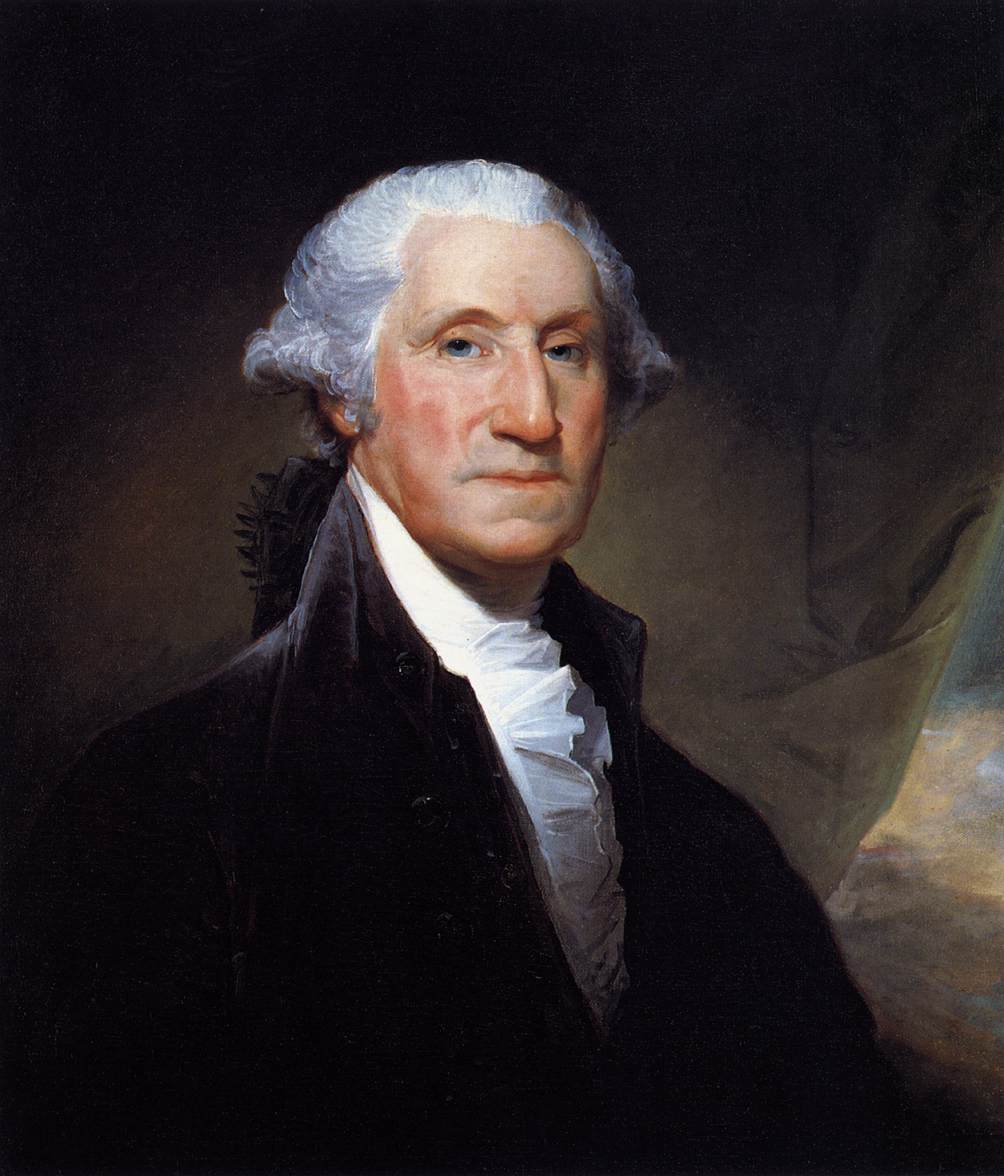
On April 5, 1792, U.S. President George Washington exercised his authority to veto a bill, the first time this power was used in the United States.
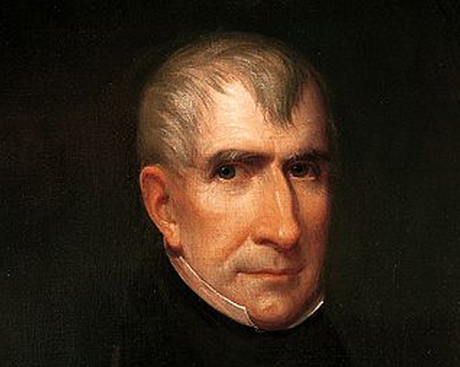
On April 4, 1841, William Henry Harrison died of pneumonia, becoming the first President of the United States to die in office and the one with the shortest term served (he died on his 32nd day as president). Renowned Indian killer, a proponent of the expansion of slavery into Northwest Territories, and a Whig, Harrison won the presidency in part by turning the Democrats’ “log cabin and hard cider” aspersions on his character as the basic symbols of the campaign.
Though hardly a “limited government man,” some limited government history buffs proclaim him the Greatest President, on the ostensibly droll and possibly cynical grounds that he spent so little time in office.
On a sadder note, Martin Luther King, Jr., was assassinated on this day in 1968.
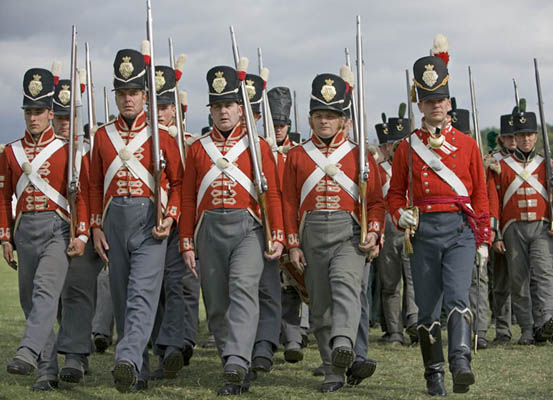
On March 24, 1765, the Kingdom of Great Britain passed the Quartering Act, which required the Thirteen Colonies to house British troops.
On the same date in 1855, slavery was abolished in Venezuela.
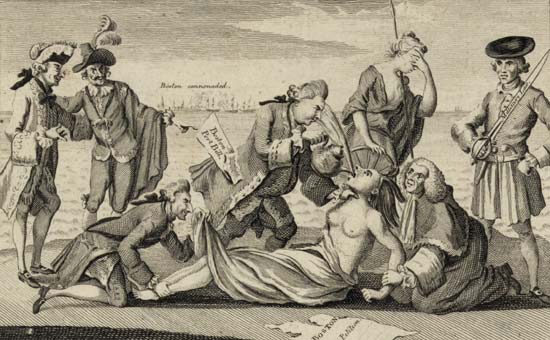 The Intolerable Acts (among which was the Quartering Act) was the American Patriots’ name for a series of punitive laws passed by the British Parliament in 1774 after the Boston Tea party. They were meant to punish the Massachusetts colonists for their defiance in throwing a large tea shipment into Boston harbor. In Great Britain, these laws were referred to as the Coercive Acts.