On Feb. 14, 278 A.D., Valentine, a priest in Rome during the reign of Emperor Claudius II, was executed. In order to facilitate the raising of an army for his unpopular military campaigns, the emperor outlawed all marriages and engagements. Valentine defied Claudius’s order and continued to perform marriages for young lovers in secret. Once discovered, Valentine was arrested and condemned by the Prefect of Rome to be beaten to death with clubs and to have his head cut off. The sentence was carried out on February 14. Valentine was named a saint by the Roman Catholic Church after his death.
Feb 14, 1989, at a meeting of the presidents of Nicaragua, Honduras, Guatemala, Costa Rica, and El Salvador, the Sandinista government of Nicaragua agreed to free a number of political prisoners and hold free elections within a year. In return, Honduras promised to close bases used by anti-Sandinista rebels. Within a year, the Sandinistas were defeated in Nicaragua elections.
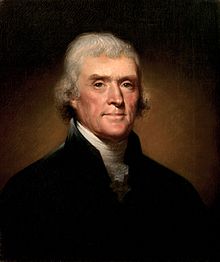
On February 6, 1756, Aaron Burr was born. Burr was an American politician who served as third Vice President of the United States, a man with a deeply ambiguous record. His popularity in his home state of New York, combined with the Slave Power vote, allowed for Thomas Jefferson’s victory in 1800 — and yet, another constitutional quirk, in addition to his apparent calculating ambition, precipitated a constitutional crisis in that election. He found a strong opponent in Federalist politician Alexander Hamilton, whom he later killed (in a duel, during his vice presidency). Out of office, Burr gathered an army west of the Appalachians, ostensibly to conquer Mexico. The army was captured, and Burr was put on trial for treason, with Thomas Jefferson moving heaven and earth to see a conviction. Burr was found not guilty, traveled to Europe, and then returned to America for a long life in the private sector.
On February 5, 1788, Robert Peel was born. He would become one of the most important of the United Kingdom’s prime ministers, ushering in some reforms that led to the liberalization of England in the 19th century.