 The best scheme of finance is, to spend as little as possible; and the best tax is always the lightest.
Categories
The best scheme of finance is, to spend as little as possible; and the best tax is always the lightest.
The wealthy are generally impressed with an idea, that they shall never stand in need of public charitable relief; but a little less confidence would become them better.
The command of a large sum is a dangerous temptation to a national administration. Though accumulated at their expense, the people rarely, if ever profit by it: yet in point of fact, all value, and consequently, all wealth, originates with the people.
Is it possible for princes and ministers to be enlightened, when private individuals are not so?
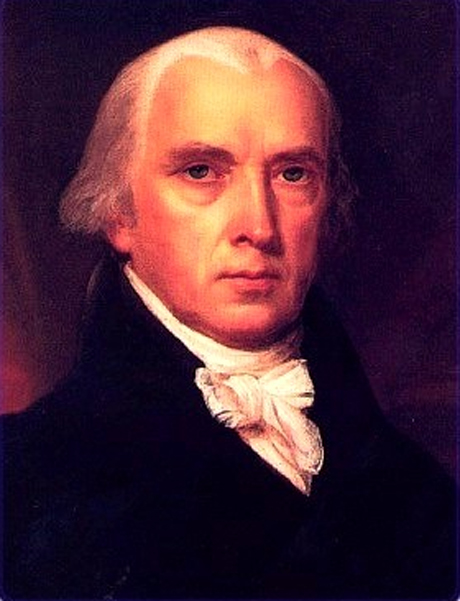 I believe there are more instances of the abridgement of the freedom of the people by gradual and silent encroachments of those in power than by violent and sudden usurpations.
Ambition must be made to counteract ambition.
If men were angels, no government would be necessary. If angels were to govern men, neither external nor internal controls on government would be necessary. In framing a government which is to be administered by men over men, the great difficulty lies in this: you must first enable the government to control the governed; and in the next place oblige it to control itself. A dependence on the people is, no doubt, the primary control on the government; but experience has taught mankind the necessity of auxiliary precautions.
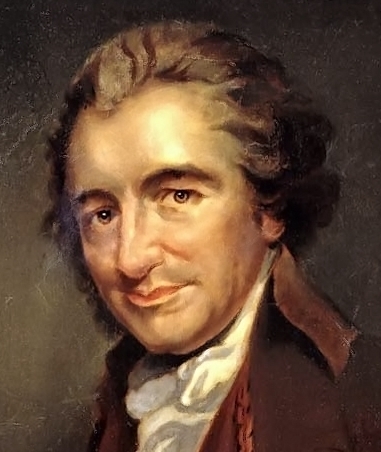 Those who expect to reap the blessings of freedom must, like men, undergo the fatigue of supporting it.
Those who expect to reap the blessings of freedom must, like men, undergo the fatigue of supporting it.
On March 12, 1930, Mahatma Gandhi led a 200-mile march, known as the Salt March, to the sea in defiance of British opposition, to protest the British monopoly on salt. This “Satyagraha” was one of Gandhi’s most famous protests.