 A hard working laborer, I was told, fancied working by candlelight. He had calculated that, during his vigil, he burned a 4-penny candle, earning 8 pennies by his work. A tax on tallows and another on the manufacture of the candles increased by 5 pennies the cost of his luminary, which became thus more expensive than the value of the product that it could shed light upon. From then on, as soon as night fell, the workman remained idle; he lost the 4 pennies which his work could obtain him, and without the tax service perceiving anything out of this production. Such a loss must be multiplied by the number of the workmen in a city and by the number of the days of the year.
Categories
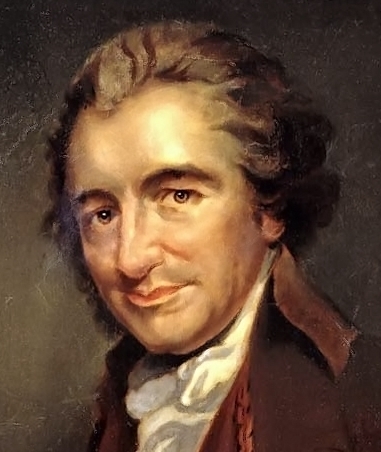 There is something exceedingly ridiculous in the composition of monarchy; it first excludes a man from the means of information, yet empowers him to act in cases where the highest judgment is required.
 Shameless sponging on friends and relatives … [Karl] Marx affected a hatred and contempt for the very material resource he was too anxious to cadge and use so recklessly. Marx created an entire philosophy around his own corrupt attitudes toward money.
 The First Amendment says nothing about your getting paid for saying anything. It just says you can say it. I don’t believe that if a corporation pulls all the money out of you or a network pulls their money away or you get fired, you’re being censored.
 We all proposition our grocer in the following fashion: “We’re not going to tell you when we’re going to shop; we’re not going to tell you what we’re going to buy; we’re not going to tell you the quantity we’re going to buy — but we will fire you if you don’t have what we want when we do come into the store.”