“Civil liberty is the status of the man who is guaranteed by law and civil institutions the exclusive employment of all his own powers for his own welfare.”
William Graham Sumner, “The Forgotten Man” (1883)
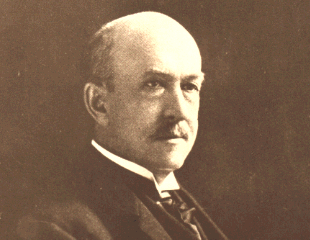
“Civil liberty is the status of the man who is guaranteed by law and civil institutions the exclusive employment of all his own powers for his own welfare.”
William Graham Sumner, “The Forgotten Man” (1883)
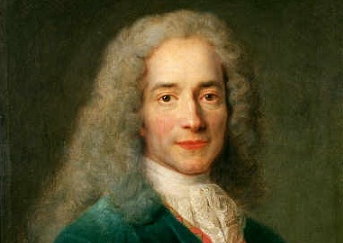
“The secret of being a bore is to tell everything.”
Voltaire, “Sixième discours: sur la nature de l’homme,” Sept Discours en Vers sur l’Homme (1738)
“If I want to be free from any other man’s dictation, I must understand that I can have no other man under my control.”
William Graham Sumner, “The Forgotten Man” (1883)
“Man is free at the instant he wants to be.”
Voltaire, Brutus, Act II, scene I (1730).
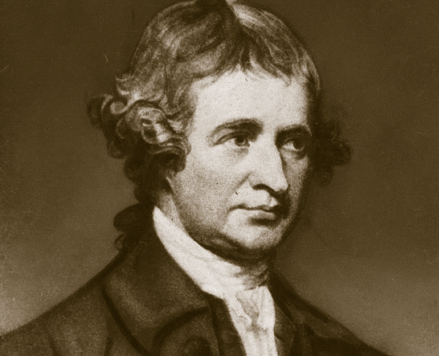
“Bad laws are the worst sort of tyranny.”
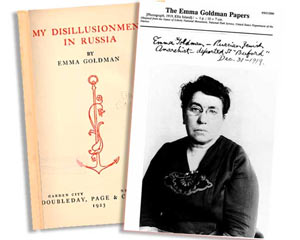
“To-day is the parent of to-morrow. The present casts its shadow far into the future. That is the law of life, individual and social. Revolution that divests itself of ethical values thereby lays the foundation of injustice, deceit, and oppression for the future society. The means used to prepare the future become its cornerstone.”
Emma Goldman, My Disillusionment in Russia 1925.
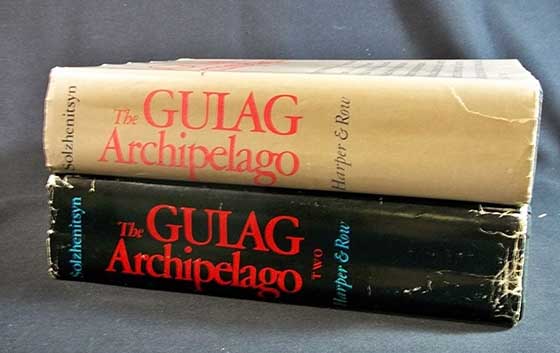
“Macbeth’s self-justifications were feeble – and his conscience devoured him. Yes, even Iago was a little lamb too. The imagination and the spiritual strength of Shakespeare’s evildoers stopped short at a dozen corpses. Because they had no ideology.”
Aleksandr Solzhenitsyn, The Gulag Archipelago 1973.
A state of war only serves as an excuse for domestic tyranny.
Aleksandr Solzhenitsyn, The Gulag Archipelago 1973
.
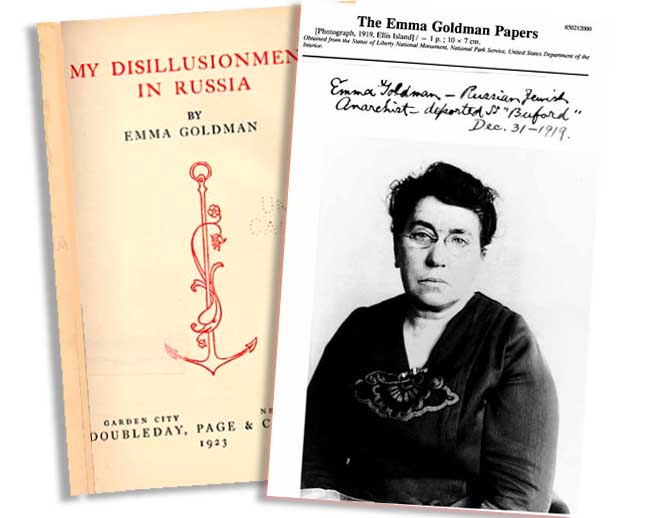
“Witness the tragic condition of Russia. The methods of State centralization have paralysed individual initiative and effort; the tyranny of the dictatorship has cowed the people into slavish submission and all but extinguished the fires of liberty; organized terrorism has depraved and brutalized the masses and stifled every idealistic aspiration; institutionalized murder has cheapened human life, and all sense of the dignity of man and the value of life has been eliminated; coercion at every step has made effort bitter, labour a punishment, has turned the whole of existence into a scheme of mutual deceit, and has revived the lowest and most brutal instincts of man. A sorry heritage to begin a new life of freedom and brotherhood.”
Emma Goldman, My Disillusionment in Russia 1923.
“If only there were evil people somewhere insidiously committing evil deeds, and it were necessary only to separate them from the rest of us and destroy them. But the line dividing good and evil cuts through the heart of every human being. And who is willing to destroy a piece of his own heart?”
Aleksandr Solzhenitsyn, The Gulag Archipelago 1973.