“A good End cannot sanctifie evil Means; nor must we ever do Evil, that Good may come of it.”
William Penn, Some Fruits of Solitude, #537
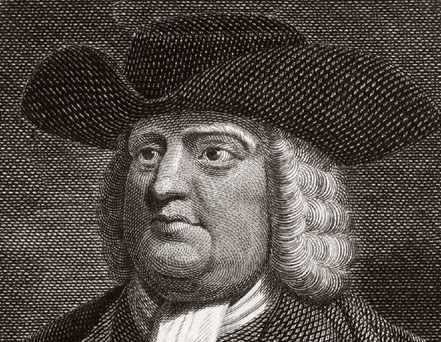
“A good End cannot sanctifie evil Means; nor must we ever do Evil, that Good may come of it.”
William Penn, Some Fruits of Solitude, #537
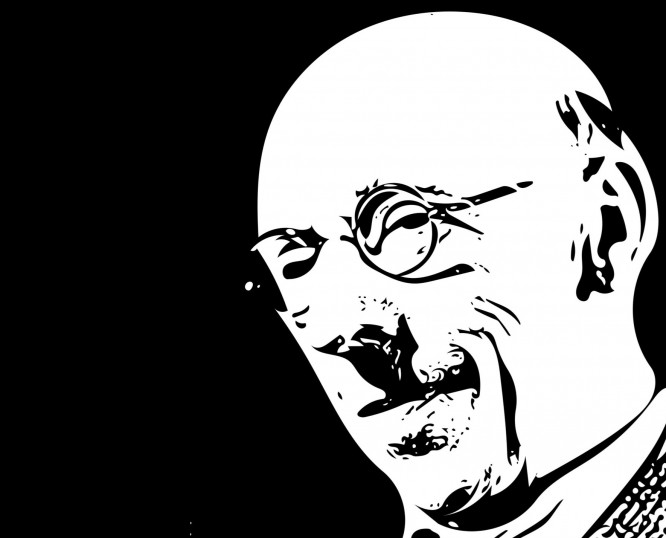
“One cannot live for ever by ignoring the price of coffins.”
Ernest Bramah, Kai Lung Unrolls His Mat
“Right is right, even if everyone is against it, and wrong is wrong, even if everyone is for it.”
William Penn
The practical reason for freedom is that freedom seems to be the only condition under which any kind of substantial moral fiber can be developed — we have tried law, compulsion and authoritarianism of various kinds, and the result is nothing to be proud of.
Albert Jay Nock, “On Doing the Right Thing,” The American Mercury (1925).
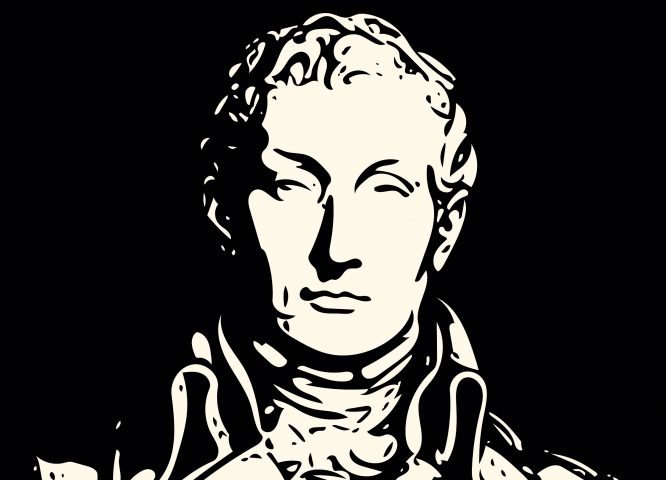
By ignorance and cupidity, a secret war, fermenting in the bosom of every state, has separated citizen from citizen; and the same society has divided itself into oppressors and oppressed, into masters and slaves; by these, the heads of a nation, sometimes insolent and audacious, have forged its chains within its own bowels; and mercenary avarice has founded political despotism.
C. -F. Volney, The Ruins, or, Meditation on the Revolutions of Empires (1793; first English-language edition, 1802)
“Before hastening to secure a possible reward of five taels by dragging an unobservant person away from a falling building, examine well his features lest you find, when too late, that it is one to whom you are indebted for double that amount.”
Ernest Bramah, The Wallet of Kai Lung
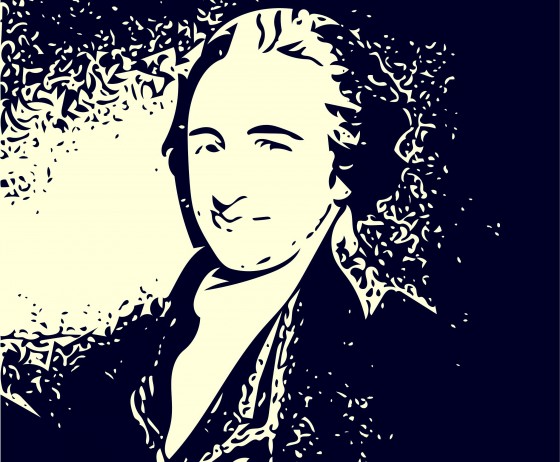
“An Avidity to punish is always dangerous to liberty. It leads men tostretch, to misinterpret, and to misapply even the best of laws. He thatwould make his own liberty secure must guard even his enemy from oppression;for if he violates this duty he a establishes a precedent that will reach to himself.”
Thomas Paine (1795)
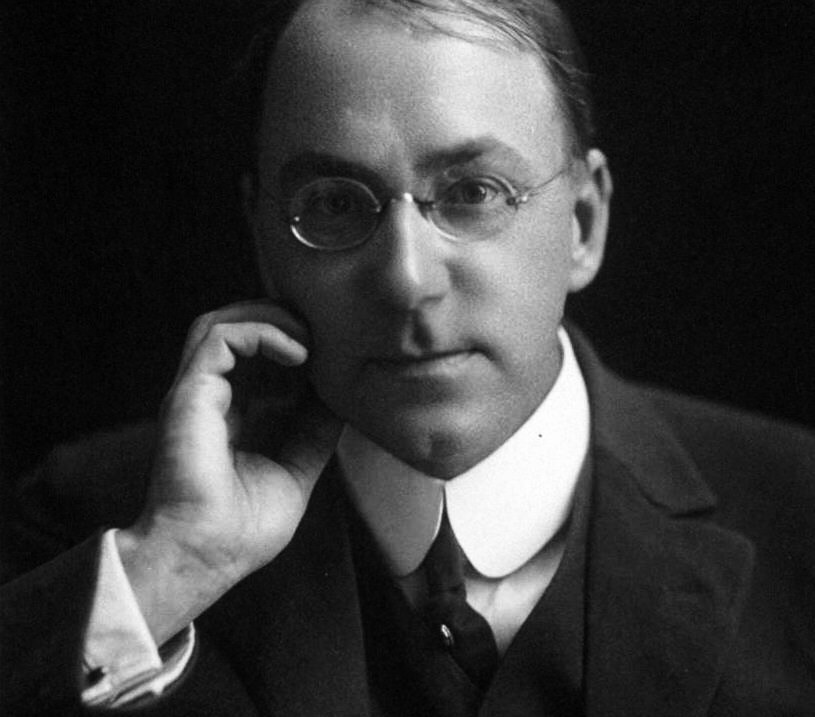
“The Bromide does his thinking by syndicate. He follows the main-traveled roads, he goes with the crowd. In a word, they all think and talk alike — one may predicate their opinion upon any given subject. They follow custom and costume, they obey the Law of Averages. They are, intellectually, all peas in the same conventional pod, unenlightened, prosaic, living by rule and rote. They have their hair cut every month and their minds keep regular office-hours.”
Gelett Burgess, Are You a Bromide?, 1907.
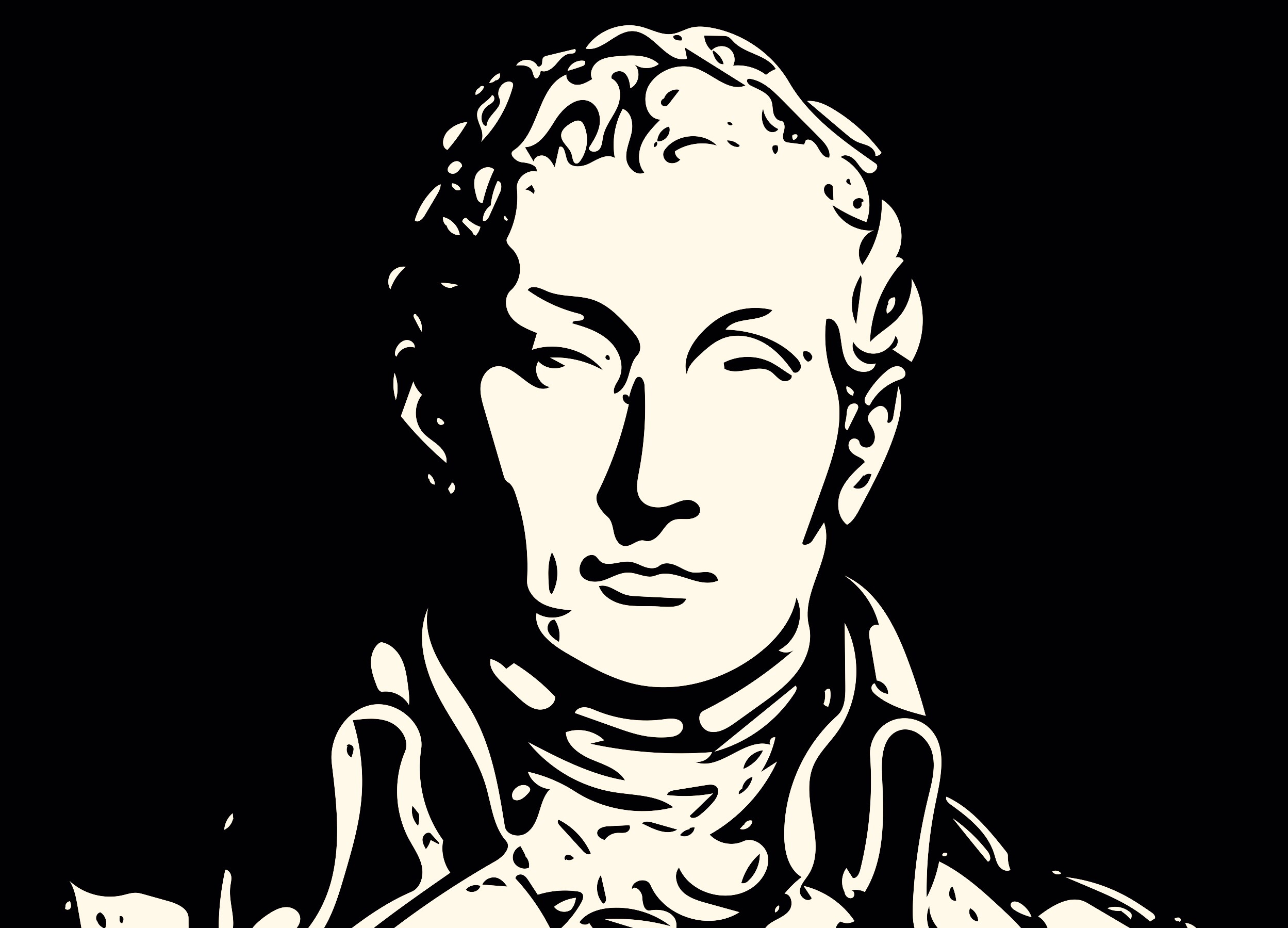
“Fatality is the universal and rooted prejudice of the East. ‘It was written,’ is there the answer to every thing. Hence result an unconcern and apathy, the most powerful impediments to instruction and civilization.”
C. F. Volney, The Ruins, or, Meditation on the Revolutions of Empires (1793; first English-language edition, 1802)
“If in the last few years you haven’t discarded a major opinion or acquired a new one, check your pulse. You may be dead.”
Gelett Burgess, American humorist.