“War is a racket. It is the only one international in scope. It is the only one in which the profits are reckoned in dollars and the losses in lives.”
Smedley Butler, War Is a Racket
, 1935
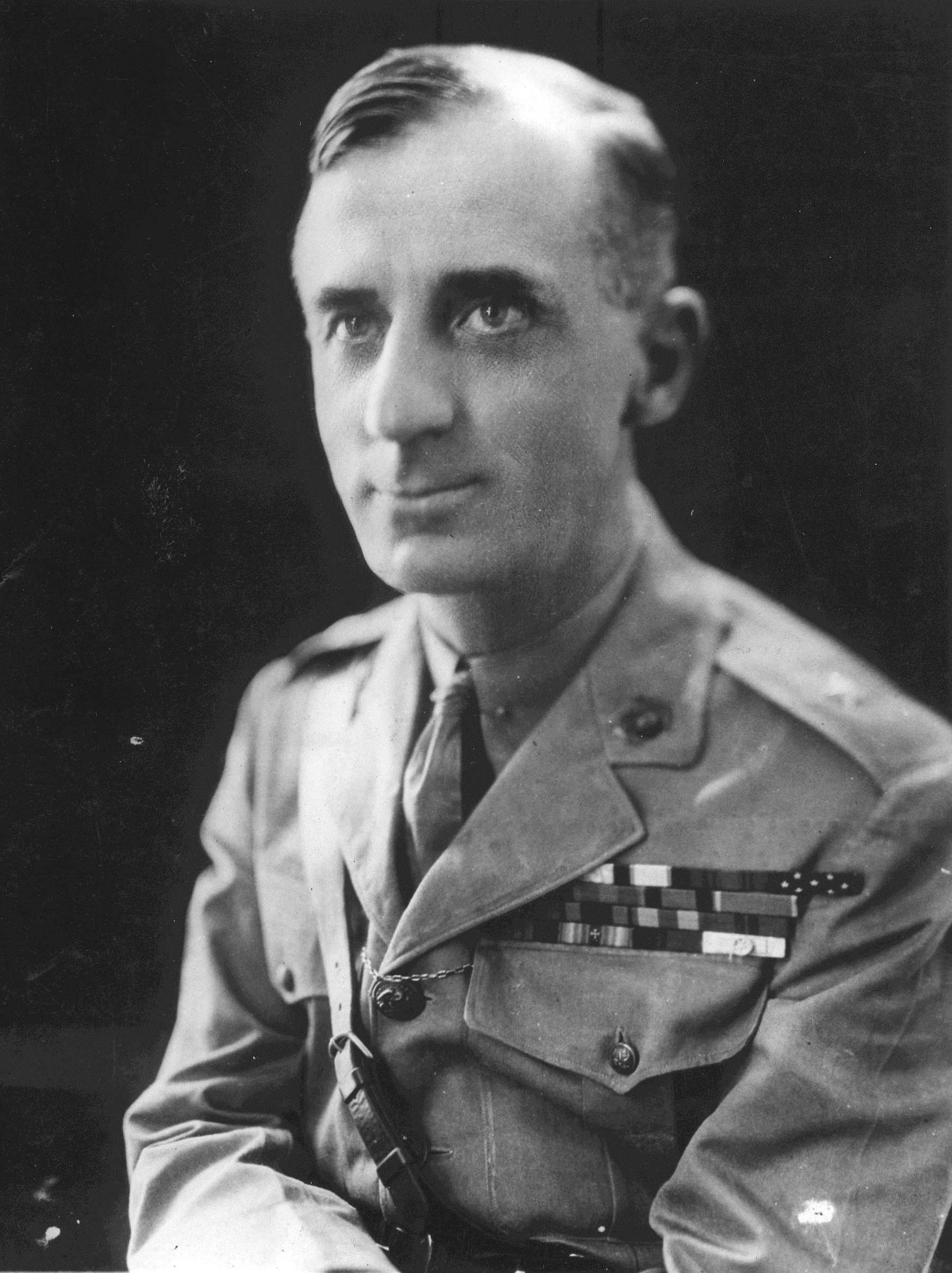
“War is a racket. It is the only one international in scope. It is the only one in which the profits are reckoned in dollars and the losses in lives.”
Smedley Butler, War Is a Racket
, 1935
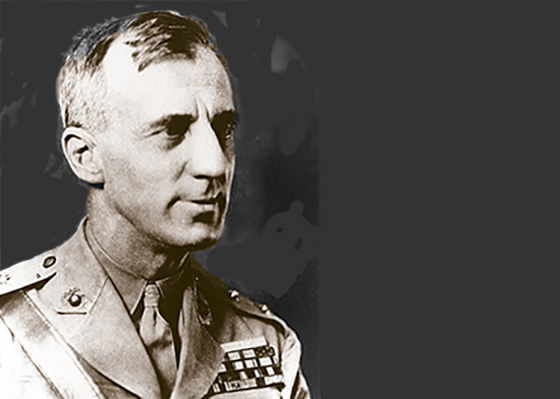
“There are only two things we should fight for. One is the defense of our homes and the other is the Bill of Rights.”
Smedley Butler, War Is a Racket
, 1935
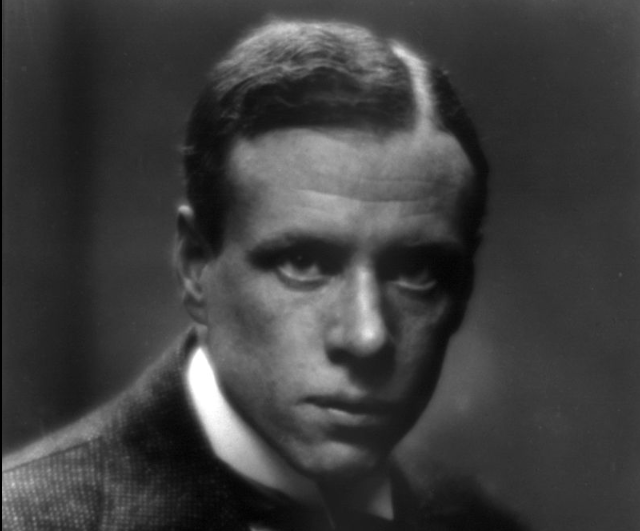
It has not yet been recorded that any human being has gained a very large or permanent contentment from meditation upon the fact that he is better off than others.
Sinclair Lewis, Main Street (1920).
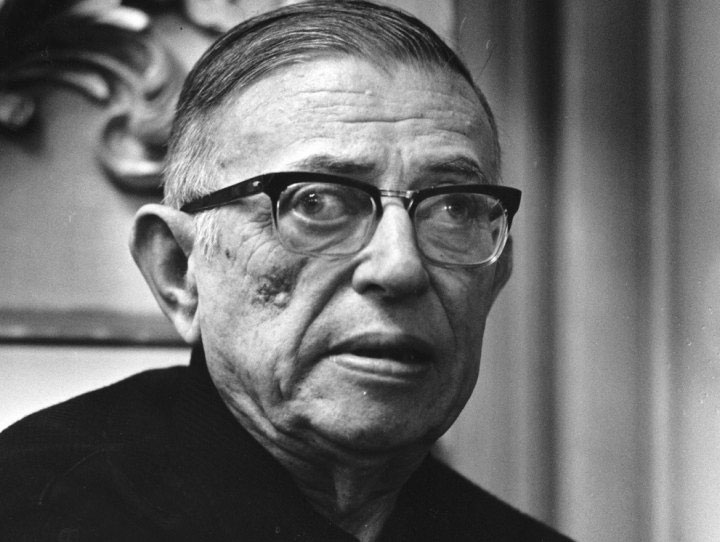
“I hate victims who respect their executioners.”
Jean-Paul Sartre, Les Séquestrés d’Altona: A Play in Five Acts, 1960
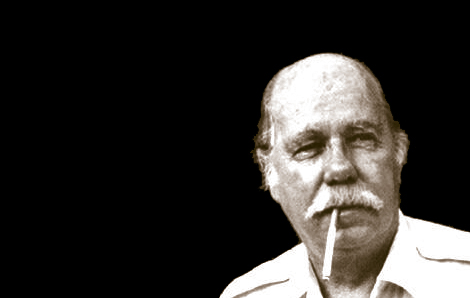
Just tell the truth, and they’ll accuse you of writing black humor.
Charles Willeford, personal motto, quoted in Marshall Jon Fisher, “The Unlikely Father of Miami Crime Fiction,” The Atlantic Monthly, May 2000.
“This is the contradiction of racism, colonialism, and all forms of tyranny: in order to treat a man like a dog, one must first recognize him as a man.”
Jean-Paul Sartre, Critique of Dialectical Reason, 1960
“We will freedom for freedom’s sake, in and through particular circumstances. And in thus willing freedom, we discover that it depends entirely upon the freedom of others and that the freedom of others depends upon our own.”
Jean-Paul Sartre, Existentialism Is a Humanism,
1946
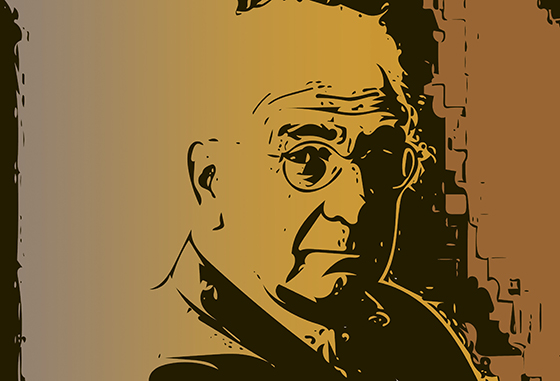
“They said, ‘We’re going to build this, and you can’t stop us.’ The bristles went up on the back of a lot of people’s heads, and we thought, ‘Hey, let’s just see what we can do.’”
Dan Coffey, Kansas City Star, October 12, 2015
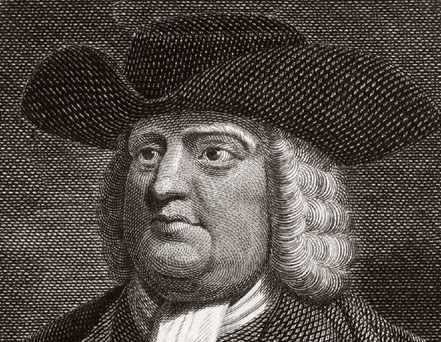
“Reason, like the Sun, is Common to All; And ’t is for want of examining all by the same Light and Measure, that we are not all of the same Mind: For all have it to that End, though all do not use it So.”
William Penn, Some Fruits of Solitude, #169
“We started off a group of interested citizens that didn’t like the way things were going, particularly the way taxpayer money was being spent in Kansas City. Everybody talks about it, but nobody does anything about it.”
Dan Coffey, Kansas City Star, October 12, 2015