Freedom degenerates unless it has to struggle in its own defence.
Categories
Lord Acton
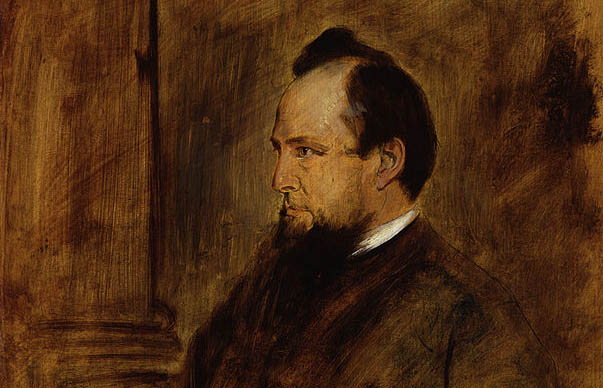
Freedom degenerates unless it has to struggle in its own defence.
The courageous and strong man repulses oppression, defends his life, his liberty, and his property; by his labor he procures himself an abundant subsistence, which he enjoys in tranquillity and peace of mind. If he falls into misfortunes, from which his prudence could not protect him, he supports them with fortitude and resignation; and it is for this reason that the ancient moralists have reckoned strength and courage among the four principal virtues.
“Knowledge is the conformity of the object and the intellect.”
That individuals have no inherent obligation to do things for the benefit of others does not entail that they will be selfish or that they cannot bind themselves contractually, such as in marriage. On the contrary, it is the dependency state that has undermined the family by playing the husband’s role in ‘one-parent families.’ The church and the state by their natures compete with the power of the family. In fact, the original aspirations of these institutions is typically to destroy family life if only they can. . . . The market, by comparison, will considerably reinforce the family if it is only allowed to do so.
Can liberty be born from the bosom of despots? and shall justice be rendered by the hands of piracy and avarice?
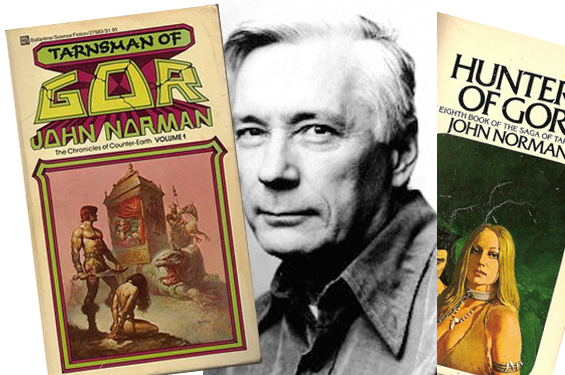
[W]e did not invent the biotruths of human nature, no more than we invented vision, speech, the circulation of blood, the beating of the heart.
We did not invent men and women.
They are what they are, and what they are not is hollow vessels to be filled with whatever sugars and syrups their betters, the anointed cooks of humanity, the intolerant coveters of power and would-be imposers of values, see fit to pour into receptive, neutral containers to be labeled from the outside by strangers who do not know them, or themselves, and to be filled with whatever contents these outsiders might deem in their own best interests!
Dr. John Frederick Lange, Jr., aka John Norman, GorChronicles.com
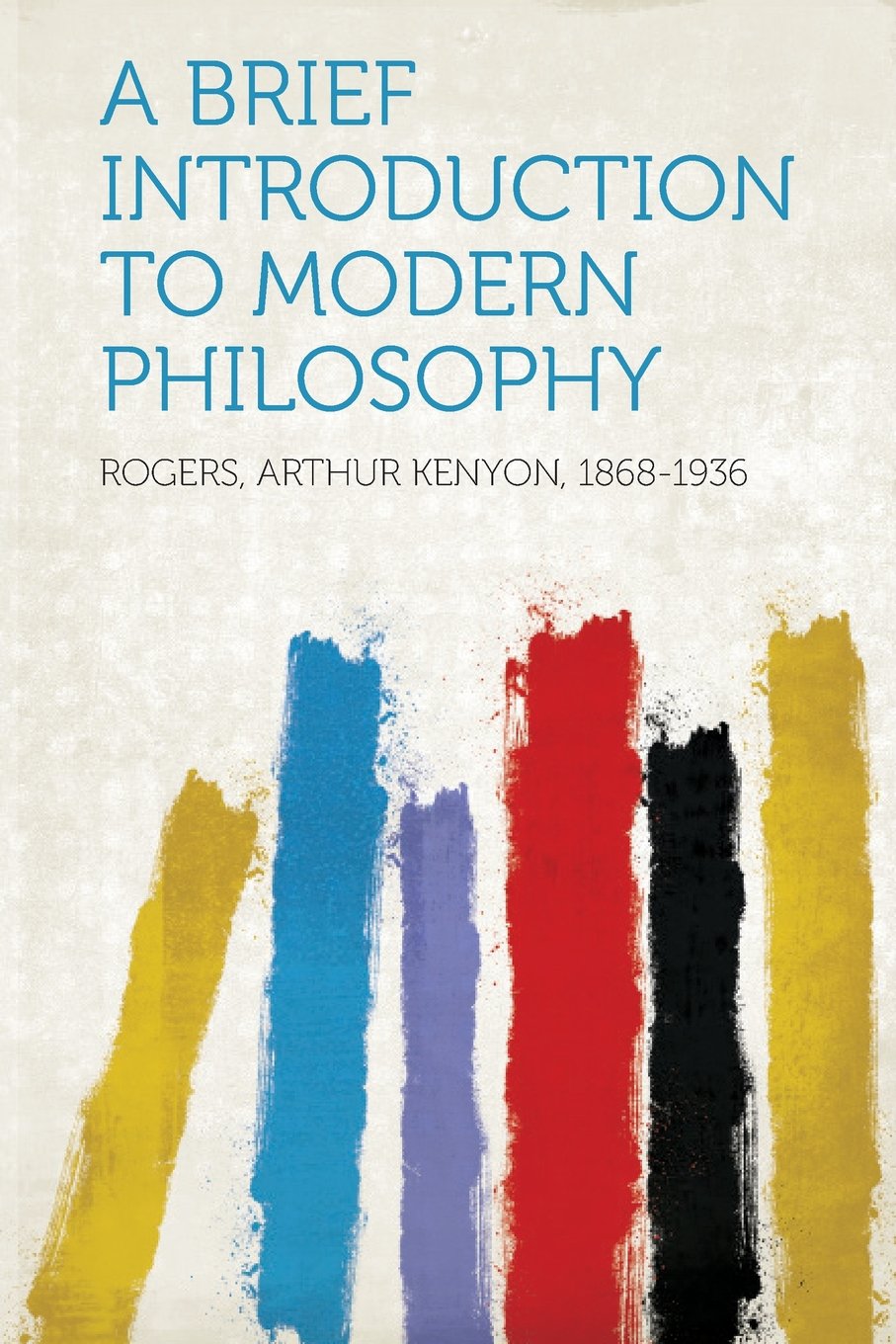
“Anything whatever can be made ridiculous; to see this side of it, and nothing more, is to become the mere jester, whose claim to be regarded as the ideal moralist is certainly very slight. But between a too solemn sense of high importance, and that conviction of the intrinsic smallness of everything in particular which some of our satirists have displayed, there is a middle ground.”
Arthur Kenyon Rogers, The Theory of Ethics (New York: The Macmillan Company, 1922).
Politics is like the human body, beautiful when viewed from the outside, but if you open it up and look inside, it’s disgusting.
C.-F. Volney, as quoted by Thomas C. Williams, author of English-Turn: The Ruins of Empires.
Freedom means self-fulfillment. It also means putting up with others’ irritating pursuit of the same. It means being confronted with disturbing images and ideas.
Nothing increases the number of jobs so rapidly as labor-saving machinery, because it releases wants theretofore unknown, by permitting leisure.
Isabel Paterson, The God of the Machine (1943)