Mary Wollstonecraft, A Vindication of the Rights of Men (1790).
No man chooses evil because it is evil; he only mistakes it for happiness, the good he seeks.
Categories
Mary Wollstonecraft
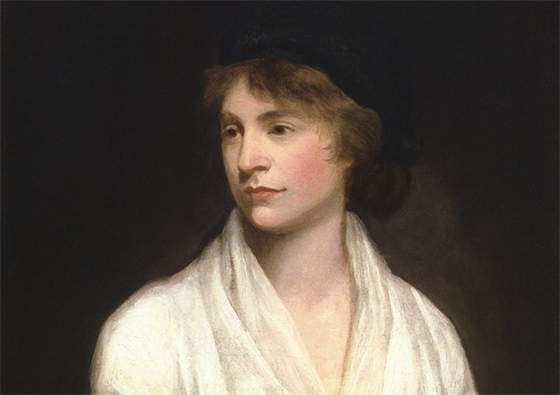
Mary Wollstonecraft, A Vindication of the Rights of Men (1790).
No man chooses evil because it is evil; he only mistakes it for happiness, the good he seeks.
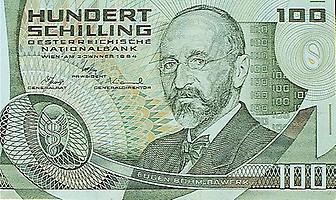
The monopolist . . . never has unlimited control; he merely has the choice within the laws of price of different “economically possible” price levels. He can select that price at which the combination of profit for each article, and the number of articles to be sold at that price, are likely to promise the greatest total profit, but he cannot exert his “power” in any other way than in conformity with the laws of price, for it is his behavior that establishes the “price law,” namely the conditions of the amount offered at a given price level, but never can he counteract the laws of price.
Eugen von Böhm-Bawerk, “Control or Economic Law,” Zeitschrift für Volkswirtshaft, Sozialpolitik und Verwaltung, Volume XXIII (1914): 205–71; John Richard Mez, Ph.D., translator.

There is a heartfelt and near-universal refusal to understand the basic economic principles behind the creation of wealth.
P. J. O’Rourke, Eat the Rich: A Treatise on Economics (1998), p. 235.
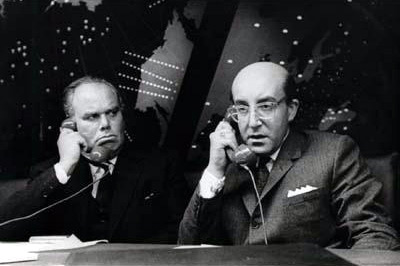
Gentlemen, you can’t fight in here! This is the War Room.
U.S. President Merkin Muffley, as performed by actor Peter Sellers in the (fictional) black comedy Dr. Strangelove, or: How I Stopped Worrying and Learned to Love the Bomb (1964), a film directed by Stanley Kubrick and written by Kubrick, Terry Southern, and Peter George, based on the book Red Alert by Peter George, first published in the UK in 1958 as Two Hours to Doom under the pseudonym Peter Bryant.
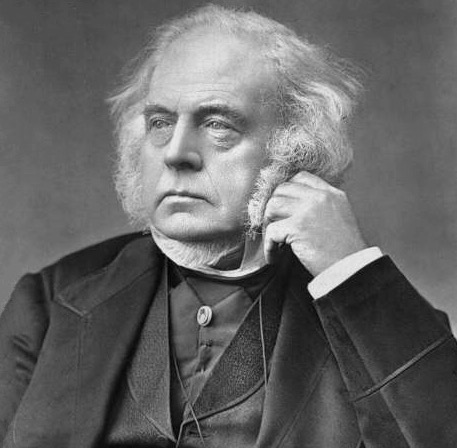
The moral law was not written for men alone in their individual character, but it was written as well for nations, and for nations great as this of which we are citizens. If nations reject and deride that moral law, there is a penalty which will inevitably follow. It may not come at once, it may not come in our lifetime; but, rely upon it, the great Italian is not a poet only, but a prophet, when he says: ‘The sword of heaven is not in haste to smite, Nor yet doth linger.’
John Bright, from a speech in Birmingham (October 29, 1858), quoted in G. M. Trevelyan, The Life of John Bright (London: Constable, 1913), p. 275.

Freedom means self-fulfillment. It also means putting up with others’ irritating pursuit of the same. It means being confronted with disturbing images and ideas.
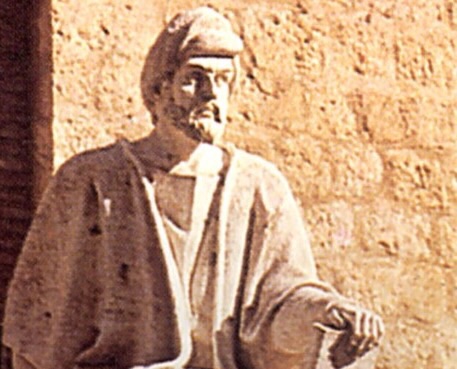
“Knowledge is the conformity of the object and the intellect.”
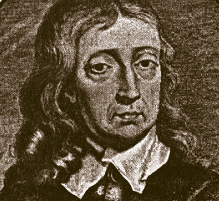
Where liberty dwells, there is my country.
H.L. Mencken attributed this popular statement to Benjamin Franklin, written in a March 14, 1783 letter to Benjamin Vaughan. That letter, however, has not been located. Bartlett’s Familiar Quotations notes this was the motto of James Otis (Latin: Ubi libertas, ibi patria; the 1780 A Complete Book of Heraldry marks it as the motto of Daniel Huger, Esq. Many early biographies of Thomas Paine portray Ben Franklin mystically speaking these words to Paine. The slogan has also been attributed to Algernon Sidney, the forgotten founding father. In “Defining Liberty: An Analysis of Its Three Elements” (ABA Journal, April 1965), Wendell J. Brown identified John Milton as its author. Which is why we picture the great poet, above. Help in correctly citing priority for this great quotation would be greatly appreciated.

The courageous and strong man repulses oppression, defends his life, his liberty, and his property; by his labor he procures himself an abundant subsistence, which he enjoys in tranquillity and peace of mind. If he falls into misfortunes, from which his prudence could not protect him, he supports them with fortitude and resignation; and it is for this reason that the ancient moralists have reckoned strength and courage among the four principal virtues.
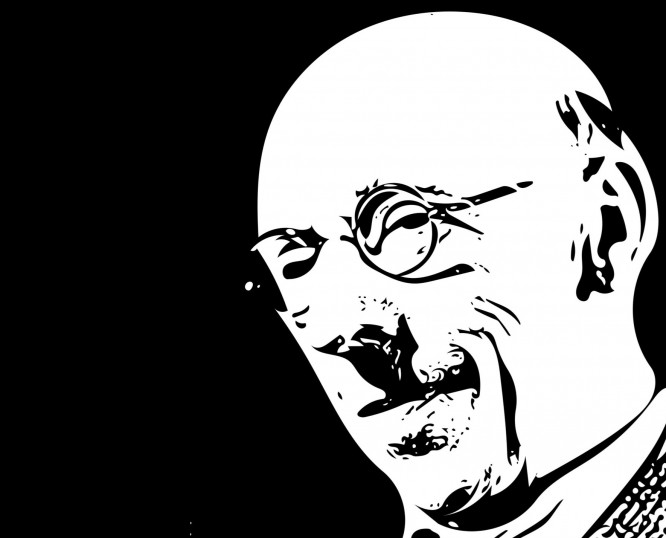
Better a dish of husks to the accompaniment of a muted lute than to be satiated with stewed shark’s fin and rich spiced wine of which the cost is frequently mentioned by the provider.
Ernest Bramah, Kai Lung Beneath the Mulberry Tree, “The Story of the Poet Lao Ping, Chun Shin’s Daughter Fa, and the Fighting Crickets” (1940).