Every constitution…, and every law, naturally expires at the end of 19 years [a generation]. If it be enforced longer, it is an act of force, and not of right.
Categories
Thomas Jefferson
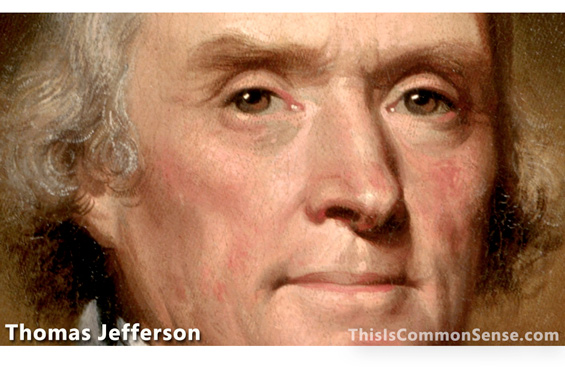
Every constitution…, and every law, naturally expires at the end of 19 years [a generation]. If it be enforced longer, it is an act of force, and not of right.
Rational satisfaction is no dream of an undisturbed and impossibly complete felicity. It is not inconsistent with pain and sorrow, and the exclusion of many human delights. To have the least chance of success it must be weighted with a sober sense of reality, and an acceptance of the actual conditions of human living; to demand more than life can possibly give is to cut off our chance of satisfaction at the outset. We must be ready, if we are not to be always open to the inroads of discontent, to see and acquiesce in inevitable limitations, to make the best of necessarily imperfect attainment, to give up without repining what does not lend itself to our more dominant and insistent interests, to prefer defeat to success that degrades us in our own eyes.
Books constitute capital. A library book lasts as long as a house, for hundreds of years. It is not, then, an article of mere consumption but fairly of capital, and often in the case of professional men, setting out in life, it is their only capital.
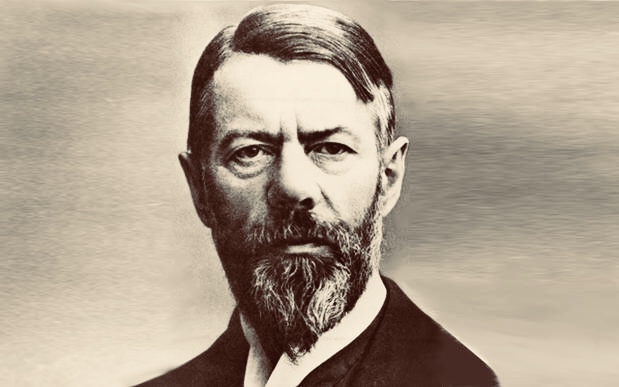
The fate of our times is characterized by rationalization and intellectualization and, above all, by the disenchantment of the world. Precisely the ultimate and most sublime values have retreated from public life either into the transcendental realm of mystic life or into the brotherliness of direct and personal human relations. It is not accidental that our greatest art is intimate and not monumental.
There is no real paradox in the claim that satisfaction is open only to the man who stands prepared to give up pleasures. This only means, again, that satisfaction as a human goal is not an abstract ideal of limitless good, but presupposes a determinate human nature set to work out its destiny in determinate surroundings. That at which a sensible, human being aims is no unimaginable state of the intensest possible pleasure unaccompanied by pain, but the realization that he is making the very most of life that it is possible for him, with his particular interests and limita tions, to make, considering the means at his disposal. If one is not willing to accept these qualifications, he is not yet prepared to set out intelligently to secure satisfaction.
Arthur Kenyon Rogers, The Theory of Ethics (New York: The Macmillan Company, 1922).
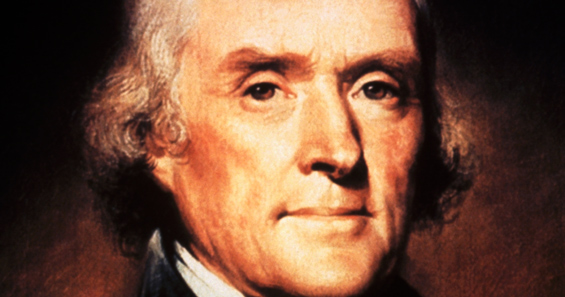
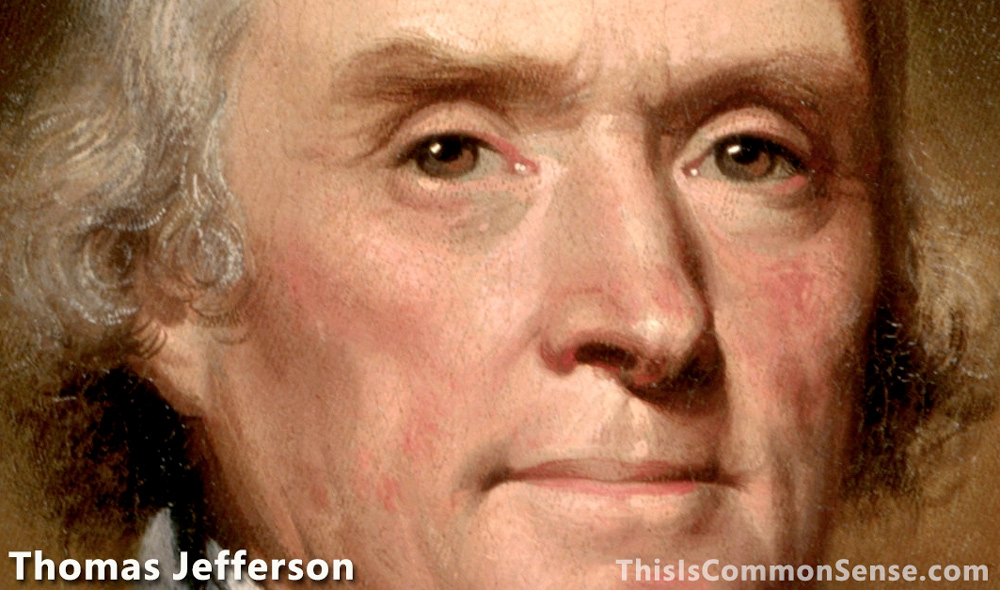
I know no safe depositary of the ultimate powers of the society but the people themselves; and if we think them not enlightened enough to exercise their control with a wholesome discretion, the remedy is not to take it from them, but to inform their discretion by education.
Thomas Jefferson, letter to W. C. Jarvis, 1820.
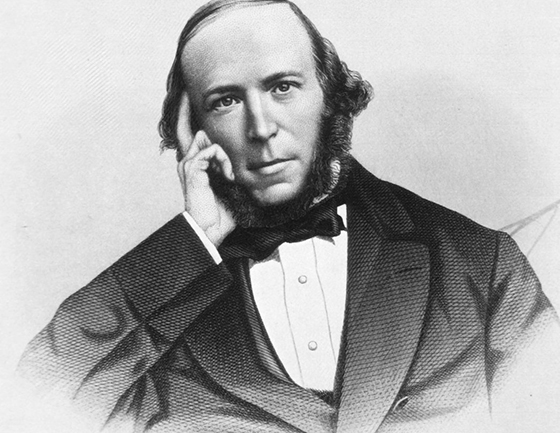
The fact disclosed by a survey of the past that majorities have usually been wrong, must not blind us to the complementary fact that majorities have usually not been entirely wrong.
Herbert Spencer, First Principles (1860), Pt. I, The Unknowable; Ch. I, Religion and Science.
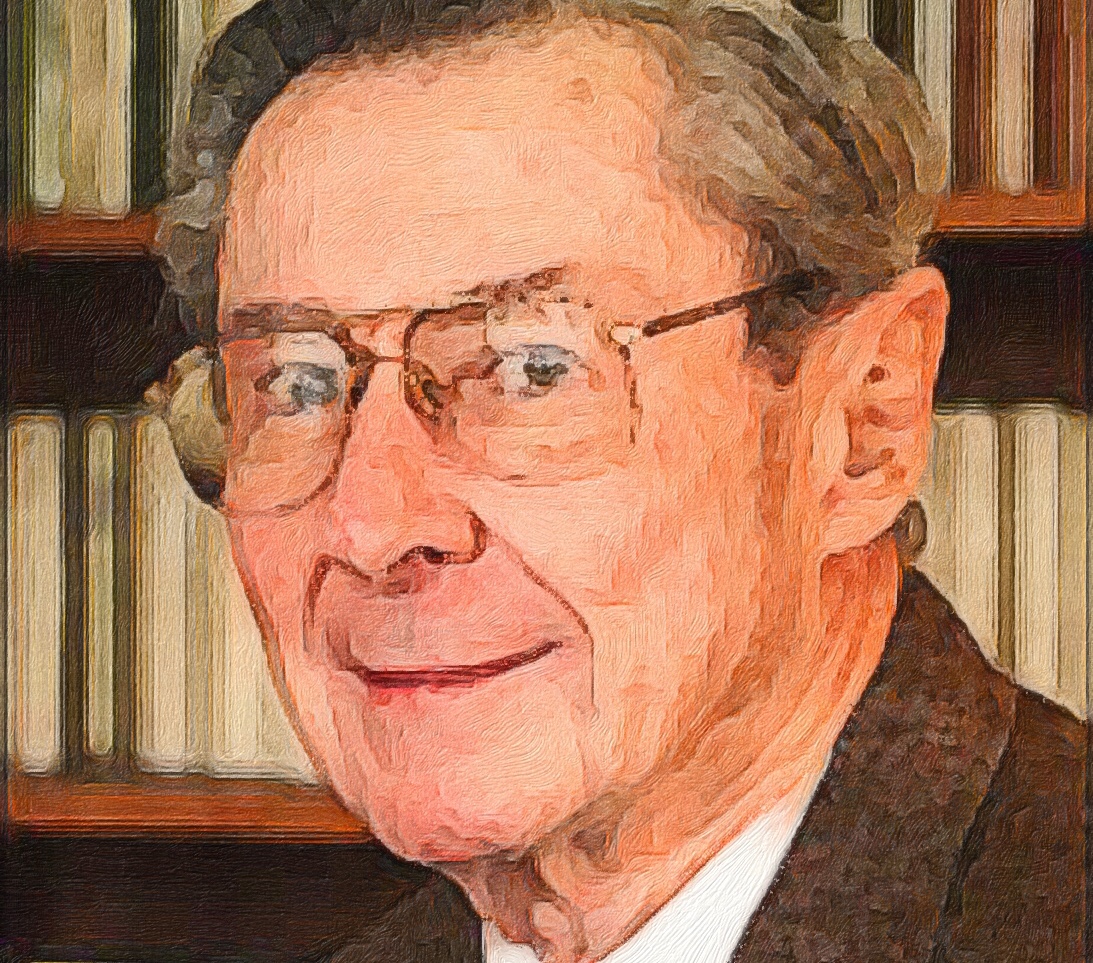
But more was involved in the Russian Revolution of 1991 than a change of institutions, however basic; at the heart of the transformation was a change in the defining ethos of life: viz., the abandonment of the Idea of
Socialism. To understand the significance of this, Aristotle is really more helpful than all the social science of the behavioral age. In the Politics, the economy and the polity are viewed as part of ethics. In other words, ethics gives purpose, the final cause, or what would now be called, in functional terms, the value system of a society, that which lends meaning to each of its institutions, and indeed makes it possible for them to function at all. And this ethical purpose must be transcendent to any one of its particular manifestations. nbsp;. .. . . the [socialist] system can be held together, in its ascending phase, only so long as the socialist Myth is credible, that is, while its realization still lies in the future. Once socialism has been built, however, the Myth is transformed by the results it has produced into the Lie. . . . it was only a question of time before the internal contradictions of the impossible enterprise of ‘building socialism’ worked themselves out in the total discrediting, and hence the brusque abandonment, of the system.
In short, there is no such thing as socialism, and the Soviet Union has built it. When a disastrously noncompetitive performance at last made this paradox apparent, the whole institutionalized fantasy of ‘really existing socialism’ vanished into thin air.
Martin Malia, “From Under The Rubble, What?” Problems of Communism, January-April 1992.
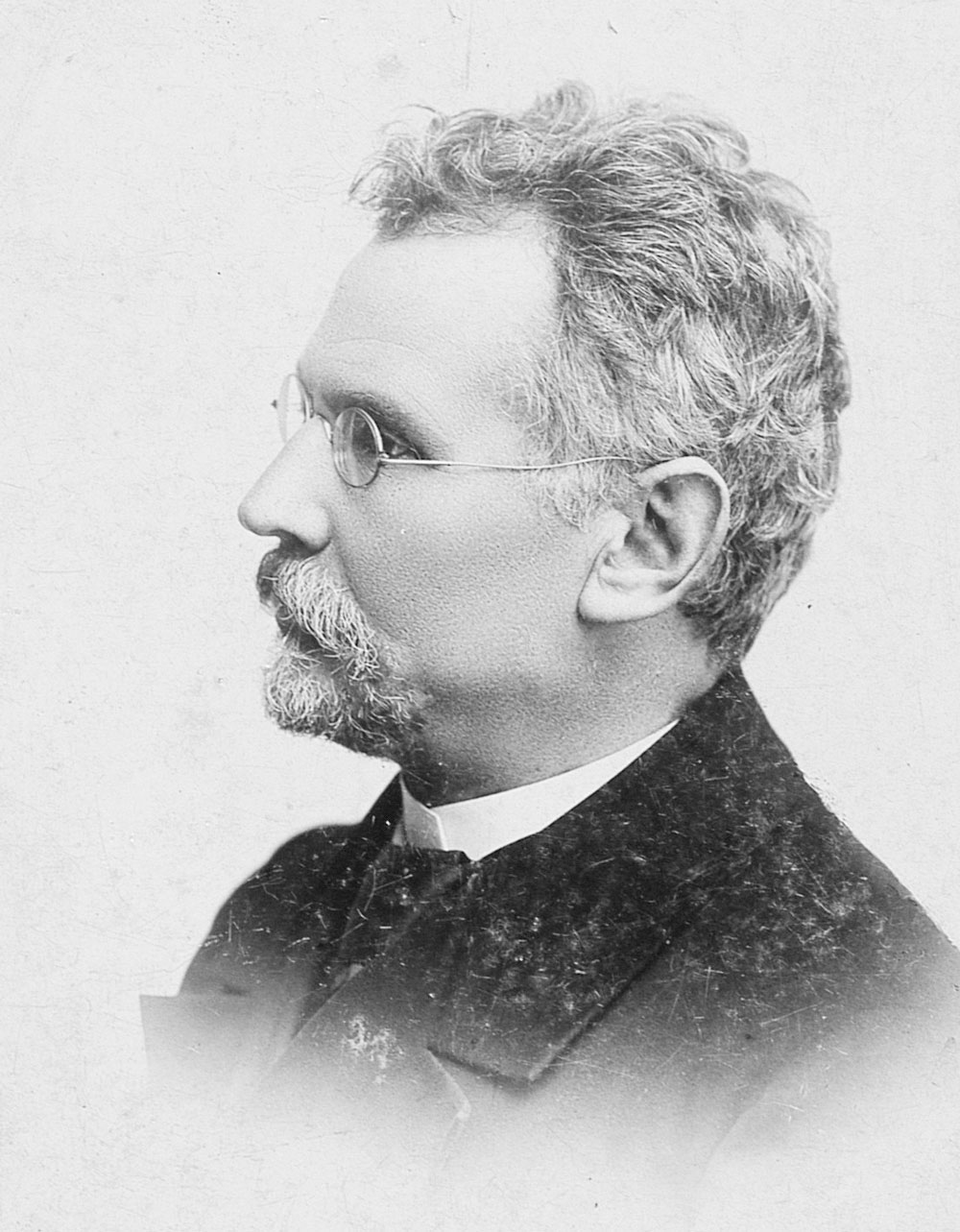
For human nature is strange: the less we are inclined to self-sacrifice, the more we insist on it in others.
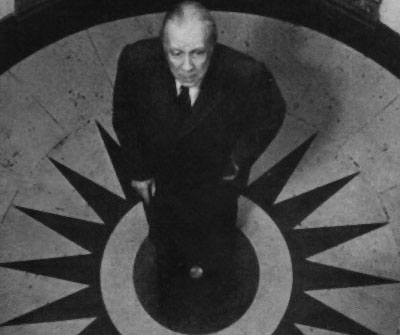
Dictatorships foster oppression, dictatorships foster servitude, dictatorships foster cruelty; more abominable is the fact that they foster idiocy.