Nothing is a greater stranger to my breast, or a sin that my soul more abhors, than that black and detestable one, ingratitude.
Letter to Governor Dinwiddie, 1754
Categories
George Washington
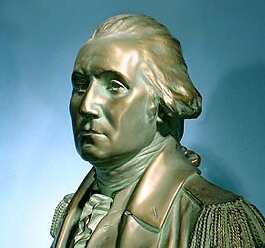
Nothing is a greater stranger to my breast, or a sin that my soul more abhors, than that black and detestable one, ingratitude.
Letter to Governor Dinwiddie, 1754

Our mind . . . functions on a dualistic model of perceiving and organizing the world into mutually-exclusive categories. We organize our experiences, through both formal and informal methods of learning, around “either-or” concepts. Something is either “A” or “non-A,” “animal” or “vegetable,” “hot” or “cold,” a process that unavoidably leads us to see the world as a series of divisions. That the rest of the universe functions in an indivisible manner, without any apparent awareness of the partitions into which our minds have organized it, is a further limitation on our capacities for understanding.
Butler Shaffer, Boundaries of Order (2015)

With some notable exceptions, businessmen favor free enterprise in general but are opposed to it when it comes to themselves.
Milton Friedman, “The Suicidal Impulse of the Business Community” (1983)

It is better to risk sparing a guilty person than to condemn an innocent one.
Voltaire, Zadig (1747).

Rose Wilder Lane, The Discovery of Freedom (1943).
When Government has a monopoly of all production and all distribution, as many Governments have, it can not permit any economic activity that competes with it. This means that it can not permit any new use of productive energy, for the new always competes with the old and destroys it. Men who build railroads destroy stage coach lines.
It’s nice to elect the right people, but that isn’t the way you solve things. The way you solve things is by making it politically profitable for the wrong people to do the right things.
Milton Friedman, c. 1977
Let us therefore animate and encourage each other, and show the whole world that a Freeman, contending for liberty on his own ground, is superior to any slavish mercenary on earth.
General Orders, Headquarters, New York (2 July 1776)
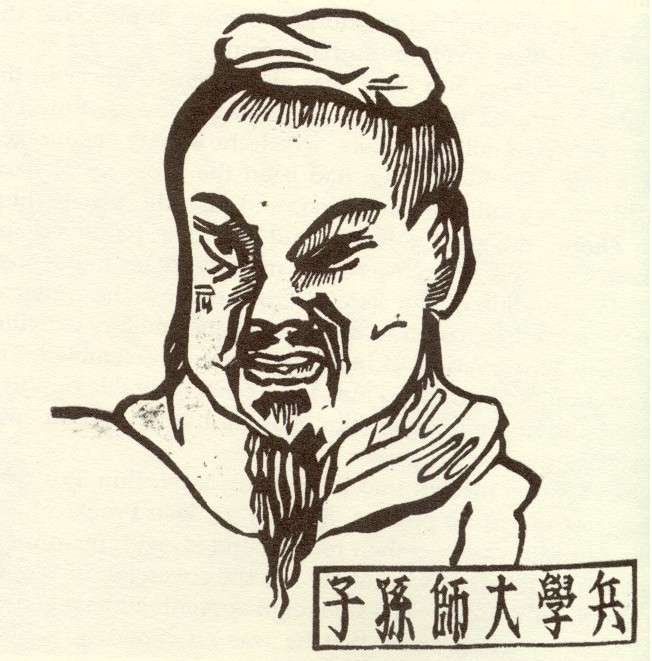
Sun Tzu, The Art of War(c. 6th century BCE), from Chapter Two.
What is essential in war is victory, not prolonged operations.
Force has no place where skill is required.
Herodotus, The Histories, Book III, Chapter 127
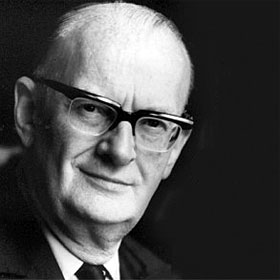
If we have learned one thing from the history invention and discovery, it is that, in the long run — and often in the short one — the most daring prophecies seem laughably conservative.